- Car
- Rolls-Royce
- Rolls-Royce Silver Wraith (7 offers)
Rolls-Royce Silver Wraith classic cars for sale
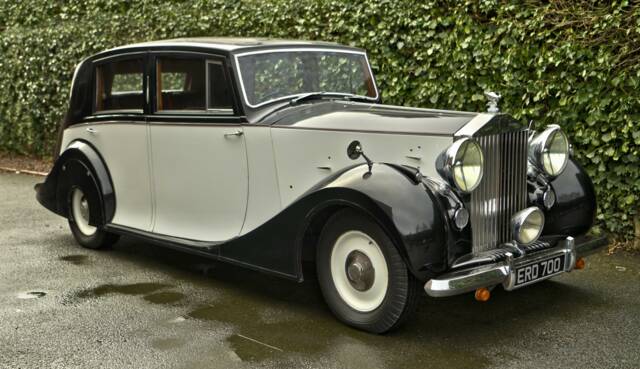
The Rolls-Royce Silver Wraith is the first post-war model from the marque, built between 1946 and 1958. Known for its bespoke coachbuilt bodies, the Silver Wraith pairs sophisticated engineering with exquisite luxury, making each example a unique statement of craftsmanship and exclusivity.
Search results
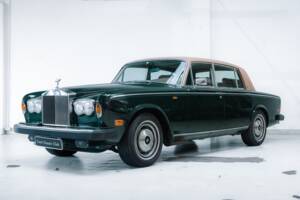
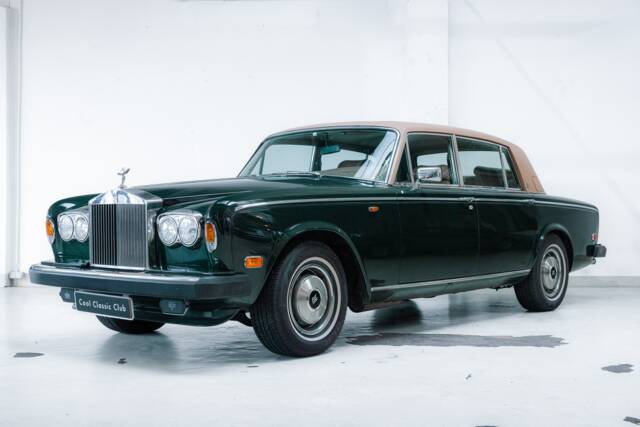
1979 | Rolls-Royce Silver Wraith II
- Complete Service History - LHD -


Auctions ending soon

Loading…
Loading…
Loading…
Loading…
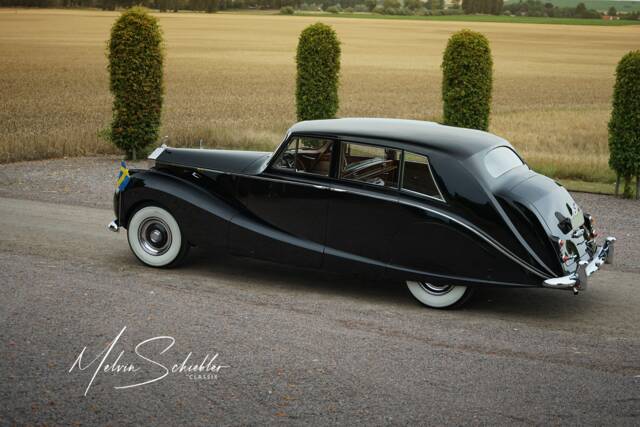
1957 | Rolls-Royce Silver Wraith
2 Owners! First Paint!

Newsletter
The best Rolls-Royce listings, straight to your inbox
Get hand-picked Rolls-Royce listings, plus the best of cars, motorbikes, and auctions on Classic Trader — all in one place.
1953 | Rolls-Royce Silver Wraith
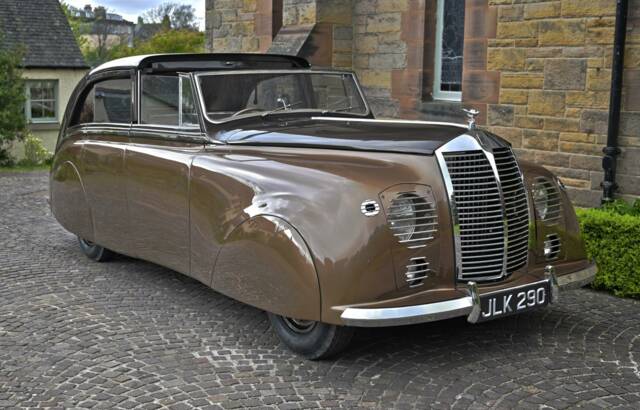
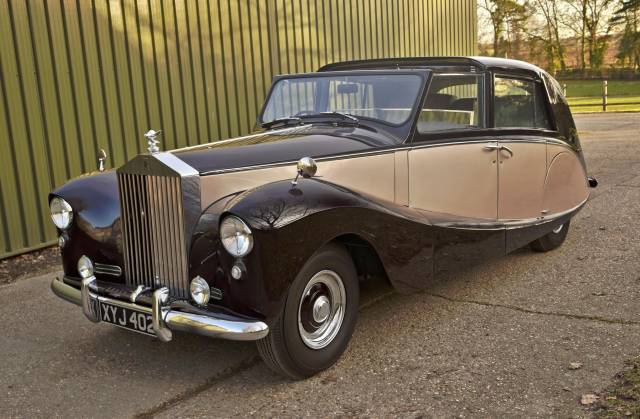
Rolls Royce Silver Wraith Hooper Sedanca
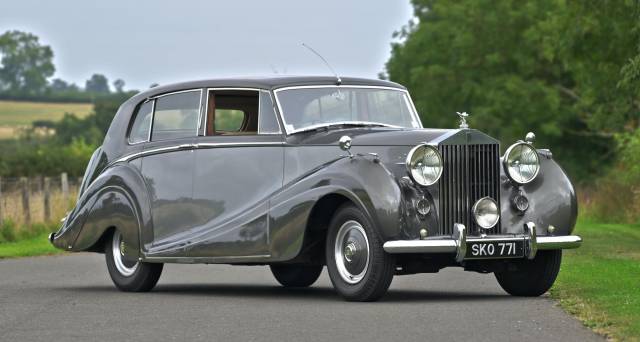
Rolls-Royce Silver Wraith listing references from Classic Trader
Below you will find listings related to your search that are no longer available on Classic Trader. Use this information to gain insight into availability, value trends, and current pricing for a "Rolls-Royce Silver Wraith" to make a more informed purchasing decision.
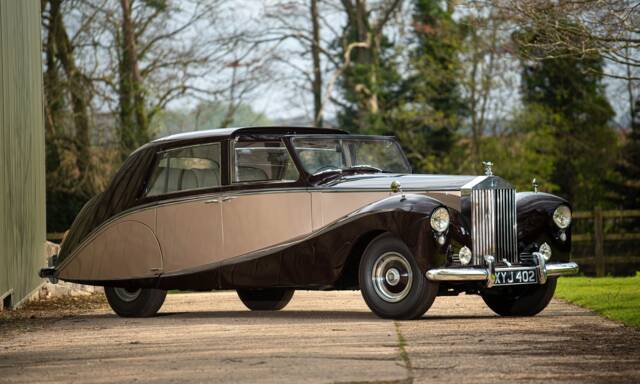
1953 | Rolls-Royce Silver Wraith
1953 Rolls-Royce Silver Wraith Sedanca de Ville by Hooper
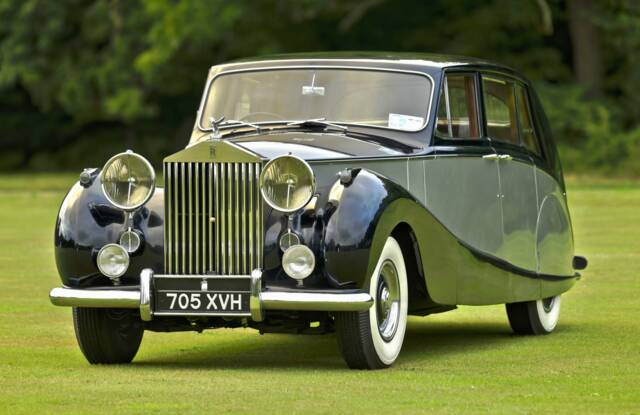
1955 | Rolls-Royce Silver Wraith

1953 | Rolls-Royce Silver Wraith
Rolls-Royce Silver Wraith by Hooper for sale

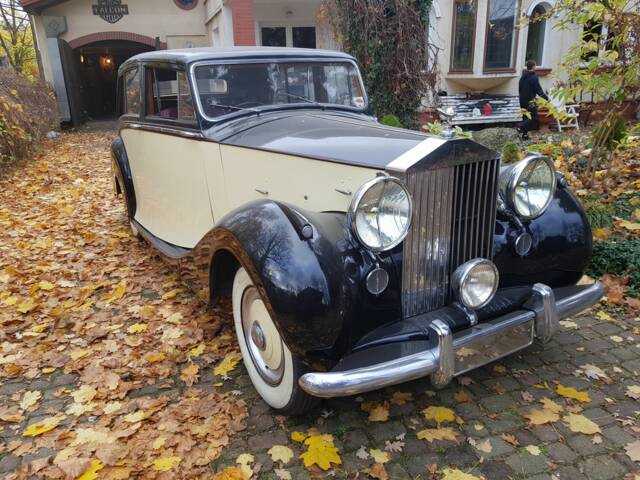
1950 | Rolls-Royce Silver Wraith
Rolls Royce Silver Wraith | 1950 | Route 66 Auctions - For sale by auction. Estimate 35500 EUR
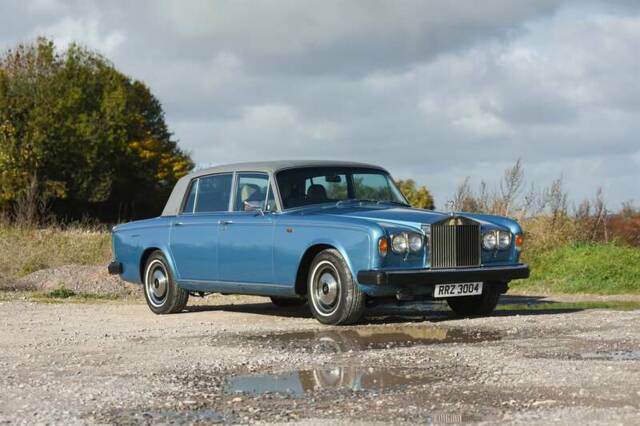
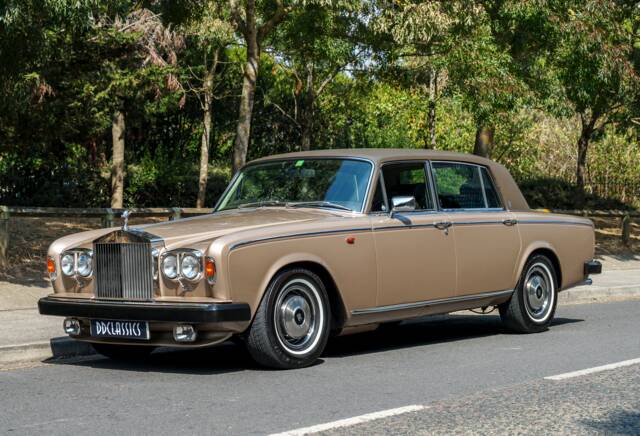
1979 | Rolls-Royce Silver Wraith II
1979 Rolls-Royce Silver Wraith
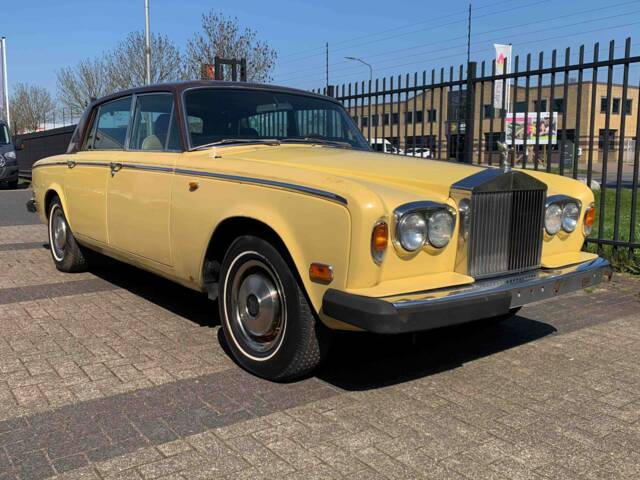
1977 | Rolls-Royce Silver Wraith II
Rolls-Royce Silver Wraith II | 1977 - For sale by auction. Estimate 8950 EUR
Rolls-Royce Silver Wraith Classic Cars: Prices & Market Values
History of the Rolls-Royce Silver Wraith
Introduced in 1946, the Rolls-Royce Silver Wraith marked a fresh start for the company after the tumult of the Second World War. As the direct successor to the pre-war Wraith and the Phantom III, it set new standards in luxury and sophistication, launching from the new Crewe factory, which had previously built engines for military aircraft. The Silver Wraith was supplied as a rolling chassis to renowned coachbuilders like Park Ward, Hooper & Co, and Franay, allowing for a vast variety of custom limousines, convertibles, and saloons — each tailored to the exacting demands of royalty, heads of state, and captains of industry. Throughout its production, the Silver Wraith rapidly became a byword for exclusivity and technical innovation, establishing itself in cinemas, state garages, and palaces across the world.
Model History
Production of the Silver Wraith ran from 1946 to 1958, replacing the Rolls-Royce Phantom III and the original Wraith. Early chassis featured a 127-inch wheelbase, with a longer 133-inch version arriving in 1952. Engine developments started with a 4.3-litre straight-six, followed by incremental enlargements to 4.6 litres in 1951 and finally 4.9 litres in 1954. The model range was initially offered only with a four-speed manual gearbox, with an automatic (General Motors Hydramatic) option introduced from 1952. The Silver Wraith was succeeded in the luxury saloon class by the Silver Cloud, while its name was later revived for the Silver Wraith II, an extended Silver Shadow II variant built from 1976 to 1980.
Highlights of the Rolls-Royce Silver Wraith
Each Silver Wraith features a unique coachbuilt body, reflecting the distinct tastes and requirements of high society clients worldwide. Long and short wheelbase versions existed, with some of the most celebrated designs being the Park Ward Six Light Saloon, Hooper Empress, Franay Cabriolet, and bespoke state limousines. The car’s advanced independent front suspension, refined rear leaf springs, and optional automatic transmission were state-of-the-art in their day. The Silver Wraith’s social prominence is underlined by its use as a ceremonial state car in Ireland, Brazil, Denmark, and the Netherlands.
Technical Data
Special Editions and Coachbuilt Rarities
Many Silver Wraiths are one-offs or ultra-rare bodies by names like Hooper, Park Ward, Franay, and James Young. Especially sought after are cars with famous provenance or unique features — such as state limousines with division screens, extra rear seating, or ceremonial modifications. The extended wheelbase versions, and certain convertibles or cabriolets, are particularly notable among collectors.
Weak Spots and Common Issues
While early Silver Wraiths were praised for their robust engineering, age and bespoke construction can mean that restoration and maintenance require in-depth technical knowledge and access to specialist services. Watch out for wear in the suspension, potential hydraulic or brake system issues on later cars (especially servo units under the Hispano-Suiza patent), and electrical faults — especially in cars heavily modified by coachbuilders. Given many models are custom-bodied, parts availability and sourcing exact trim may require considerable effort. Comprehensive history and documentation, which are common among well-maintained examples, are essential in assessing the car’s present condition.
Engine, Transmission, and Handling
The Silver Wraith’s straight-six delivers smooth, ample torque, particularly with the later 4.9-litre versions. Performance figures of the day were competitive for luxury cars — 0–100 km/h in roughly 10 seconds and top speeds close to 195 km/h, depending on configuration and bodywork. Almost all models feature rear-wheel drive. Post-1952 examples with GM Hydramatic automatics provide a seamless driving experience. Underpinned by an independent front suspension and rear leaf springs, the Silver Wraith set benchmarks for ride comfort, particularly over long distances and rougher post-war roads. - Park Ward Six Light Saloon: Elegant formal saloon, noted for its balanced appearance and luxury appointments.
- Hooper Empress: Flowing coachlines and distinctive styling marks this limited limousine as an outstanding collectible.
- Franay Cabriolet: Open-top grandeur combined with meticulous Parisian craftsmanship.
- State Landaulettes: Extended wheelbase, privacy partition, and armoured glass – tailored for royal and presidential duties.
Interior, Comfort, Exterior and Design
Silver Wraith interiors are defined by bespoke luxury — hand-selected leather hides, precision-fitted high-quality woods (often walnut or mahogany), and interiors specified to owner wishes, including folding tables, privacy partitions, and even occasional seats. Externally, the car is a canvas for coachbuilders: from the dignified Park Ward saloons to flamboyant convertibles. Unique paint finishes and rare trims were common, and both left and right-hand configurations were built to suit national preferences. Optional Everflex roofs, split front or panoramic rear windscreens, and chromed embellishments are frequent. Many examples left the factory with period-appropriate accessories, from inlaid wood dashboards to deep-pile Wilton carpets, ensuring individuality in every car.
Other Noteworthy Features
The Silver Wraith’s starring roles in prominent films, including 'From Russia with Love' and 'Arthur,' as well as its state uses, add further distinction to its cultural footprint. Many existing cars boast full documentation, original service books, and detailed histories, enhancing their appeal to discerning buyers and historians alike.
Summary
The Rolls-Royce Silver Wraith embodies a remarkable era of bespoke British luxury motoring, with each car expressing its owner’s taste and status. Its advanced engineering for the period, partnered with unique coachbuilt artistry, guarantees its continued relevance in classic car circles. A Silver Wraith is more than just a vintage vehicle: it is a hand-crafted testament to the exceptional standards Rolls-Royce established in the wake of World War II, appealing to collectors seeking individuality as much as prestige.