- Car
- Rolls-Royce
- Rolls-Royce Silver Ghost (13 offers)
Rolls-Royce Silver Ghost – Buy a Classic Car
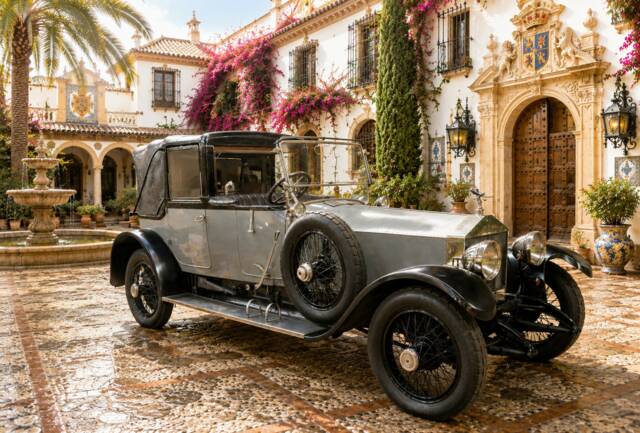
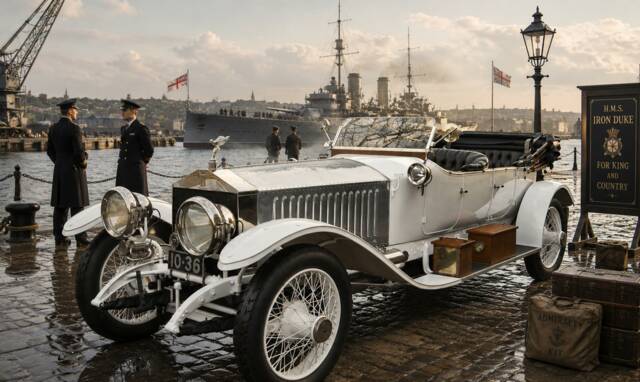
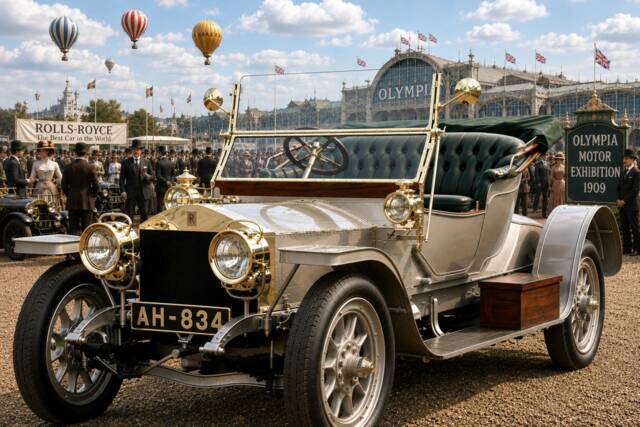
The Rolls-Royce Silver Ghost, produced from 1907 to 1925 as the 40/50 HP, is a masterpiece of Edwardian engineering. Known for its refined six-cylinder engine, near-silent running, and extraordinary reliability, the Silver Ghost defined standards for luxury and mechanical excellence. Over 6,000 examples were crafted, many featuring bespoke coachwork and high-quality materials, making it the benchmark for its era.
Search results
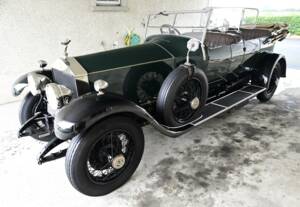
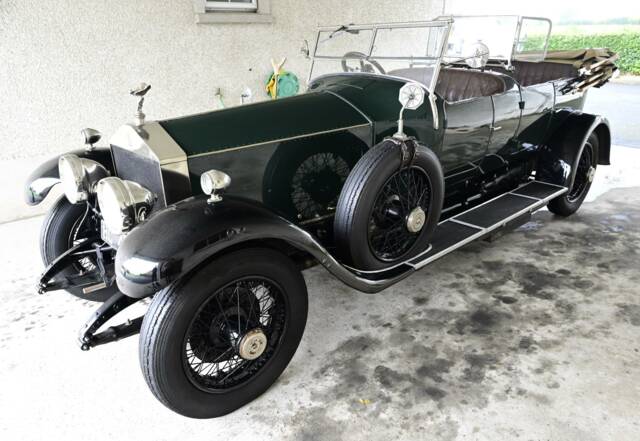

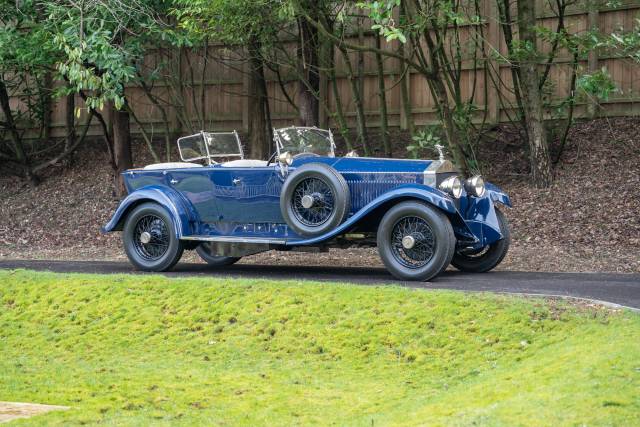
1920 | Rolls-Royce 40/50 HP Silver Ghost
Rolls-Royce Ghost Torpedo
Newsletter
The best Rolls-Royce listings, straight to your inbox
Get hand-picked Rolls-Royce listings, plus the best of cars, motorbikes, and auctions on Classic Trader — all in one place.
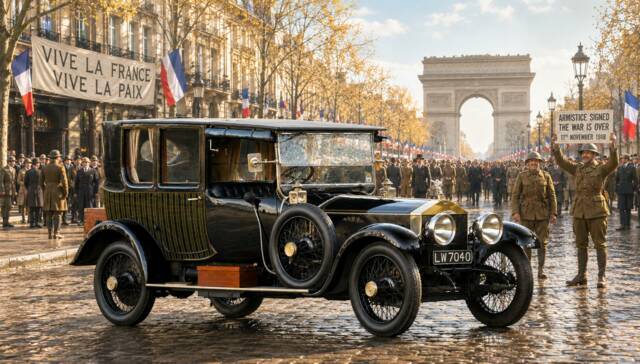
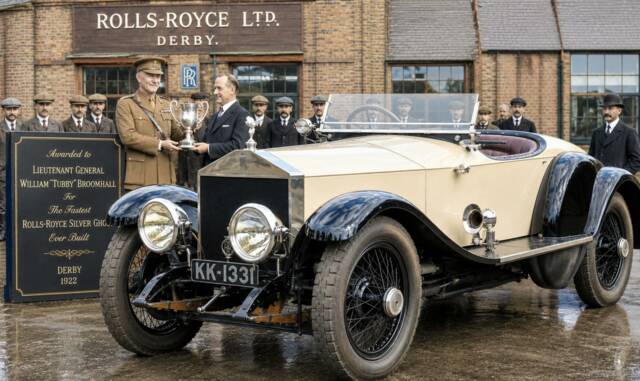
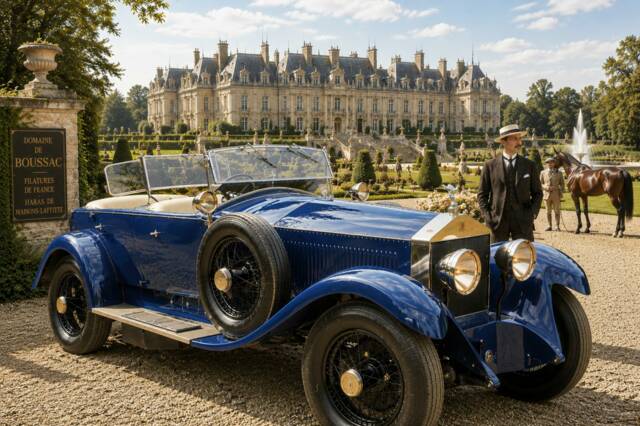
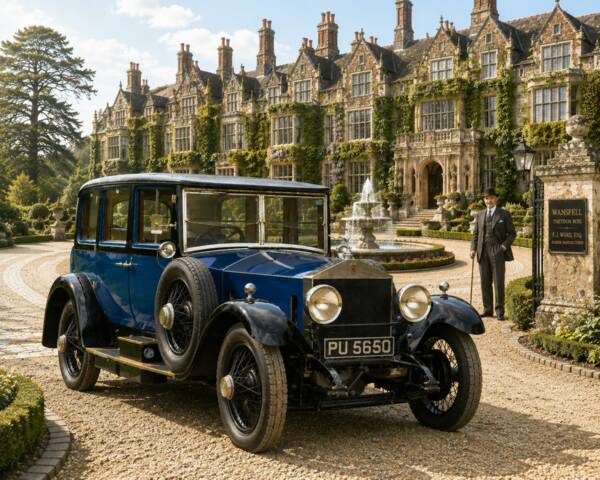
1924 | Rolls-Royce 40/50 HP Silver Ghost
Arthur Mulliner enclosed drive limousine
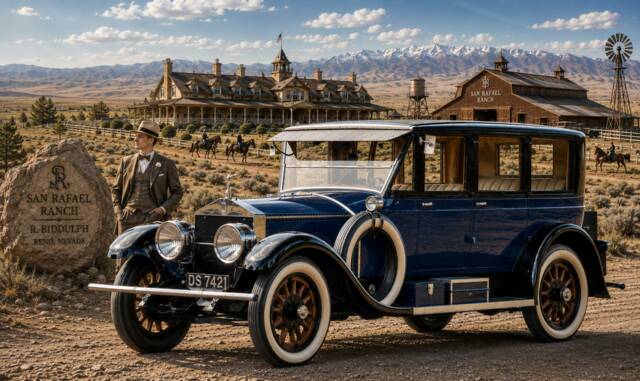
1921 | Rolls-Royce 40/50 HP Silver Ghost
Pickwick Limousine RHD -
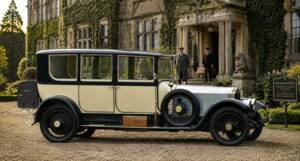
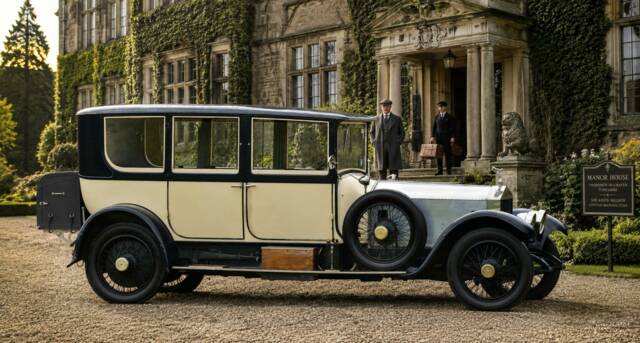
1923 | Rolls-Royce 40/50 HP Silver Ghost
Silver Ghost Limousine
Rolls-Royce Silver Ghost listing references from Classic Trader
Below you will find listings related to your search that are no longer available on Classic Trader. Use this information to gain insight into availability, value trends, and current pricing for a "Rolls-Royce Silver Ghost" to make a more informed purchasing decision.
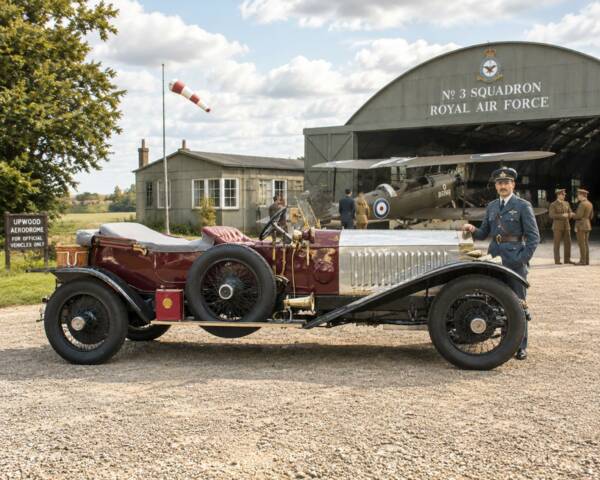
1925 | Rolls-Royce 40/50 HP Silver Ghost
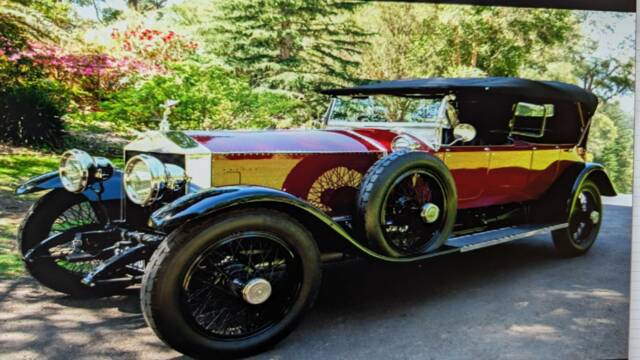
1921 | Rolls-Royce 40/50 HP Silver Ghost
"The Great Gatsby" Car
Rolls-Royce Silver Ghost Classic Cars: Prices & Market Values
History of the Rolls-Royce Silver Ghost
The Silver Ghost story began in 1906 with the debut of the 40/50 HP model, developed to set new standards of reliability and performance for luxury touring cars. This car was a direct response to the frequent mechanical failures that plagued other vehicles at the time. Production started in Derby, England, but expanded to Springfield, Massachusetts, for select years. Its reputation soared following the 1907 production car endurance run, and further cemented in the grueling Austria Alpine Trial of 1913, where a specially equipped Silver Ghost won six awards for consistent performance. During World War I, robust chassis were adapted for military armoured cars. While the Silver Ghost’s engineering was revolutionary at launch, innovations by competitors eventually saw its replacement by the Phantom I in 1925.
Model History
The Silver Ghost, originally badged the 40/50 HP, replaced the earlier 30 HP Royce cars and marked Rolls-Royce’s rise to international acclaim. Unique among its contemporaries, the Silver Ghost featured a six-cylinder engine with cylinders in two groups of three, bypassing the vibration issues that plagued many Edwardian vehicles. Continuous model improvements included the shift from three-speed to four-speed gearboxes and the introduction of electric starting and lighting in 1919. Production spanned nearly two decades, totaling around 6,173 to 6,700 units. Its successor, the Rolls-Royce New Phantom (Phantom I), inherited the platform but featured an updated 7.7-litre engine and four-wheel brakes.
Highlights and Collectibility
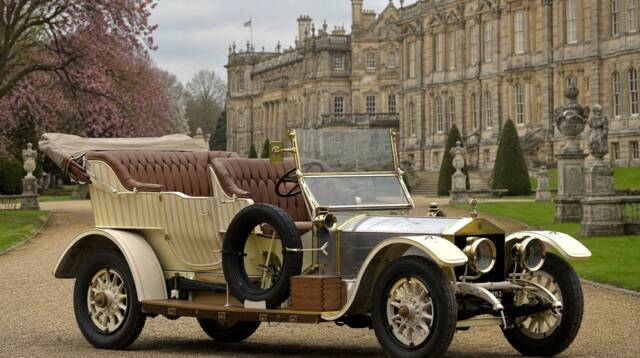
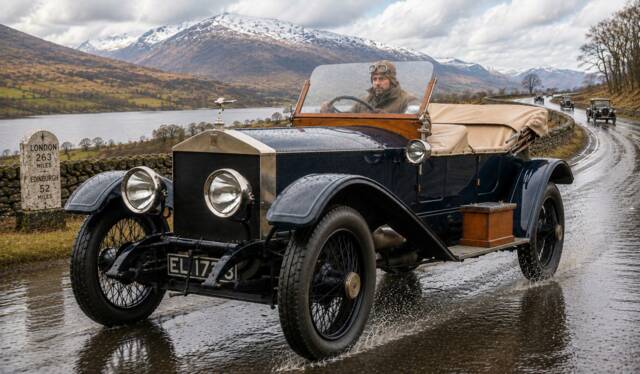
Known for craftsmanship and technical sophistication, the Silver Ghost introduced pressure-fed lubrication, a thoroughly documented crankshaft with seven main bearings, and remarkable noise suppression. Most chassis were delivered to renowned coachbuilders like Barker, Labourdette, and Park Ward, resulting in extremely diverse body styles including Roi des Belges, Landaulet, and Torpedo Tourer. Special editions, such as the London to Edinburgh model, boasted enhanced motors and chassis improvements for high-speed reliability.
Technical Data
Special Editions and Collector Variants
The most renowned Silver Ghost, chassis no. 60551 (AX 201), set standards for quiet operation and outstanding durability. Commissioned by Claude Johnson as a promotional vehicle, it served to demonstrate Rolls-Royce’s build quality worldwide. Another highlight is the 'London to Edinburgh' specification—produced in about 188 examples—which featured uprated engine tuning and unique bodywork for high-performance endurance driving. Armoured Silver Ghosts were supplied for military service in World War I, featuring uprated engines, armoured coachwork, and even a turret-mounted machine gun in some.
Weak Spots and Common Issues
Engineering of the Silver Ghost was ahead of its time, but period materials mean that early cars may show issues with gearbox synchros (especially three-speed units), wear on rear-brake assemblies, and occasional oil leaks from pressure systems. The fixed-head engine avoids head gasket failures common to period multicylinder designs, but careful maintenance of the twin ignition system and lubrication channels is essential. Sourcing replacement tyres (typically 700 x 21 inches) and period-correct electrical components like Elliott Brothers instruments or ‘King of the Road’ lighting sets may present challenges—specialist suppliers and experienced restorers are invaluable. Chassis lubricants and clutch materials must be kept authentic for proper operation and preservation.
Engine, Performance and Driving Characteristics
The Silver Ghost’s large-displacement, side-valve inline-six delivered unmatched smoothness, with a distinctive reputation as 'the best car in the world' thanks to its near-silent running. Acceleration and top speed varied with body style, but factory chassis could tour comfortably at 60–80 km/h—a remarkable feat for their time. The lack of front brakes till much later models and hefty, overbuilt frames gave a stately, measured driving experience reflective of Edwardian technology. Enthusiasts celebrate the London to Edinburgh cars for their high-geared, long-distance prowess, where increased torque and a four-speed gearbox rewarded experienced drivers on extended trips. - AX 201 – the Silver Ghost prototype
- London to Edinburgh series – for its endurance improvements
- Armoured variant – for its historical significance in WWI
Design, Comfort and Details
Silver Ghosts were mostly supplied as rolling chassis—bodywork was chosen by buyers and crafted by elite coachbuilders to match personal taste and requirements. Signature designs include the Roi des Belges tulip-shaped rear seats, Salamanca Cabriolets, and opulent landaulets with polished wood, real leather, and period nickel-brass or chrome detailing. The period aesthetic leaned towards silver or grey paint finishes lined with cream or gold. Many had bespoke accessories like Elliott Brothers instruments, Tiffany dashboard clocks, and custom luggage trunks, underlining the absolute luxury expected by their clientele.
Further Relevant Facts
Each Silver Ghost is distinguished by its unique chassis and engine numbers, fully documented through Rolls-Royce build sheets, allowing their provenance to be traced in detail. Most surviving cars have their history chronicled in published specialist literature like 'The Edwardian Rolls-Royce'. High survival rates mean many Silver Ghosts continue to attend classic tours and concours. Originality and period-correct restoration are central in the current collector scene.
Summary
The Rolls-Royce Silver Ghost stands as a benchmark of Edwardian engineering and luxury, combining enduring reliability, unparalleled comfort, and a bespoke approach to design. With complete documentation, high survivor rates, and a historic pedigree highlighted by the AX 201, it remains a reference point both in classic car collections and among connoisseurs of pre-war automobiles.