Plymouth Road Runner classic cars for sale
The Plymouth Road Runner stands out as a heavyweight amongst American muscle cars, combining raw V8 power with a stripped-back, driver-focused concept. From the cartoon character-inspired name and unique "Beep Beep" horn, to its motorsport roots and collectable special editions, the Road Runner defines an era of unfiltered mechanical performance. Enthusiasts will find everything from the first, purist models to the extreme Superbird variant on offer, each with their own technical and design highlights.
Search results

1971 | Plymouth Road Runner
Vienna Calling - coming soon
Preview

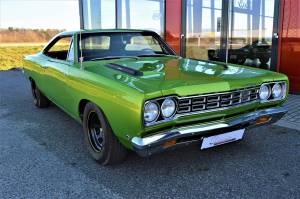
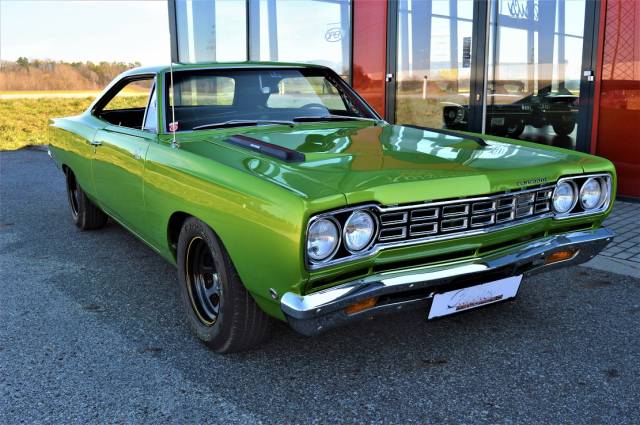
1968 | Plymouth Road Runner Hardtop Coupe
Plymouth Road Runner „Snake Skin Green“
Auctions ending soon

Loading…
Loading…
Loading…
Loading…
Plymouth Road Runner listing references from Classic Trader
Below you will find listings related to your search that are no longer available on Classic Trader. Use this information to gain insight into availability, value trends, and current pricing for a "Plymouth Road Runner" to make a more informed purchasing decision.
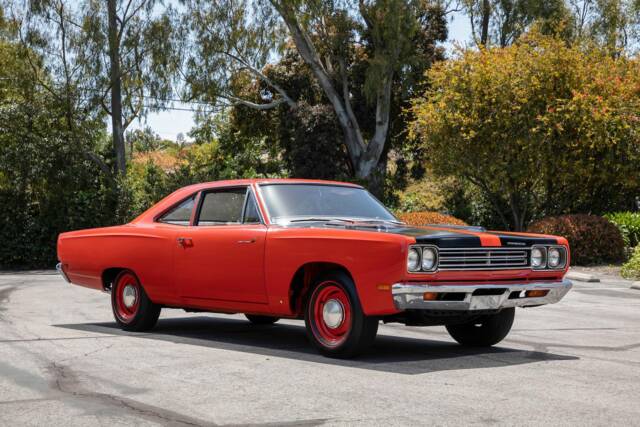
1969 | Plymouth Road Runner 426 Hemi
Plymouth Road Runner | 1969 | Route 66 Auctions - For sale by auction. Estimate 65500 EUR

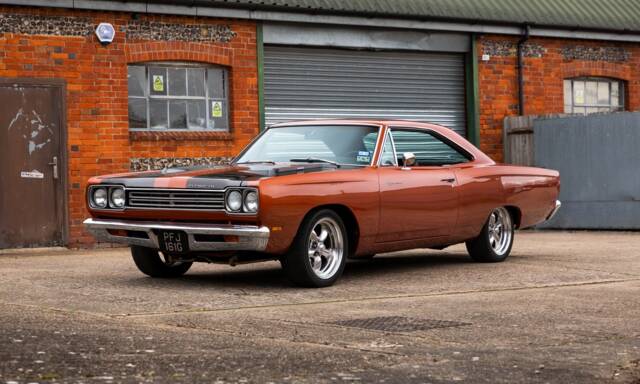
1969 | Plymouth Road Runner 440
1969 Plymouth Roadrunner

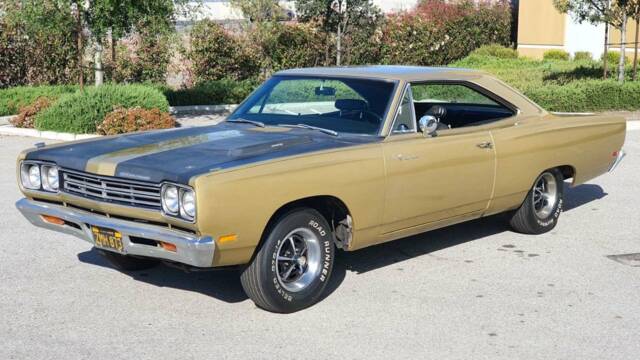
1969 | Plymouth Road Runner 383
Plymouth Road Runner Survivor Roadrunner California Tüv H

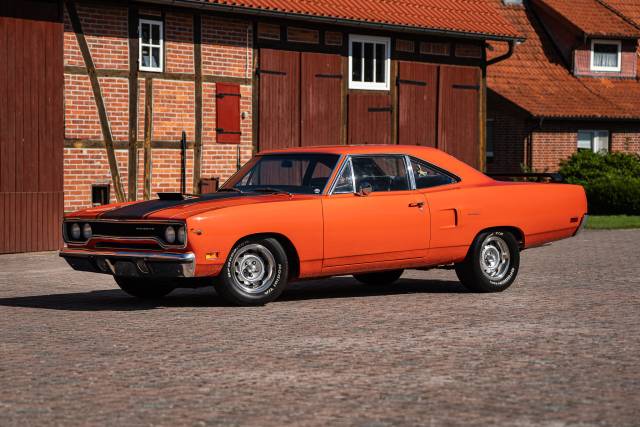
1970 | Plymouth Road Runner 383
Mit Airgrabber, Vitamin C Orange, BeebBeeb
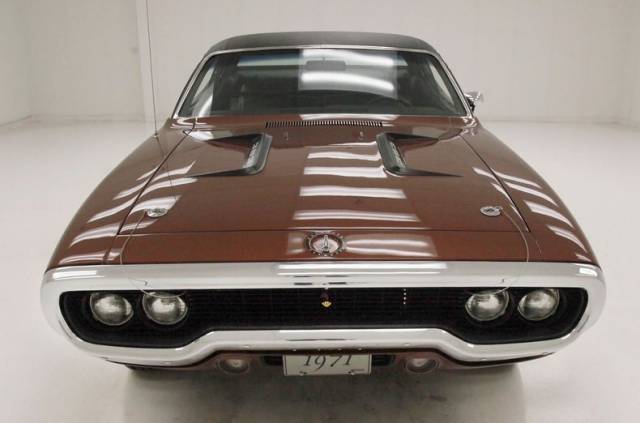
1971 | Plymouth Road Runner
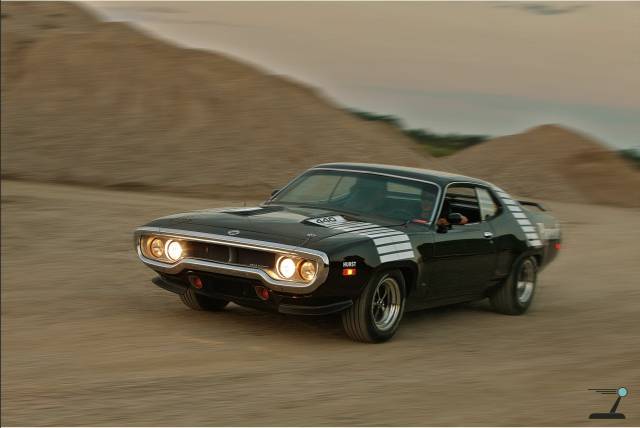
1972 | Plymouth Road Runner
Road Runner GTX
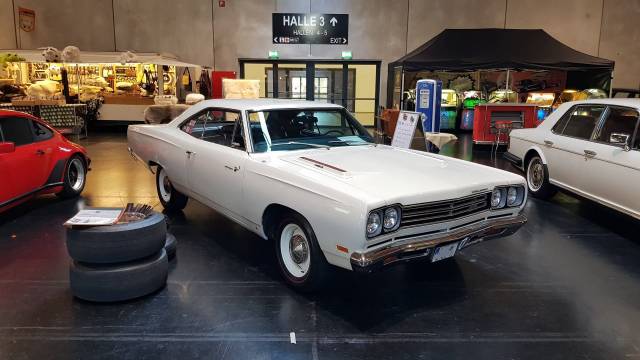
1969 | Plymouth Road Runner 426 Hemi
The #white Elephant#
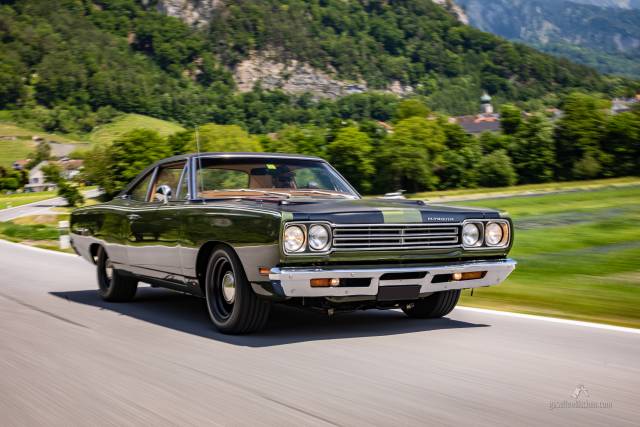
1969 | Plymouth Road Runner 383
One of One - Certified Galen Govier Registry Car

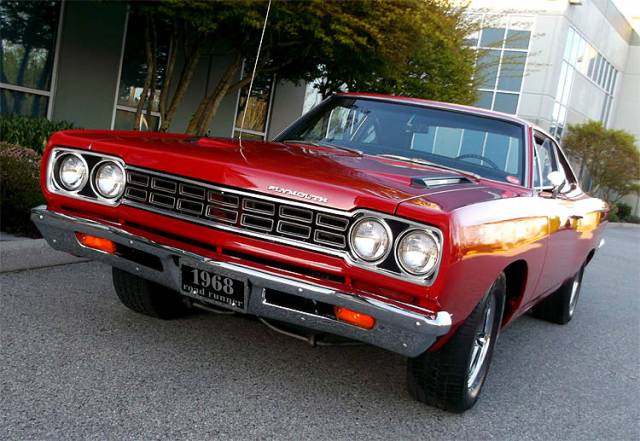
1968 | Plymouth Road Runner Hardtop Coupe
SOLD
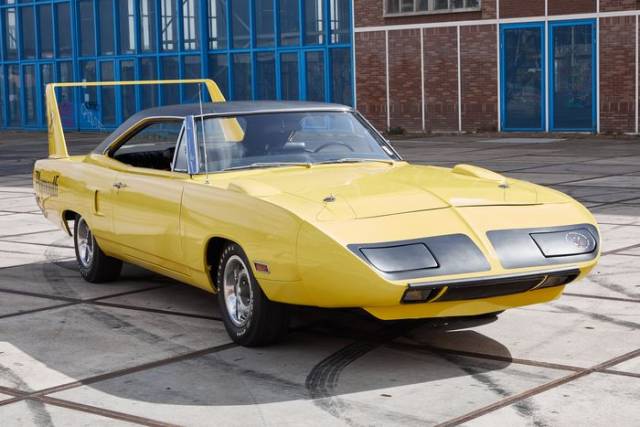
1970 | Plymouth Road Runner Superbird
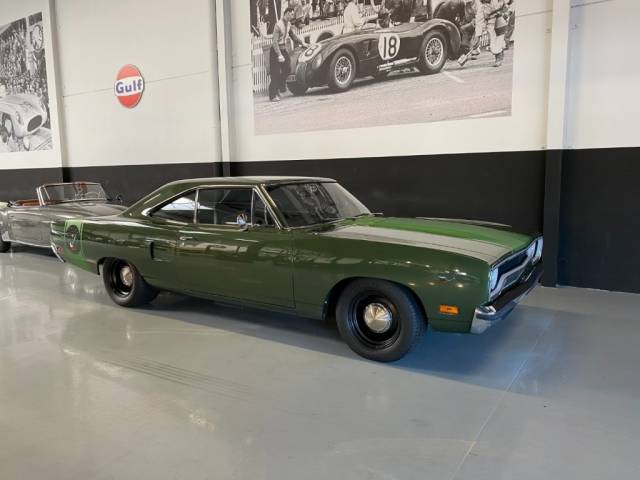
1970 | Plymouth Road Runner 383
Roadrunner 383 V8 Body Off Restored
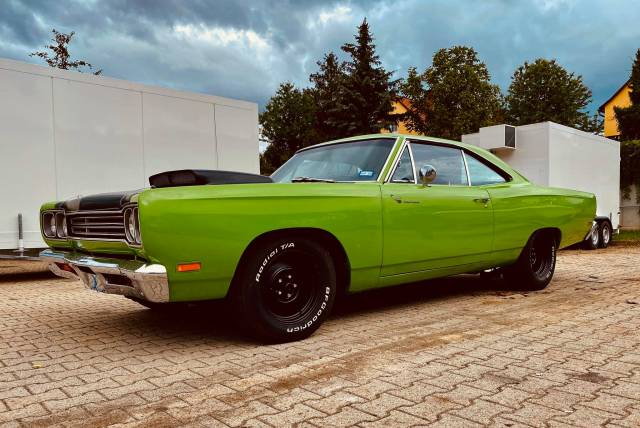
1969 | Plymouth Road Runner 383
REAL RM23 - 4 speed manual Hurst Pistol Grip Shifter "A12 tribute" full RESTO!
Plymouth Road Runner Classic Cars: Prices & Market Values
History of the Plymouth Road Runner
The Plymouth Road Runner launched in 1968 as Plymouth’s response to the rising costs and increasing luxury trim of muscle cars like the Pontiac GTO. Developed on the Belvedere platform, and named after the Road Runner cartoon (Plymouth paid $50,000 for naming rights and added the character throughout the car’s branding), it set itself apart with basic interior trim and focus on potent engines. Originally released as a coupe, later years added hardtop and limited convertible variants. The cartoon theme extended to the unique 'Beep Beep' horn, developed for the car at a cost of around $10,000. The Road Runner's initial sales success was notable: over 45,000 units sold in the first year alone, far surpassing Plymouth’s own targets. The car was continually updated in response to market trends, safety regulations, and the ongoing horsepower wars, remaining in production through to 1980. Notably, the model received industry recognition in 1969 when it was awarded Motor Trend’s Car of the Year, underlining its impact on the era's muscle car narrative.
Model history and series development
The Road Runner’s first series (1968-1970) retained a strong mechanical focus, housing engines up to the 426 HEMI and featuring design cues like the beak-like grille and signature decals. In 1970, the Superbird entered: an aerodynamically reworked homologation model for NASCAR, instantly distinguishable by its nose cone and towering rear wing. The second generation (1971-1974) saw a move to rounder, more modernised bodywork, partly in response to tightening emissions and insurance restrictions. Engine output dropped over these years—from 383-cid and 425 hp HEMI options to 400-cid and detuned 440-cid powerplants. In 1976, the Road Runner name lingered only as a trim package on the Volare and Valiant, paired now with more modest V8s and less focus on performance. This continued until 1980, after which the Road Runner was discontinued with no direct successor.
Highlights and special features
The Road Runner is known for its budget-focused approach—powerful engines, minimal luxury trim, and a direct driving experience. Plymouth's investment in the Warner Bros. Road Runner imagery led to unique badges and the famous 'Beep Beep' horn. Technical highlights include a range of big block V8s (notably the 383, 440, and legendary 426 HEMI in rare models), multi-carburettor "Six Pack" setups, and performance equipment like the Hurst Pistol Grip shifter on 4-speed cars. The Superbird edition became infamous for its extreme aero work and direct motorsport connection. Throughout production, distinctive colours, hood scoops, body stripes, and 'Coyote Duster' air intakes gave the Road Runner unmistakable character. Interior options varied from no-frills vinyl bench seats to stylish sports interiors in later years.
Technical data
Special Editions and rare models
The 1970 Road Runner Superbird is the standout special edition—a car built for NASCAR homologation, featuring aerodynamic fibreglass nose, pop-up headlights, and towering rear spoiler. Production numbers were strictly limited (approx. 1,920 units), making it exceptionally sought-after. The 426 HEMI engine, fitted in only a handful of Road Runners, is recognised as the most exclusive and high-performance configuration—some variants noted as "1 of 2 built". Various "Six Pack" models (with triple-carburettor 440 engines) and the GTX package add further collector value. The convertible (built only in 1969, roughly 2,000 examples) is now a rare find.
Weak spots and typical problems
Buyers should be aware of year-specific features—early models used drum brakes all round, which can require upgrades. Non-assisted steering and brakes mean greater physical effort and maintenance requirements. Engine longevity is excellent for the 383 and 440 big blocks if maintained, though wear can occur on timing chains and heads. Rust is an issue in floor pans, lower fenders, and the boot. Electrical systems on 1970s models, especially switchgear and cluster lighting, can present problems. Attention to matching numbers and original driveline components is paramount for collector value. Later cars suffered from loss of performance due to lower compression engines and emissions gear—caution is advised when searching for unmodified or high-output examples.
Engine, transmission, and driving experience
The Road Runner delivers a direct, unfiltered muscle car experience. With big block V8s up to 425 PS, straight-line speed is explosive—quarter mile times of 14 seconds were accessible to the HEMI variants. Early models required robust driver input: heavy clutch, manual steering, and simple leaf-spring rear suspension. The Hurst shifter and 'Sure Grip' rear axles offered maximum mechanical connection. Later 1970s cars were more subdued due to emissions limits, but still retained their sporting DNA. The Superbird’s aero aids gave it exceptional high-speed stability, particularly on oval circuits. Suspension remained basic but durable, matching the car’s no-nonsense philosophy. - 1969 Road Runner Convertible: Only ~2,000 built, highly prized.
- 1970 Road Runner Superbird: NASCAR homologation special, extreme aero and rare HEMI engine options.
- 1971-72 Road Runner: Recognisable for rounded body, 400 and 440 V8s, still strong performance.
- 'Six Pack' 440 models: Multiple carburettors and race-influenced setups.
- Matching Numbers HEMI: Ultimate rarity, peak performance.
Interior, comfort, exterior and design features
Road Runner interiors focus on driver essentials—vinyl benches, straightforward dashboards with full analogue cluster, and limited luxury trim. Sport steering wheels and pistol-grip shifters appear in higher trim or performance versions. Exterior design changed from sharp, aggressive lines (especially the beak-like grille and body stripes) in the first generation, to rounder, more aero-influenced bodies from 1971. Factory paint offerings were bold: Sassy Grass Green, Lemon Twist, Burnt Orange. Distinct vinyl tops, blackout hood treatments, and cartoon decals reinforce the model's unique persona. The Superbird is instantly recognisable for its race-derived nose and huge rear wing. Factory wheels included Magnum 500s, OE steelies with chrome rings, and raised letter tyres. Period accessories include AM radios, unique horn sounds, and optional sports seats.
Other features and trivia
The Road Runner’s VIN and "matching numbers" are key factors for collectors; original drivetrain cars with rare engines or trim attract premium value. Race success, particularly in NASCAR (through the Superbird and other entries), enhances its historical standing. The 'Coyote Duster' air cleaner and the cartoon branding (including the famous decals and special horn sound) have become cult elements in automotive culture. Many cars were built in Plymouth plants across Michigan, Missouri, and Los Angeles. Aftermarket upgrades are popular, but originality remains a critical value factor.
Summary
The Plymouth Road Runner is the epitome of the classic American muscle ethic—engineered for straight-line speed, stripped of excess weight, and marked by a playful connection to pop culture. With a wide variety of engines, transmissions and body styles, as well as several high-value special editions, it caters to a range of classic car enthusiasts. Outstanding market demand and availability, combined with a unique driving experience and historical motorsport impact, make the Road Runner a defining car for the golden age of muscle. Buyers should always verify originality and configuration to secure the best examples.