- Car
- Mercedes-Benz
- Mercedes-Benz 300 (63 offers)
Mercedes-Benz 300 Classic Cars for Sale
The Mercedes-Benz 300 marks an era of absolute technical and luxury leadership in post-war automotive history. From commanding state limousines and handcrafted coupés to groundbreaking sports saloons with mechanical injection, the 300 series embodies engineering ambition, high craftsmanship and exceptional exclusivity across all its variants.
Search results
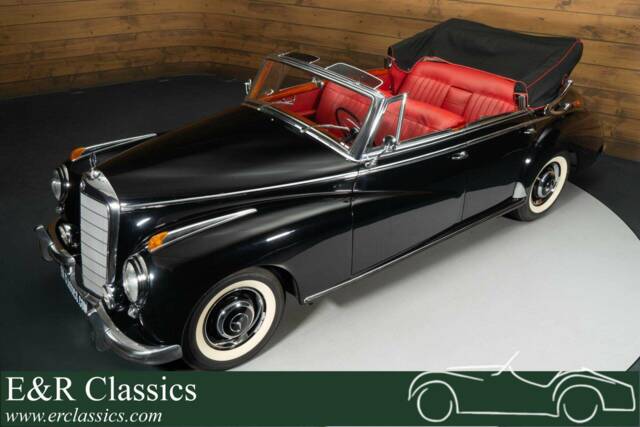
1955 | Mercedes-Benz 300 b Cabriolet D
Mercedes-Benz 300

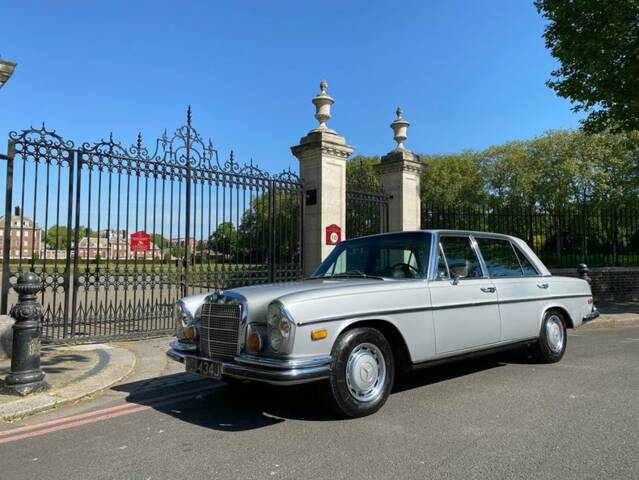
1971 | Mercedes-Benz 300 SEL 6.3
1971 Mercedes-Benz 300SEL 6.3

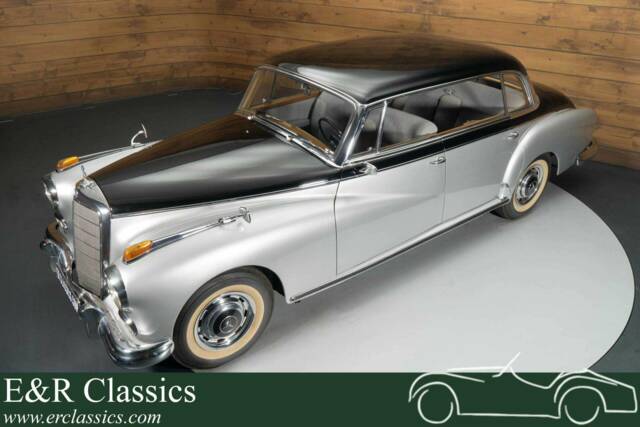
1962 | Mercedes-Benz 300 d
Mercedes-Benz 300
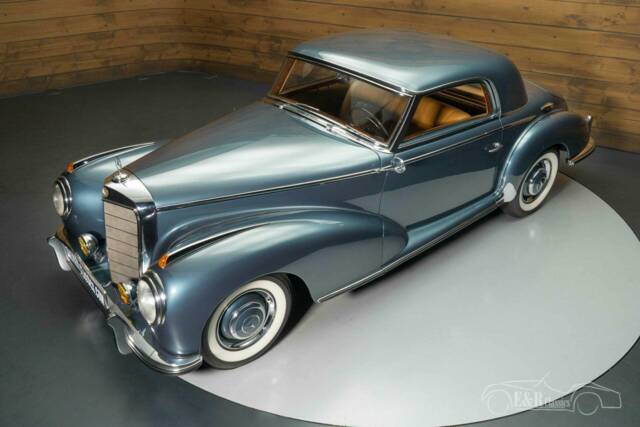
1953 | Mercedes-Benz 300 S
Mercedes-Benz S 300
Newsletter
The best Mercedes-Benz listings, straight to your inbox
Get hand-picked Mercedes-Benz listings, plus the best of cars, motorbikes, and auctions on Classic Trader — all in one place.
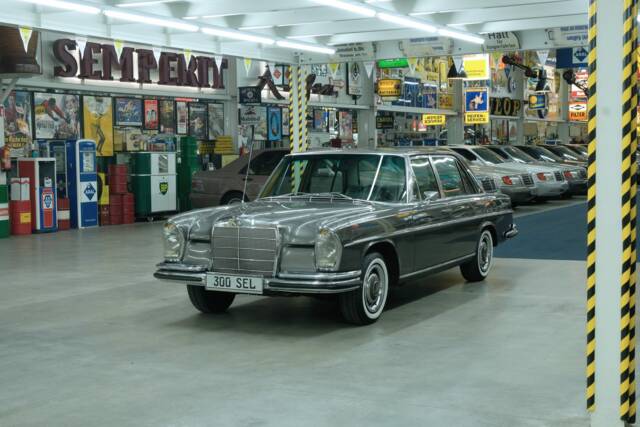
1967 | Mercedes-Benz 300 SEL
1967 Mercedes-Benz 300 SEL · anthrazitgrau-metallic · 92.000 km · Automatic · No reserve

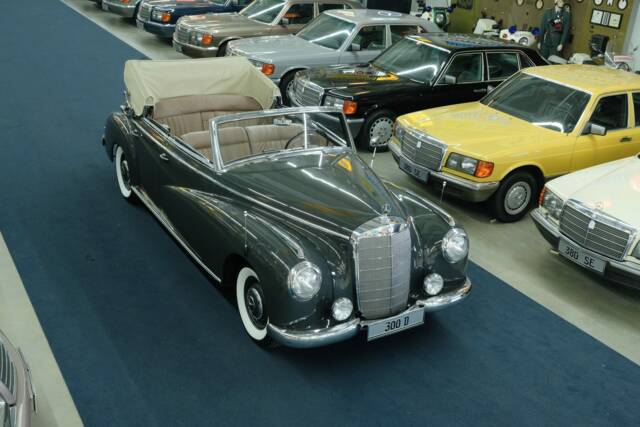
1952 | Mercedes-Benz 300 Cabriolet D
1952 Mercedes-Benz 300b Cabriolet D · graphitgrau · 52.000 km · Automatic · No reserve
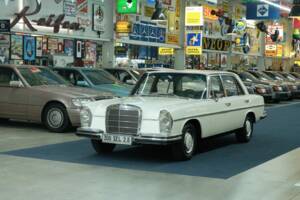
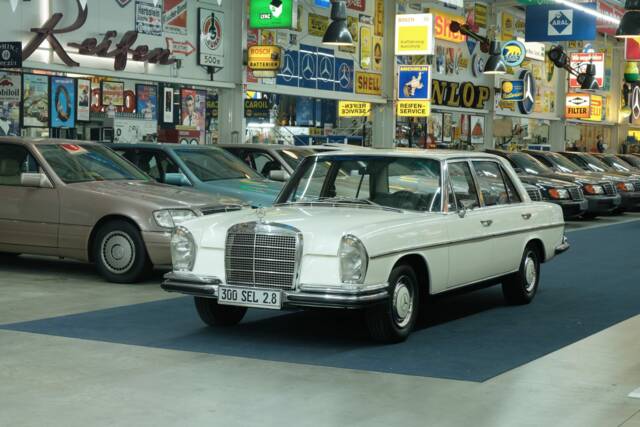
1968 | Mercedes-Benz 300 SEL
1968 Mercedes-Benz 300 SEL 2.8 · weiß · 67.000 km · Automatic · No reserve
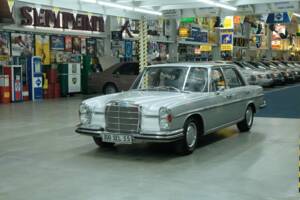
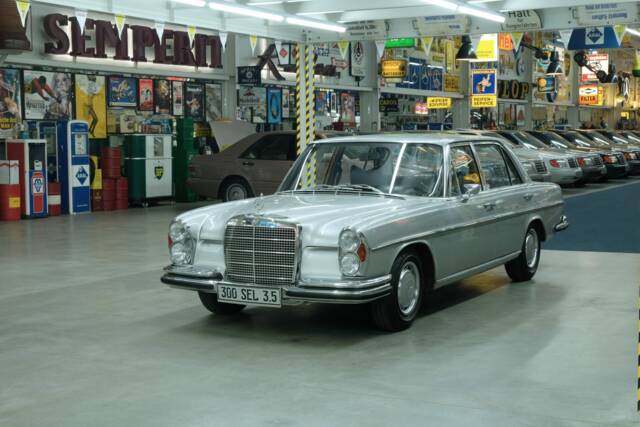
1972 | Mercedes-Benz 300 SEL 3.5
1972 Mercedes-Benz 300 SEL 3.5 · astralsilber-metallic · 101.000 km · Automatic · No reserve
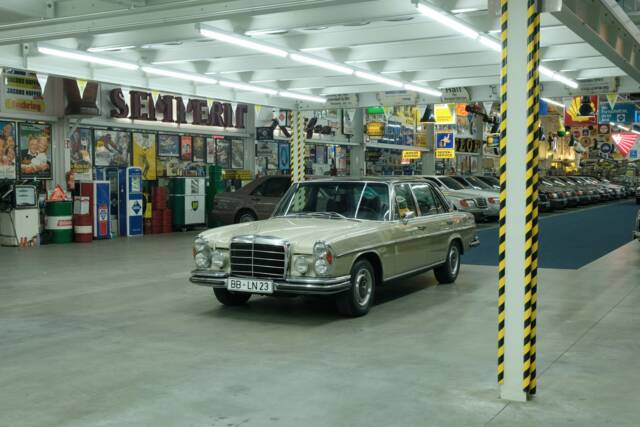
1968 | Mercedes-Benz 300 SE 6.3 "Wilfert"
1968 Mercedes-Benz 300 SE (6.3) “Wilfert” · tunisbeige-metallic / bronzebraun-metallic · 163.000 km · Automatic · No reserve
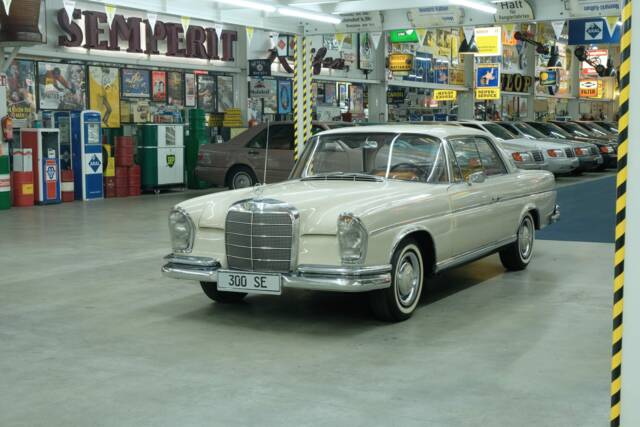
1966 | Mercedes-Benz 300 SE
1966 Mercedes-Benz 300 SE Coupé · hellbeige · 119.000 km · Automatic · No reserve
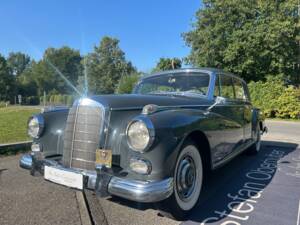
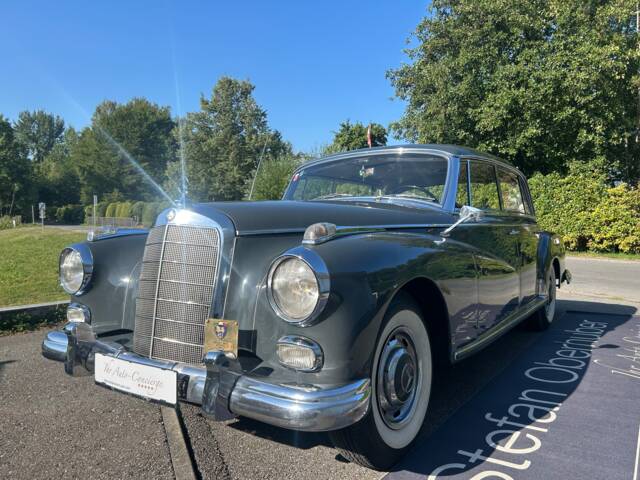
1958 | Mercedes-Benz 300 d
"Adenauer", predominantly original condition!
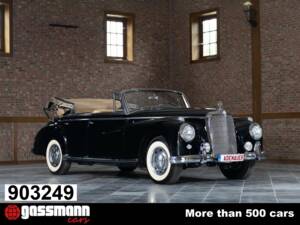
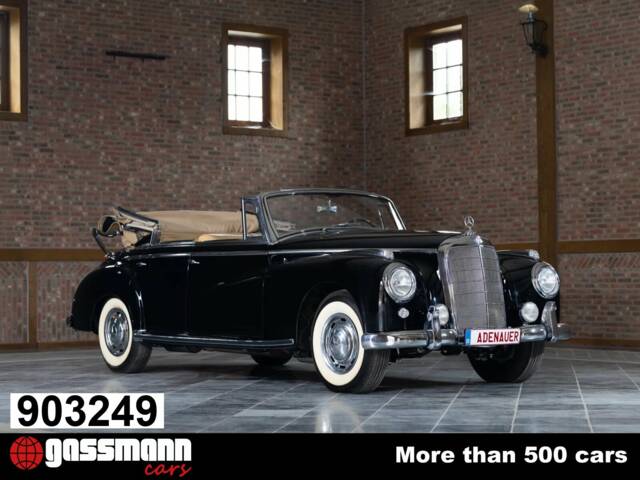
1956 | Mercedes-Benz 300 c Cabriolet D
300 C Adenauer D Cabriolet W186 - 1 von nur 51

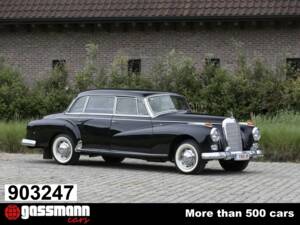
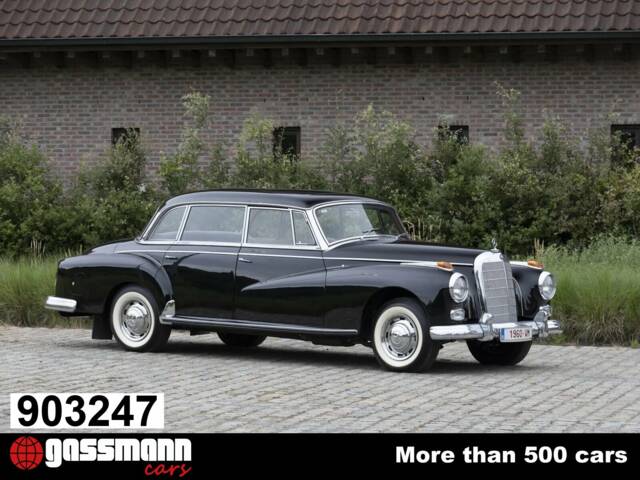
1960 | Mercedes-Benz 300 d
300 D Adenauer Limousine mit Schiebedach W189
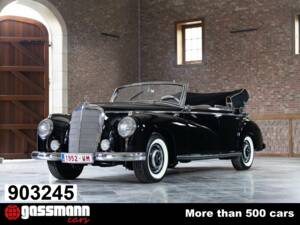
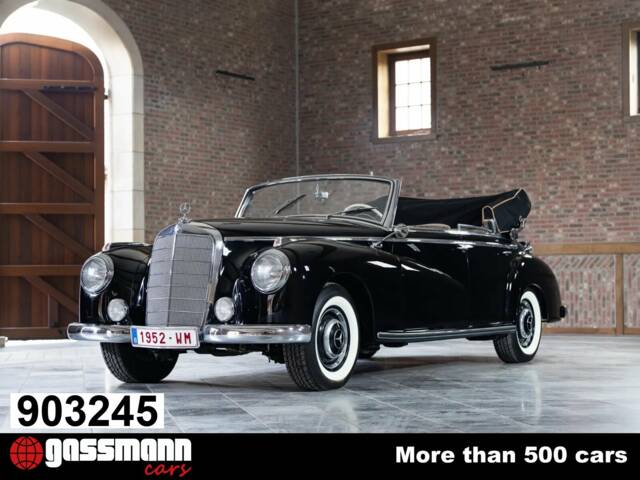
1952 | Mercedes-Benz 300 Cabriolet D
300 Adenauer Cabriolet W186
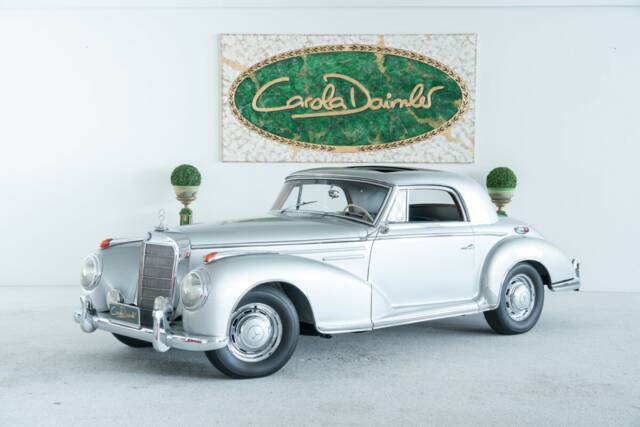
1956 | Mercedes-Benz 300 Sc Coupé
Mercedes-Benz 300 Sc Coupé (W188 II)
Mercedes-Benz 300 Classic Cars: Prices & Market Values
The market value of Mercedes-Benz 300 classic cars is primarily determined by the specific manufacturer code and variant, as well as technical condition, originality and mileage. Additional factors include rarity, history and documentation. A well-maintained, largely original vehicle with low, verifiable mileage and complete history including appraisals and documentation typically achieves significantly higher prices than a comparable vehicle with deferred maintenance, many modifications or unclear provenance.
Mercedes-Benz 300: Market Prices & Value Trends
Based on sales data from the Classic Trader marketplace, the Mercedes-Benz 300 category shows a broadly stable-to-firm market across the period 2021 to January 2026, with values primarily driven by body style and rarity rather than short-term swings. In Europe, German and Benelux offerings dominate the data and illustrate two distinct tiers: later luxury saloons such as the 300 SEL/300 SEL 3.5 (late 1960s–early 1970s) commonly sit in the mid-market, while the “Adenauer” 300/300b/300d and especially the 300 S/Sc cabriolets and roadsters (early-to-mid 1950s) command premium prices. Excluding obvious outliers and one-off anomalies, a realistic overall market range is roughly €40,000 to €250,000, covering most presentable driver-quality examples through strong restored cars. At the top end, rare 300 S/Sc Cabriolet and Roadster variants repeatedly appear well above €400,000, reflecting scarcity, craftsmanship, and blue-chip collectability. For buyers, this means saloons remain comparatively accessible, while open cars continue to underpin long-term appreciation.
History of Mercedes-Benz 300
The Mercedes-Benz 300 debuted at the 1951 Paris Motor Show, becoming a benchmark for post-war German luxury. Known informally as the 'Adenauer' after its most famous user, Chancellor Konrad Adenauer, the initial W186 set standards for state and business motoring with a 3.0-litre straight-six engine and a robust, separate chassis. Developed throughout the 1950s and 1960s, the 300 range expanded into highly exclusive coupés, cabriolets, and roadsters (W188), advanced fuel-injected limousines (W189), and finally the technologically pioneering W112/W109 series with air suspension and high-performance V8 engines. Each generation elevated technical excellence and comfort, defining the prestige segment internationally.
Model Series Development and Evolution
The 300 series began with the W186 'Adenauer', running from 1951 to 1957. In parallel, the 300 S/Sc (W188, 1951–1958) captured the pinnacle of handcrafted luxury as coupé, cabriolet, and roadster, with shortened chassis and triple-carburettor or direct-injection engines. The W189 '300d' (1957–1962) furthered luxury and innovation with Bosch mechanical injection and pillarless hardtop design. The W112 300 SE (1961–1965) introduced air suspension and was available as coupé and cabriolet, instantly recognisable by lavish chrome details. The W109 (300 SEL, 1965–1972) brought the long-wheelbase and air suspension to the fore and was later equipped with powerful M100 V8s, establishing the template for performance luxury saloons. Successors to the 300 included the renowned 600 (W100) and the evolving S-Class series.
Defining Features and Notable Statistics
Across its lifespan, the Mercedes-Benz 300 series was consistently at the forefront of luxury engineering and technical innovation. Its separate frame construction, powerful straight-six and later V8 engines, and advancements like mechanical fuel injection as early as 1957, air suspension, and automatics set benchmarks for comfort and reliability. Leather interiors, rare wood veneers, and extensive chromework defined the hand-built S/Sc models, of which very few were produced – for instance, only 216 300 S coupés and 49 300 Sc Cabriolet As exist. The 300 SEL 6.3 (W109) established the high-performance luxury saloon segment.
Technical Data
Special Editions and Collector Variants
The 300 S/Sc series (W188) stands as the ultimate hand-built Mercedes of the 1950s, with minimal production numbers and tailored options such as custom armrest, writing desk, or partition for state and diplomatic use. The 300 SEL 6.3 (W109) represents one of the first genuine high-performance saloons, earning accolades for outpacing sports cars of its era. Very rare Cabriolet D (W186/W189) and Cabriolet A/C/R variants command top interest among collectors due to their extreme scarcity, such as only 53 300 Sc roadsters ever built. Many models were specified with state features—such as partition screens, flag holders and auxiliary heaters—for official service.
Weak Points and Maintenance Considerations
Comprehensive data on common issues is limited, but the advanced engineering and complex mechanical systems—especially air suspension (W112/W109), Bosch fuel injection (W189, W188 Sc), and automatic gearboxes—require skilled maintenance and genuine parts availability. Bodywork, especially on rare cabriolets and hand-built models, demands specialist repair. Documentation, originality, and matching numbers are critical for market value; incomplete history or poorly executed restorations can severely affect desirability and value. Routine inspection of hydraulic/electric systems, chassis integrity and restoration quality is strongly advised for any Mercedes 300 purchase.
Performance, Engine, and Handling
The Mercedes-Benz 300 series covered an unusually broad dynamic spectrum for its time. Early W186 sedans offered 115–180 PS, reaching up to 170 km/h; the direct injection in the W189 furthered both performance and efficiency. The 300 S/Sc delivered up to 175 PS, quickening pace to around 180 km/h, underpinned by sophisticated rear axle design for stately yet predictable handling. The W112 and W109 (SEL) models, particularly with the M100 V8 in the 6.3, set new benchmarks: up to 250 PS, 0–100 km/h in 6.5 seconds, top speed 225 km/h—absolute leadership for luxury cars of the era. Air suspension (W112/W109) provided a new level of comfort and road holding for Autobahn travel. 1. W109 300 SEL 6.3 – 6.3-litre V8, 250 PS, automatic, top speed 225 km/h. 2. W112 300 SE – 160/170 PS light-alloy inline-six, 4-speed automatic, air suspension. 3. W189 300d – 160 PS, direct injection, pillarless design, available automatic. 4. W188 300 Sc Roadster/Cabriolet/Coupé – 175 PS, direct injection, lowest production numbers, full bespoke interiors.
Design and Specification, Interior and Accessories
Design was overseen by Hermann Ahrens, and later by Karl Wilfert, among others. Exteriors featured imposing, upright proportions, large chrome radiators and intricate bumpers. W188 models in particular were fitted with rare paint colours and extensive chrome. Interiors are distinguished by rare exotic woods (Makassar, Rosewood, Walnut), deep pile carpets and multi-tone, high-grade leather hides. Details like period-correct Becker radios, original toolkit and even a rear writing desk—usually supplied for state limousines—underscore the bespoke nature. Accessories include sun blinds, partition windows (especially for 'Adenauer' models), custom monograms, flag mounts and state insignia. Many cars left the factory with unique specifications tailored to their original owners, be they heads of state, Hollywood stars, or industrialists.
Other Noteworthy Features
Several models—especially the W109 SEL 6.3 and W112 300 SE—offered features that were advanced for their time, including climate controlled heating, full power windows, and even eight-track players. Custom features for diplomatic or governmental use, such as flag mounts and security partitions, were not uncommon. The separate frame chassis in earlier models offers unique restoration opportunities (and challenges), and Mercedes' focus on passive safety with the 'Ponton' and subsequent body structures was groundbreaking for their day.
Summary
The Mercedes-Benz 300 series represents a milestone in engineering and luxury, from the imposing Adenauer state limousines to the rarest hand-crafted coupés and pioneering high-performance saloons. Low production numbers, complex engineering, and outstanding craftsmanship define each variant. The technical and historical significance, as well as continued demand across Classic Trader listings—especially for W109 and W112 models—affirm these as reference points in classic luxury motoring. A Mercedes 300 is never generic: each example is a unique and tangible emblem of mid-century engineering prowess, status, and technological progress.