- Car
- Mercedes-Benz
- Mercedes-Benz 190 (37 offers)
Mercedes-Benz 190 classic cars for sale
The Mercedes-Benz 190 combines technical innovation, robust build quality, and a wide variety of engines and special editions. Whether you seek a dependable daily classic, motorsport DNA in the 16V models, or rarity in Evolution and Avantgarde editions, the 190 offers exceptional variety and substance. Learn more about the model’s fascinating story, technical details, and collector variants.
Search results
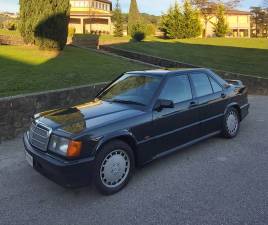
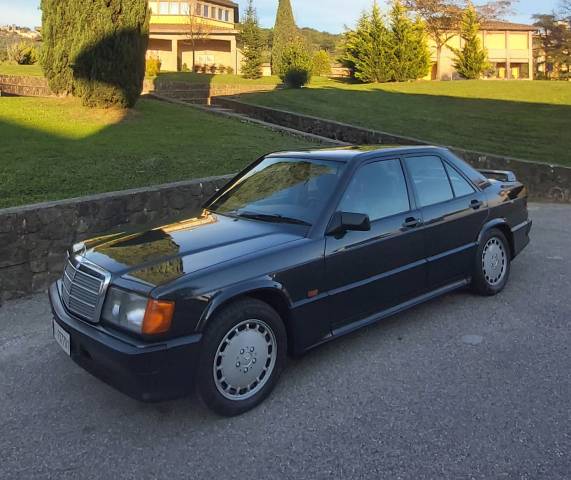
1986 | Mercedes-Benz 190 E 2.3-16
Mercedes Benz 190 E 2.3 16v 1986

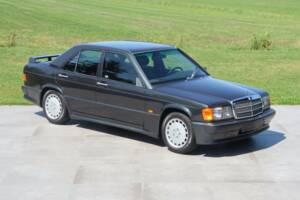
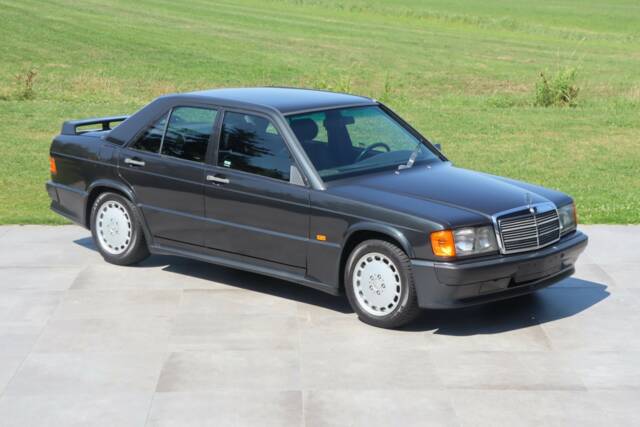
1986 | Mercedes-Benz 190 E 2.3-16
Mercedes-Benz 190 E 2.3/16V - Highly Original

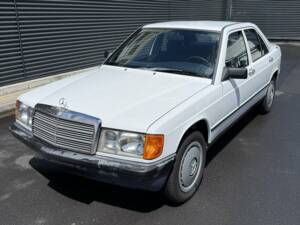
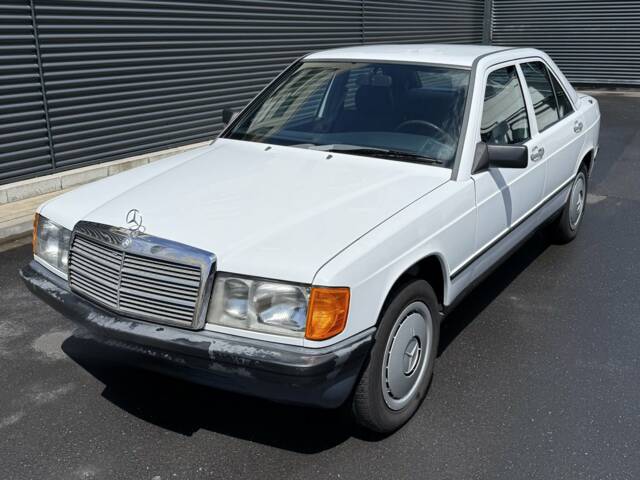
1987 | Mercedes-Benz 190 E
Mercedes-Benz 190 E | 1987 | Route 66 Auctions - For sale by auction. Estimate 5500 EUR
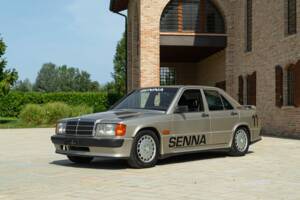
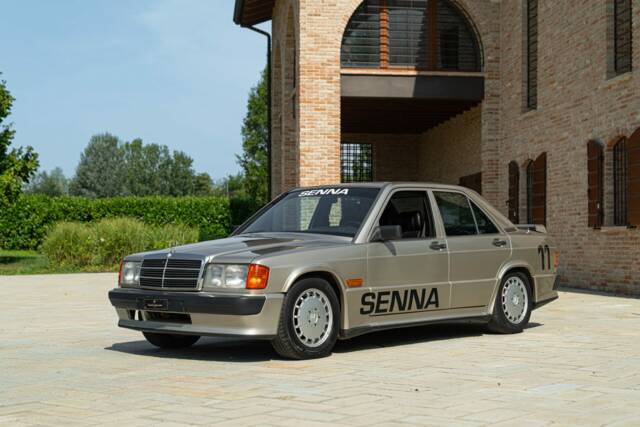
1985 | Mercedes-Benz 190 E 2.3-16
Mercedes-Benz 190 E 2.3 16v COSWORTH
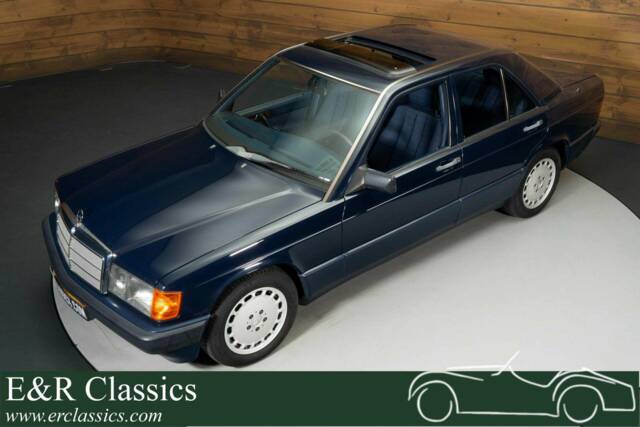
1990 | Mercedes-Benz 190 D
Mercedes-Benz 190
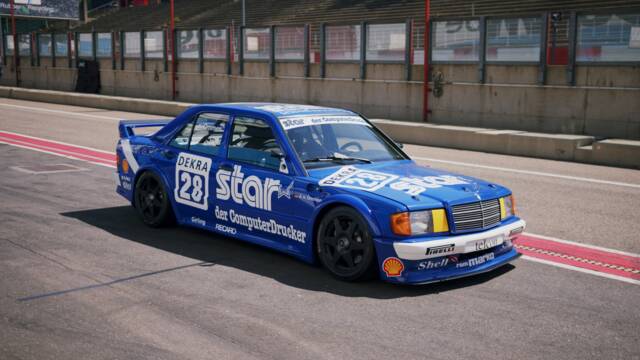
1988 | Mercedes-Benz 190 E 2.5-16
“The Origin of the Mercedes Red Bull Rivalry”

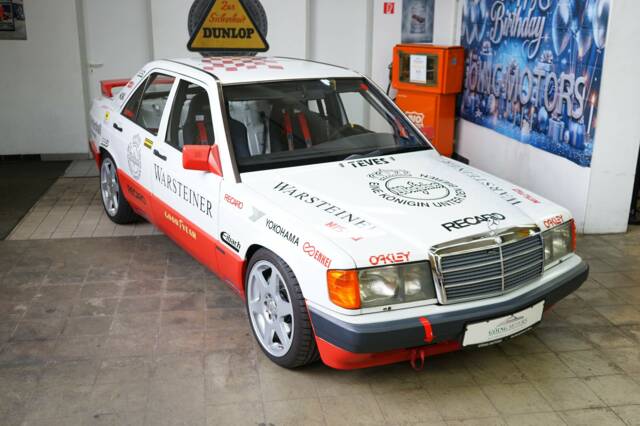
1990 | Mercedes-Benz 190 E 2.6
W201 DTM EVO AMG TRIBUT

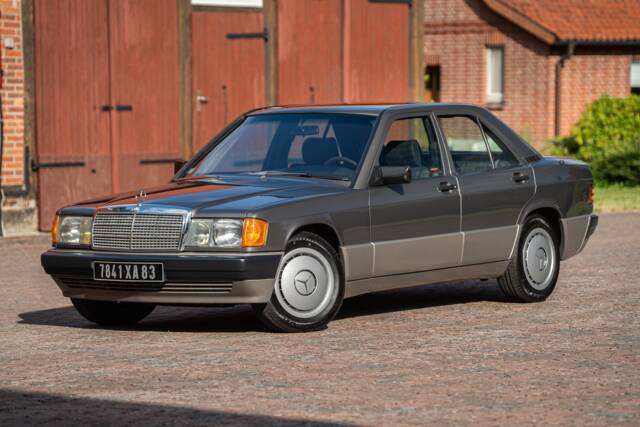
1990 | Mercedes-Benz 190 D 2.5
Südfrankreich Import, 5-Gang, el. Fenster
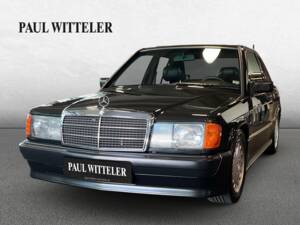
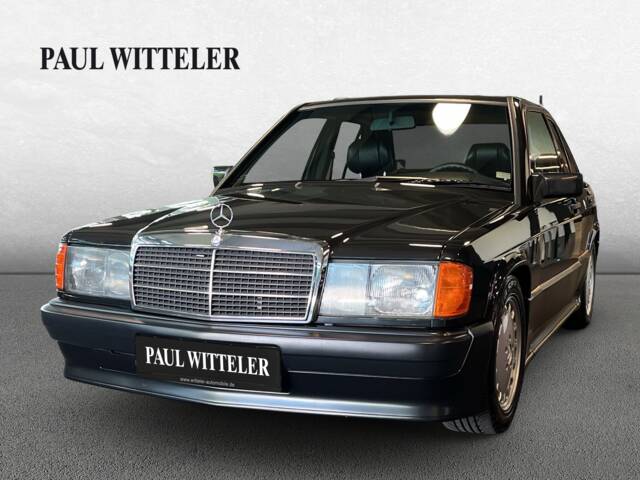
1985 | Mercedes-Benz 190 E 2.3-16
Handschalter/Schiebedach/Leder
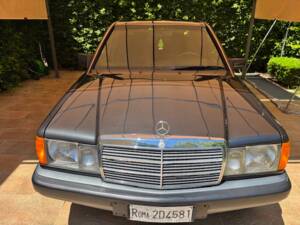
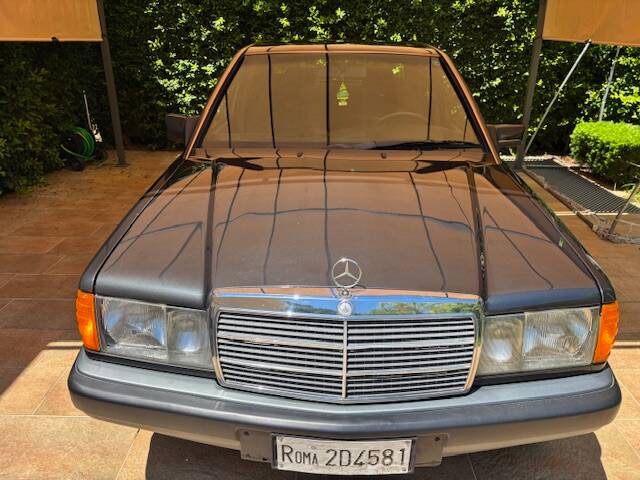
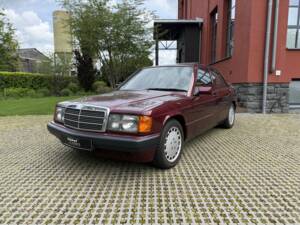
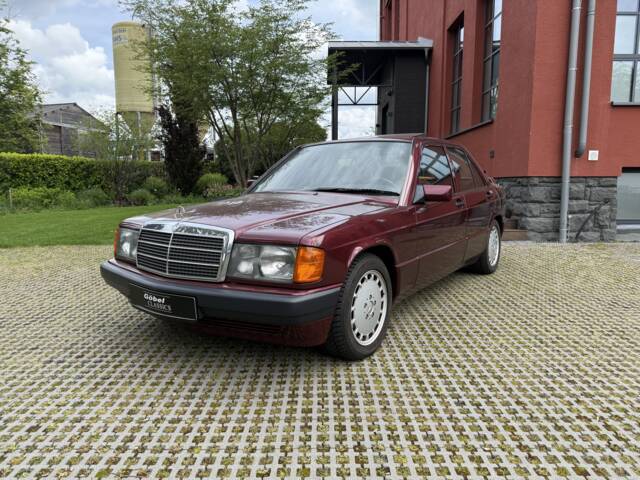
1992 | Mercedes-Benz 190 E 1.8 Avantgarde "Rosso"
Seltenes Sondermodell AVANTAGARDE ROSSO - wenig km - mit Garantie
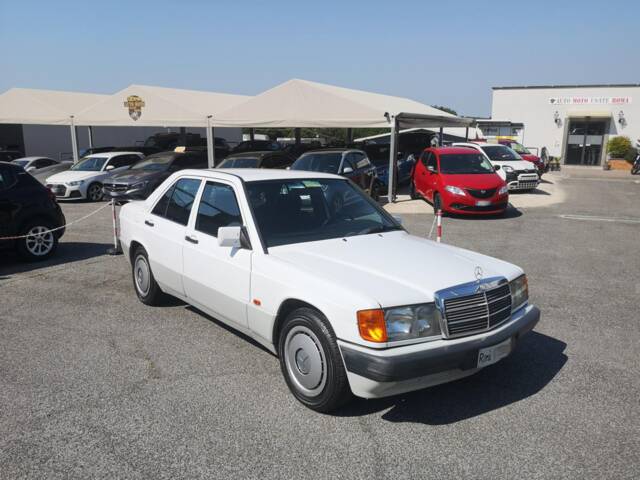
1991 | Mercedes-Benz 190 E 1.8
MERCEDES-BENZ 190 1.8 E RATE AUTO MOTO SCOOTER
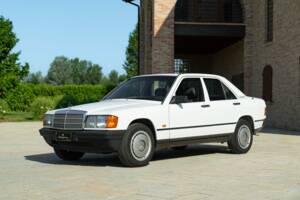
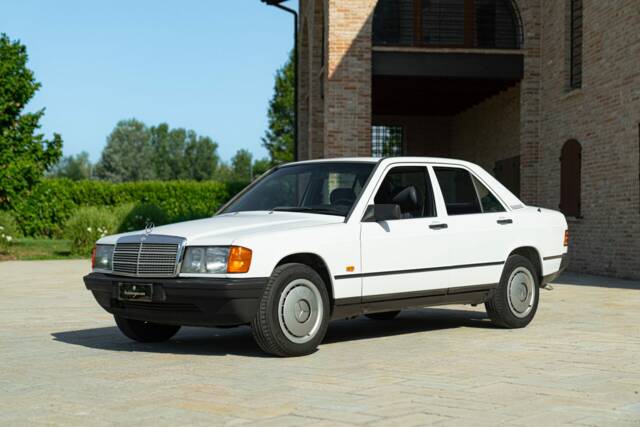
1987 | Mercedes-Benz 190 E
Mercedes-Benz 190 E
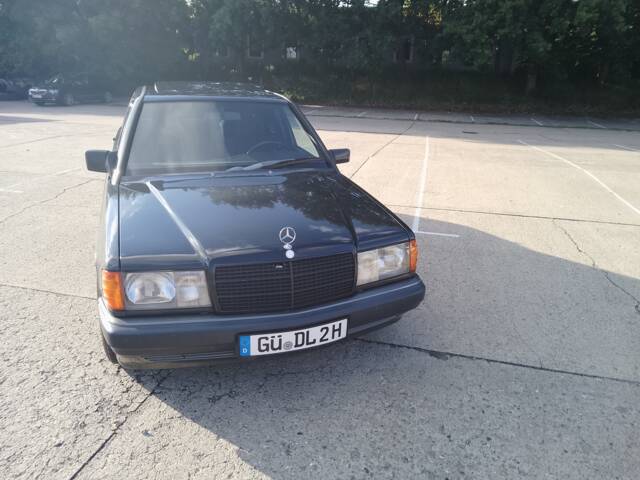
1990 | Mercedes-Benz 190 E 1.8
Mercedes Benz E190 w201
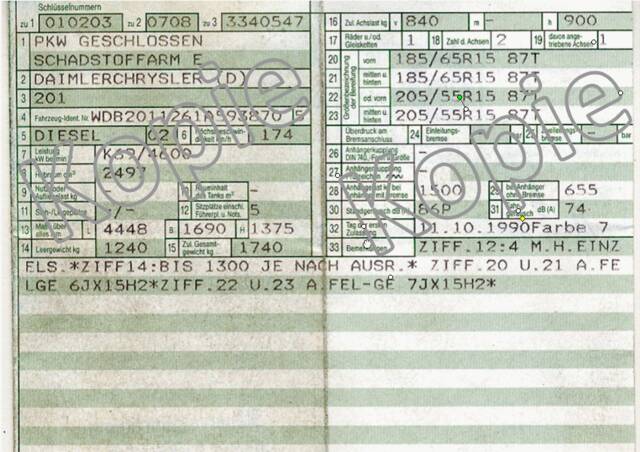
1990 | Mercedes-Benz 190 D 2.5
W201 / Klassiker mit Stil - Substanz und Charakter - Qualität und Zuverlässigkeit
Mercedes-Benz 190 Classic Cars: Prices & Market Values
The market value of Mercedes-Benz 190 classic cars is primarily determined by the specific manufacturer code and variant, as well as technical condition, originality and mileage. Additional factors include rarity, history and documentation. A well-maintained, largely original vehicle with low, verifiable mileage and complete history including appraisals and documentation typically achieves significantly higher prices than a comparable vehicle with deferred maintenance, many modifications or unclear provenance.
Mercedes-Benz 190: Market Prices & Value Trends
Based on sales data from the Classic Trader marketplace, the Mercedes-Benz 190 (W201) market in Europe has remained broadly firm with a clear “two-speed” trend over the period from 2021 to mid-January 2026: regular 190 E/190 D models are largely stable, while headline cars such as the 190 E 2.3-16, 2.5-16 and especially Evolution variants keep the top end elevated. In current asking terms, most mainstream 1980s–early 1990s cars (190 E 1.8/2.0/2.3/2.6 and 190 D) tend to cluster around roughly €6,000–€18,000 depending on condition, history and specification, with German and Dutch ads often setting the reference level. The sporting 16-valve cars usually sit higher, commonly around €25,000–€55,000 for typical 2.3-16 and 2.5-16 examples. A small number of very high-priced special editions (Evolution I/II, AMG) appear well above this and should be treated as outliers rather than “the market”. For buyers, this means good, correctly documented cars command a premium, driven by W201 build quality, motorsport pedigree and growing collector demand for period performance saloons.
History of the Mercedes-Benz 190
The Mercedes-Benz 190 series (W201) marks the company’s first entry into the compact executive segment, presented in 1982 as a strategic response to competitive pressures—mainly from BMW’s 3 Series and changing market needs after the 1970s oil crisis. Developed as a mid-sized, rear-wheel-drive saloon, the 190 featured a newly designed monocoque body, advanced multi-link rear suspension, and a significant reduction of chrome in favour of a more modern, understated look. The model paved the way for future Mercedes compacts, setting new standards for safety, reliability, and driving comfort. Over its production run, more than 1.8 million units left the Sindelfingen factory, firmly establishing the 190 as a cornerstone in Mercedes’ model history before its succession by the C-Class (W202) in 1993.
Model Series Development
The 190 line encompasses several generations and versions. Notably, the name "190" also adorned the W121 190SL roadster (1955–1963) and various 190-series sedans of the 1950s and 1960s, including the 190, 190D, and their b-series iterations. The W201, produced from 1982 to 1993, is the best-known and most technically advanced. It saw multiple petrol (190, 190E, 190E 2.3-16, 190E 2.5-16, 190E 2.6, and the ultra-rare AMG 3.2) and diesel (190D 2.0, 2.2, 2.5, 2.5 Turbo) engine options. The W201 earned the "Baby-Benz" nickname, acting as Mercedes’ compact introduction to new buyers without sacrificing hallmark standards. Motorsport variants like the Evolution models left a tangible legacy thanks to DTM racing success.
Highlights and Unique Features
From its single-arm windscreen wiper to the ground-breaking multi-link rear axle and comprehensive passive safety features—with energy-absorbing zones and advanced suspension—the 190 was designed for longevity and superior road manners. The model palette ranged from basic petrol and diesel variants to the Cosworth-developed 16-valve engines, offering enthusiasts a wide performance spectrum. Out of nearly 1.88 million produced, roughly 33.6% were diesel models, underscoring the car’s versatility and international appeal. Motorsport versions like the 2.3-16 and Evo models featured mechanical limited-slip differentials, Getrag dogleg gearboxes, and homologation-special upgrades.
Technical Data
Special Editions and Collectible Models
The most renowned W201 collector cars are the 190E 2.3-16 and 2.5-16 Cosworth models, developed for motorsport homologation. The Evolution I (1989, 502 units) and Evolution II (1990, 502 units) brought more radical aerodynamics, suspension, and braking upgrades—designed purely to dominate the DTM touring car championship. Special run Avantgarde models stand out for rare paint and interior combinations (Verde, Rosso, Azzurro). The rare AMG 3.2 variant (factory or conversion) and limited Sportline packages (lowered suspension, sports seats, unique trim) are also sought after for their rarity and dynamic focus.
Weak Spots and Common Issues
Due to their reputation for longevity and quality, W201s are often regarded as robust classics. As with any car of this era, it's important to check for typical wear in suspension bushes, rust on body panels (even though the W201 is considered less prone than contemporaries), and electrical faults on higher-specification models with many comfort features. The Cosworth and Evolution variants require specialist attention for engine and gearbox components, as parts are rarer and more valuable.
Engine, Transmission and Roadholding
All W201 190s feature classic rear-wheel drive with either manual or automatic transmissions. Entry-level petrol and diesel models offer reliable, efficient driving, suitable for relaxed cruising. Sportier 2.3-16 and 2.5-16 versions made their name both on the road and in competition, with advanced multi-link rear suspension and high-revving engines delivering sharp, agile performance. The pinnacle Evo II, at 235PS and a 0–100km/h time under 8 seconds, was a true homologation special. - 190E 2.3-16: Cosworth-engineered, dogleg gearbox, DTM heritage, 177–185PS.
- 190E 2.5-16 & Evolution I/II: Motorsport-derived, advanced suspension, up to 235PS, striking bodywork.
- 190D: Durable, economical diesels, ideal for high mileage.
- 190E 2.6: Smooth six-cylinder, refined daily classic.
Interior, Comfort, Exterior and Design
The design of the W201 cuts a distinct figure, with clean lines, plastic-coloured bumpers (rare at the time), and a significant reduction in chrome. Interiors spanned durable MB-Tex, leather, or premium fabric, with optional sport seats (particularly in Sportline and 16V/Cosworth versions). Unusual features include avant-garde colourways in limited editions, unique wheel designs (Gullideckel, Evo, AMG), and a broad spectrum of premium accessories—automatic climate control, power sunroof, cruise control, and heated seats. The 190's restrained style and build quality stand the test of time, while motorsport editions introduced overt aero parts and wider tracks.
Other Features
Thanks to extremely good parts supply and club support, the 190 remains a practical proposition even decades after production. Its extensive optional accessories catalog—ranging from standheizung (auxiliary heater) to reading lights and period-correct audio—reflects its positioning as a compact Benz without compromises.
Summary
The Mercedes-Benz 190 (W201) is a milestone in compact executive car evolution—unmatched in breadth, execution, and legacy. With a choice of robust four-cylinder engines, advanced suspension, a reputation for long-term durability, and a wide field of models from everyday diesels to Evo DTM specials, the 190 offers a compelling classic ownership experience for purists and newcomers alike.