|

Mercedes-Benz 170 Classic Cars for Sale

The Mercedes-Benz 170 series, produced between 1931 and 1955, stands as a milestone in automotive engineering and design history. Known for its innovative independent suspension, robust engines, and diverse body variants including sedans, cabriolets, and rare roadsters, the 170 positioned Mercedes-Benz as a technical pioneer and a benchmark in mid-range motoring. Models like the 170 V, 170 S, and special cabriolets are especially sought after by connoisseurs and collectors.

Read more

Search results

Image 1/11 of Mercedes-Benz 170 S Cabriolet A (1950)
1 / 11
Show vehicle
Image 1/50 of Mercedes-Benz 170 V Saloon (1938)
1 / 50
£18,000
🇬🇧
Dealer
Show vehicle
Image 1/50 of Mercedes-Benz 170 V Cabriolet B (1940)
1 / 50

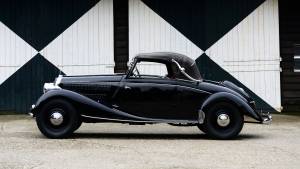
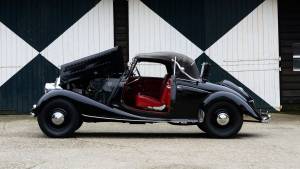
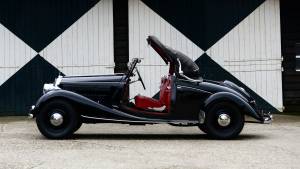
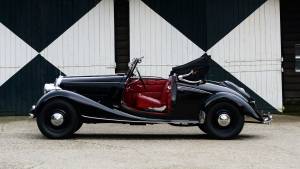
1940 | Mercedes-Benz 170 V Cabriolet B

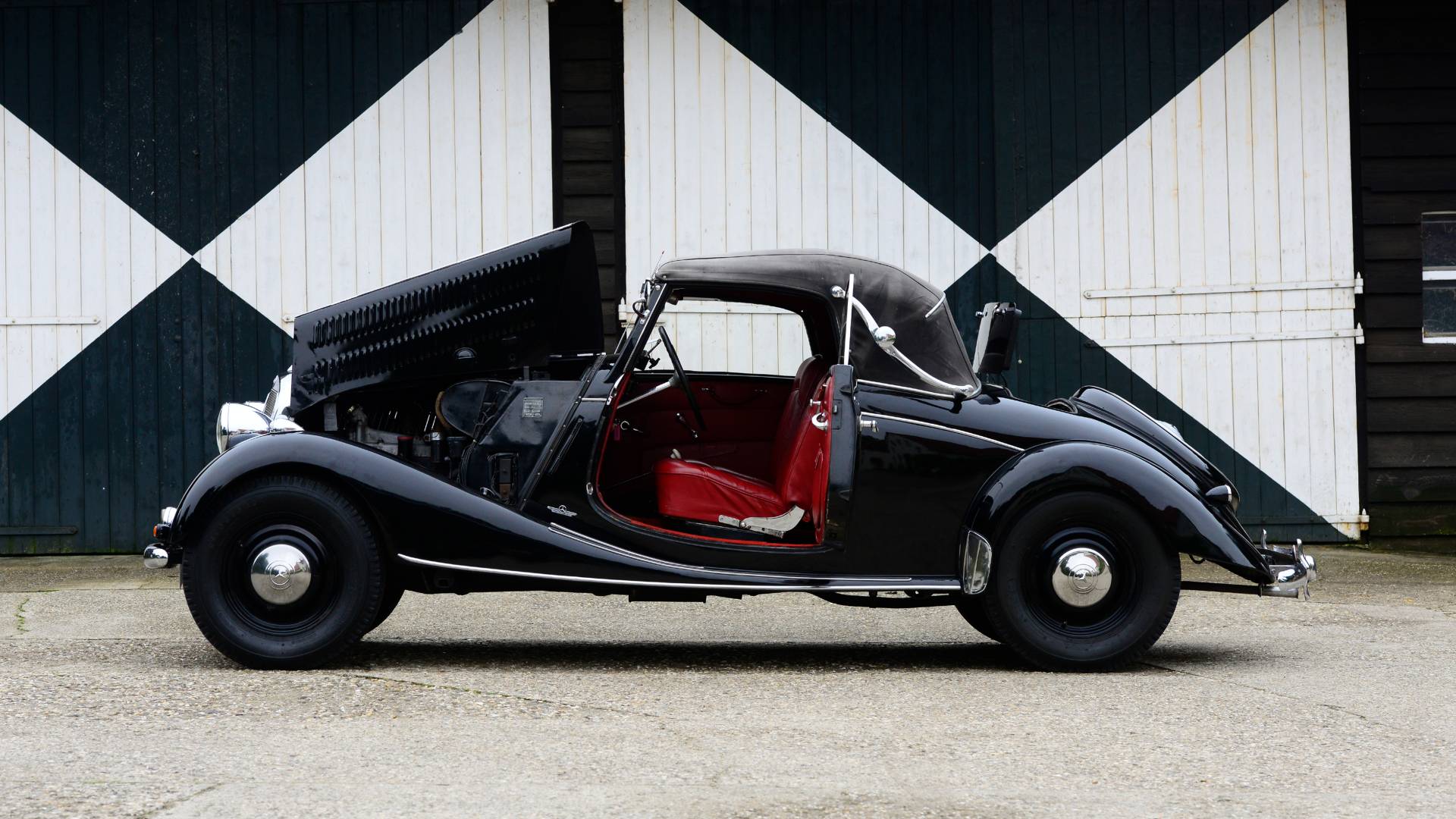
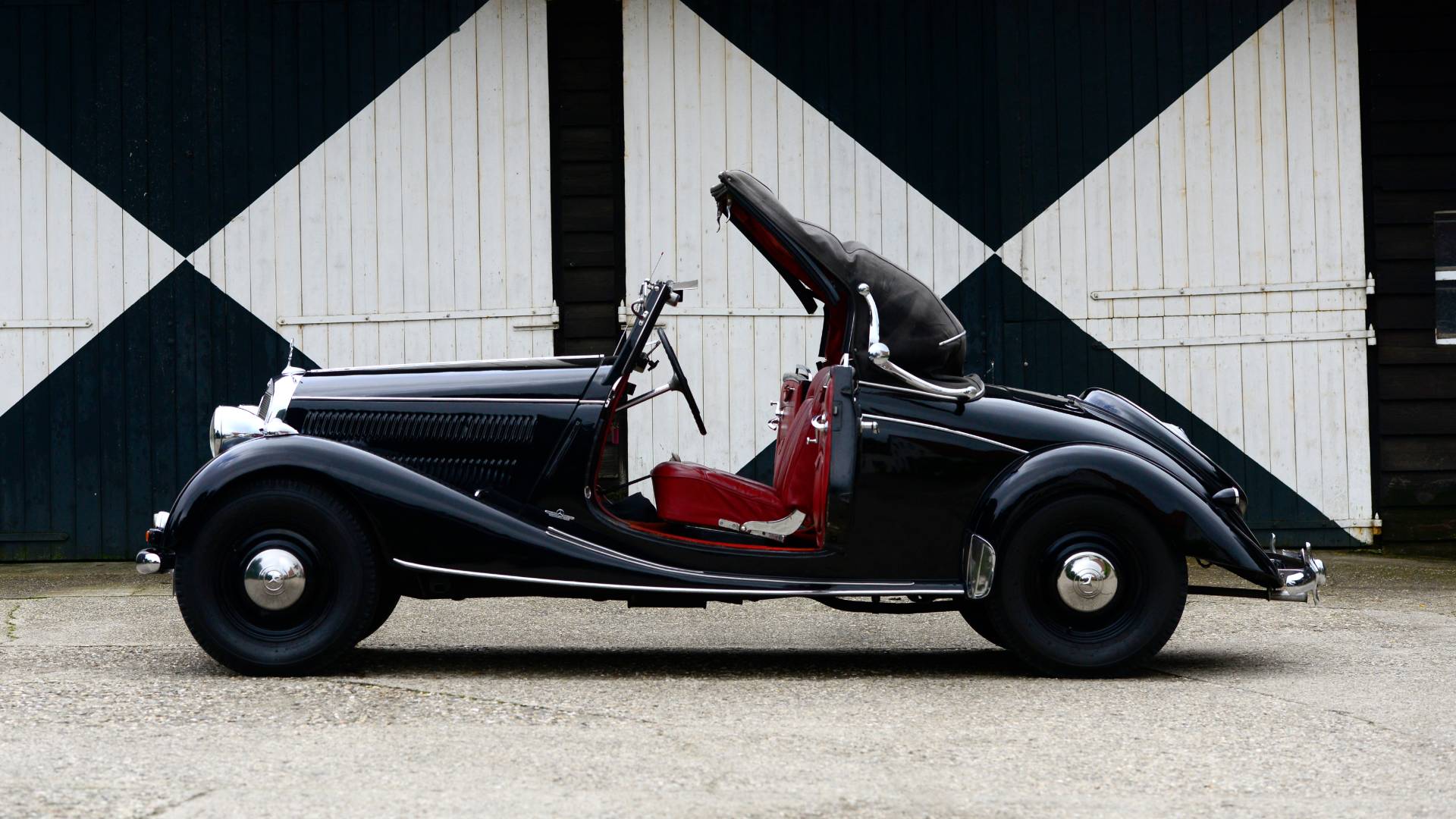
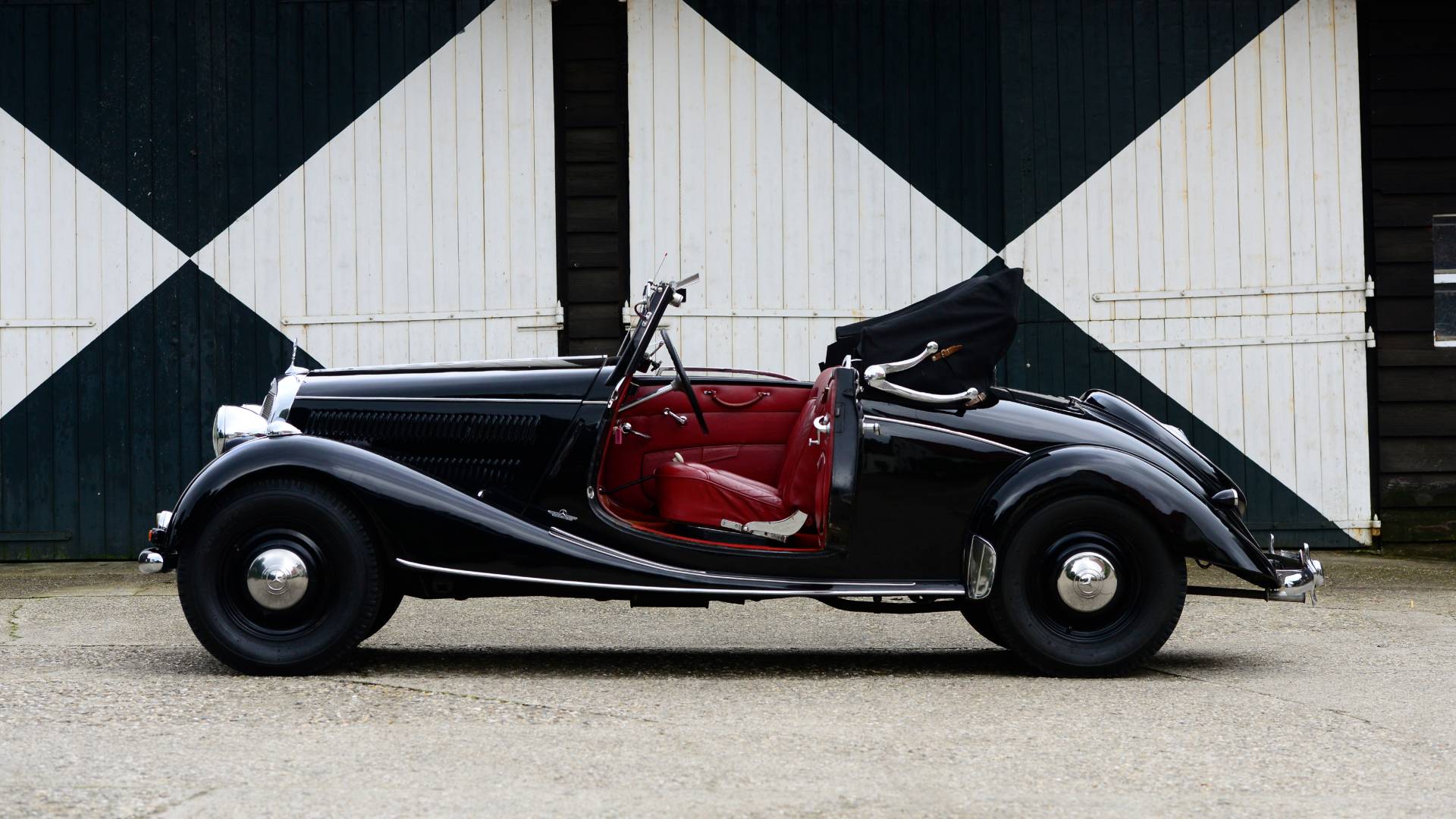
Mercedes Benz 170 V Cabriolet B "In excellent condition" A “Body off” restoration by a professional in Germany, Newly delivered on July 31-1940 by Mercedes Benz in Sofia-Bulgaria, Well documented with papers and booklets, Further refined over the past few years by Dutch specialists, European history with some influences from the Middle East,

£105,112
🇳🇱
Dealer
Show vehicle
Image 1/5 of Mercedes-Benz 170 S Cabriolet A (1951)
1 / 5
Show vehicle
Image 1/15 of Mercedes-Benz 170 Sport-Roadster (1935)
1 / 15

1935 | Mercedes-Benz 170 Sport-Roadster

1935 Mercedes-Benz 170/6 Roadster by Reutter '35

£162,726
🇧🇪
Dealer
Show vehicle
Image 1/10 of Mercedes-Benz 170 V Roadster (1938)
1 / 10
Show vehicle
Image 1/29 of Mercedes-Benz 170 S Cabriolet A (1951)
1 / 29

1951 | Mercedes-Benz 170 S Cabriolet A

1951 Mercedes-Benz 170S Cabriolet

£60,000
🇬🇧
Dealer
Show vehicle
Image 1/19 of Mercedes-Benz 170 V Cabriolet B (1938)
1 / 19
Show vehicle
Image 1/15 of Mercedes-Benz 170 S Cabriolet A (1951)
1 / 15

1951 | Mercedes-Benz 170 S Cabriolet A

170 S Cabriolet A W136 mehrfach verfügbar!

£95,876
🇩🇪
Dealer
Show vehicle
Image 1/15 of Mercedes-Benz 170 S Cabriolet A (1950)
1 / 15

1950 | Mercedes-Benz 170 S Cabriolet A

170 S Cabriolet A W136 mehrfach verfügbar!

£104,672
🇩🇪
Dealer
Show vehicle
Image 1/7 of Mercedes-Benz 170 S Cabriolet A (1950)
1 / 7
£87,520
🇳🇱
Dealer
Show vehicle
Image 1/23 of Mercedes-Benz 170 S Cabriolet A (1951)
1 / 23

1951 | Mercedes-Benz 170 S Cabriolet A

Ab Service und MFK 3.2025!

£59,198
🇨🇭
Dealer
Show vehicle
Image 1/28 of Mercedes-Benz 170 Da (1955)
1 / 29

1955 | Mercedes-Benz 170 Da

Aufwändig restauriert

£30,346
🇦🇹
Dealer
Show vehicle
Image 1/15 of Mercedes-Benz 170 V Roadster (1940)
1 / 15

1940 | Mercedes-Benz 170 V Roadster

1940 Mercedes-Benz 170 V Roadster '40

£75,602
🇧🇪
Dealer
Show vehicle
Image 1/22 of Mercedes-Benz 170 S Cabriolet A (1952)
1 / 22

1952 | Mercedes-Benz 170 S Cabriolet A

Fully restored – Documented history – Excellent condition

£107,267
🇳🇱
Dealer
Show vehicle

History of the Mercedes-Benz 170

Launched in 1931, the Mercedes-Benz 170 redefined the lower mid-range segment with its advanced technical layout. The original W15 series introduced independent wheel suspension to all four wheels, making it unique in its era. During the 1930s, the 170 V became the most-manufactured Mercedes-Benz model of the pre-war period, and production was restarted post-war due to its reliability and sturdy construction. The 170 series served as the technical and economic backbone in the challenging years after World War II, with later models setting new standards for comfort and versatility. Successors, such as the W120/W121 “Ponton” series, built upon this robust foundation.

Model History

The 170 lineage started with the W15 in 1931, followed by the W136 170 V in 1936—a vehicle that endured both pre- and post-war challenges. The 170 V’s overwhelming success warranted several iterations, including the 170 S (introduced in 1949), which marked the debut of the “S” designation for special models. The S version was longer, wider, and more refined, aimed at a clientele seeking enhanced comfort. The series also saw the introduction of diesel models, a rarity at the time, broadening its appeal. In 1952, the W191 (170 Sb) brought further improvements, while the S-V variant combined the refined S body with the economical 170 V engine. The series concluded in 1955, succeeded by the “Ponton” generation.

Highlights and Special Features

The Mercedes-Benz 170 offered technical features ahead of its time: independent front suspension, robust four-cylinder engines, hydraulic brakes, and a variety of luxury options such as leather upholstery, real wood dashboards, and Becker radios. Cabriolet A and B versions are highly regarded due to their limited production—fewer than 2,500 units built. The 170 S introduced new levels of interior space and comfort for business owners and company executives. Many body styles were available, including estate, ambulance, police vehicles, and pickups. For those prioritising originality, ‘matching numbers’ and preservation of authentic features remain valued hallmarks. Official records, delivery documents, and original accessories add further collectability.

From a market perspective, the majority of 170 models listed and viewed on Classic Trader fall into the W136 series, with the W136 accounting for roughly 45% of supply and 52% of listing views for 170s. Variants like the W191 capture attention for their upgrades and relative rarity, constituting around 16% of supply and 11% of demand. Cabriolet models, while niche, attract strong interest.

Technical Data

Special Editions and Collectible Models

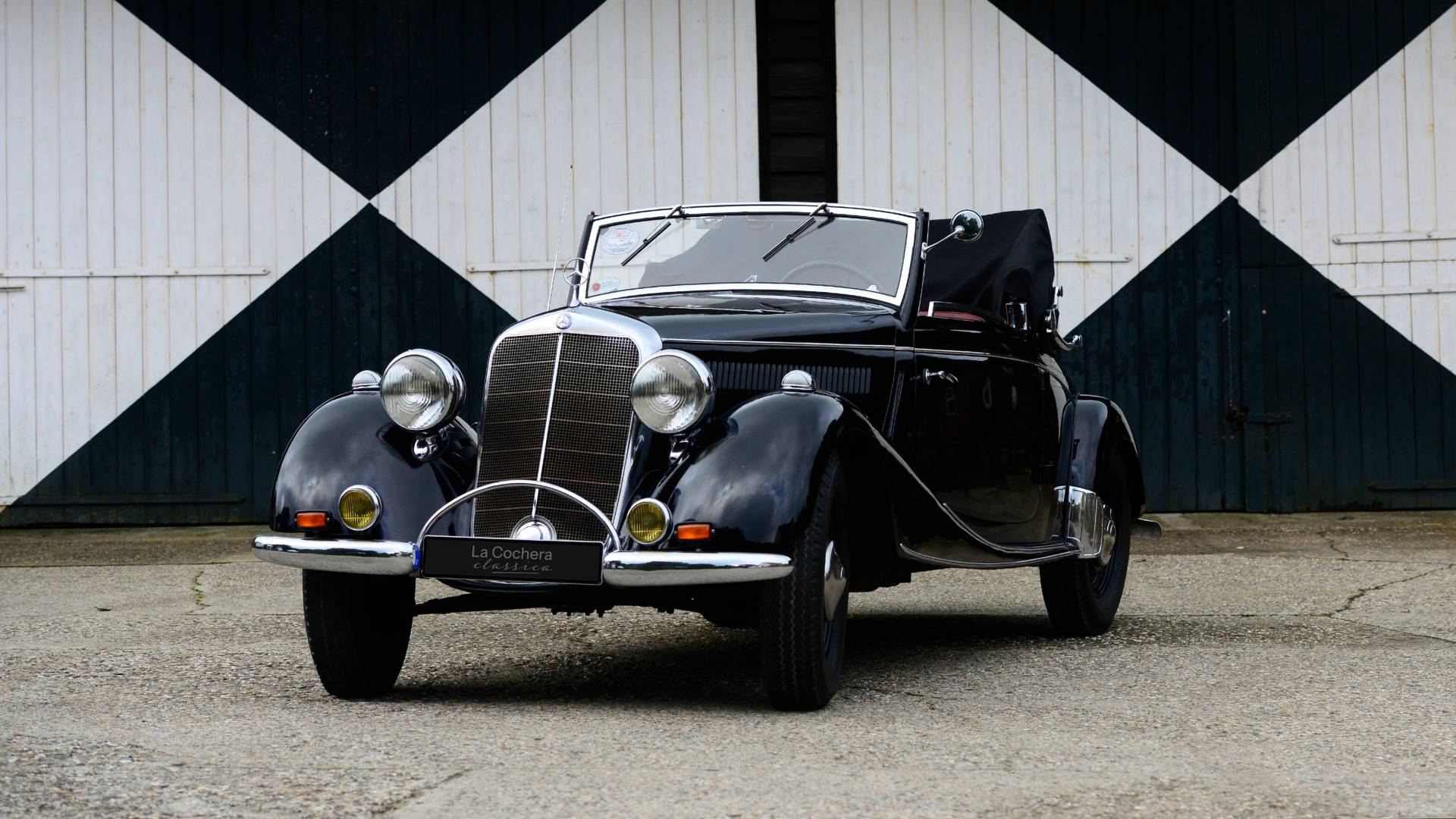
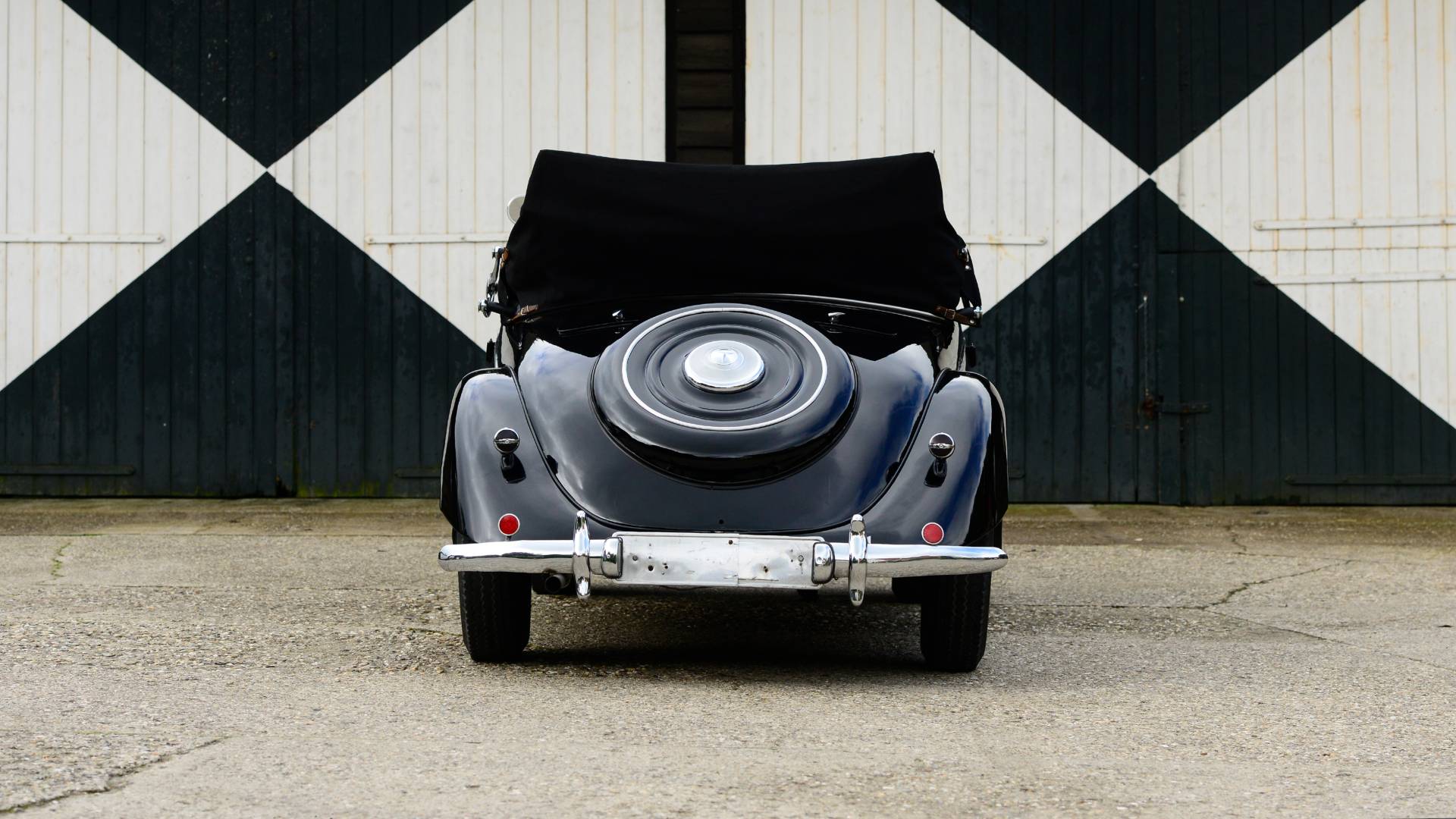
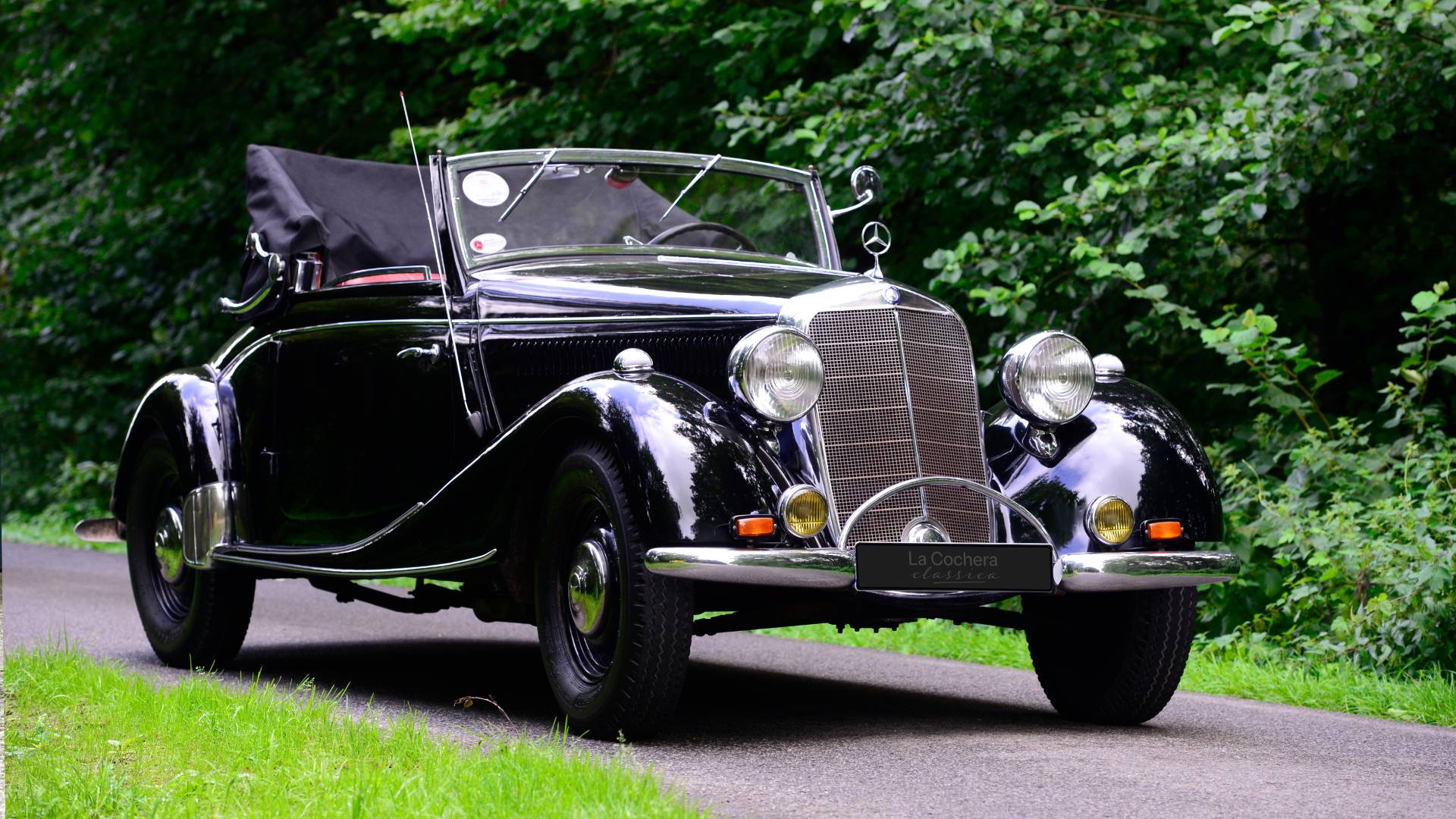
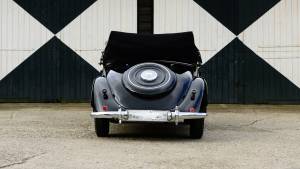
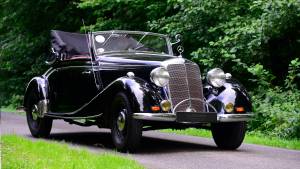
Chief among the special variants are the Cabriolet A (two-seater, about 830 units built between 1949 and 1951, W136 IV) and Cabriolet B (four-seater, roughly 1,600 units produced), each usually hand-built and featuring high-quality convertible hoods. The 170 S-D and 170 DS diesel versions were pioneers in post-war diesel motoring. Facelifted models such as the 170 Sb (W191) and the economical S-V variant are notable for their updates and collectability. Unusual derivatives like ambulances, police cars, and pickups further diversify the collector landscape.

Weak Spots and Common Issues

No common weak spots or structural issues are noted in the data provided. However, as with any classic vehicle, attention must be paid to original bodywork (particularly models with mixed wood-steel pre-war construction), authenticity of trim, and correct matching numbers if historical integrity is desired.

Engine and Performance, Transmission and Handling

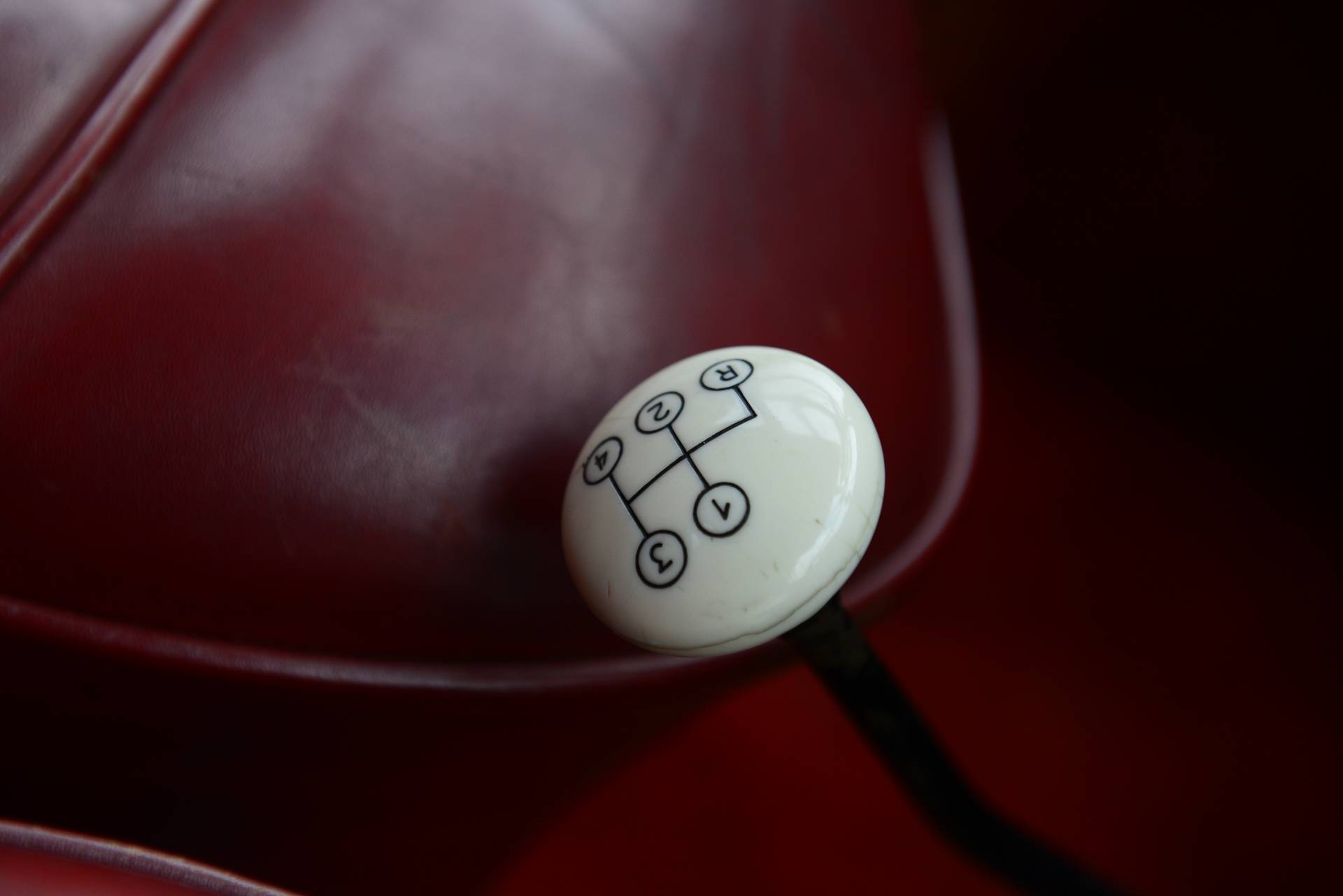
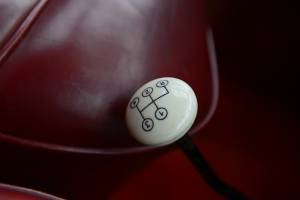
Most 170 models are powered by a side-valve four-cylinder engine, typically offering 38 PS (170 V) or 52 PS (170 S) with a Solex carburettor. Diesel models (170 D/Da) utilise the OM636 unit, developing around 38–40 PS. Power is transferred via a 4-speed gearbox, with later models benefiting from synchronised upper gears and column-shift. Rear-wheel drive, independent front suspension, and hydraulic brakes provided comfortable ride quality and solid driving dynamics by the standards of the era. Pre-war models featured a semi-independent rear axle, while post-war cars were updated for better handling. Modern users find the cars reliable and easy to maintain, especially the post-war steel-bodied variants. 1. Mercedes-Benz 170 V (W136): Most produced (over 140,000), versatile and reliable. 2. Mercedes-Benz 170 S (W136 IV): Enhanced comfort, higher trim, more power (45–52 PS). 3. Mercedes-Benz 170 Sb (W191): Facelift and technical updates, including column shift and improved heating. 4. Cabriolet A/B: Most exclusive, limited production and luxury finishes.

Interior, Comfort, Exterior and Design

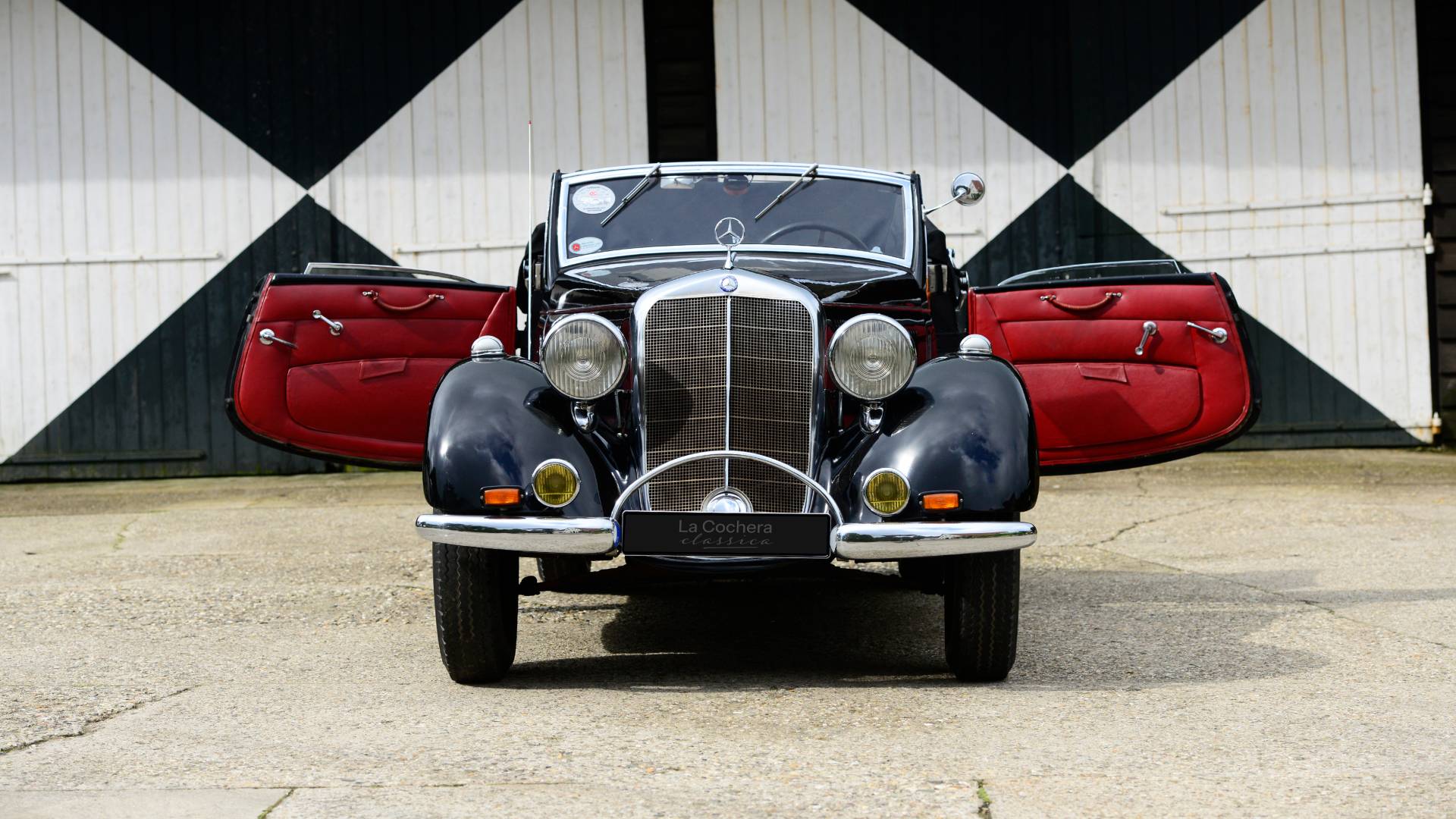
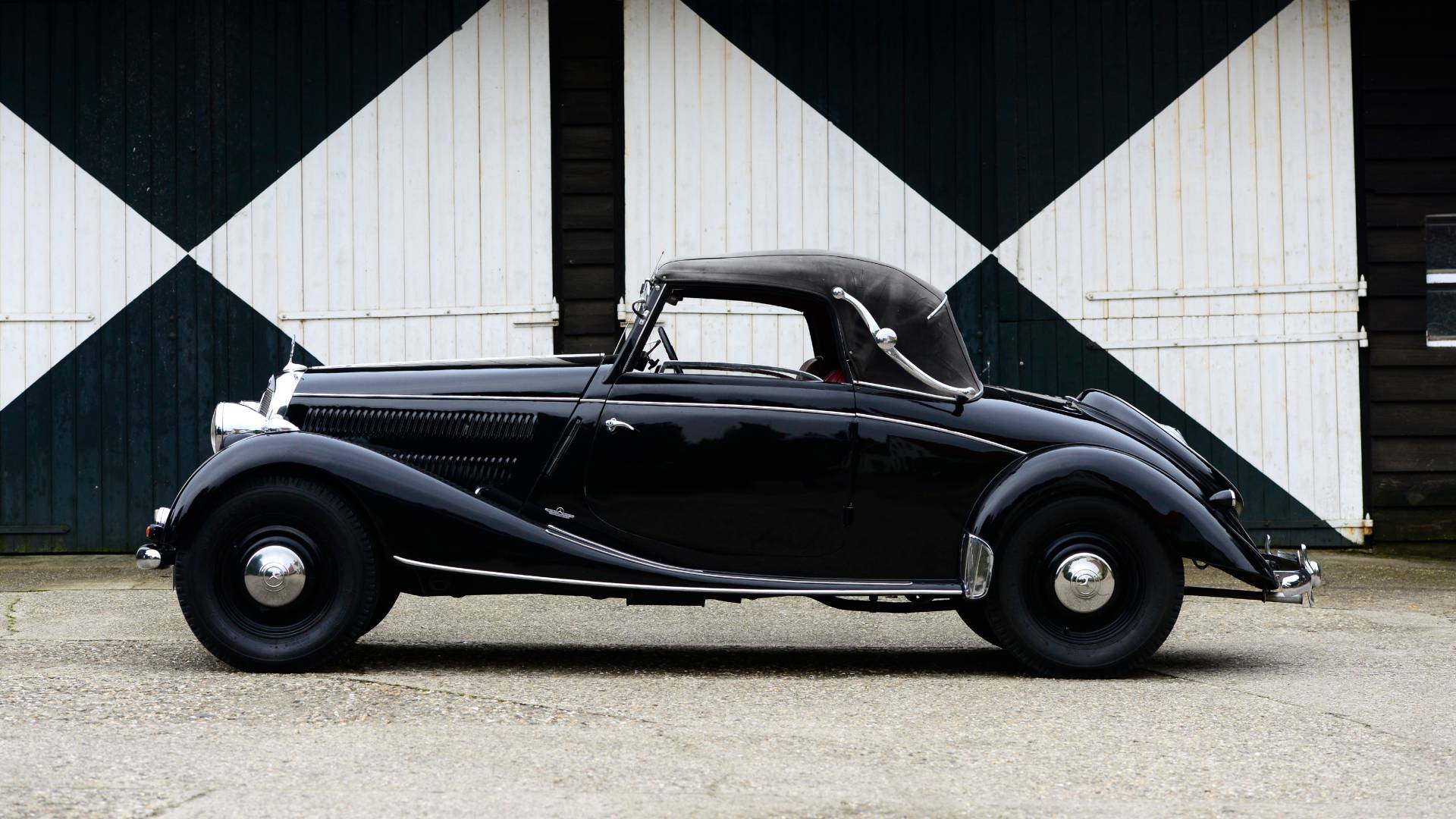
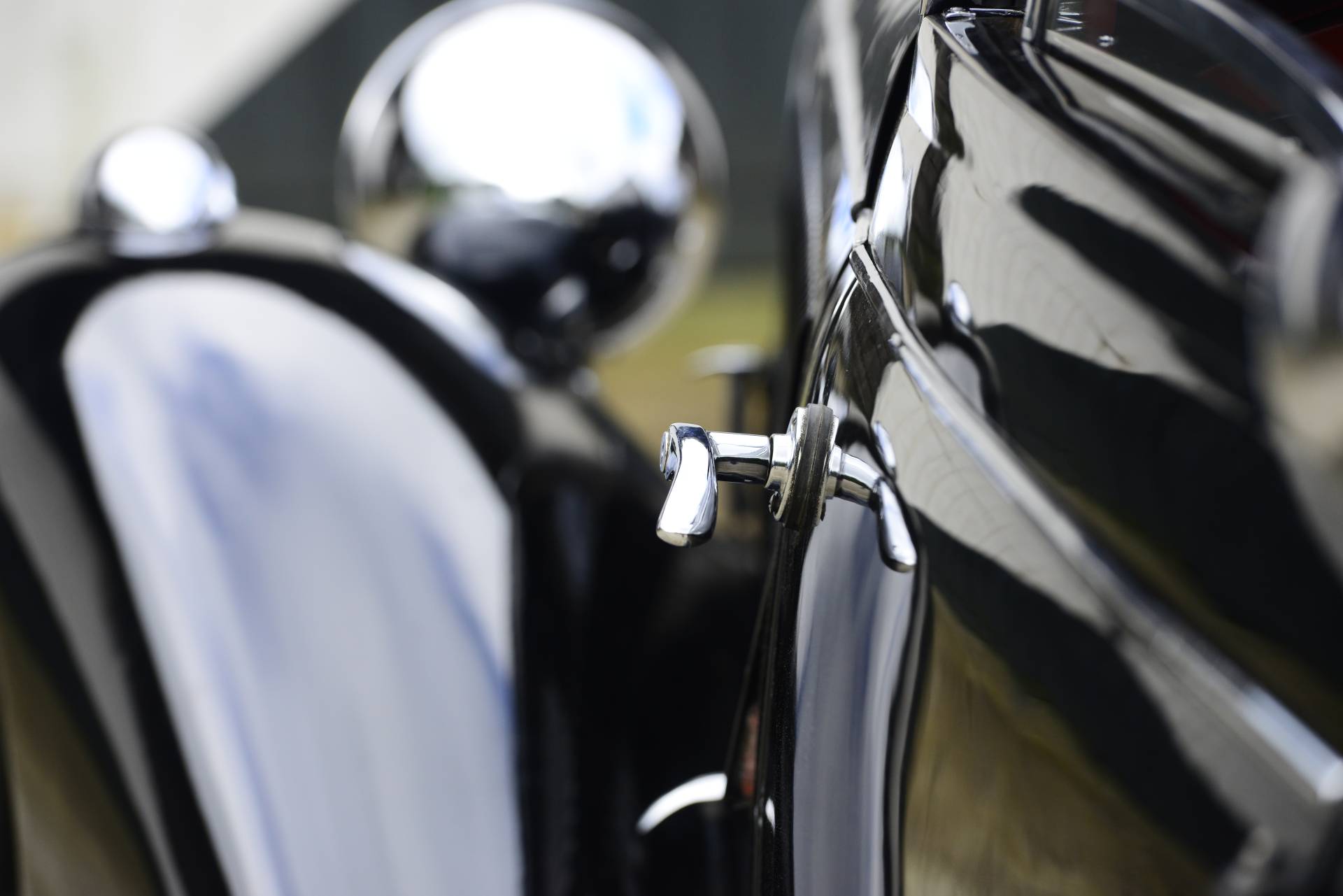
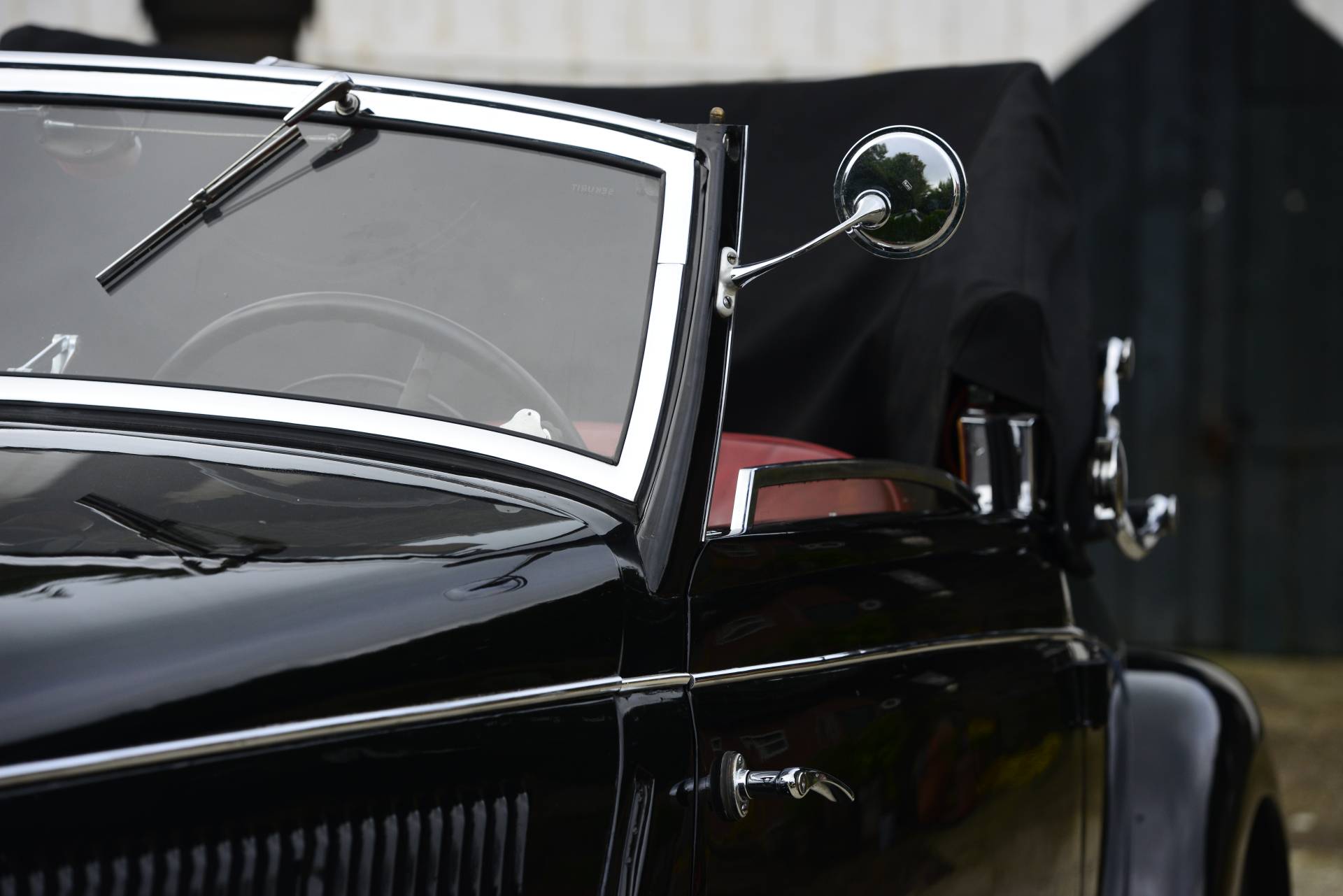
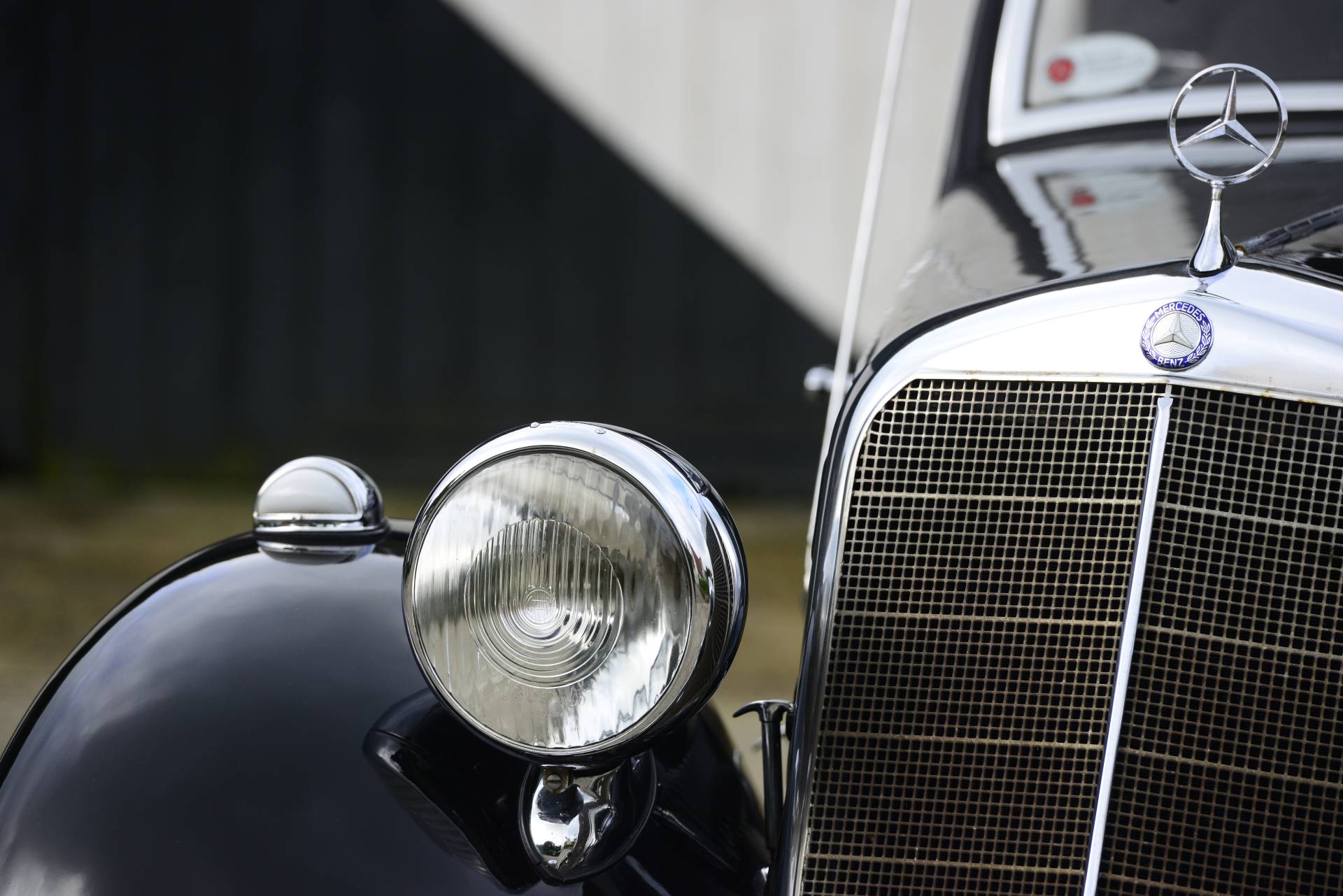
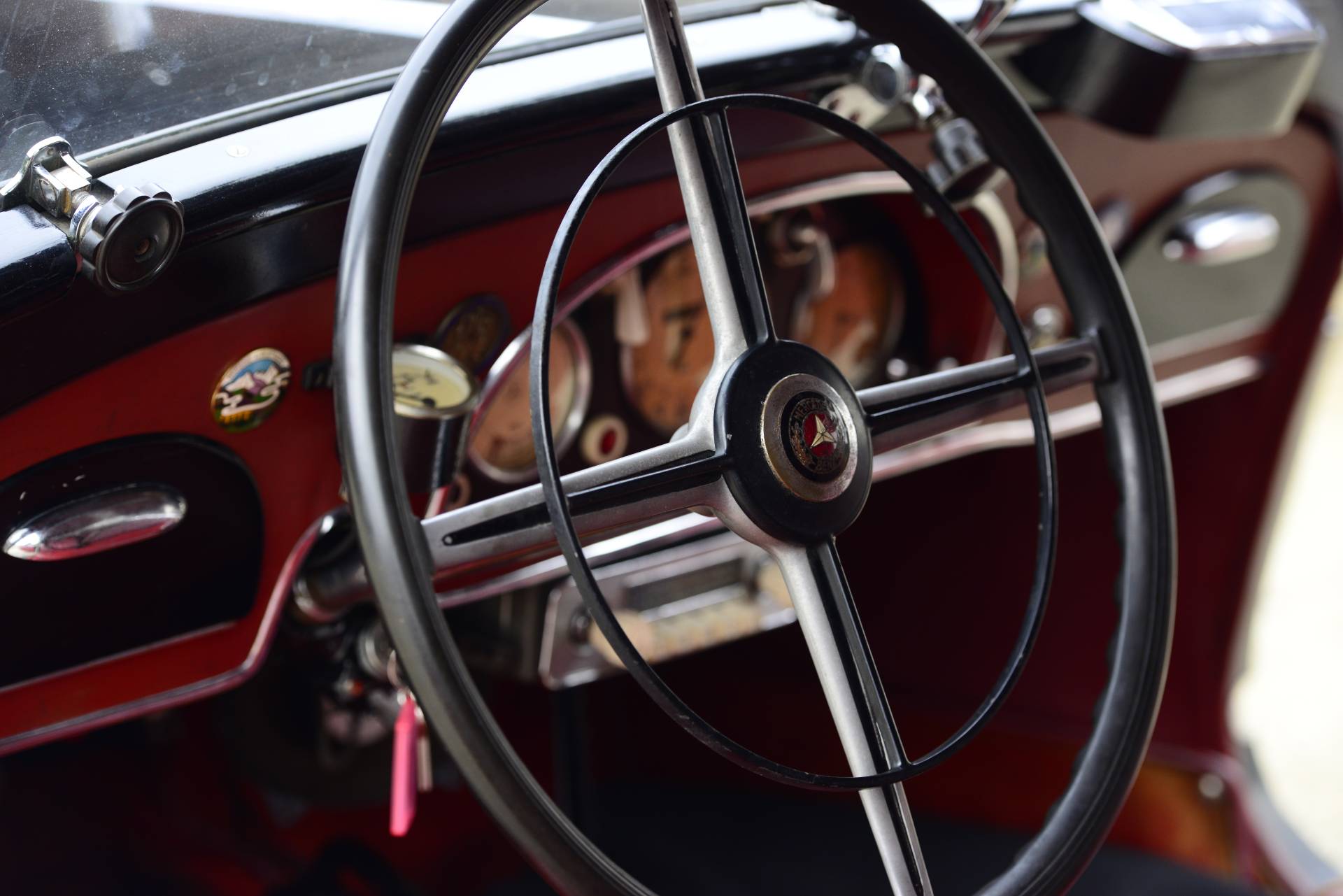
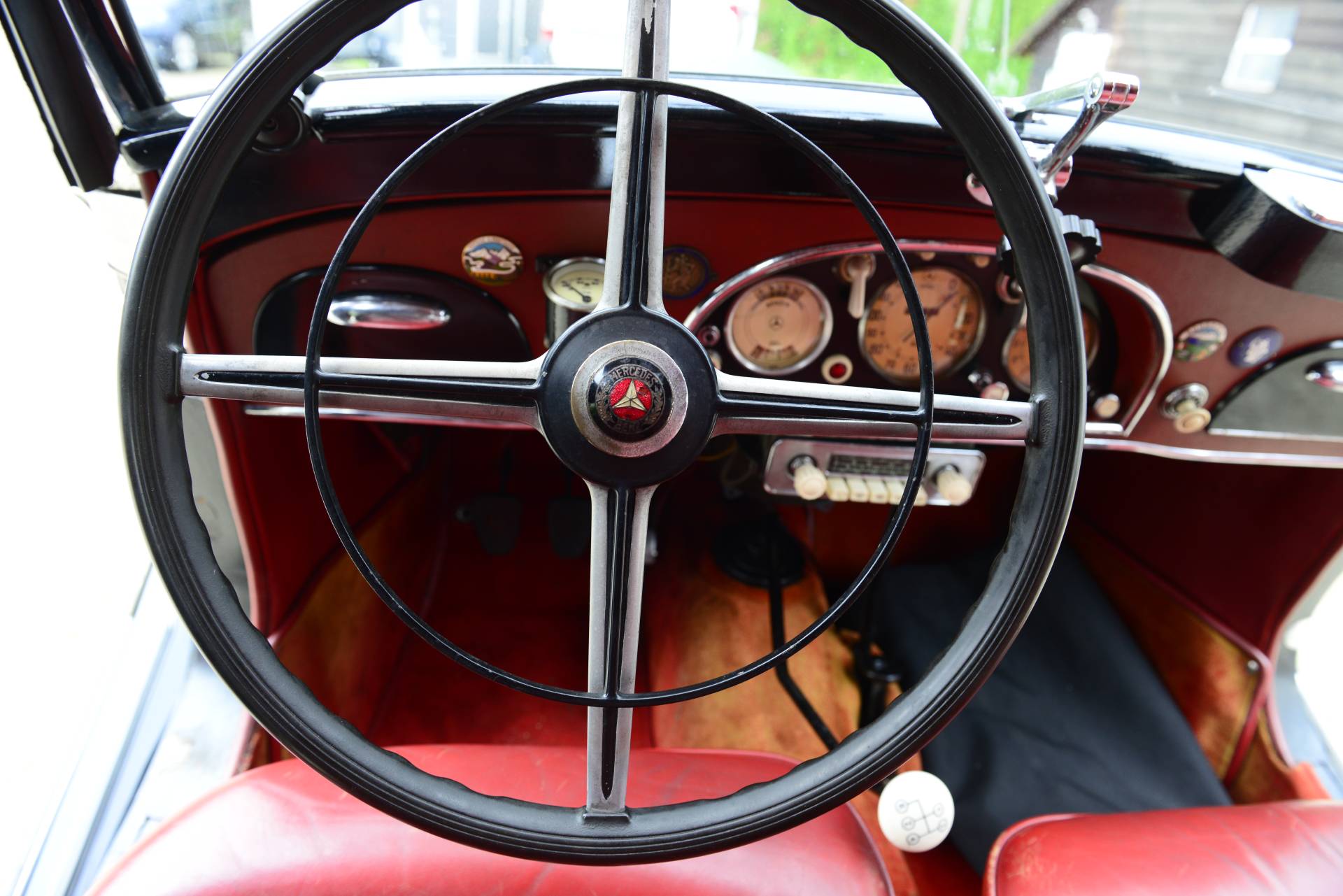
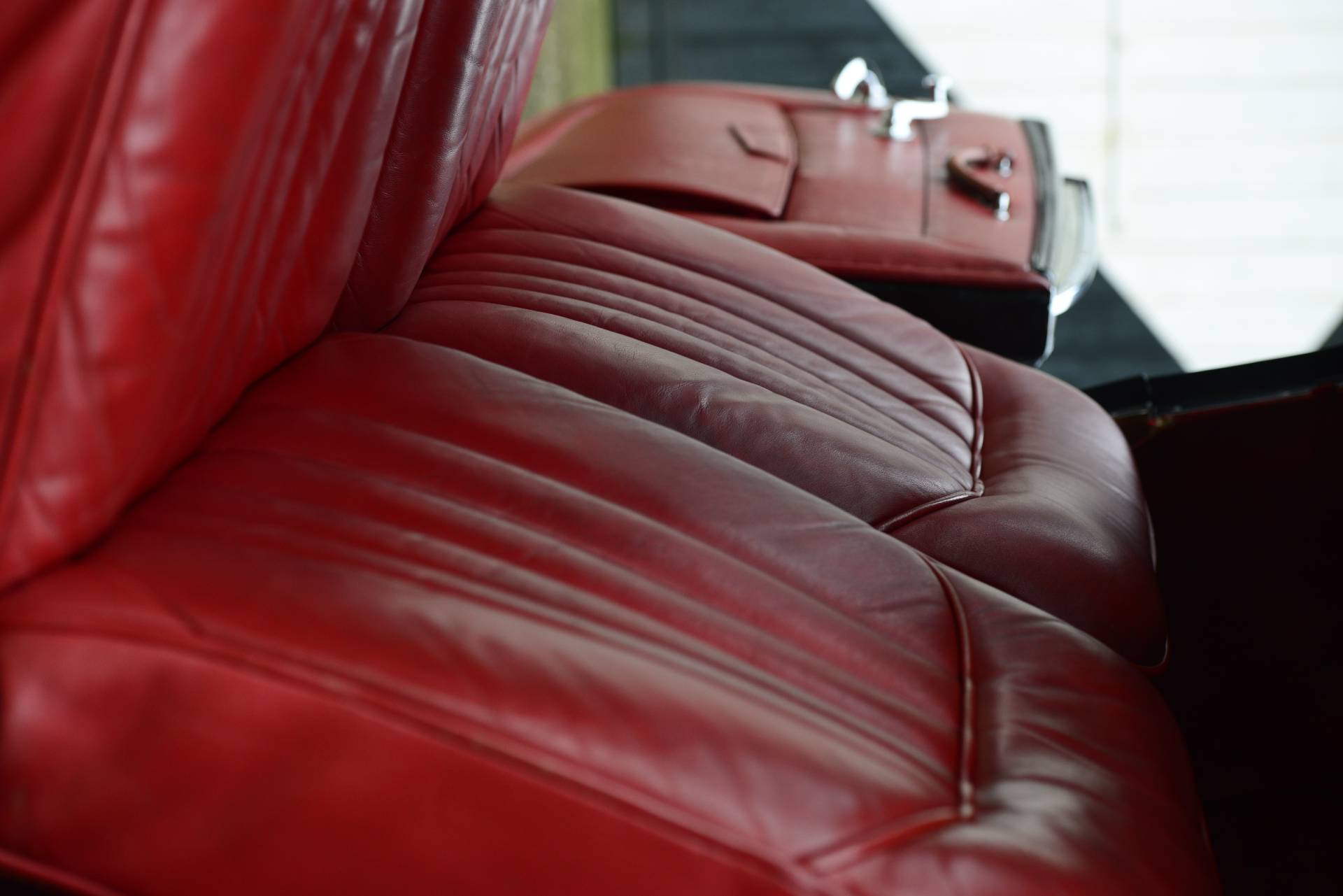
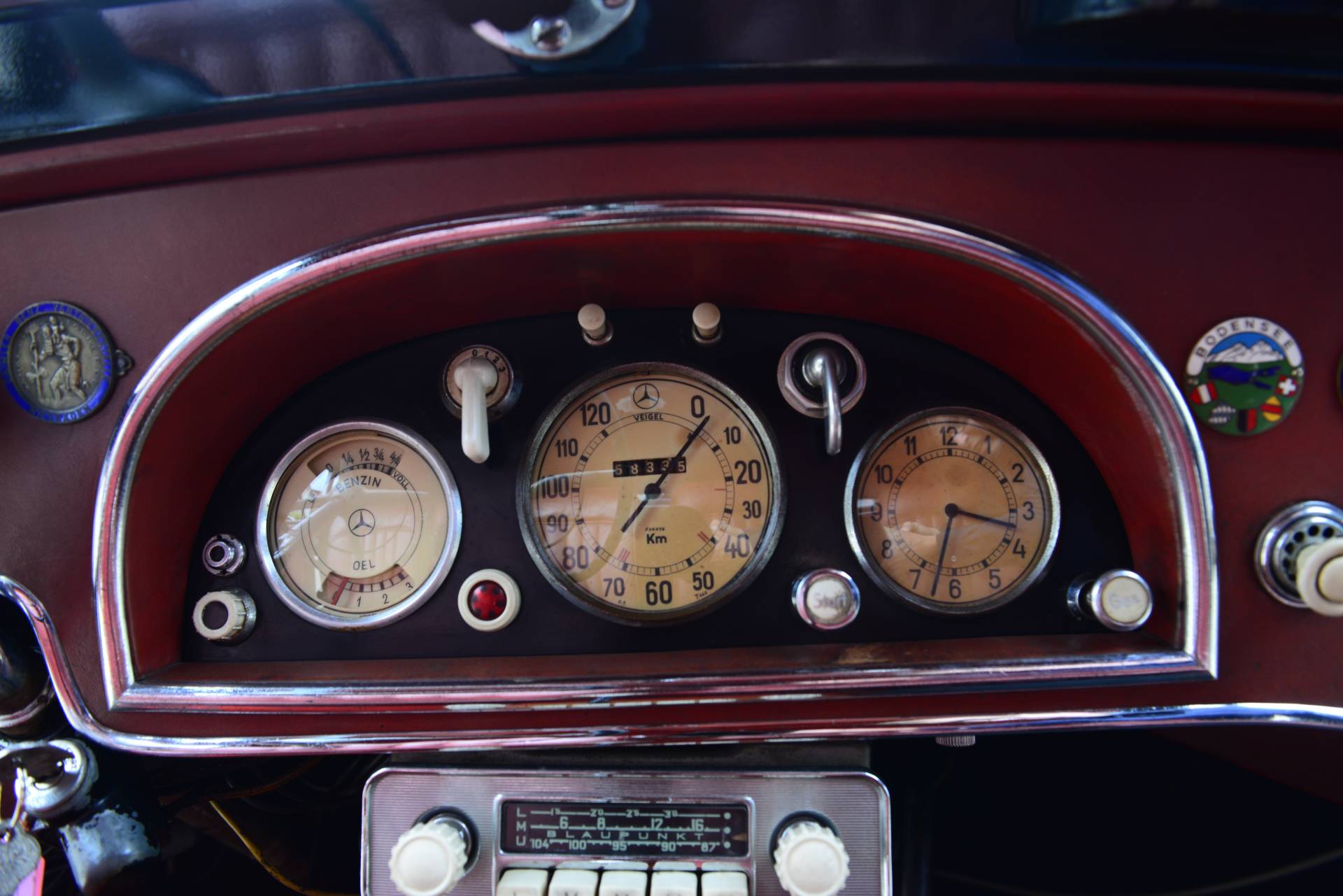
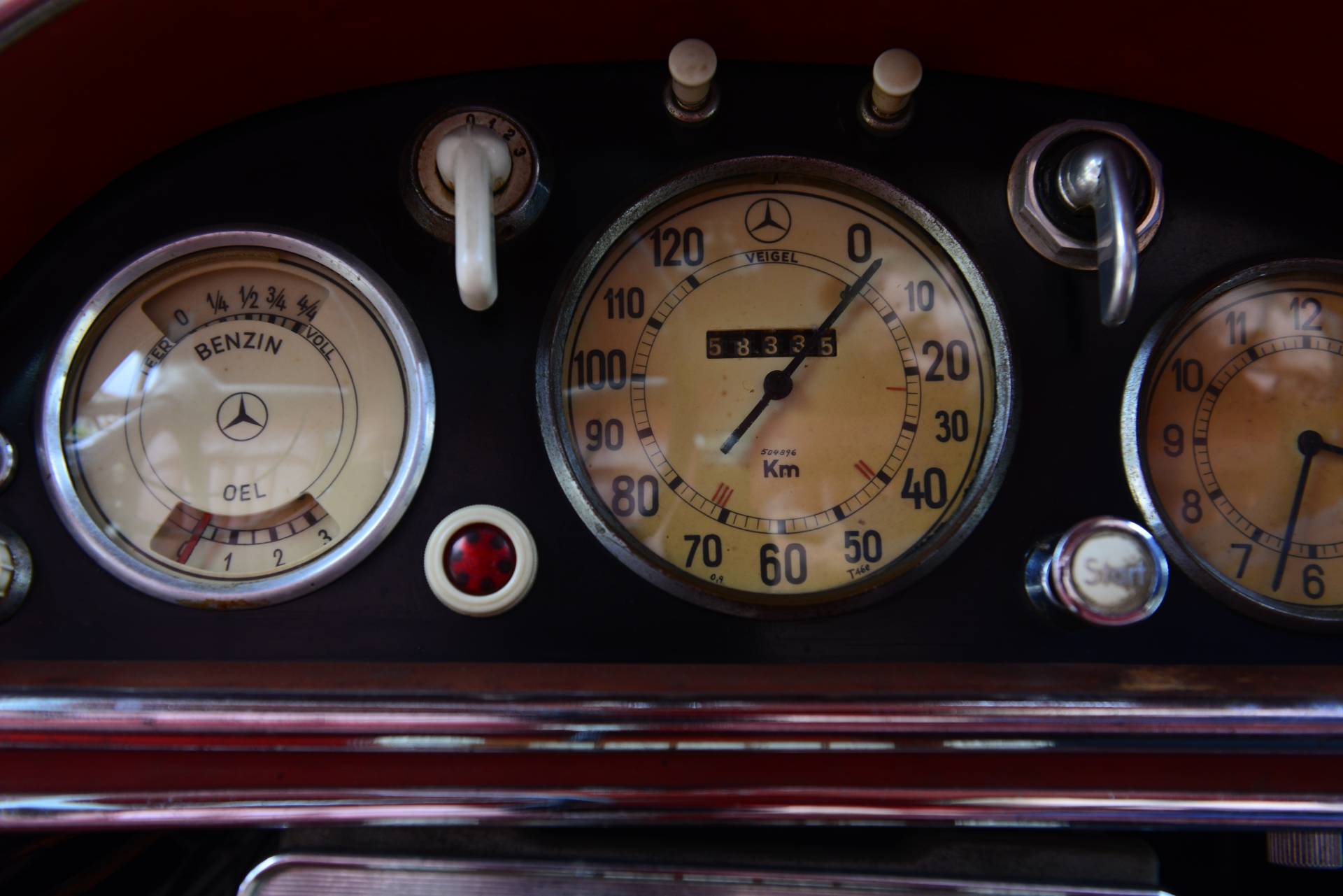
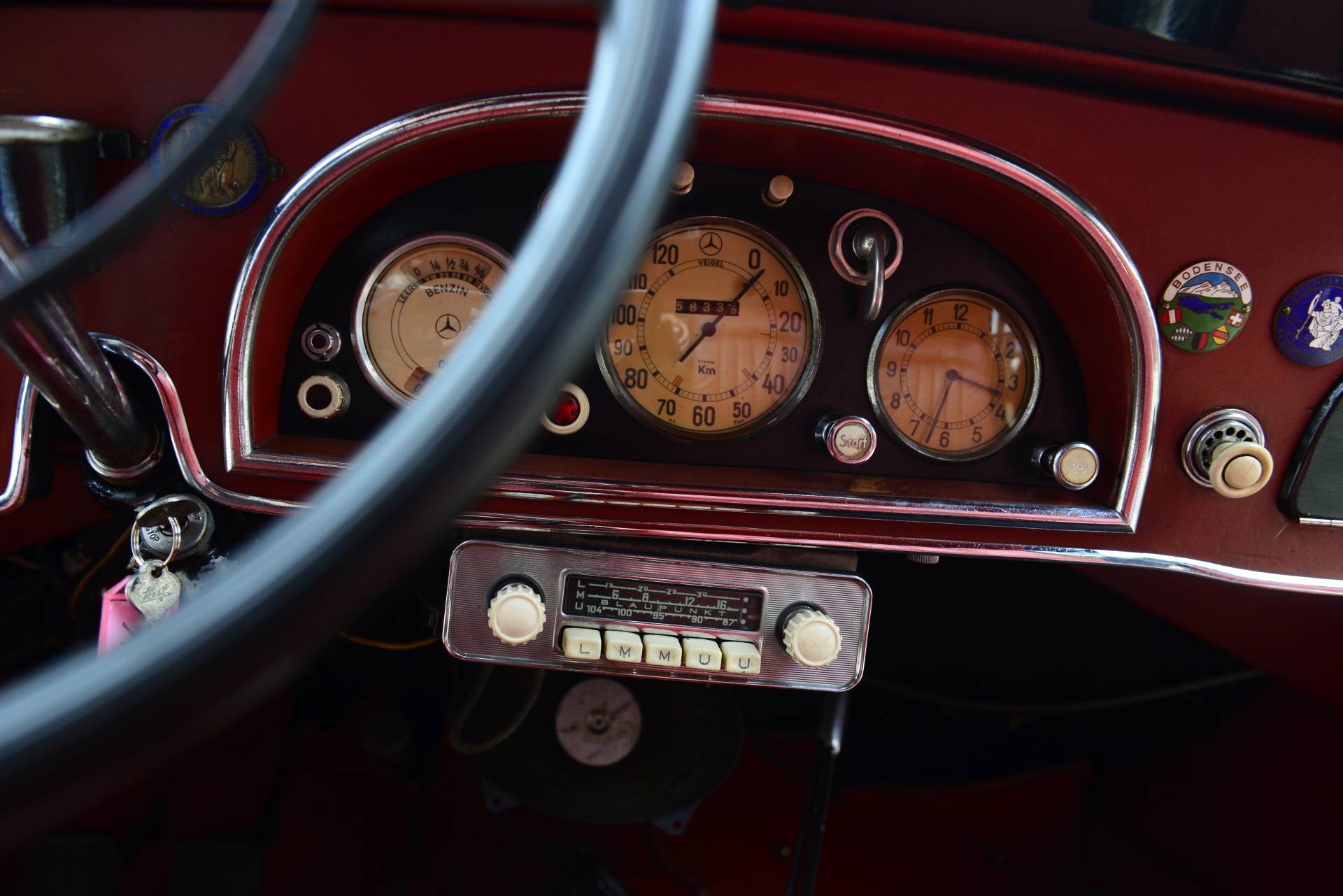
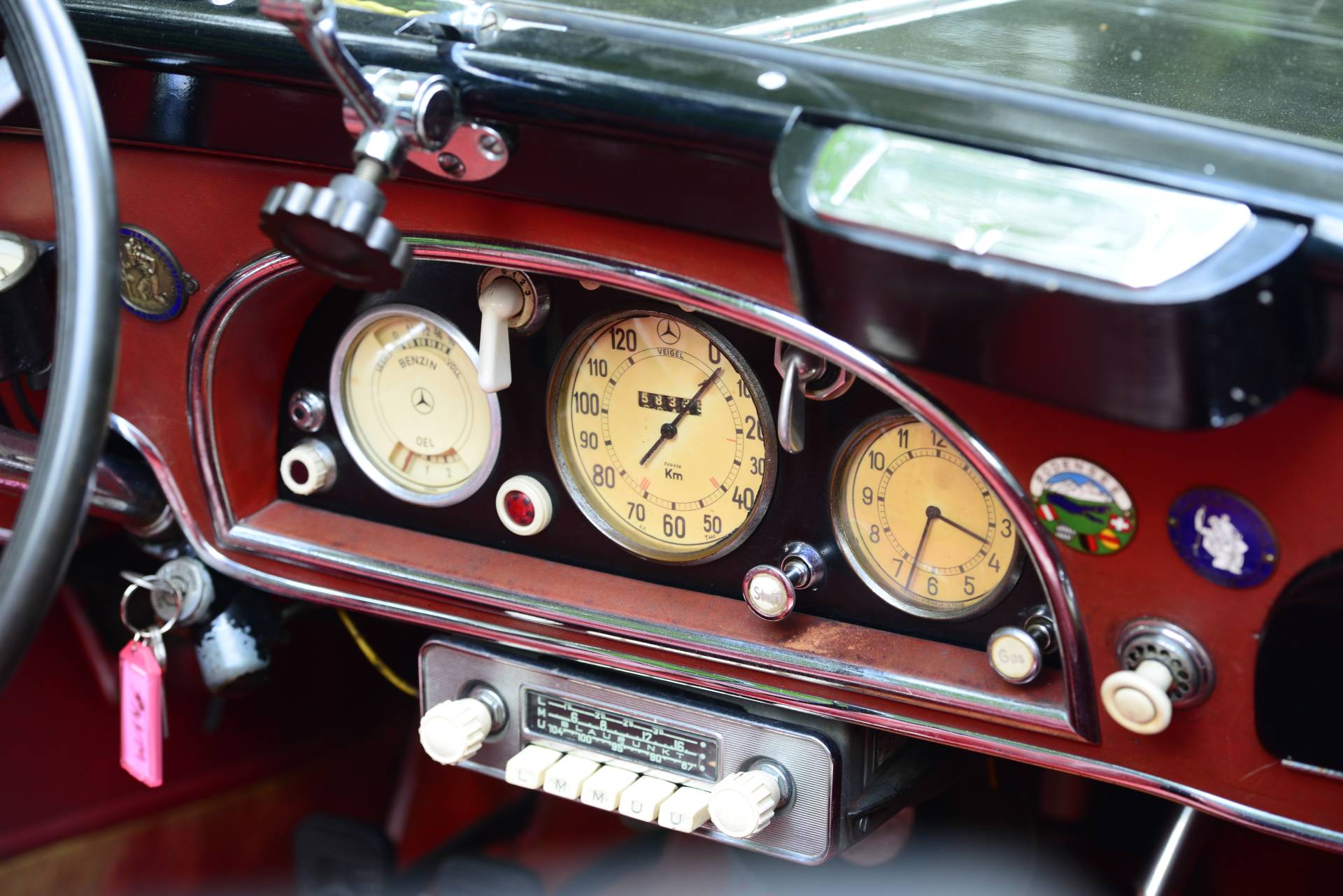
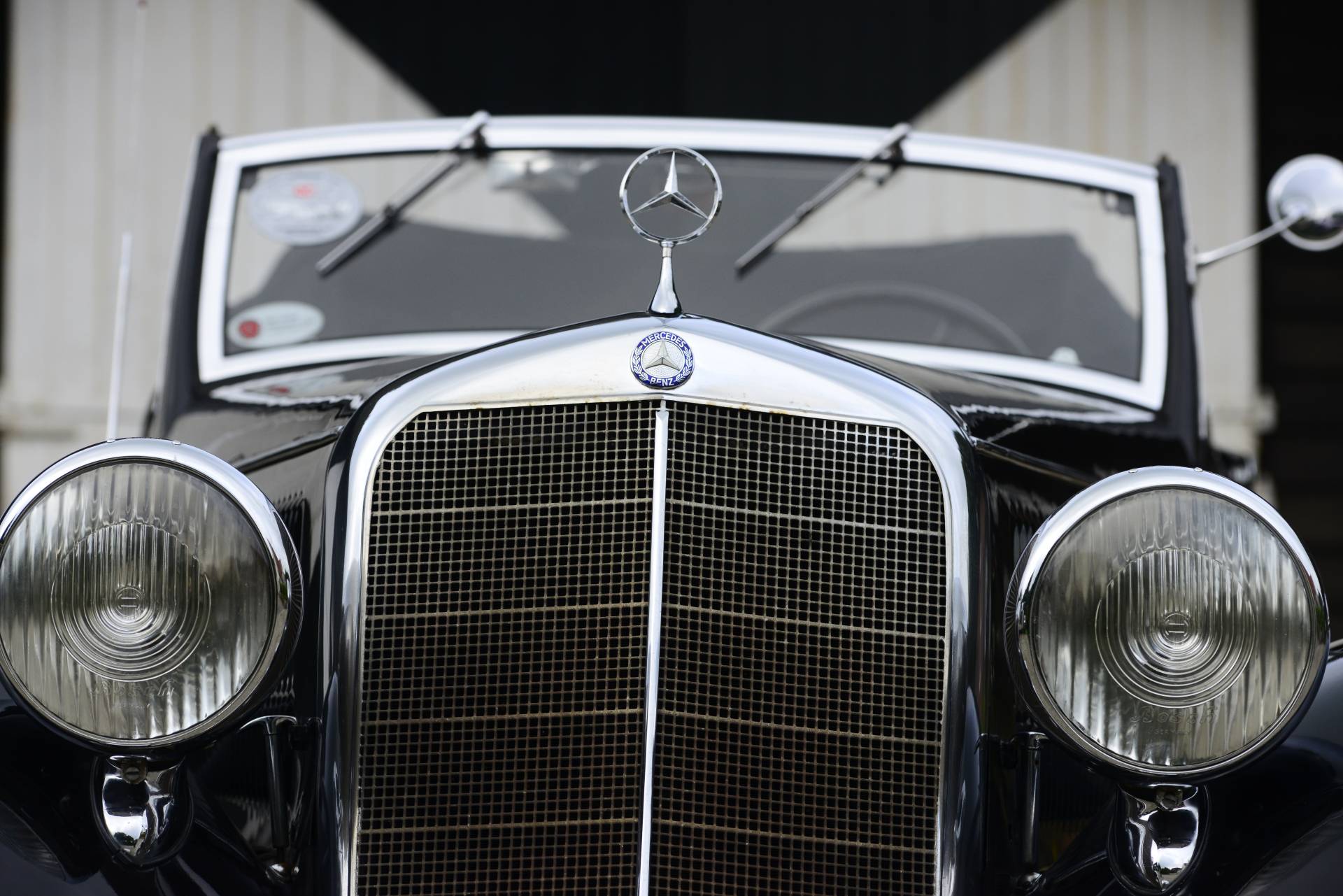
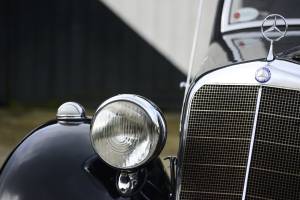
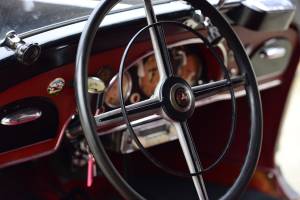
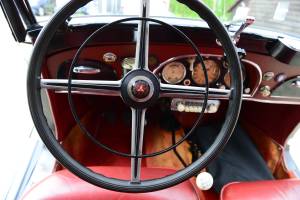
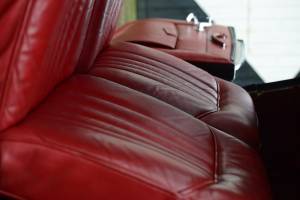
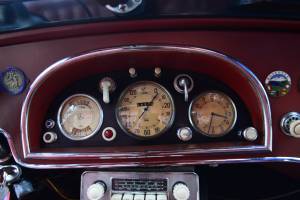
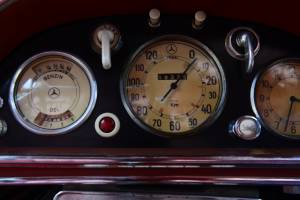
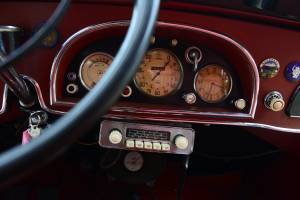
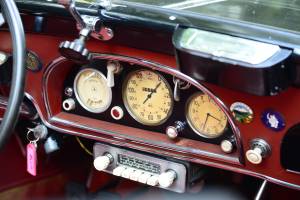
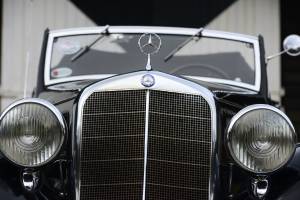
The 170 series demonstrates a blend of pre- and post-war Mercedes-Benz styling. Notable elements include chrome trim, solid steel or mixed wood-steel bodywork, classic round instruments, and interiors finished in high-grade leather or premium cloth. Dashboards were often crafted from polished wood. Accessories such as Becker radios, original luggage sets, and whitewall tyres are sought after by enthusiasts. Cabriolet versions are equipped with elegant soft tops, featuring padded headliners and robust frame mechanisms. Distinctive design features include the upright grille, long bonnet, separate fenders, and luxurious details that set the 170 apart from competitors. Many sedans came with a sunroof, and period-correct interiors feature details like solid wood inlays and unique trunk fittings, especially in long-wheelbase models.

Other Features

Most 170 vehicles have a strong provenance in business and public service, including use as staff cars, ambulances, police vehicles, and transporters. Many post-war models were supplied with all-steel bodies for greater durability. Details like original sales certificates, factory delivery notes, and historical documentation are highly valued for restoration and collection.

Summary

The Mercedes-Benz 170 series is a cornerstone in the marque’s history, combining technical innovation, broad body availability, and high levels of craftsmanship. Whether as a practical sedan, a rare factory cabriolet, or a finely-appointed director’s car, its reputation for reliability, ride quality, and classic Mercedes-Benz elegance endures. Well-documented vehicles, especially preserved or expertly restored Cabriolet A or B variants, are particularly prized by dedicated enthusiasts.