- Car
- Mercedes-Benz
- Mercedes-Benz 10/50 PS (0 offers)
Mercedes-Benz 10/50 PS W 11 Classic Cars for Sale
The Mercedes-Benz 10/50 PS Stuttgart 260 (W 11) stands as a rare sight on today’s market, bridging the gap between the Type 200 and the 350 models. Renowned for its reliability, robustness, and exclusive design features, this 2.6-litre classic is highly sought after by enthusiasts who appreciate its technical finesse and rich historical background.
Search results
Currently, there are no matching listings for your search.
Create search alert
Let yourself be notified as soon as a listing is published that matches your search filters.
Create listing
Do you have a Mercedes-Benz 10/50 PS that you want to sell? Then create a listing now.
Create listingMercedes-Benz 10/50 PS listing references from Classic Trader
Below you will find listings related to your search that are no longer available on Classic Trader. Use this information to gain insight into availability, value trends, and current pricing for a "Mercedes-Benz 10/50 PS" to make a more informed purchasing decision.
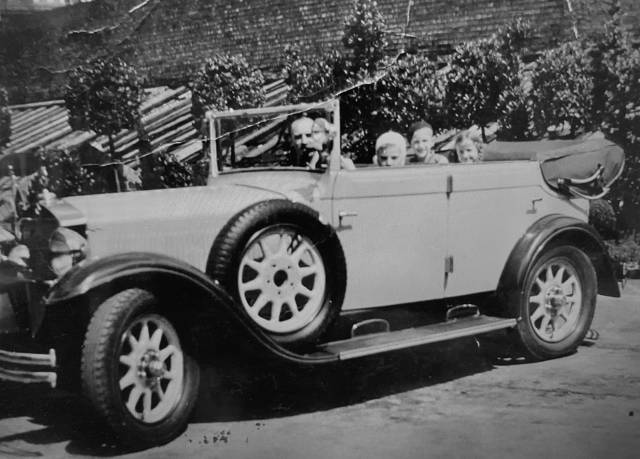
1930 | Mercedes-Benz 10/50 PS Typ Stuttgart 260
Cabrio, 1.Hand !! original Papiere / alte Fotos

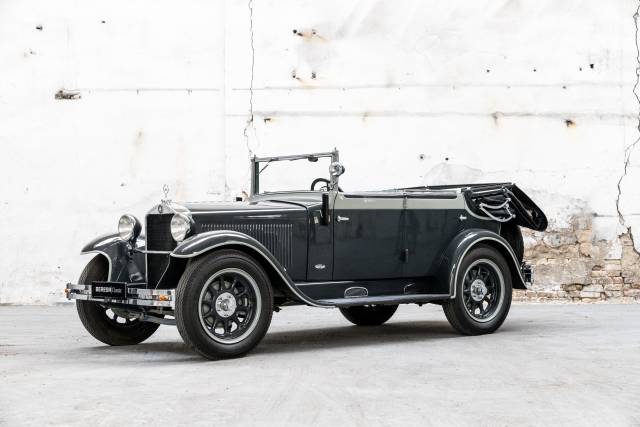
1929 | Mercedes-Benz 10/50 PS Typ Stuttgart 260
Werkscabriolet D, 3Gang
Create search alert
Let yourself be notified as soon as a listing is published that matches your search filters.
Create listing
Do you have a Mercedes-Benz 10/50 PS that you want to sell? Then create a listing now.
Create listingMercedes-Benz 10/50 PS Classic Cars: Prices & Market Values
History of the Mercedes-Benz 10/50 PS W 11
Introduced at the beginning of 1929, the Mercedes-Benz 10/50 PS, internal code W 11, quickly established its reputation as a reliable and robust vehicle in the interwar period. Born from the need to offer more performance than the preceding Zwei-Liter-Modell (Type 200), the 10/50 PS featured engineering innovations such as an enlarged bore (up to 74mm) while maintaining the stability of its predecessor’s proven engine. Produced until May 1933, with series production starting in February 1929, the model marked Daimler-Benz's commitment to appealing to a broader clientele seeking greater power at a viable price point. Its historic significance is enhanced by the fact that few survived past WWII, with many lost or exported as war trophies.
Model History
The W 11 succeeded the Zwei-Liter-Modell (Type 200) and preceded the 200 (W 21, known as ‘Schwingachsenwagen’). The W 11 was assembled until mid-1933, evolving from its predecessor by boosting displacement and adjusting to rising demand for performance. Mercedes started introducing internal codes, such as 'W' plus number, from the 1920s, and supplemented public model names with three-digit codes from 1928 onwards, referencing the rounded engine displacement. This systematic approach paved the way for the nomenclature used in generations to follow.
Highlights of the Mercedes-Benz 10/50 PS W 11
The 10/50 PS stands out due to its robust 2.6-litre M11 engine based on a stable two-litre aggregate, enhanced reliability, and conservative styling geared towards durability. The luxury variant featured nickel-plated bumpers, wheel covers, chromed trims, and a classically configured dashboard with a standard clock and covers for the suspension—a level of detail unusual in its segment at the time. The exclusive Cabriolet D was the most expensive option, underlining the model’s appeal to status-conscious buyers.
Technical Data
Special Editions and Notable Variants
The Cabriolet D variant of the 10/50 PS, with four seats and four doors, was the pinnacle of luxury within the W 11 series. Priced at 10,600 Reichsmark at release, this edition is particularly notable due to its rarity and premium configuration, representing the exclusive end of the model range.
Engine, Performance, Transmission and Handling
The 2.6-litre M11 engine delivered greater performance compared to its predecessor, answering the period’s growing demands for power in the increasingly motorized society. The engine’s increased bore enabled smoother acceleration and higher top speeds, while its underlying reliability made it a preferred choice in the affordable automobile segment of its era. The rear-wheel drive and conventional mechanical layout contributed to safe, predictable handling suitable for long journeys on roads of the late 1920s and early 1930s. - Mercedes-Benz 10/50 PS Stuttgart 260 Cabriolet D (4-door, high spec, luxury morsel)
- Mercedes-Benz 10/50 PS "Luxus" (with all chrome and nickel design upgrades)
Interior, Comfort, Exterior and Design
The W 11 embodied conservative yet premium design, with luxury versions featuring nickel-plated bumpers, wheel hubcaps, headlamp trims, and radiator connections. Window surrounds and headlight connecting rods were finished in shining metallic tones, lending the car an upmarket presence. The cabin was equipped with a classic dashboard sporting a speedometer and a standard-issue clock, while protective boots for the suspension came as standard. Accessory offerings included comfort features expected by discerning buyers in the late 1920s and early 1930s, further underlining the car’s sophisticated appeal.
Other Interesting Facts
Production was relatively short and focused, with 3,640 units manufactured by February 1929, and total output remaining modest. The introduction of three-digit sales model numbers at Daimler-Benz, starting in 1928, represents an industry milestone in branding and helps explain why this model is instantly identifiable to marque historians.
Summary
The Mercedes-Benz 10/50 PS Stuttgart 260 (W 11) delivers a unique blend of dependable mechanicals, refined luxury and understated design. Built in limited numbers, with survivors now extremely rare, the W 11 has become a focal point for collectors of pre-war Mercedes-Benz automobiles, standing as a snapshot of late 1920s German automotive engineering and stylistic practice.