Maserati Merak classic cars for sale
From 1972 to 1983, the Maserati Merak set a new standard for mid-engine Italian sports cars by pairing 2+2 practicality with a V6 powerplant, wrapped in a body styled by Giorgetto Giugiaro. Sharing much of its structure with the Bora but distinguished by its more compact engine and unique rear buttresses, the Merak stands out for its blend of performance and exclusivity, with only about 1,830 produced in total.
Search results
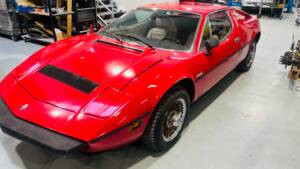
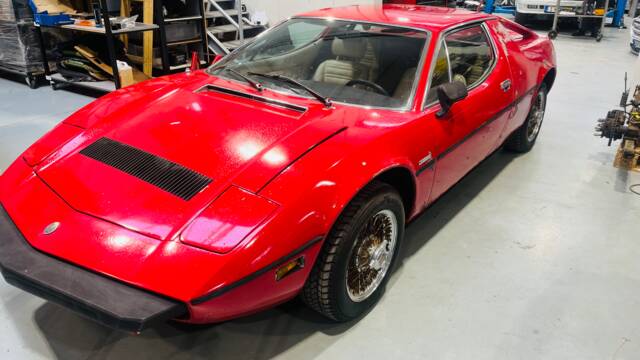
1974 | Maserati Merak
Maserati Merak
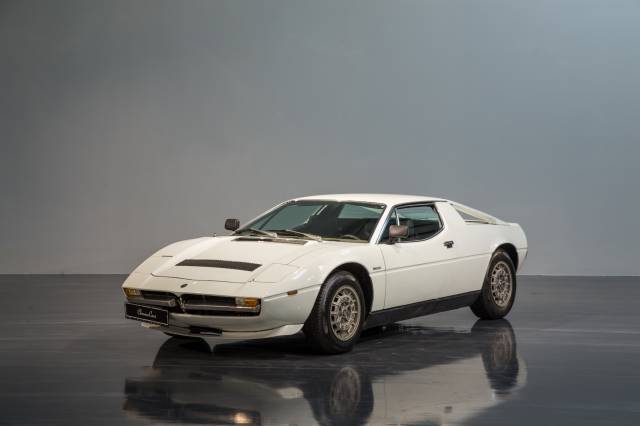
1976 | Maserati Merak SS
Mit ovalen Instrumenten
Auctions ending soon

Loading…
Loading…
Loading…
Loading…
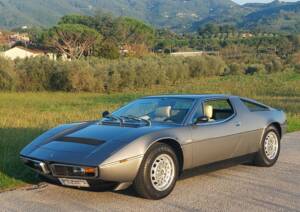
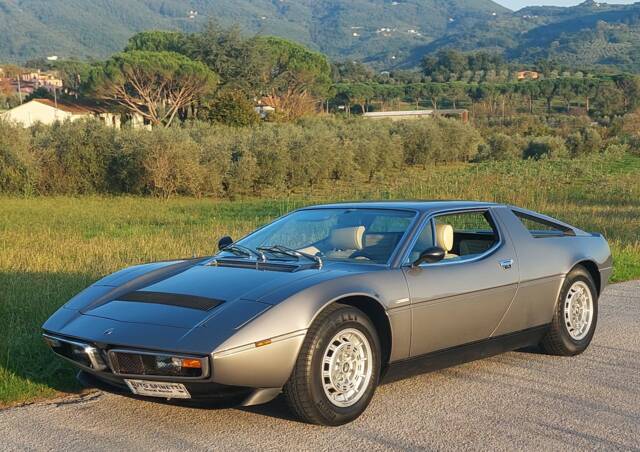
1979 | Maserati Merak SS
Maserati Merak SS 1979
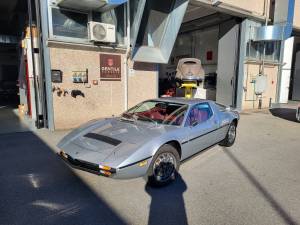
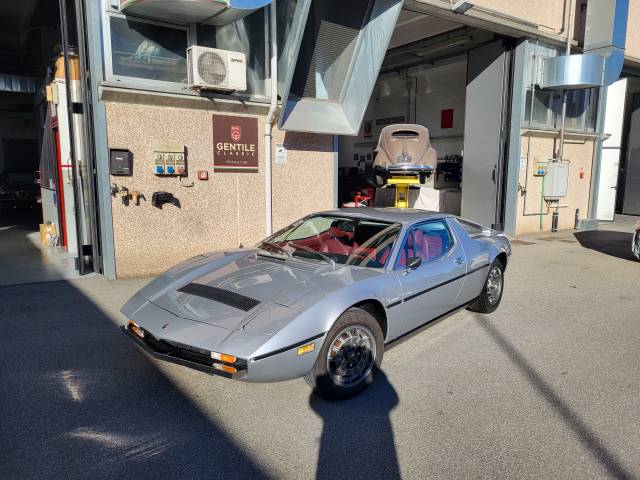
1974 | Maserati Merak
AUTO CONSERVATA DI IMPORTATAZIONE AMERICANA NEL 1994 CILINDRATA 3000
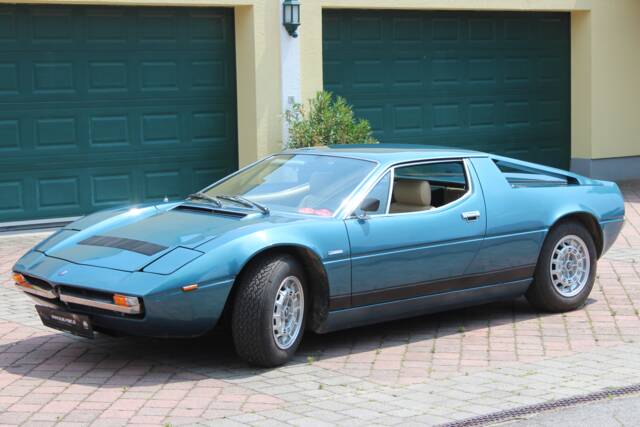
1976 | Maserati Merak SS
Merak SS aus Sammlerhand
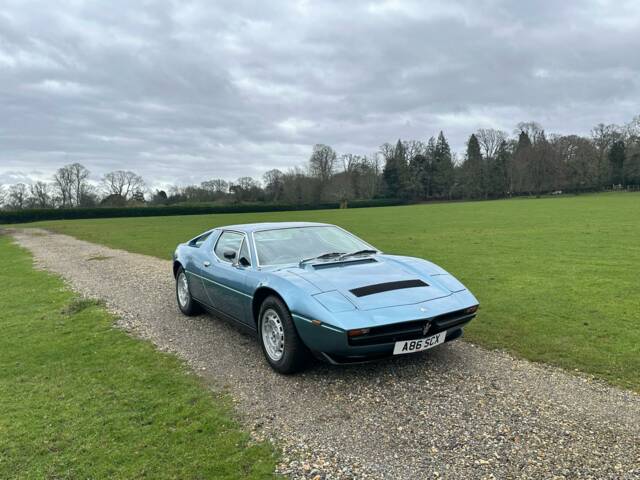
1983 | Maserati Merak SS
1983 Maserati Merak SS only 51,000 miles from new
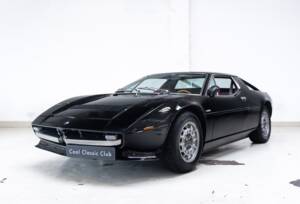
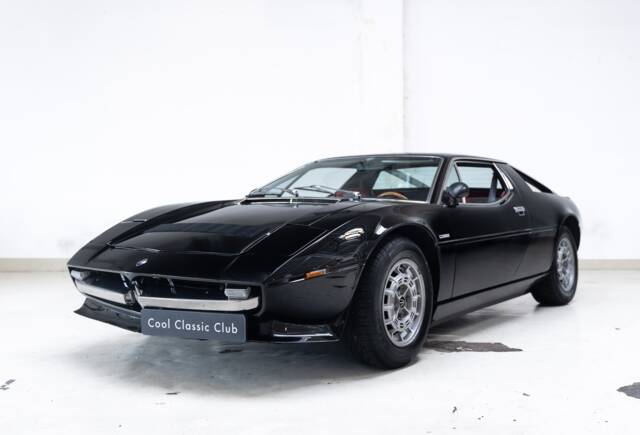
1974 | Maserati Merak
3000 - Long Term Ownership - Italian Delivered
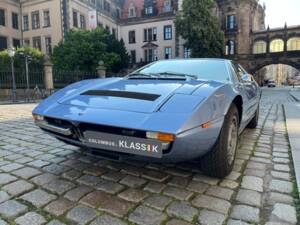
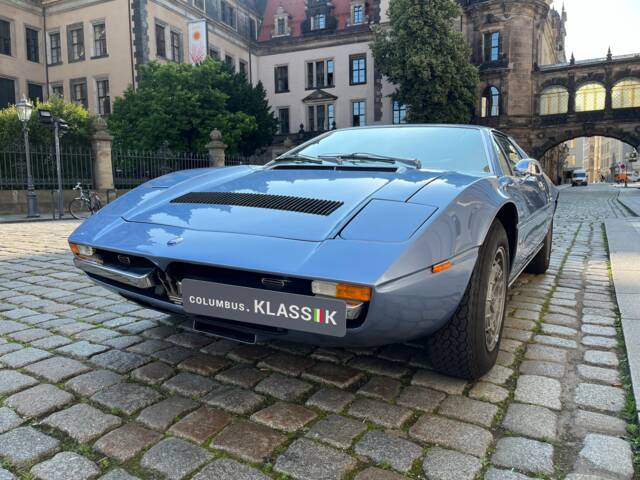
VAT is reclaimable
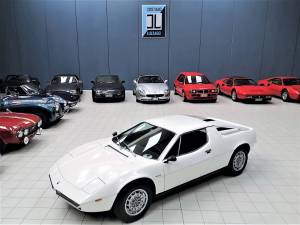
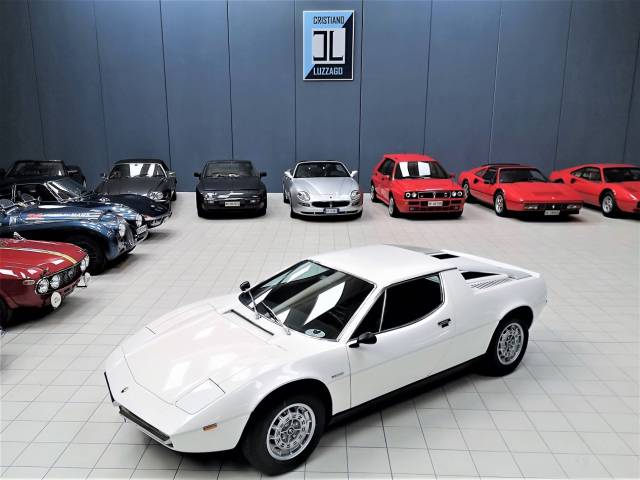
1973 | Maserati Merak
1973 MASERATI MERAK 3000
Maserati Merak listing references from Classic Trader
Below you will find listings related to your search that are no longer available on Classic Trader. Use this information to gain insight into availability, value trends, and current pricing for a "Maserati Merak" to make a more informed purchasing decision.
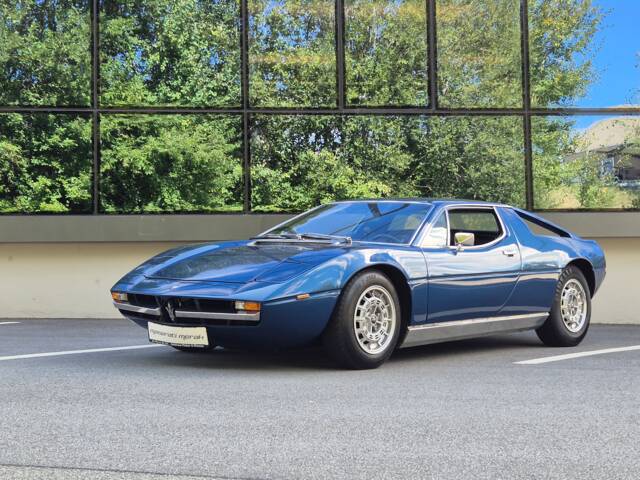
1974 | Maserati Merak
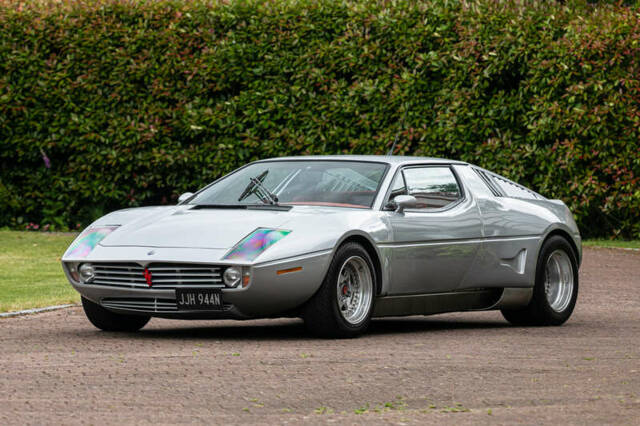
1975 | Maserati Merak
1975 Maserati Merak by Saurer - One of One
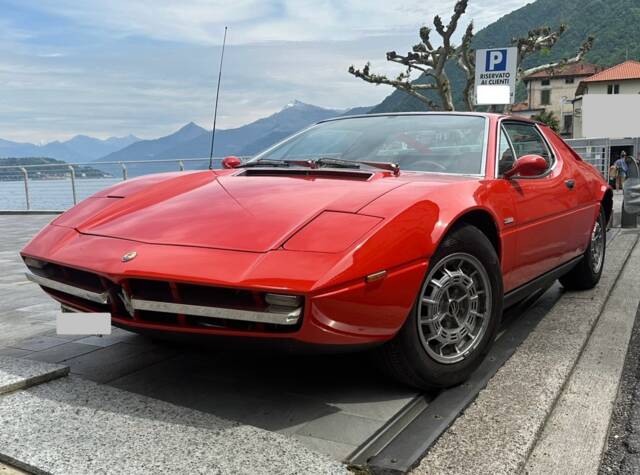
1974 | Maserati Merak
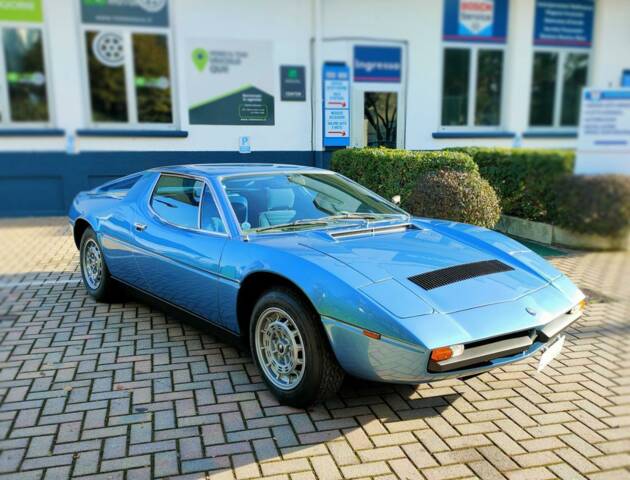
1981 | Maserati Merak 2000 GT
MASERATI Merak 2.0 V6
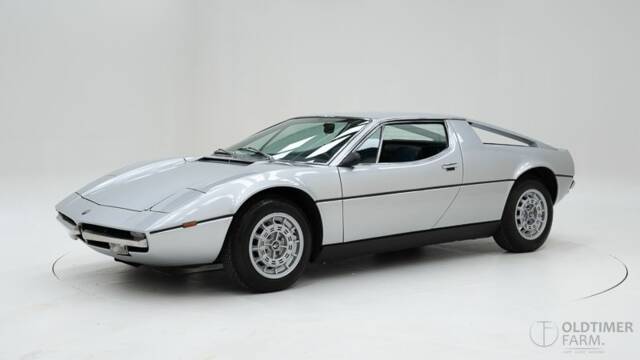
1974 | Maserati Merak
1974 Maserati Merak '74
Maserati Merak Classic Cars: Prices & Market Values
The market value of Maserati Merak classic cars is primarily determined by technical condition, originality and mileage, as well as rarity, history and documentation. A well-maintained, largely original vehicle with low, verifiable mileage and complete history including appraisals and documentation typically achieves significantly higher prices than a comparable vehicle with deferred maintenance, many modifications or unclear provenance.
Maserati Merak: Market Prices & Value Trends
Based on Classic Trader marketplace sales data from February 2021 to January 2026, the Maserati Merak market in Europe looks broadly stable with a gentle upward bias for better, more collectible variants. Most recent asking prices cluster in the mid-market rather than at extremes, suggesting a firm baseline for sound, usable cars. Across Merak, Merak 2000 GT and Merak SS examples (typically 1972–1983), a realistic current price range is roughly €55,000 to €80,000, with well-presented Merak SS cars often sitting towards the top of that band. Cheaper entries do appear below €50,000, but these tend to be less representative and can reflect condition, specification or sale context, so they should not be treated as the going rate. Higher headline prices approaching €95,000–€100,000 occur occasionally and read more like top-condition, provenance-led cars than the norm. Italy, Germany and the Netherlands account for many of the data points, indicating strong continental demand. The Merak’s recent resilience is supported by low production, period Giugiaro styling and growing interest in 1970s/1980s mid-engined Italian GTs.
History of the Maserati Merak
The Maserati Merak debuted at the 1972 Paris Motor Show as Maserati’s answer to the mid-engined sports car craze of the decade. Maserati, under Citroën’s ownership, took the platform of the Bora and replaced the V8 with a lighter, more compact 3.0-litre V6 derived from the Citroën SM, freeing up space for two additional rear seats. The Merak’s name, unlike other Maserati models, is drawn from a star in the Ursa Major constellation. Production ran until 1983, marking the last of the classic-era mid-engined Maseratis before a major shift in company ownership and direction. The car’s debut during the oil crisis, combined with Italian tax regulations, influenced the development of variants like the 2000 GT.
Model Range and Evolution
The Merak was introduced as a more accessible counterpart to the Bora, both in terms of price and mechanical complexity. Initially delivered with Citroën-designed hydraulics and a four-speed gearbox, it quickly evolved: By 1975, the Merak SS brought not only a power boost to 220 hp, but also lighter construction and a distinctive black grille vent on the bonnet. Earlier dashboards were pure Citroën in inspiration, later replaced by Maserati-specific interiors from the SS onward. The 2000 GT model, produced for the Italian market due to tax rules, featured a 2.0-litre V6 and rare details like a black side stripe and unique bumpers—making it the scarcest Merak, with fewer than 200 built. All versions were built on the Tipo AM 122 chassis. Production ended in 1983, with no direct successor.
Highlights and Market Data
- Mid-engine layout gave the Merak agile handling and a 2+2 seating arrangement rare among its competitors.
- Designed by Giorgetto Giugiaro at Italdesign, maintaining taut geometric lines at the front—shared with Bora—while using distinctive flying buttresses to the rear.
- The Merak SS variant saw reduced weight and higher output, thanks to three Weber 44 DCNF carburettors and compression raised to 9:1, with acceleration from 0–100 km/h in as little as 6.5 seconds for some examples.
- Early models feature intricate Citroën hydraulic systems, later phased out in favour of simpler Maserati mechanicals.
- Low total production: about 1,830 cars (with around 1,000 SS).
- Interior ranges from Citroën-influenced (early cars) to classic Maserati with round gauges and sport steering wheels (SS and later).
- Factory colours included flamboyant schemes like Rosso Fuoco (red), Carta da Zucchero (light blue for 2000 GT), and metallic gold.
- The Merak (Tipo AM 122) represents 100% of all classic Maseratis of this model listed on our marketplace, indicating it is the exclusive representative for this make/model in current classic car listings.
- Demand for the Merak is equally concentrated, making up 100% of Maserati listing views for the series, showing a focused and loyal interest among enthusiasts and collectors.
Technical Data
Special Editions and Collectible Models
- Merak SS: Built from 1975, featuring a power hike to 220 hp via upgraded carbs and compression. Lighter weight—about 50 kg less than the base model—faster acceleration, and visual differences like the vented black bonnet grille. Around 1,000 built.
- Merak 2000 GT: The tax-friendly Italian-market version with a 2.0-litre V6, black decorative stripes, matte black bumpers, and 'Carta da Zucchero' blue available, making it the rarest Merak with an estimated 196–200 produced.
- US versions: Modified bumpers, reduced Citroën hydraulics, some models with right-hand drive, totalling approximately 300 units within the SS batch.
Weak Spots and Common Issues
- The V6 engine is prone to exhaust valve weaknesses—these should be replaced preventively, as failure can cause severe damage.
- Head gaskets often fail on cars that are rarely driven or left unused for long periods.
- Valve guides may wear excessively, causing blue exhaust smoke—repairs are costly and may reveal further underlying problems.
- Engine spare parts can be challenging to source and are expensive, especially for rare versions.
- Early models use Citroën’s complex and failure-prone hydraulic systems for brakes and clutch; later cars switched to Maserati mechanicals, which are less problematic.
- Gearbox (mainly the Citroën-based 5-speed) is robust, though synchro rings can wear; hydraulic clutches in SS are maintenance-intensive.
- Suspension: Ageing cars often suffer from worn bushings, dampers, and springs, causing vague handling—comprehensive replacement is usually needed.
- Braking system requires frequent attention. The early design with inboard rear discs is especially prone to trouble.
- The body is susceptible to rust, often concealed around the chassis frame, sills, inner wings, front suspension mounts, and fuel tank enclosures. Hidden corrosion is a persistent risk.
- Very limited passive safety: no airbags or modern crash structures.
- Routine maintenance is cost-intensive for a classic, exacerbated by the specialised knowledge required for both French (Citroën) and Italian technical aspects.
- Parts availability varies by variant; expert support and records are essential. Only cars with thorough documentation/history are recommended for purchase.
Engine, Performance and Handling
The Merak’s 3.0-litre V6 (and the 2.0-litre for the 2000 GT) delivered brisk performance in the context of the 1970s, with SS models capable of 245–250 km/h and 0–100 km/h in under 7 seconds, thanks to triple Weber carburettors and reduced curb weight by approximately 50 kg over earlier models. Independent suspension and disc brakes all round ensured agile, responsive handling, making the Merak feel more nimble than the larger, heavier Bora. Critically, steering and brake feel improved as the problematic Citroën systems were phased out in later versions, further sharpening the driving experience. The car’s balance, direct steering, and pronounced engine note all contribute to a uniquely Italian sports car feel. Popular variants to highlight:
- Merak SS (1975–1983): 3.0-litre V6, 220 hp, lighter chassis, improved dashboard (Maserati style), black front grille, and enhanced mechanicals. Most sought-after for performance-oriented drivers.
- Merak 2000 GT (1977–1983): Unique to the Italian market, features unique paintwork, 2.0-litre V6, rarest of all Meraks.
Design: Interior, Comfort, Exterior
Styled by Giorgetto Giugiaro, the Merak embodies 1970s Italian sports car geometry—wedge-shaped with a low bonnet line and flying rear buttresses. Early Meraks share front panels with the Bora, while the rear end is lighter and fitted with open buttresses instead of glass. Wheels are Campagnolo alloys (silver, gold for some variants).
The cockpit evolved from Citroën-inspired dashboards, oval dials, and unique controls to Maserati’s own round-gauge dashboard in the SS, providing a more traditional Italian sports car ambience. Upholstery ranged from synthetic to leather, with some models featuring plush carpets and even air conditioning. Later cars included a refined three-spoke steering wheel and simpler instrumentation. Cabin ergonomics are pure Italian: compact sports steering wheel, offbeat gauge layout, and seats designed for style over prolonged comfort. Special colours such as Carta da Zucchero blue (2000 GT), gold, deep red, and vivid silvers underline the bespoke approach of 1970s Maserati. Accessories sometimes included air con, cigarette lighters, and sports interior trims—always in line with period tastes.
Other Relevant Features
Documentation and originality are prized; most collector-grade Meraks will have Maserati Classiche certification or full provenance. Parts for rare versions (2000 GT or early Citroën-interior models) pose a higher logistical challenge, though the standard service for common wear is manageable. The Merak’s place in popular culture and the unique crossover of Citroën and Maserati engineering adds to its curiosity value among Italian car connoisseurs.
Summary
With production numbers just shy of 2,000 units and engineering shared between Italian and French innovators, the Maserati Merak stands apart from typical classic sports cars of its era. Its 2+2 cockpit, V6 performance, and Giorgetto Giugiaro’s sharp design make it a unique offer in the world of 1970s exotics. For those drawn by agile dynamics and sculptural Italian style—tempered with an appetite for hands-on maintenance—the Merak is the Maserati to look for.