Maserati 3500 GT Classic Cars for Sale
The Maserati 3500 GT marked Maserati's successful entry into series production, blending motorsport engineering with luxurious grand touring comfort. Produced between 1957 and 1964, the 3500 GT is prized by enthusiasts for its straight-six engine, elegant bodywork mainly by Touring and Vignale, and technological innovations like Lucas fuel injection and disc brakes. Explore available 3500 GT coupés, Spyders, and Sebrings with detailed provenance and collector appeal.
Search results
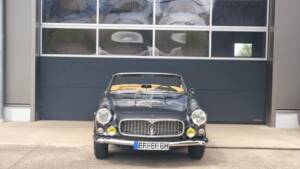
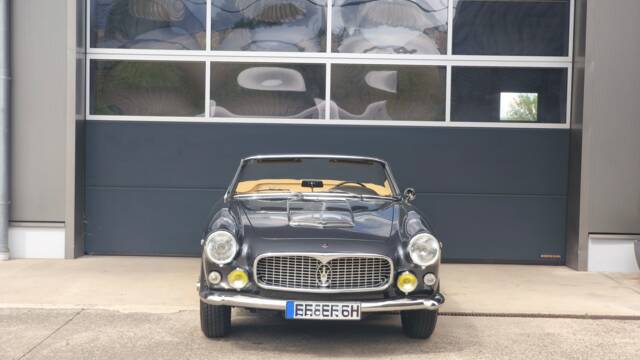
1962 | Maserati 3500 GT Spyder Vignale
*Frame Off*Historie*All Matching*

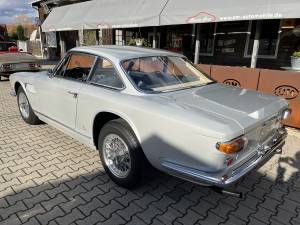
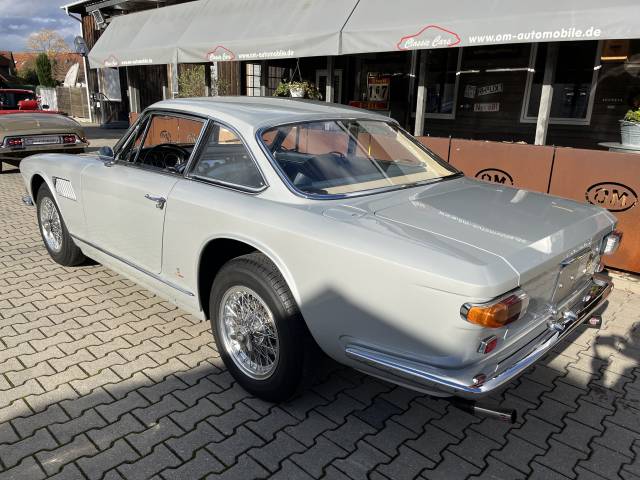
1965 | Maserati 3500 GTI Sebring
*nut and bolt restored * perfect !*
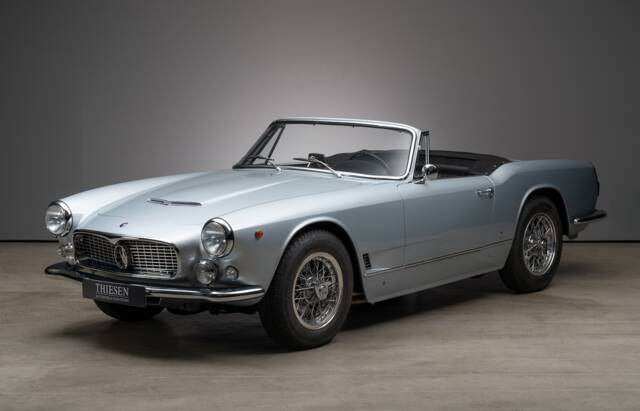
1962 | Maserati 3500 GT Spyder Vignale
3500 GT Vignale Spyder - Pariser Automobilsalon 1961 -
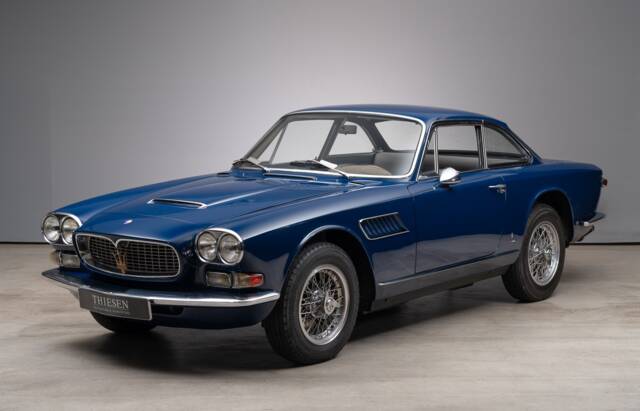
1967 | Maserati 3500 GTI Sebring
Sebring 3500 GTI Series II - Coupé
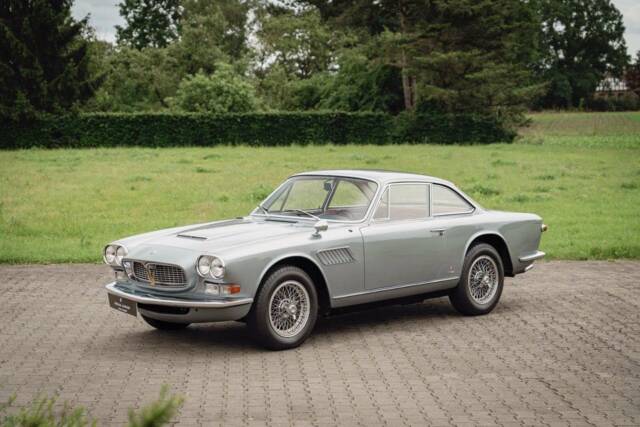
1966 | Maserati 3500 GTI Sebring
Maserati Sonstige
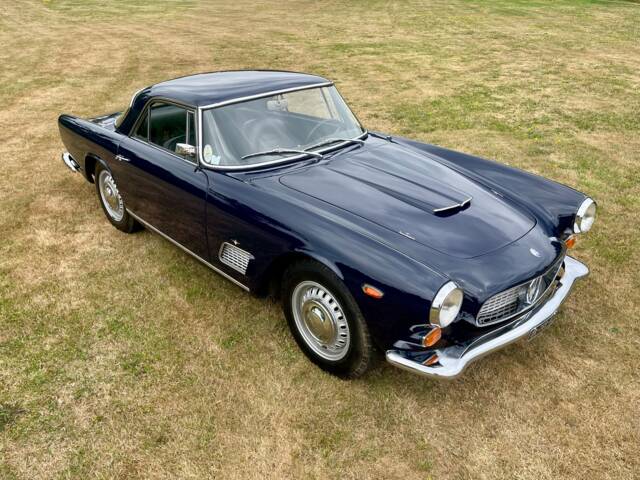

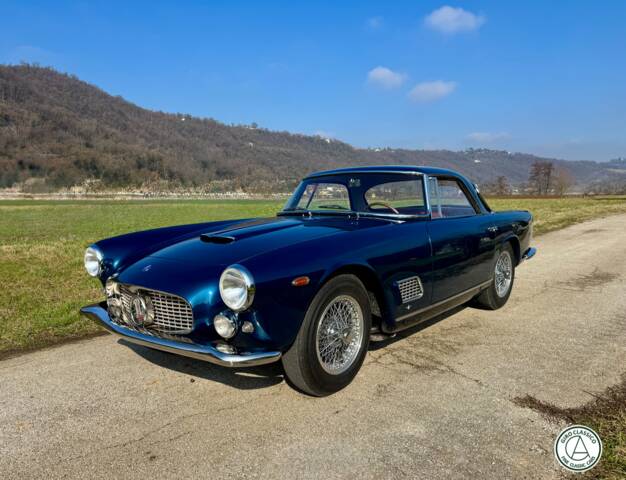
1961 | Maserati 3500 GT Touring
One of the Final Carbureted Examples Produced Equipped from New with Borrani Wire Wheels Limited-Slip Differential ZF S5/17 5-Speed Gearbox and Four-Wheel Disc Brakes

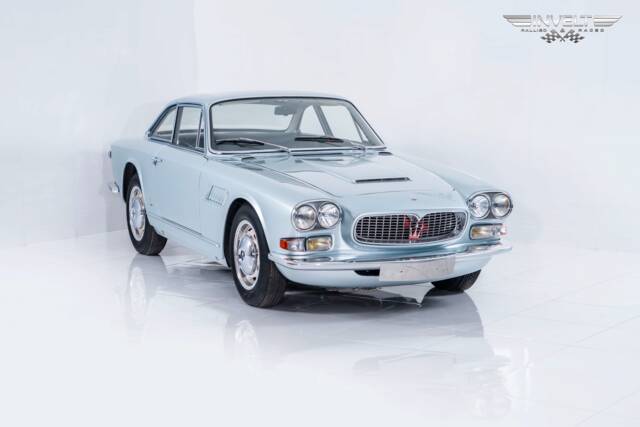


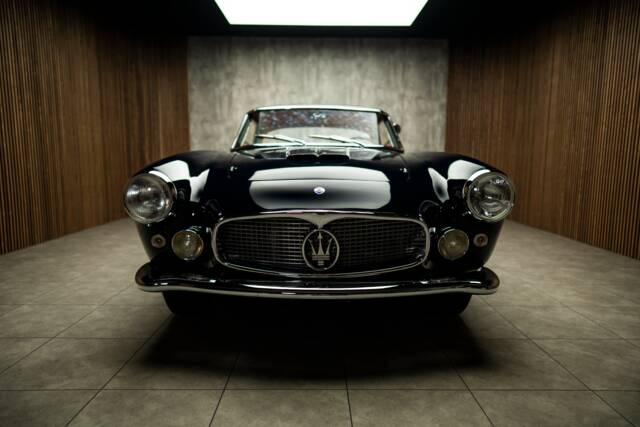
1957 | Maserati 3500 GT Touring
Tridente Colonia - Collezione perfetta del Curbs Club
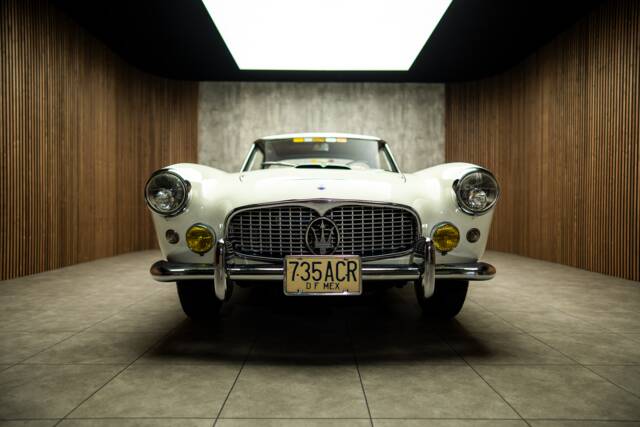
1959 | Maserati 3500 GT Touring
in original, unrestored and excellent condition!!!!
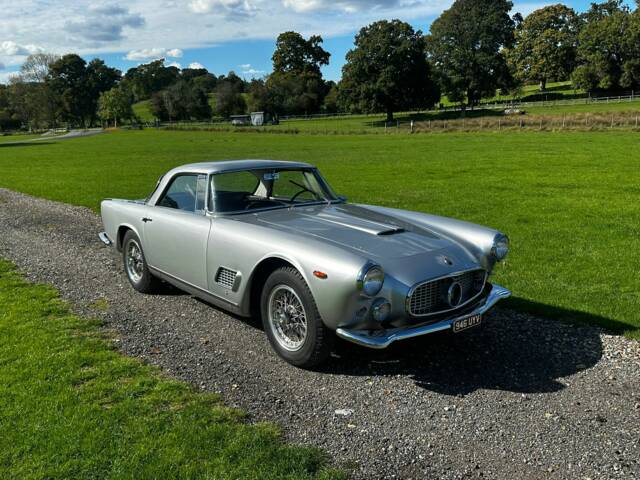
1961 | Maserati 3500 GT Touring
1961 Maserati 3500GT Touring Superleggera

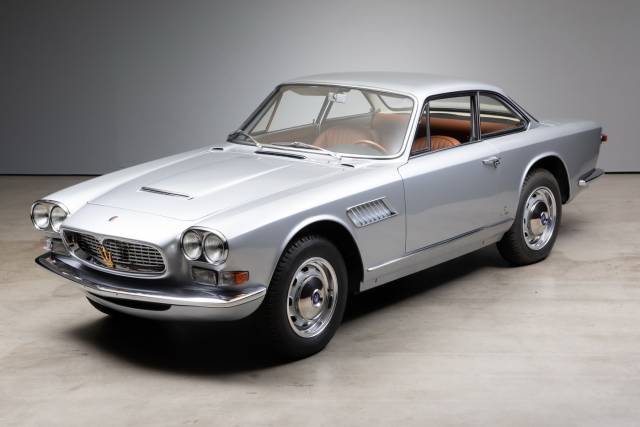
1966 | Maserati 3500 GTI Sebring
3500 GT Sebring Serie II Coupé
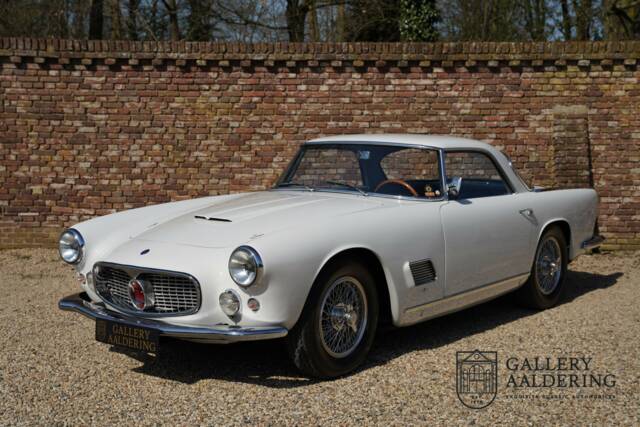
1958 | Maserati 3500 GT Touring
Maserati 3500 GT Touring One of 50 first production-cars, In unrestored and very well preserved condition, "Matching numbers" example. According to connoisseurs a fine example of originality, Original livery 'Grigio Bianca with Blu' leather, Certified by Maserati Classiche, Newly delivered by Martinelli & Sonvico in Bienne-S

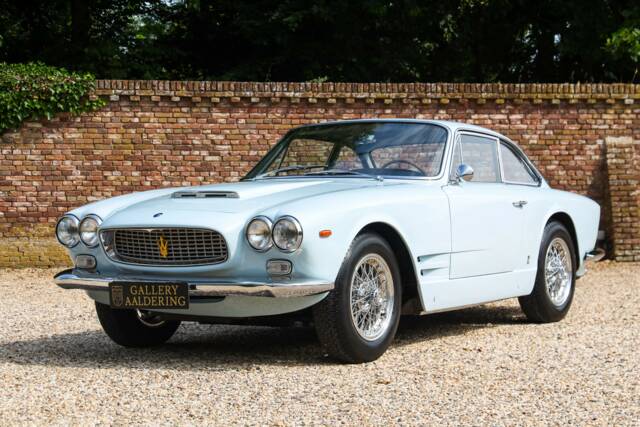
1964 | Maserati 3500 GTI Sebring
Maserati Sebring 3500 GTi "From the 1st Series" Among the Sebrings - a unique example in the colour “Acqua di Fonte”, Purchased in 1964 from Baron “Toulo” de Graffenried - the Maserati Grand Prix driver, Based in Lausanne for a long time, The history file includes: invoices - photos - historical facts and more!, An interesting list of owners - mostly connoisseurs,Maserati certified with the appropriate documents,
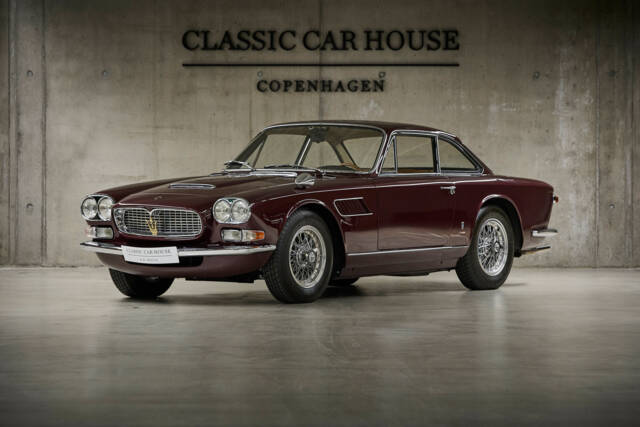
1966 | Maserati 3500 GTI Sebring
Maserati Sebring 3500 GTi - Concours condition

Maserati 3500 GT Classic Cars: Prices & Market Values
The market value of Maserati 3500 GT classic cars is primarily determined by the specific manufacturer code and variant, as well as technical condition, originality and mileage. Additional factors include rarity, history and documentation. A well-maintained, largely original vehicle with low, verifiable mileage and complete history including appraisals and documentation typically achieves significantly higher prices than a comparable vehicle with deferred maintenance, many modifications or unclear provenance.
Maserati 3500 GT: Market Prices & Value Trends
Based on Classic Trader marketplace sales data from February 2021 to January 2026, the Maserati 3500 GT market looks broadly stable with a firming bias in the past 12–18 months, especially for well-presented, matching-numbers cars. Most activity sits in mainland Europe (notably Germany, Italy, the Netherlands and Switzerland), with UK-priced examples appearing at similar upper-market levels. Across the core coupé models such as the 3500 GT Touring (1958–1963) and 3500 GTI Sebring (1962–1968), realistic current asking values typically fall in the €180,000 to €280,000 bracket, with condition, restoration quality, originality and specification (e.g., fuel-injected “GTI”, later higher-output cars) driving the spread. A small number of low-priced offerings sit well below the market and should be treated cautiously as outliers, while the rare 3500 GT Spyder Vignale commands a separate tier, often well above €600,000. For buyers, this points to a mature, quality-led market where the best cars hold value thanks to rarity, coachbuilt appeal and strong collector demand.
History of the Maserati 3500 GT
The Maserati 3500 GT premiered at the 1957 Geneva Motor Show as Maserati's first true series-production road car, ending a tradition of creating one-off race-focused vehicles. Developed as a response to demand for refined yet powerful grand tourers, it was designed primarily by Carrozzeria Touring, using the company's signature Superleggera (lightweight tube frame with aluminium panels) construction. The convertible Spyder model, styled by Giovanni Michelotti for Vignale, appeared in 1958. By the end of production in 1964, over 2,200 units were built, including the rare Spyders and later Sebring models. The car's racing pedigree was reflected in victories and participations in events like the Mille Miglia. The 3500 GT paved the way for the Mistral and Sebring successors, solidifying Maserati's reputation in luxury GT manufacturing.
Model Evolution and Series Overview
The 3500 GT replaced the A6G/54, taking over as Maserati’s first widely produced grand tourer. It was initially offered as a coupé by Touring with a steel tube chassis and aluminium panels, while the Spyder convertible with a shorter wheelbase was introduced shortly after and built by Vignale. Several unique variants appeared, with bodywork from Allemano, Bertone, Frua, and Pininfarina. From 1961, the Sebring (named after Maserati’s racing successes in Sebring) was launched, featuring a shorter wheelbase, modernised styling, and more performance options. The model line concluded with the transition to the Maserati Mistral, bringing a new era of GT vehicles.
Highlights and Market Presence
The 3500 GT stands out for its direct link to Maserati’s motorsport successes, based on the straight-six engine adapted from models like the 350S and 250F. It features a double overhead cam, twin ignition, aluminium head, and from 1962, Lucas mechanical fuel injection – the first Italian serial production car to use electronic manifold injection. The Superleggera chassis ensured low weight at around 1,350–1,400 kg, enabling comfortable high-speed cruising. Factory options included Borrani wire wheels, Nardi wooden steering wheels, Becker or Autovox radios, and even air conditioning for later Sebrings – all customisable to client wishes. Luxurious interiors were finished in premium Connolly leather and Jaeger instruments.
Technical Data
Special Editions and Collectible Models
Several variants achieved distinct status: the Vignale-built Spyders (approximately 245 produced) are especially sought out for their lower production and Michelotti-penned styling. The Sebring, available in two series, introduced a shortened wheelbase and optionally larger 3.7L and 4.0L straight-six engines; only about 600 Sebrings were built. Early prototypes and custom-bodied cars by Frua, Allemano, and Bertone are exceptionally rare and frequently showcased at concours events. The 3500 GTI, noted for pioneering Italian series-production fuel injection, also stands apart.
Weak Spots and Common Issues
While robust when maintained, the 3500 GT’s Lucas fuel injection systems (on GTI models) require expert tuning and are known for complexity. Original cooling systems may struggle in hot climates; radiator efficiency and thermostat health should be checked. Electrical systems vary between 6- and 12-volt setups, with potential issues in older wiring. The Superleggera chassis–steel and aluminium–is prone to electrolysis and rust where different metals meet. Suspension bushings, brake components, and other period-correct consumables should be regularly reviewed, especially if the car was stored long-term. Sourcing original parts is possible thanks to specialist networks, but restoration must be undertaken with care given the car’s largely hand-built nature.
Engine and Performance, Transmission and Handling
The straight-six, DOHC engine delivers torque peaking at 324 Nm at 3,500 rpm, with smooth, tractable power for cross-continental touring. The combination of lightweight Superleggera construction, independent front suspension, and well-calibrated rear axle provides surefooted road manners, with a ride more civilised than contemporary Ferraris but still decidedly sporting. Braking performance improved significantly after 1960 with the adoption of disc brakes. Early cars used drum brakes and 4-speed transmissions, upgraded later to 5-speed and improved stopping power. For longer journeys, period road testers praised the balance of comfort and speed. The Sebring model, with its shorter wheelbase and increased output (optionally up to 4.0L), delivers sharper handling and brisker acceleration for its class. - 3500 GT Touring Coupé: ZF 5-speed, up to 240 hp, refined grand tourer.
- 3500 GT Spyder Vignale: Shorter wheelbase, bespoke open-air design.
- 3500 GTI/GTS Sebring: Lucas-injected engine, contemporary styling, and rare 3.7- and 4.0-litre engine options.
Interior, Comfort, Exterior and Design
The 3500 GT’s design was shaped by Italian masters: Touring (coupé) implemented its Superleggera method for a lightweight, elegant profile with long bonnet, slender pillars, and minimalist chrome accents. Vignale Spyders brought a more muscular, yet sophisticated line. Interiors are tailored in Connolly leather, with well-appointed dashboards featuring Jaeger dials and wood or Bakelite highlights. Customers could specify numerous options—air conditioning, radio, Nardi steering wheel, and custom upholstery. Factory and period-correct paint schemes (e.g., Bianco Neve, Amaranto, Grigio Albany) and matching leather options abound. Borrani wire wheels and chromed details complete the car’s distinctive mid-century appeal. The in-cabin comfort and 2+2 configuration emphasised long-distance touring pleasure without sacrificing driver engagement.
Other Noteworthy Information
All 3500 GTs carried significant export demand from launch, with deliveries to the US, UK, Germany, and beyond. Vehicles with original certificates, technical documentation, and Classiche certification retain additional value and provenance. Early examples can show subtle differences (narrower body, alternative instrumentation) compared to later production cars. Factory records and delivery notes are actively sought by collectors and restorers.
Summary
The Maserati 3500 GT stands as a landmark in automotive engineering, bridging the gap between racing pedigree and luxury grand touring practicality. Its technical sophistication, hand-built details, and breadth of special editions attract a knowledgeable and passionate following. With a strong presence in listings and viewing preferences on Classic Trader, buyers will find a dynamic range of coupé, Spyder, and Sebring models—each representing a unique slice of Italian grand touring history. As the first true series-production Maserati, the 3500 GT delivers a blend of technical performance, craftsmanship, and distinctive mid-century aesthetics rarely matched in its era.