Cadillac Model B Classic Cars for Sale
The Cadillac Model B, debuting in 1904, stood out as a practical and technically advanced vintage automobile. With its robust single-cylinder engine, the Model B proved its reputation for reliability, performance, and ease of use, making it a favourite on historic events like the London–Brighton run.
Search results
Currently, there are no matching listings for your search.
Create search alert
Let yourself be notified as soon as a listing is published that matches your search filters.
Create listing
Do you have a Cadillac Model B that you want to sell? Then create a listing now.
Create listingCadillac Model B listing references from Classic Trader
Below you will find listings related to your search that are no longer available on Classic Trader. Use this information to gain insight into availability, value trends, and current pricing for a "Cadillac Model B" to make a more informed purchasing decision.
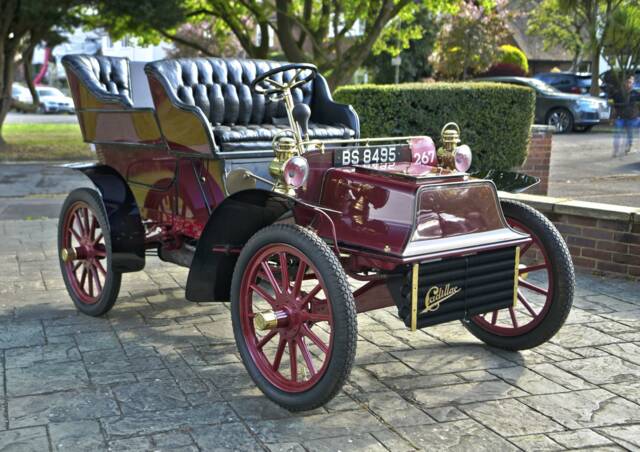
1904 | Cadillac Model B Surrey

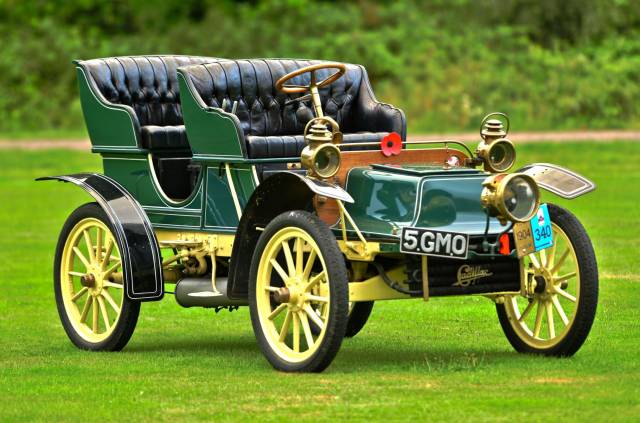
1904 | Cadillac Model B Surrey
1904 | Cadillac Model B Surrey
Create search alert
Let yourself be notified as soon as a listing is published that matches your search filters.
Create listing
Do you have a Cadillac Model B that you want to sell? Then create a listing now.
Create listingCadillac Model B Classic Cars: Prices & Market Values
History of the Cadillac Model B
Cadillac’s Model B marked the company’s entrance into automotive history at the very beginning of the 20th century. Built in 1904, it emerged from Cadillac’s early commitment to precision and dependability. Powered by a 1.5-litre single-cylinder engine designed by Alanson Partridge Brush and crafted by Leland and Faulconer Manufacturing Company, the Model B demonstrated mechanical capability and technological know-how uncommonly found at the time. Its solid engineering was a major factor in Cadillac’s growing reputation for quality and longevity.
Model History of the Cadillac Model B
As an evolution from the initial 1903 Cadillac runabouts, the Model B introduced key refinements in chassis structure and passenger seating. The Model B was offered primarily as a rear entrance phaeton and could seat up to five people—expanding on the compact design and usability of its predecessor. With performance highlights documented on well-known endurance runs and hill climbs, it cemented its place in early motoring history. The Model B set the standard for future Cadillac models, with successors further developing engine technology and comfort.
Highlights of the Cadillac Model B
The Cadillac Model B captured attention in its era for several reasons: Its sturdy 1.5-litre single-cylinder engine could propel the car up to 30 mph downhill, while maintaining enough torque to successfully crest challenging slopes with five occupants. This practical performance was matched by its reputation for easy starting—an uncommon quality for early 1900s vehicles. Practical accessories included two removable wicker baskets fitted to mounting points and large brass headlights available as options. The vehicle's engineering reliability is evidenced by consistent performance on notable historic drives such as the London–Brighton run.
Technical Data
Special Editions and Collectible Models
While there were no officially designated special editions of the Model B, certain configurations—such as those with rear entrance phaeton bodies and optional period accessories like brass lamps and bespoke basket holders—are especially sought after today, particularly those with documented histories linked to renowned veteran car runs or historically significant events.
Weak Spots and Common Issues
Contemporary reports consistently praised the Model B for its mechanical reliability and ease of starting. Still, as with all veteran vehicles, proper maintenance of the single-cylinder engine and drivetrain is crucial. Owners should ensure all moving parts are regularly lubricated, and original components—especially ignition and carburettor parts—are maintained to prevent operational issues. Rust can occur on exposed chassis sections, and original wicker baskets and brass accessories require specialised care to preserve authenticity.
Engine, Transmission, and Handling
The Model B’s 1.5-litre engine provided robust power for its time, enabling the car to tackle long distances and steep gradients, even when fully loaded. Transmission simplicity paired with predictable handling made it accessible to drivers new to motoring. Noted for its capacity to handle demanding routes like the Signal and Clayton hills, the Model B built a reputation for endurance and usability that was then rare among early automobiles. - 1904 Cadillac Model B Rear Entrance Phaeton: Known for its five-seater layout, rear compartment access, and competence in veteran car rallies.
Interior, Comfort, Exterior and Design
The Model B’s design reflects early Cadillac philosophies—ergonomics and functionality. Its rear entrance phaeton body offers generous space for up to five passengers. Durable coachwork was paired to a straightforward dashboard layout, with robust controls. Notable design features included the use of mounted wicker baskets for luggage or picnic use, and large brass singular headlamps for improved visibility. Upholstery was simple yet practical, prioritising function over embellishment—a sharp contrast to later Cadillacs but emblematic of the era’s practical appeal. Period accessories and genuine restoration details add distinctiveness to preserved examples.
Other Relevant Features
The Model B was recognised not only for mechanical ethos, but also for its adaptability—owners could opt for additional carriage-style equipment and period-correct accessories. Its documentation in veteran car events, as well as its inclusion in renowned runs and exhibitions, adds provenance value for many enthusiasts.
Summary
The Cadillac Model B established early standards for reliable motoring, practical design, and mechanical simplicity. Powered by a dependable single-cylinder engine, it offered robust usability, comfortable accommodation, and historically endorsed endurance. Practical features and well-preserved examples turn this model into a focal point for those passionate about pioneering automobile history.