- Car
- Porsche
- Porsche 911
- Porsche 996 (39 offers)
Porsche 911 996 Classic Cars for Sale
The Porsche 911 series 996 marks a radical departure from its predecessors, introducing water-cooling to the flat-six and modern four-valve technology, changing the driving experience fundamentally. It’s the most-produced 911 generation, offered as Coupé, Cabriolet, and Targa, and renowned for its versatile range from daily sports car to uncompromising track machine.
Search results


Auctions ending soon

Loading…
Loading…
Loading…
Loading…
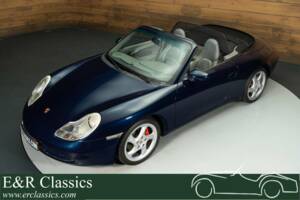
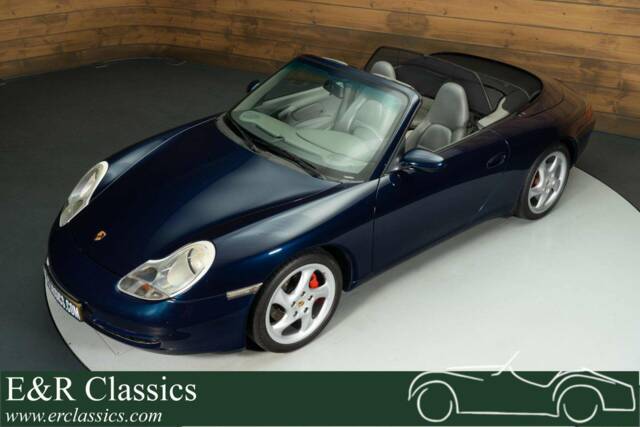
1999 | Porsche 911 Carrera
Porsche

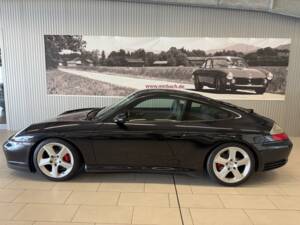
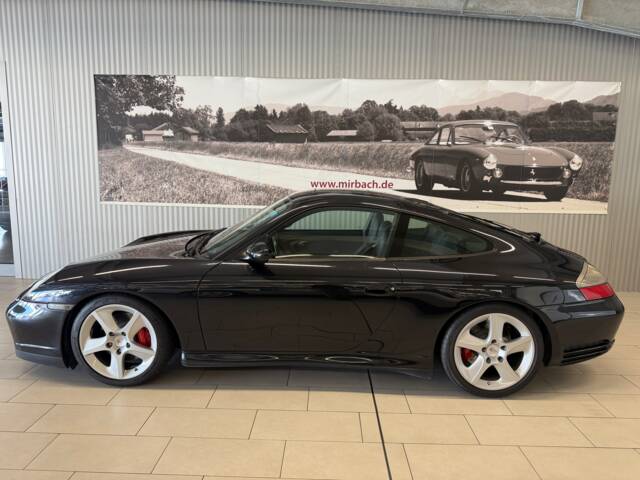
2003 | Porsche 911 Carrera 4S
911 Coupe Carrera 4S

Newsletter
The best Porsche listings, straight to your inbox
Get hand-picked Porsche listings, plus the best of cars, motorbikes, and auctions on Classic Trader — all in one place.
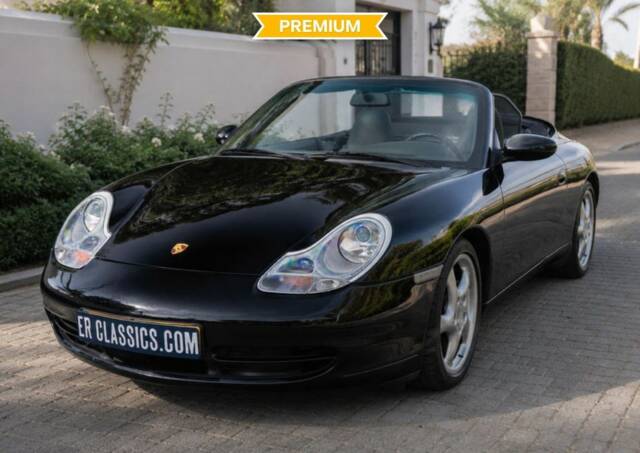
2001 | Porsche 911 Carrera
Porsche 911 Carrera Cabriolet | 2001 | Route 66 Auctions - For sale by auction. Estimate 16800 EUR
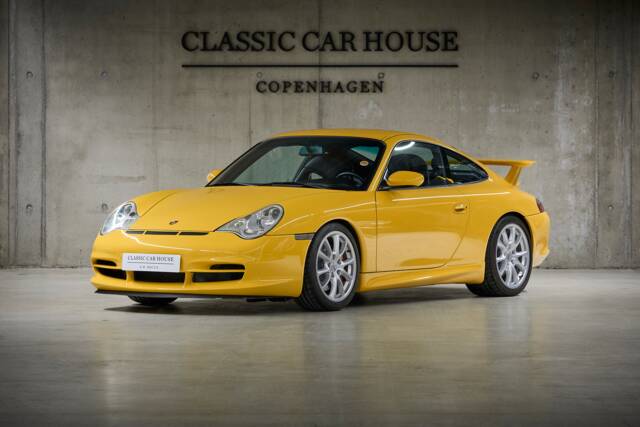

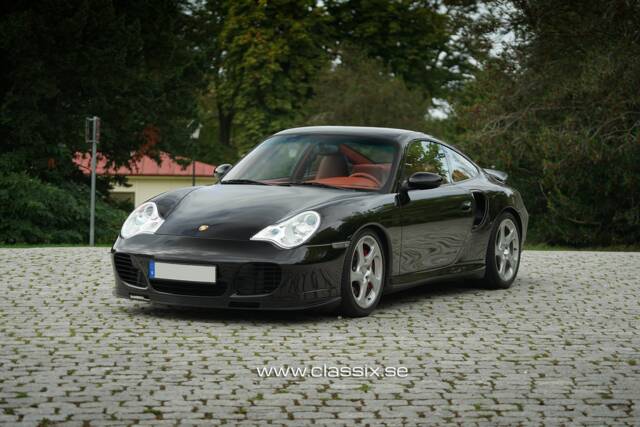
2003 | Porsche 911 Turbo (WLS)
X50, First paint, Boxster Red

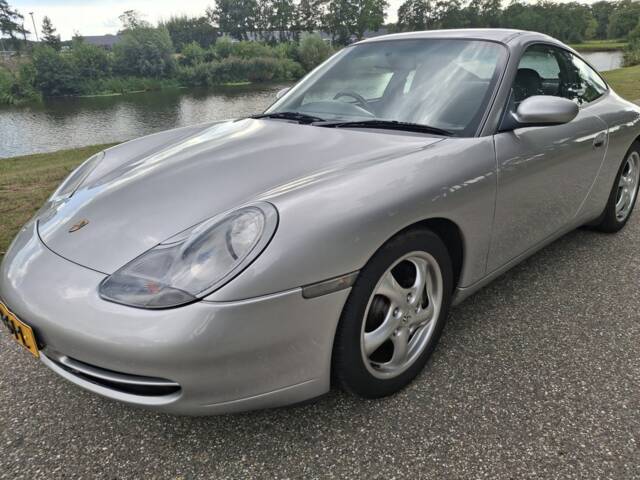
1998 | Porsche 911 Carrera
Porsche 911 Carrera | 1998 | Route 66 Auctions - For sale by auction. Estimate 10800 EUR
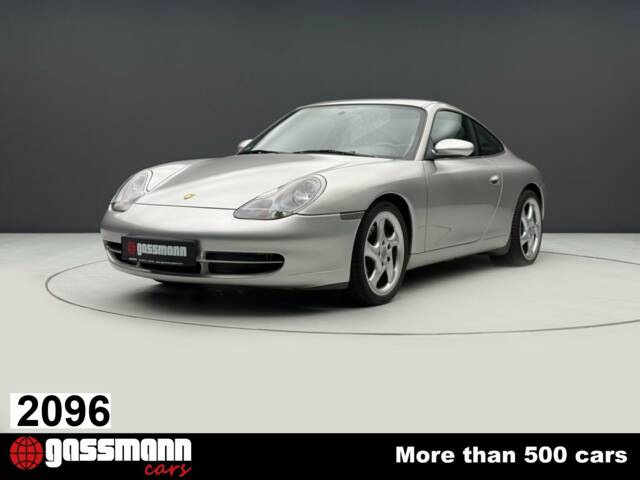
2001 | Porsche 911 Carrera
996 911 Carrera Coupe RWD
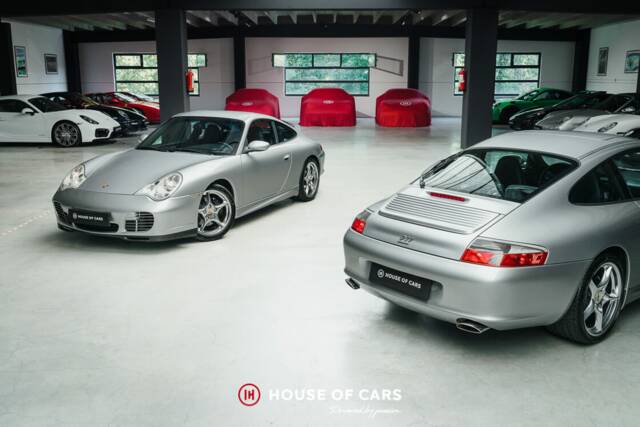
2003 | Porsche 911 Carrera "40 Jahre 911"
1ST PAINT - 1.963EX
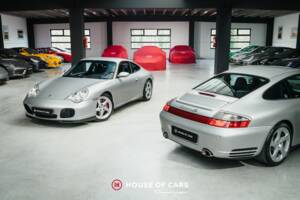
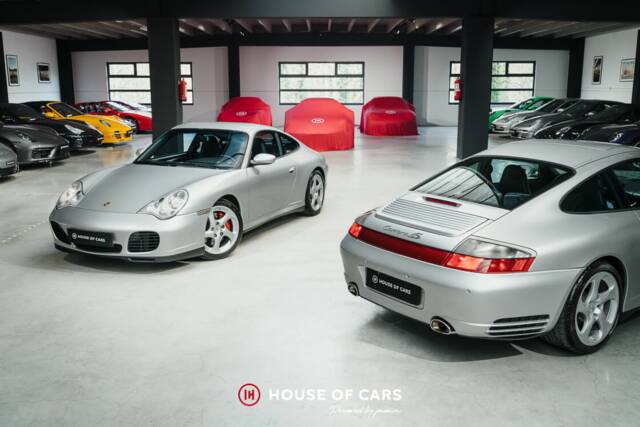
2002 | Porsche 911 Carrera 4S
COUPE MANUAL - 1ST PAINT
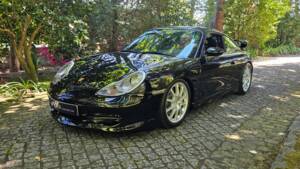
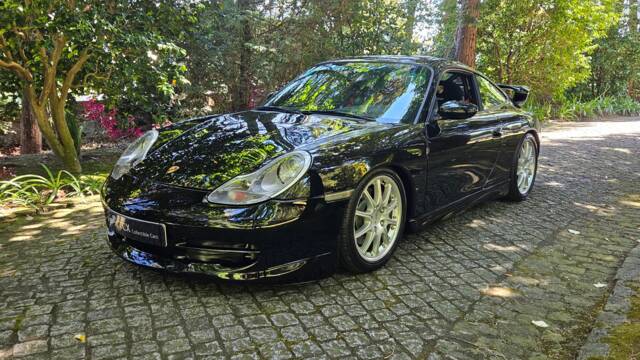
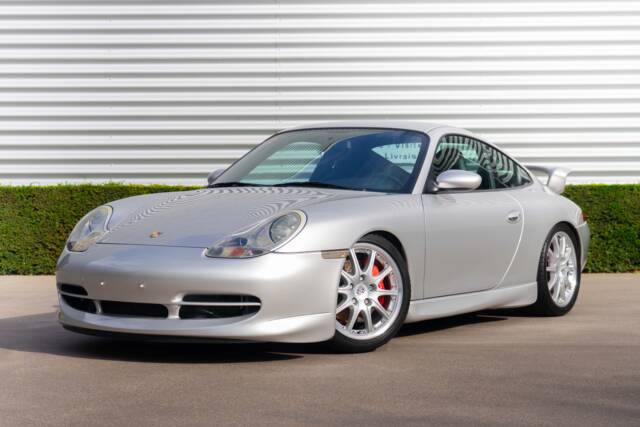
2001 | Porsche 911 GT3
Porsche 996.1 GT3 Clubsport – The First GT3

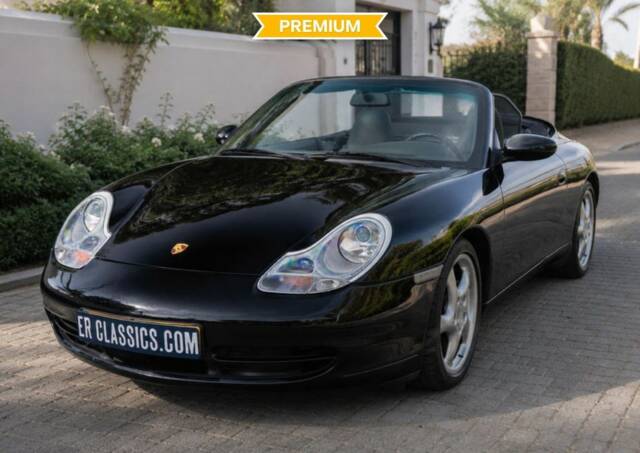
2001 | Porsche 911 Carrera
Porsche 911 Carrera Cabriolet | 2001 | Route 66 Auctions - For sale by auction. Estimate 16800 EUR
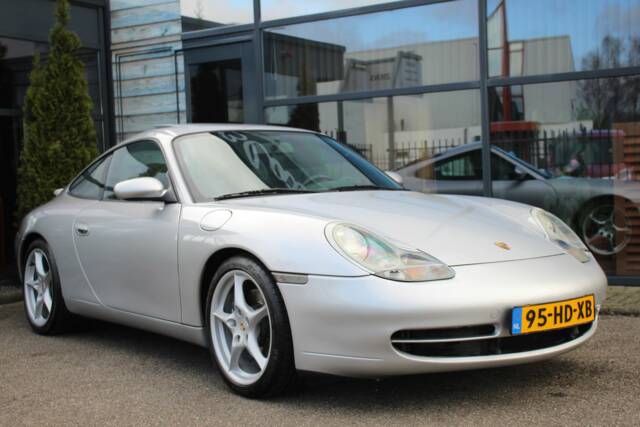
1998 | Porsche 911 Carrera
Porsche 911 Carrera | 1998 | Route 66 Auctions - For sale by auction. Estimate 13800 EUR
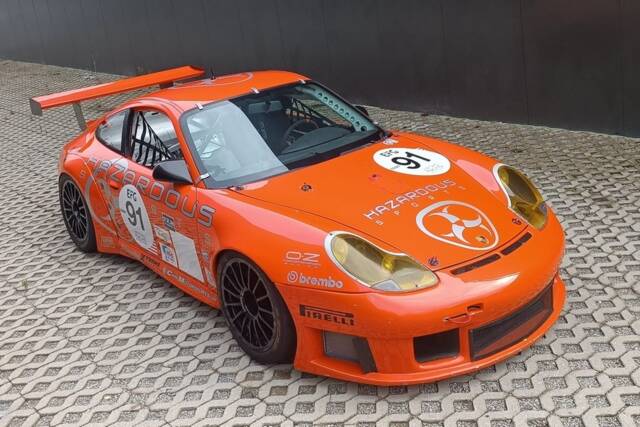
2002 | Porsche 911 GT3 RS
Porsche 996 GT3-RS
Porsche 911 996 Classic Cars: Prices & Market Values
The market value of Porsche 911 996 classic cars is primarily determined by the specific variant and equipment, as well as technical condition, originality and mileage. Additional factors include rarity, history and documentation. A well-maintained, largely original vehicle with low, verifiable mileage and complete history including appraisals and documentation typically achieves significantly higher prices than a comparable vehicle with deferred maintenance, many modifications or unclear provenance.
Porsche 911 996: Market Prices & Value Trends
Based on sales data from the Classic Trader marketplace, the Porsche 911 (996) market in Europe has been broadly stable to gently rising over the period from mid‑2021 through early July 2026, with the strongest resilience in higher-spec variants. Mainstream Carrera and Carrera 4 cars (typically 1998–2004, around 300–320 hp) most often sit in a realistic band of roughly £25,000 to £45,000, reflecting condition, history and mileage rather than short-lived price spikes. The more sought-after widebody Carrera 4S (2002–2005) tends to command a step up, commonly around £35,000 to £55,000, while 996 Turbo models (2001–2004) frequently transact in the £45,000 to £75,000 bracket. Track-focused cars such as the GT3 and GT3 RS appear at much higher levels, but these are comparatively rarer and should not be used to judge the wider 996 market. Overall, the data suggests a mature, liquid market where well-presented, standard cars remain accessible, and desirable specifications continue to underpin values.
History of the Porsche 911 (996 series)
The Porsche 911 996, produced from 1997 to 2006, represents the fifth generation of the 911 lineage and stands as a pivotal chapter in the model’s history. Succeeding the air-cooled 993, the 996 broke from tradition by pioneering water-cooling in the six-cylinder boxer engine, an innovation driven by more stringent emissions and noise regulations as well as evolving expectations for refinement. The new engine layout enabled four-valve heads and boosted both performance and efficiency. Designed by Harm Lagaay, the 996 grew 19 cm in length and 9.5 cm in width compared to the 993, offering improved handling and more interior space. Initially divisive due to its departure from air-cooled tradition and its shared components with the Boxster in front-end design and interior, the 996 nonetheless became the best-selling 911 range to date, paving the way for modern 911s while retaining the rear-engine sports car DNA.
Model History
The 996 succeeded the 993 in 1997/1998 and was itself superseded by the 997 from 2004. The 996 introduced a completely new chassis and body, substantially reducing carryover parts from its predecessor. It was offered in multiple variants: Carrera, Carrera 4 and 4S (with all-wheel drive), Turbo, GT3, GT2, and Targa, plus Cabriolet versions. The Carrera line started with a 3.4-litre flat-six, increasing to 3.6-litre after a major facelift (996.2) in 2001/2002. Turbo versions, offering AWD as standard and 420 PS from a 3.6-litre biturbo, launched from 2000. The rare Targa introduced a unique sliding glass roof. Each evolution brought both mechanical and aesthetic upgrades, with later cars gaining more powerful engines and improved interiors. Noted milestones include the first introduction of the Mezger engine in Turbo and GT models, and limited editions like the Turbo S, GT3 RS, and GT2 which combined advanced engineering and motorsport-derived technology.
Highlights and Statistics of the 996 Series
Unlike any prior 911, the 996 brought Porsche into the era of water-cooled six-cylinder engines, combined with modern four-valve technology and radically revised bodywork. This generation set a benchmark for versatility, ranging from practical daily drivers like the Carrera to the motorsport-honed GT3 RS. The 996’s broad appeal made it the most-produced 911 generation, and its technological innovations set the template for all later models.
Technical Data
Special Editions and Collectible Models
The 996 launched several significant special editions: the GT3 Clubsport, with a factory roll cage and race-oriented equipment; the ultralight GT3 RS, limited to 682 units and featuring numerous carbon elements; the powerful Turbo S, fitted with the X50 kit and standard ceramic brakes; and the GT2, the fastest road-going 996, with up to 483 PS and rear-wheel drive. The Targa variant, produced in lower numbers, features a large sliding glass roof. The Carrera 4S combined the wide Turbo body and suspension with a naturally aspirated engine, offering a unique aesthetic and performance mix.
Engine, Transmission, Handling and Driving Experience
The 996 generation transformed the Porsche driving experience with its water-cooled engine, which offered greater power, efficiency, and day-to-day usability than the air-cooled predecessors. The handling benefits from a wider track and newly engineered suspension, particularly the multi-link rear axle derived from the 993. Base Carrera models (3.4 then 3.6 litres) deliver a responsive, balanced drive, with 0–100 km/h in about six seconds and a top speed around 275–280 km/h. Turbo models, with all-wheel drive and 420–450 PS, sprint from 0–100 km/h in just over four seconds and reach 305 km/h, combining everyday use with supercar pace. The track-focused GT3 and GT2 highlight unfiltered precision and high-revving performance, aided by robust Mezger engines and advanced chassis tuning. The Targa’s unique glass roof adds open-air versatility, while the Carrera 4S delivers the widebody Turbo look and surefooted all-wheel grip. 1. Carrera 3.4/3.6: Balanced, practical sports cars suitable for daily use. 2. Turbo: Motorsports-derived power, all-wheel drive, effortless speed. 3. GT3/GT3 RS: Lightweight, precision-focused, built for the track. 4. GT2: The ultimate 996 road car, rear-drive, up to 483 PS. 5. Carrera 4S: Turbo chassis and bodywork, naturally aspirated drive.
Interior, Comfort, Exterior and Design
The 996’s design, by Harm Lagaay, moves the 911 into the late twentieth century with a 19 cm longer and 9.5 cm wider body, overhauled styling, and distinctive ‘fried egg’ headlights—a subject of much debate among enthusiasts. The interior is more spacious, with a low driving position and five overlapping round gauges (a first for 911). Base models share several components and dashboard architecture with the contemporary Boxster. Optional equipment is extensive: from full leather packages, Bose audio systems, and Porsche Communication Management (PCM) to climate control, heated electric seats (with memory), and Alcantara headliners. The rare Targa features an electrically operated panoramic glass roof. 18-inch wheels, bi-xenon headlights, and custom paintwork were available, with numerous individualisation options from Porsche Exclusive. Special models, such as the Turbo and GT3, feature wider bodies, aerodynamic kits, larger brakes, and unique interior trims.
Other Features
Notable technical innovations of the 996 include Euro-2/Euro-3 (and some Euro-4) emission ratings, Porsche Stability Management, side impact protection (POSIP), litronic headlamp options, and extensive safety equipment. Fuel consumption ranges roughly 11–13 l/100 km; CO₂ output is 269–320 g/km depending on variant. The 996 was among the first 911s to be marketed as a ‘modern classic/youngtimer,’ offering full usability with modern safety standards.
Summary
The Porsche 911 (996) embodies a decisive shift in Zuffenhausen’s history, fusing classic rear-engine layout with the technological advances of water-cooling, contemporary chassis engineering and elevated everyday comfort. Its broad model range—from practical Carrera to the uncompromising GT3 RS—offers enormous scope for enthusiasts, while special editions and the dependable Mezger engines have secured the 996 a firm standing in enthusiast circles. With high supply and demand levels, the 996 remains one of the most accessible and technically advanced entries into the 911 world, combining motorsport heritage with real-world daily performance.