Opel Senator – Buy Classic Cars
The Opel Senator stands for German executive class luxury from the late 1970s to the early 1990s, impressing with technical features like fuel-injected six-cylinder engines, comfort-oriented suspension and, especially in later models, digital dashboards. Whether as an original, unrestored saloon or in well-maintained collector condition, the Senator remains a sought-after choice for classic car lovers looking for distinctive design, proven engineering and numerous contemporary extras.
Search results
Currently, there are no matching listings for your search.
Create search alert
Let yourself be notified as soon as a listing is published that matches your search filters.
Create listing
Do you have a Opel Senator that you want to sell? Then create a listing now.
Create listingOpel Senator listing references from Classic Trader
Below you will find listings related to your search that are no longer available on Classic Trader. Use this information to gain insight into availability, value trends, and current pricing for a "Opel Senator" to make a more informed purchasing decision.
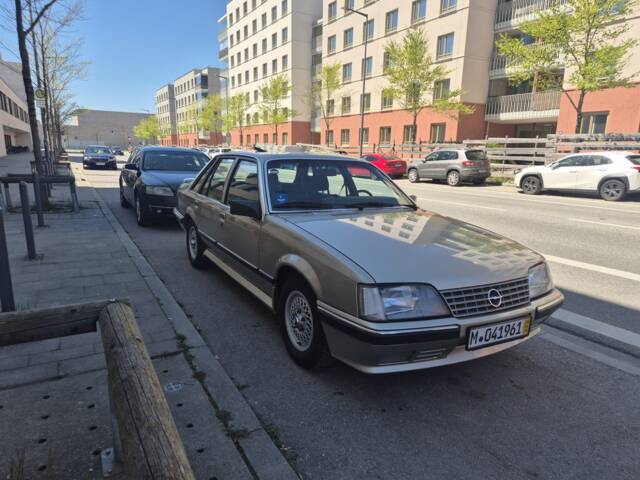
1986 | Opel Senator 3,0i
Opel Senator | 1986 | Route 66 Auctions - For sale by auction. Estimate 4500 EUR

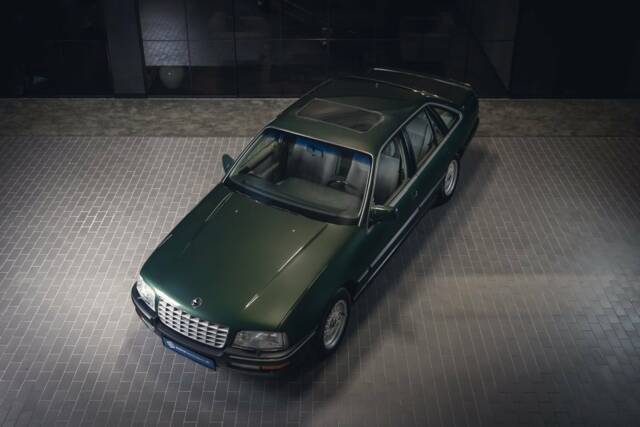
1992 | Opel Senator 3,0i 24V
Senator B 3.0

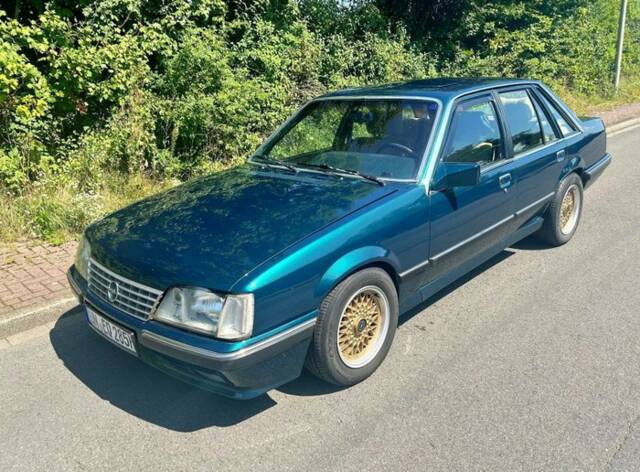
1985 | Opel Senator 3,0i
Opel - Senator A2 3.0i - NO RESERVE - 1985
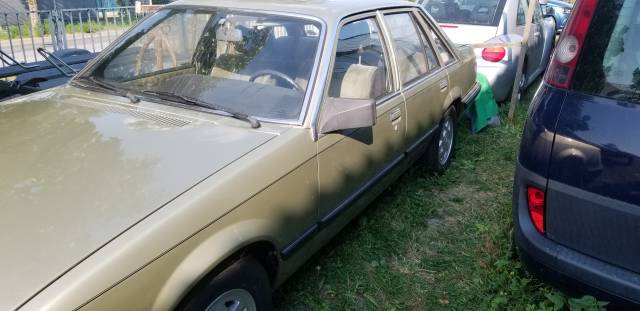
1984 | Opel Senator 2,2i
Opel Senator A 2,5i (1984)
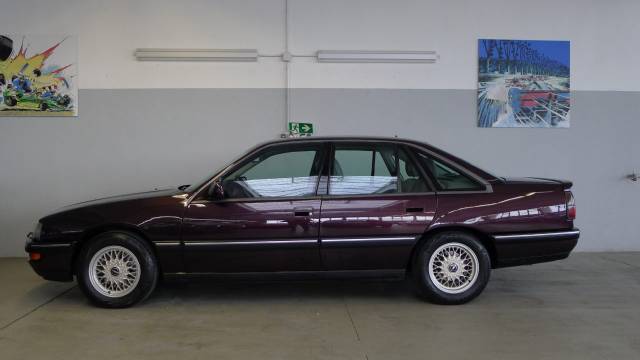
1992 | Opel Senator 3,0i 24V
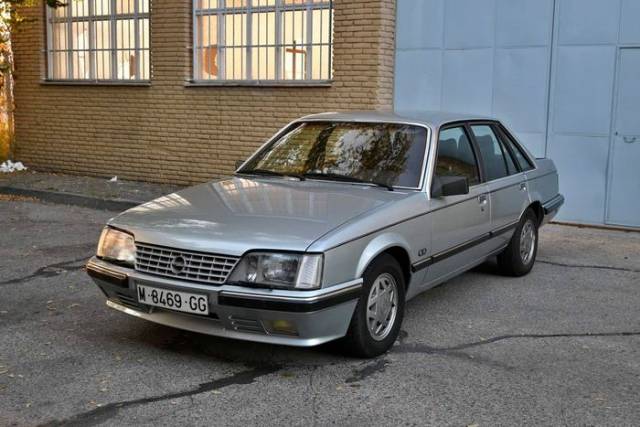
1985 | Opel Senator 3,0 E
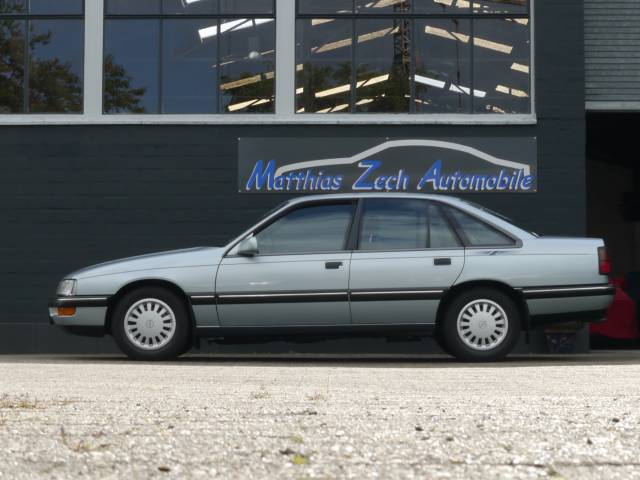
1988 | Opel Senator 3,0i
* Rentnerfahrzeug *
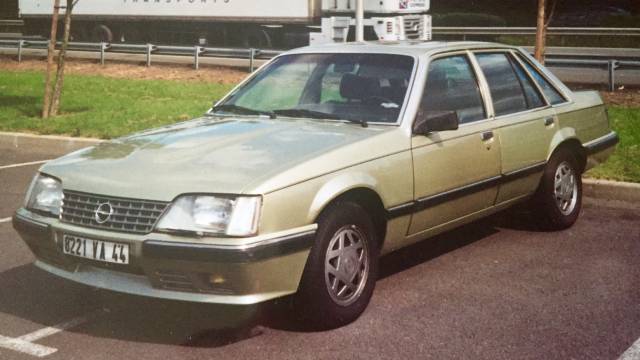
1983 | Opel Senator 3,0 E

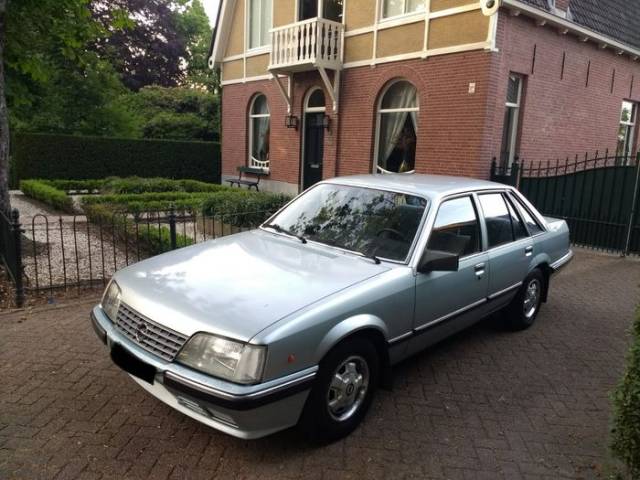
1983 | Opel Senator 2,0
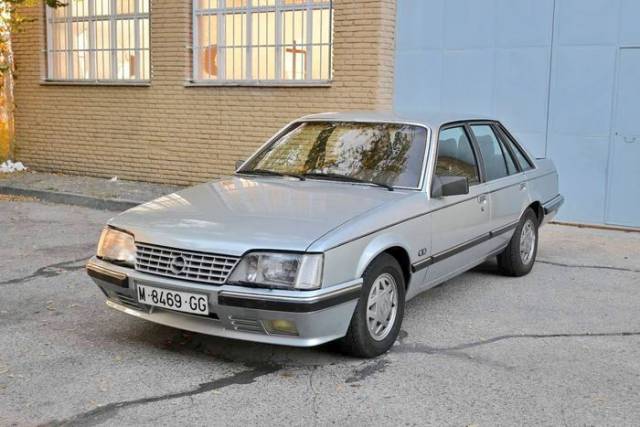
1985 | Opel Senator 3,0 E
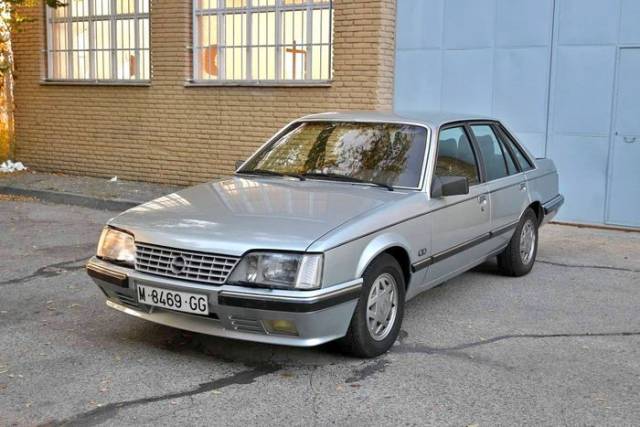
1985 | Opel Senator 3,0 E
Create search alert
Let yourself be notified as soon as a listing is published that matches your search filters.
Create listing
Do you have a Opel Senator that you want to sell? Then create a listing now.
Create listingOpel Senator Classic Cars: Prices & Market Values
History of the Opel Senator
The Opel Senator debuted in 1978 as the flagship saloon from Rüsselsheim, aiming to compete with BMW, Mercedes, and Jaguar in the high-end segment. Its origins lay in the Rekord E, sharing platform and mechanicals, but with a focus on addressing the commercial shortcomings of the Admiral and Kapitän. The first series, Senator A, initially appeared as a traditional saloon, later joined by the fastback coupé Opel Monza. In 1982, a significant facelift sharpened its profile, introducing body-coloured bumpers, redesigned rear lamps, and a thoroughly modernised interior—most notably with digital instrumentation. The model continued to evolve, adding diesel and catalysed petrol engines before production of Senator A ended in 1986. In 1987, the Senator B launched with smoother, more contemporary styling derived from the Opel Omega, introducing new technical features and even greater comfort. Production lasted until 1993, with nearly 70,000 units of the B generation built. The Senator was known for its success in markets like the UK, South Africa, and Australia.
Model History of the Senator
The Senator's roots are found in Opel's search for a competitive luxury saloon. The Senator A (1978–1986) replaced the effectively retired Admiral and Rekord lines, taking the robust Rekord E platform and pairing it with upmarket features. Its engines were 2.8 and 3.0-litre six-cylinders, both with fuel injection, driving through manual four or five-speed or optional automatic transmissions. The 1982 facelift brought four-cylinder engines and, later, a 2.3-litre turbo-diesel and catalysed petrol variants. The Senator B (1987–1993) evolved from the Omega A, but with key visual and technical differentiations—most notably at the rear, with a larger tail design, C-pillars, and integrated fog lights. The successor to the Senator, both in spirit and model planning terms, was the Omega B, Opel's new top-of-the-range vehicle from 1994 onwards.
Highlights of the Opel Senator
The Senator offered numerous innovative features for its class—notably electric power steering, brake assist, and advanced options such as digital dashboards, electrically adjustable seats, on-board computers, climate control (often with R12 refrigerant), central locking, and high-end Blaupunkt radio cassette systems. Its original interiors, mostly in black fabric and less commonly in leather, underline its luxury credentials. The Senator's robust construction and full equipment list made it a true representative of executive motoring in Germany during its era.
Technical Data
Special Editions and Collectible Models
Special attention is warranted for the Senator 2.3 TD introduced in 1984, marking the model's move into diesel engines, as well as rare post-1986 models equipped with catalytic converters for emissions compliance. Editions specified with full leather interiors, rare factory paint options, and original Blaupunkt sound systems are particularly desirable from a historical perspective.
Weak Spots and Common Issues
Most Senators are well-suited to restoration, thanks to durable engines and robust componentry. However, typical ageing symptoms can include minor dents, scratches, and surface rust—especially on the underbody and weld seams, often exacerbated by incorrect jack placement. Mechanical wear parts such as spark plugs, ignition cables, distributor caps, brake systems, and exhausts may require attention, though original replacements remain accessible. Well-maintained dashboards retain their original fit without cracks, and original GM keys and locks are often present in well-kept examples.
Engine & Performance, Transmission & Handling
Senators are prized for their smooth, torquey six-cylinder engines, with the 3.0-litre unit delivering strong performance for executive saloon standards of the era. Diesel and four-cylinder variants offer economical alternatives. Handling is comfort-biased, thanks to a long wheelbase and advanced suspension with power steering and ABS in later models. Transmission choices ranged from responsive five-speed manuals to relaxed three-speed automatics. Senator A 3.0 E (180 PS): Known for its combination of robust output and smooth delivery. Senator B 3.0 24V: Advanced multivalve head, improved emissions, most popular among performance-oriented collectors.
Interior, Comfort, Exterior and Design
Designed with comfort and executive style in mind, Senator interiors were offered in high-quality fabrics and, less commonly, leather, with accessories like height-adjustable leather steering wheels and advanced digital dashboards available post-1982. The restyled dashboard and comprehensive electric equipment (windows, central locking, trip computer) were all tailored to comfort and driver convenience. Externally, key design cues included body-coloured bumpers and signature alloy wheels, as well as unique paintwork such as bluish-silver with decorative sideline stripes typical of the era. Factory options included fog lights with integrated indicators and original accessories, making each car highly individual depending on its specification.
Other Features
Many export models were originally registered in European countries such as Spain or Belgium, underlining the wide appeal of the Senator. Cars are often available with documented maintenance, and various vehicles are currently offered internationally with specialist transport solutions for cross-border buyers. Video walkthroughs and extra photos are frequently available from sellers for potential buyers who cannot view the car in person.
Summary
The Opel Senator represented the peak of Opel's executive range from the late 1970s through the early 1990s, with robust engineering, impressive comfort, and a highly specified interior. Both A and B generations are well supported for enthusiasts, and demand for the B series in particular remains strong on the classic car market. Well-preserved Senators offer sound investment potential for collectors looking for authentic German executive class heritage.