Opel Calibra classic cars for sale
The Opel Calibra, produced between 1989 and 1997, offers a unique combination of aerodynamic engineering and 1990s coupé flair. Known for its sleek shape, robust technology, and comfortable interior, the Calibra stands out in today's classic car market as a rare representative of German sports coupés.
Search results
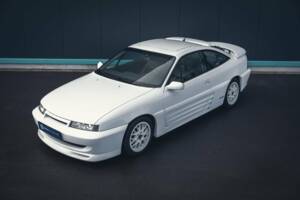
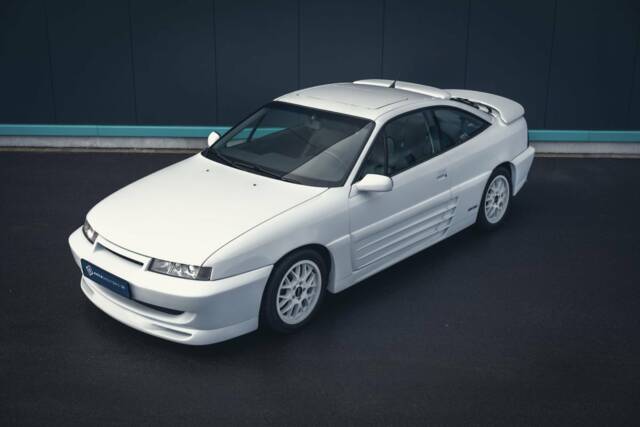
1995 | Opel Calibra V6
Calibra A V6

Opel Calibra listing references from Classic Trader
Below you will find listings related to your search that are no longer available on Classic Trader. Use this information to gain insight into availability, value trends, and current pricing for a "Opel Calibra" to make a more informed purchasing decision.
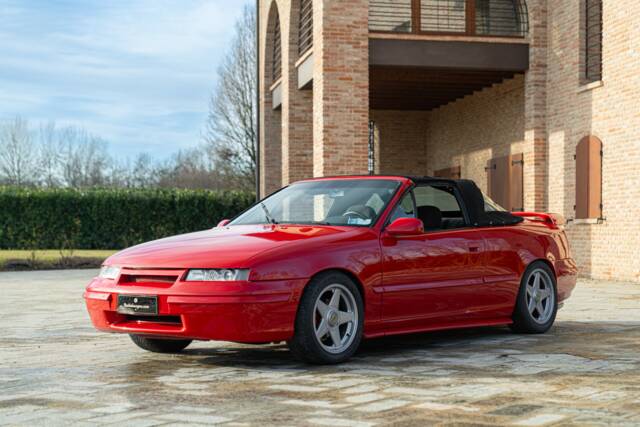
1993 | Opel Calibra 2,0 Piecha
Opel CALIBRA CABRIOLET PIECHA

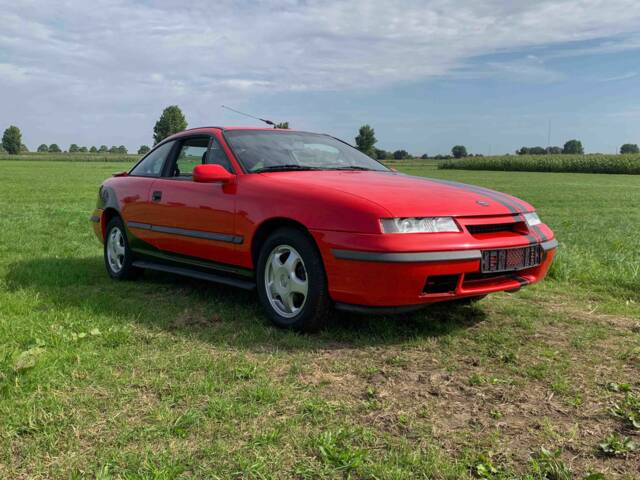
1991 | Opel Calibra 2,0
Opel Calibra 2.0i | 1991 | Route 66 Auctions - For sale by auction. Estimate 1500 EUR

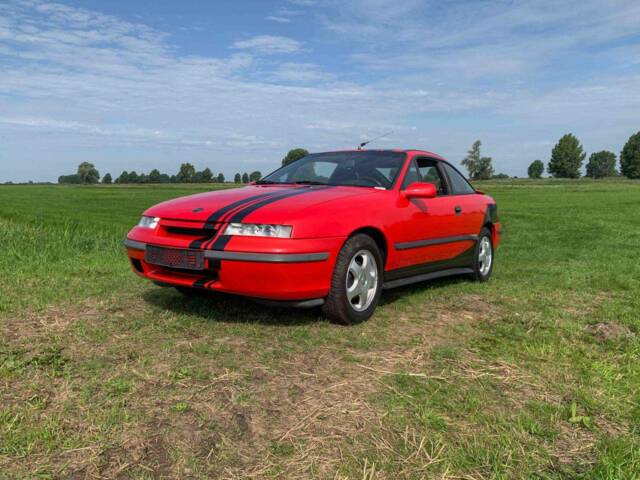
1991 | Opel Calibra 2,0
Opel Calibra 2.0i Coupé | 1991
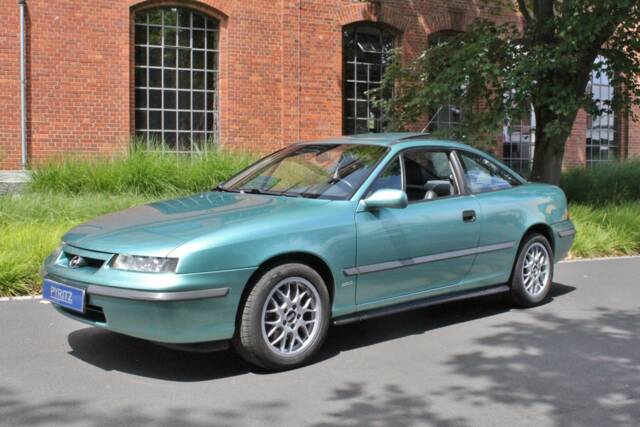
1995 | Opel Calibra V6
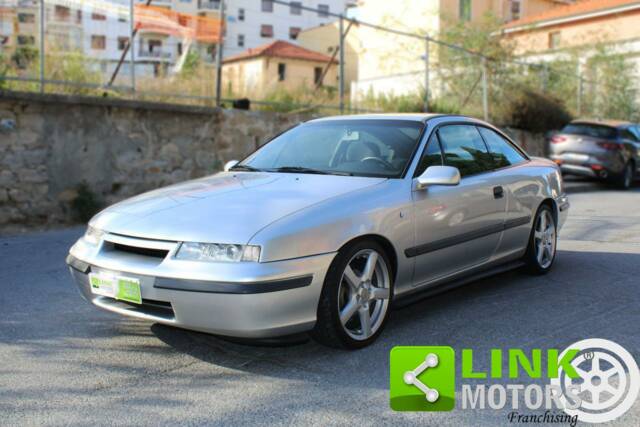
1990 | Opel Calibra 2,0 4x4 16V
OPEL Calibra 2.0i 16V cat
1990 | Opel Calibra 2,0
OPEL Calibra 2.0i 16V cat
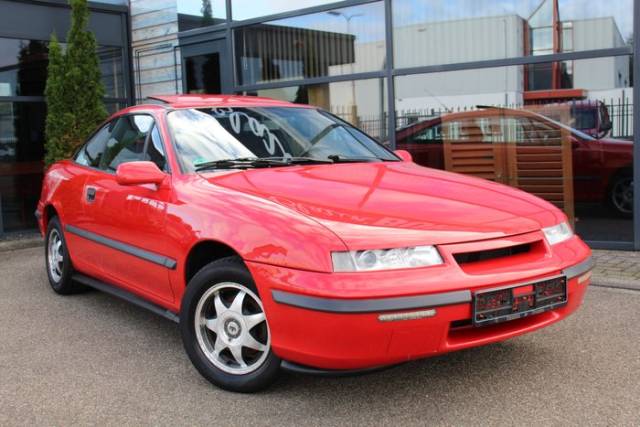
1991 | Opel Calibra 2,0
Opel - Calibra 2.0 - NO RESERVE - 1991
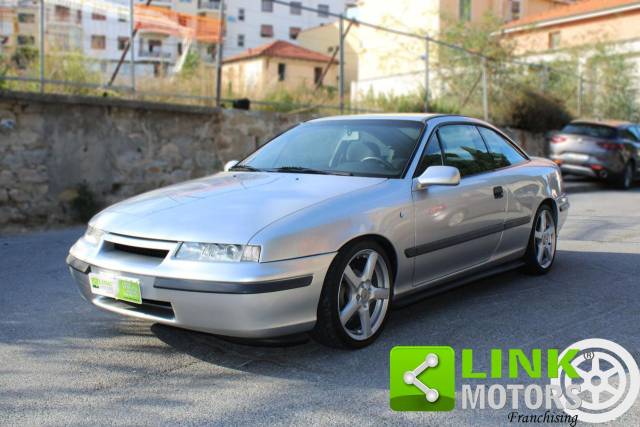
1990 | Opel Calibra 2,0
OPEL Calibra 2.0i 16V cat
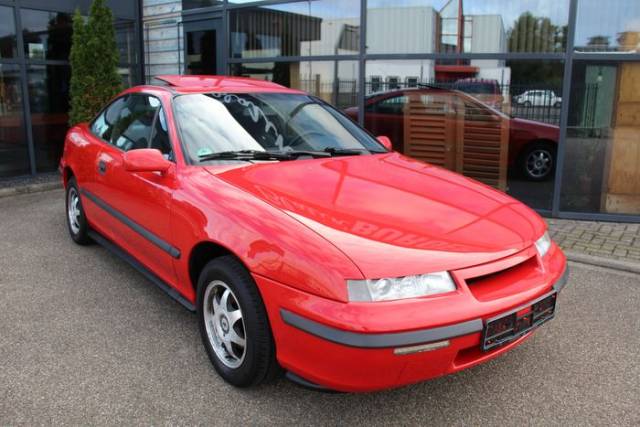
1991 | Opel Calibra 2,0
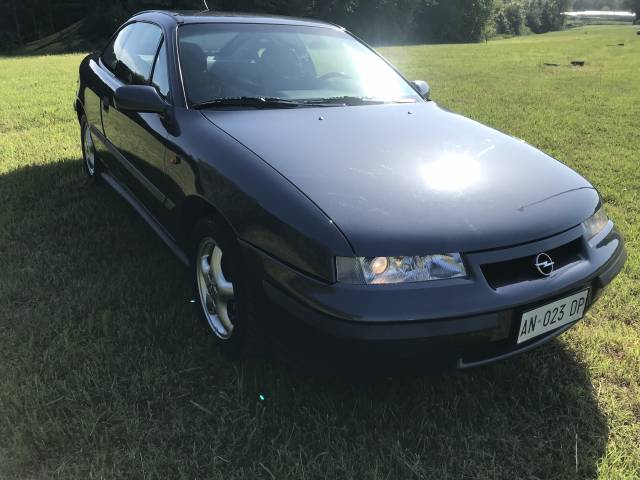
1996 | Opel Calibra 2,0
Calibra 2.0 16v 46000 kms
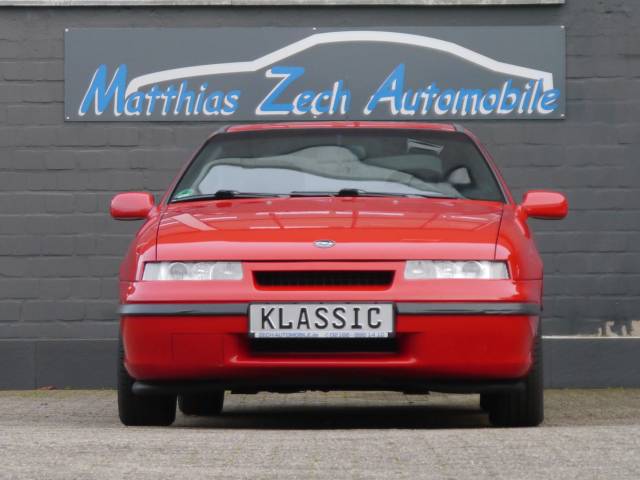
1991 | Opel Calibra 2,0
Aus 1. Damenhand * Original und nicht verbastelt
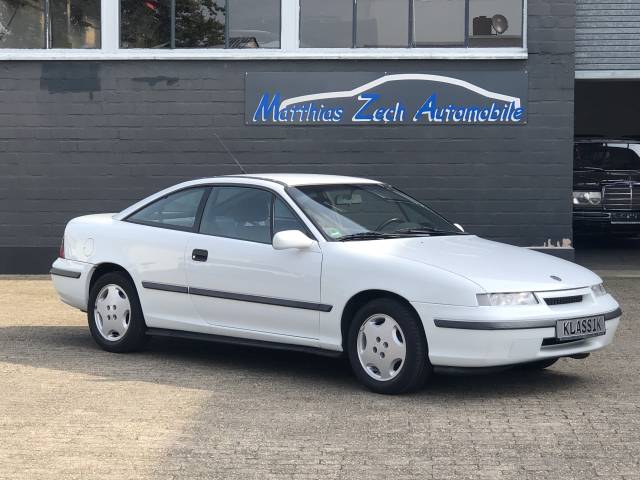
1991 | Opel Calibra 2,0
16 V // Unverbastelt und mit H- Kennzeichen
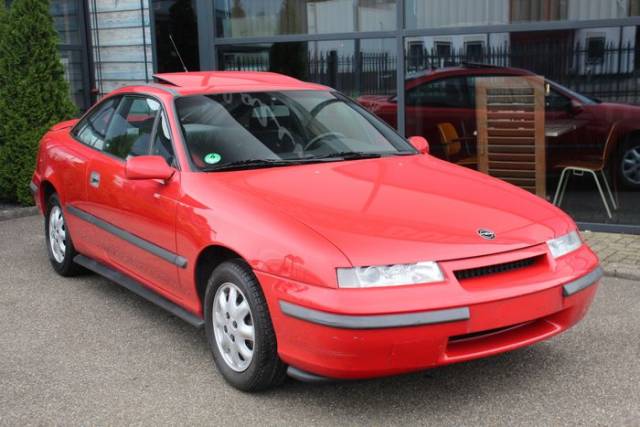
1991 | Opel Calibra 2,0
Opel Calibra Classic Cars: Prices & Market Values
History of the Opel Calibra
Unveiled at the end of the 1980s, the Opel Calibra was Opel's strategic answer to the influx of sporty coupés from Japan and beyond. Entering showrooms in 1990, the Calibra was immediately recognised for its exceptionally low drag coefficient of 0.26, giving it an edge in terms of efficiency and a striking appearance. The model shared its technical platform with the Opel Vectra, was equipped with front-wheel drive and marked a technological leap with its transverse-mounted engines. Designed by Erhard Schnell, the Calibra impressed with fluid lines, a well-proportioned silhouette, and aerodynamic finesse, making it a regular feature on German autobahns as well as European city streets.
Model History
The Calibra directly succeeded the Opel Manta as Opel’s sports coupé offering. Available initially with two petrol engine options—a 2.0-litre 8V (85 kW/115 PS) and a 16V (110 kW/150 PS)—the Calibra was among the first Opels to feature twin overhead camshafts and four valves per cylinder as standard in mass production. Over its life cycle, the Calibra received only minor visual and technical updates, preserving its core features. Its production run ended in 1997, with no direct successor as Opel moved focus away from sporty coupés.
Highlights and Distinctive Features
The most prominent feature of the Calibra is its record-breaking aerodynamic shape with a drag coefficient of just 0.26—a technical highlight at launch and one that influenced its character and performance. Consistent use of robust mechanicals, like the cam-in-head petrol engines and a well-designed five-speed manual, contributed to its solid reputation. Inside, equipment levels were high for its class: air conditioning, electric sunroof, power windows, heated seats, and high-quality original interior materials like leather or velour were commonly found. Onboard computer, electronic immobiliser, and a sophisticated sound system (BOSE in some models) were also available. The car’s practicality added to its appeal: A large 980-litre boot and 2+2 seating configuration meant genuine everyday usability.
According to supply and demand statistics from our platform, 100% of Opel Calibra listings correspond to the C 20 manufacturer code, making this model the representative Calibra variant in the classic market. Buyer interest, measured by views, also focuses entirely on this specification, confirming its unique share within Opel’s historical line-up.
Technical Data
Special Editions and Collectible Models
Special variants include the 'Calibra Young' edition launched in 1996, which featured a choice of four exclusive paint finishes and was limited to the 2.0-litre engine, with otherwise standard equipment. Other notable editions include AWD models and the Turbo, highly sought after for their specialised drivetrain and increased performance. The Turbo, in particular, is notable for its role in motorsport—especially the DTM Deutsche Tourenwagen Meisterschaft—where the Calibra V6 4x4 achieved success, cementing its legacy among enthusiasts.
Weak Spots and Common Issues
The Calibra is renowned for severe rust issues affecting multiple body areas, notably the sills, rear wheel arches, A-pillars, bonnet, rear panel, and especially rear chassis rails around the suspension mounts. Restoration can be costly, particularly where structural damage is found. Mechanically, the car is generally robust, especially the electronics, but issues such as oil leaks from the turbocharger (on Turbo models), valve cover, and sump gaskets can occur. On Turbo versions, cylinder head material can crack, especially on Cosworth-developed heads. The supply of original Turbo-specific parts is becoming increasingly scarce and expensive. Common textile issues include detached headliners and general interior wear over decades. On the technical side, the temperature sensor or thermostat can fail, leading to incorrect readings and a cold heater. Overall, the Calibra is reliable, but age-related faults are to be expected—pay particular attention to rust when inspecting.
Engine, Performance, Transmission and Handling
The Opel Calibra offered a range of four-cylinder engines, with standard 2.0-litre units producing 115 or 150 PS allowing for brisk performance: 0–100 km/h was achievable in under 9 seconds for the 16V, with a top speed over 220 km/h. The Turbo version, featuring four-wheel drive and 204 PS, was the ultimate in power, though it came with additional maintenance and sourcing challenges. Handling is generally sporty and fun, although compared to dedicated sports coupes of its era, steering feel is somewhat muted, and the chassis reveals limits when pushed hard in corners. Nonetheless, the Calibra provides confident driving with acceptable comfort, suitable for both long-distance touring and daily use. Most sought after are the 2.0 16V and the 2.0 Turbo 4x4 for their performance and technical capability. The Turbo variant, with its Cosworth cylinder head and AWD, represents the pinnacle of Calibra engineering.
Interior, Comfort, Exterior and Design
Opel entrusted the Calibra's design to Erhard Schnell, who achieved a coupé profile that set standards for aerodynamic drag—a Cw value of just 0.26. In the UK, the car was offered as a Vauxhall Calibra, proving the versatility of its design. Distinctive details include flush side windows, integrated bumpers, and a minimalist yet purposeful instrument panel. Common equipment highlights are heated front seats, electronic sunroof, electric windows, and leather or quality fabric upholstery. The car was frequently ordered with optional extras such as air conditioning, original alloy wheels (F-Line or Ronal), Bose audio, and advanced onboard computer features. Due to periods of garaged storage and careful use, many examples maintain original paintwork and intact interiors, although headlining sag can occur with age.
Other Notable Features
Standard safety and convenience features were advanced for their time, including a full-size passenger airbag, anti-theft system, and central locking covering the boot and fuel filler. A complete set of original documentation, two sets of keys, space-saver spare wheel, and detailed service history are commonly found on well-preserved examples.
Summary
The Opel Calibra has cemented itself as a unique entrant in the sports coupé segment, offering not only a striking aerodynamic design but robust everyday usability and surprising comfort for a coupé. While rust and select technical issues demand careful inspection, a well-preserved Calibra offers a blend of 1990s style and practical engineering that continues to appeal to enthusiasts and collectors alike.