Opel Kapitän classic cars for sale
The Opel Kapitän represents a milestone in German automotive engineering, spanning from pre-war roots to the close of 1970. Known for its smooth six-cylinder engines, refined design, and a substantial evolution across generations, the Kapitän continues to turn heads among classic car aficionados.
Search results
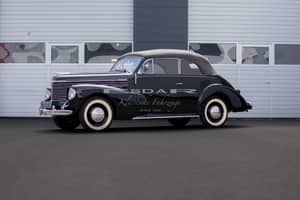
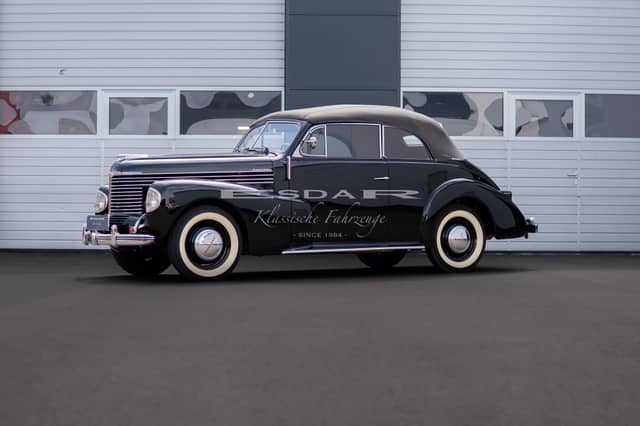
1939 | Opel Kapitän
Kapitän 39

Opel Kapitän listing references from Classic Trader
Below you will find listings related to your search that are no longer available on Classic Trader. Use this information to gain insight into availability, value trends, and current pricing for a "Opel Kapitän" to make a more informed purchasing decision.
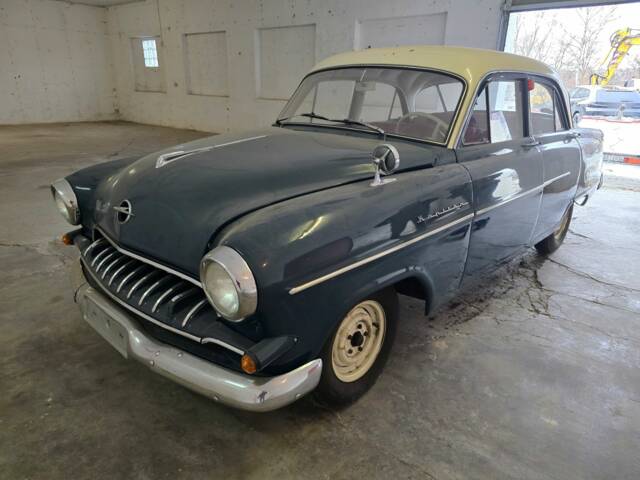
1954 | Opel Kapitän
Der Ami aus Hessen
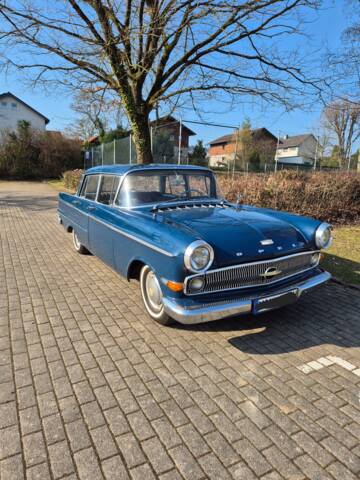
1960 | Opel Kapitän 2.6 "L"
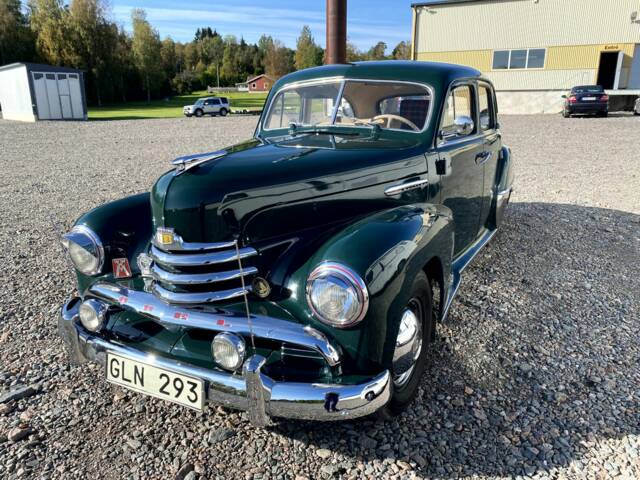
1952 | Opel Kapitän
Opel Kapitän | 1952 | Route 66 Auctions - For sale by auction. Estimate 10500 EUR

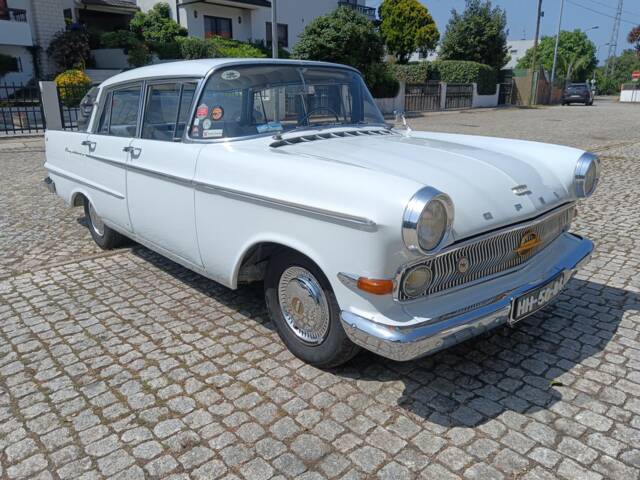
1960 | Opel Kapitän 2,6
Opel Kapitän P2.6 | 1960 | Route 66 Auctions - For sale by auction. Estimate 5500 EUR
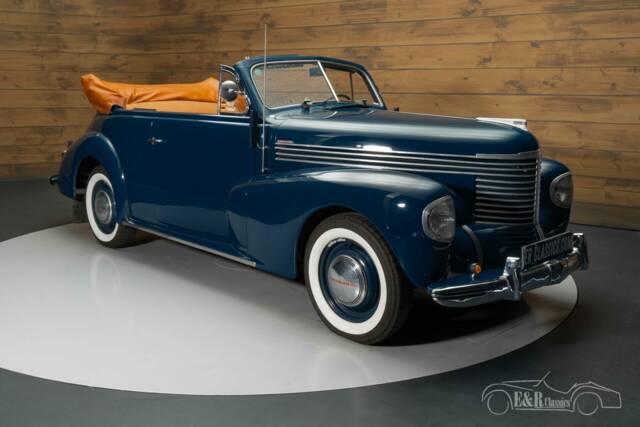
1939 | Opel Kapitän
Opel Kapitän Cabriolet | 1939 | Route 66 Auctions - For sale by auction. Estimate 41500 EUR
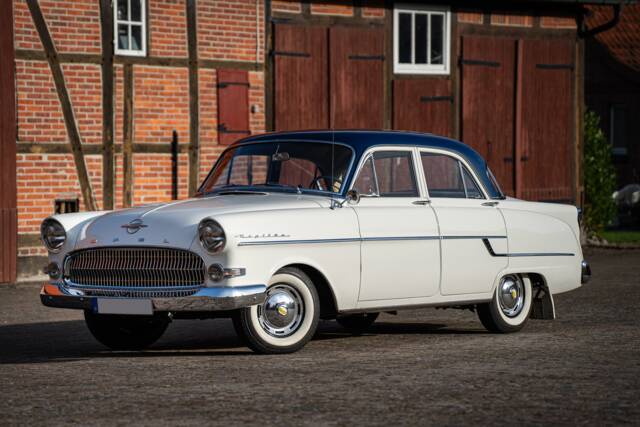
1956 | Opel Kapitän
Topp restauriert, Sammlerfahrzeug
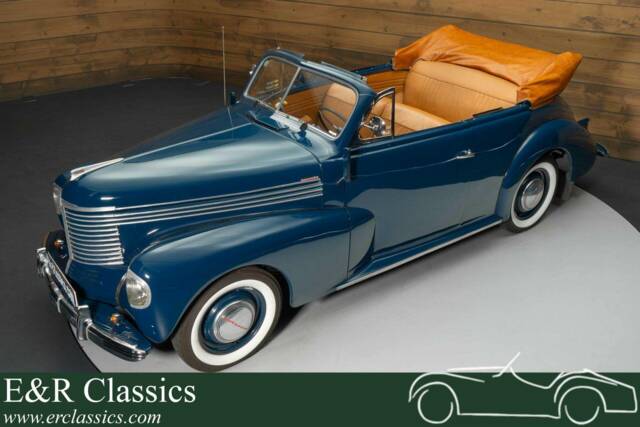
1939 | Opel Kapitän
Opel
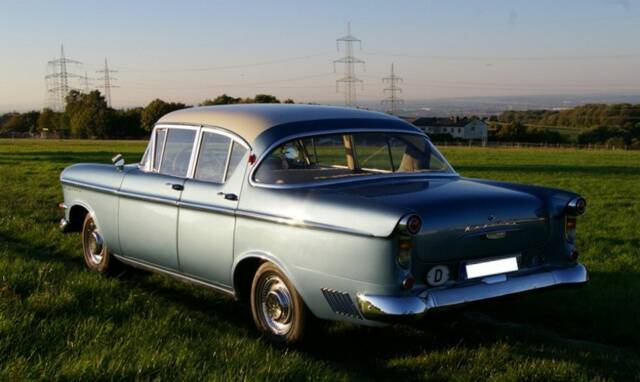
1958 | Opel Kapitän
Seltener "Schlüsselloch" in sehr gutem Zustand
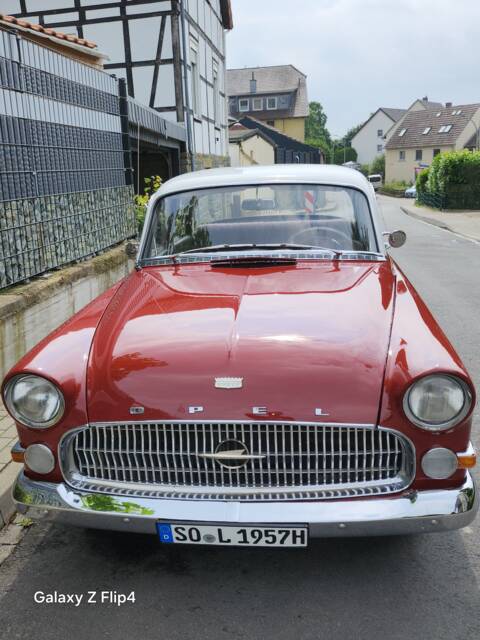
1957 | Opel Kapitän
Mit aktuellem Wertgutachten eine Wertanlage mit Spaßfaktor
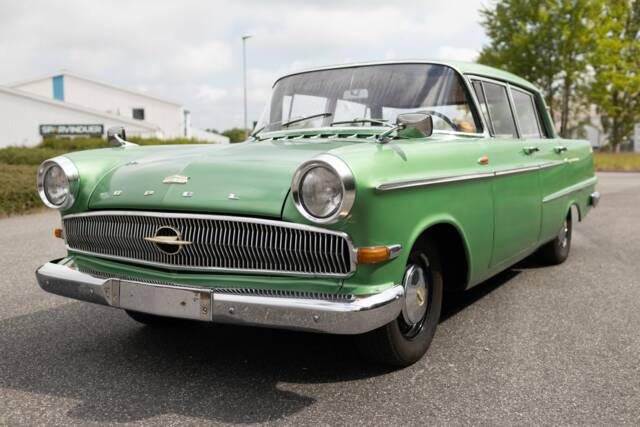
1962 | Opel Kapitän 2,6
A Danish car from new. Passed Danish Technical Inspection (MOT/TUV/Syn) in 2022

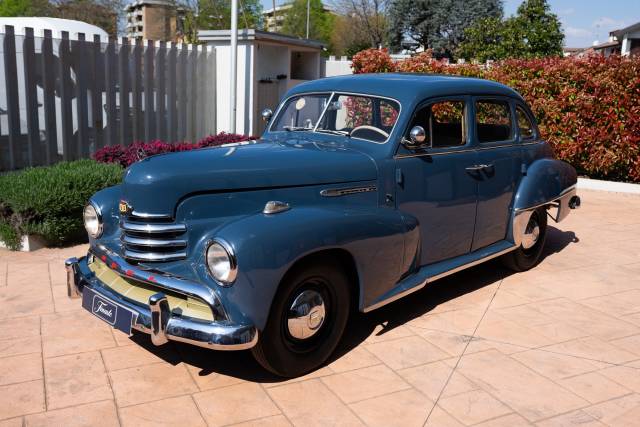
1952 | Opel Kapitän

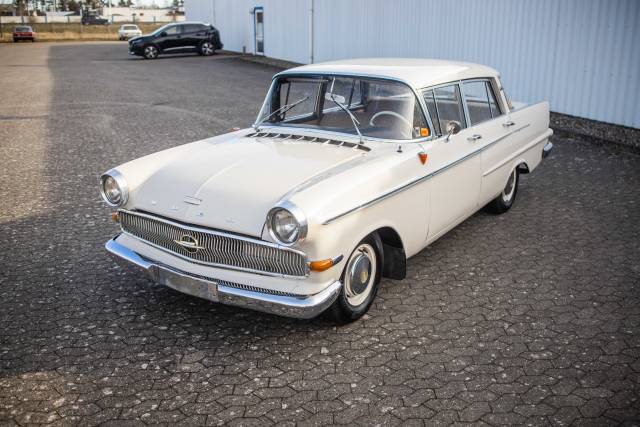
1961 | Opel Kapitän 2,6
Opel Kapitän P2 Sammlerfahrzeug sehr guter Zustand (1961)
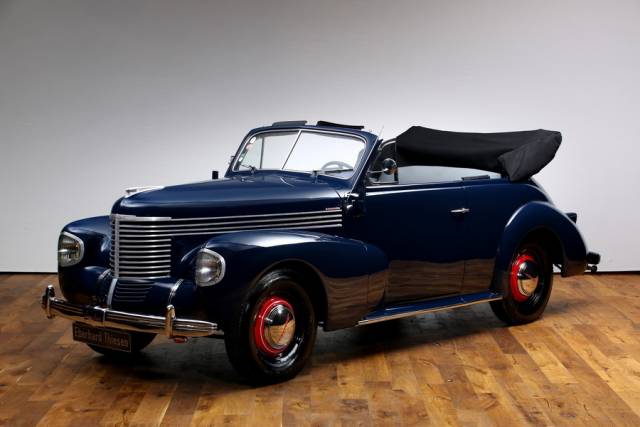
1939 | Opel Kapitän
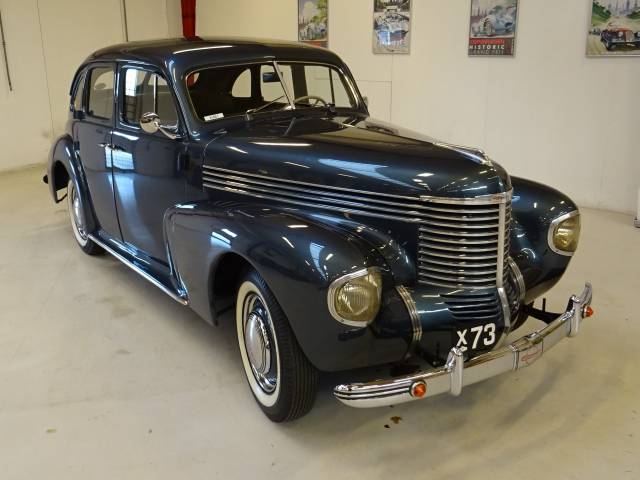
1939 | Opel Kapitän
Documented history from new
Opel Kapitän Classic Cars: Prices & Market Values
History of the Opel Kapitän
Introduced in 1938 as Opel’s new upper-class vehicle, the Kapitän replaced the Opel Super 6. It stood out as the last civilian production model before the outbreak of World War II, released with a steel unitary body and advanced independent front suspension with double wishbones—a rarity for the era. Early versions were available as two- or four-door saloons, and even as a rare cabriolet variant. Its production was interrupted by the war, with over 25,000 units built by 1940. Post-war, Opel resumed production in 1948, introducing the four-door Kapitän with front-hinged doors at the front and rear-hinged at the back (often referred to as 'suicide doors'). Its design drew heavy influence from its parent company GM, echoing the lines of American vehicles.
Model history
The Kapitän saw multiple series: The pre-war models until 1940, then the near-identical post-war models from 1948. From 1950, updates featured a column shift and renewed interiors; in 1954, the Kapitän adopted a new ponton body style shaped by American design influences. The P 2.5 'Schlüsselloch' (keyhole) model is the rarest, built for just 11 months. In 1958, the P 2.5 introduced a more chromed, elongated design, followed swiftly by the P 2.6 which offered enhanced practicality and a modernised, more European appearance. The KAD line (Kapitän, Admiral, Diplomat) began in 1964, positioning the Kapitän as the entry-level luxury vehicle. The series concluded in 1970 with the Kapitän B, ending its distinguished run.
Highlights of the Opel Kapitän
Distinctive for its smooth-running inline six-cylinder engines (displacing between 2.5 to 2.8 litres), the Kapitän provided a level of comfort, ride quality, and reliability rare for its period. Rich interiors often featured premium materials like Nappa leather and fine carpets, with ornate chrome trim setting the tone for luxury. Significant attributes include a spacious saloon layout, robust engineering enabling long-term reliability, and attention to modernisation such as the switch to 12V electrics and optional Blaupunkt radios in later models. Notably, the Kapitän P 2.6 is both the most supplied (35% of Opel Kapitän listings) and the most demanded (59.4% of Kapitän views). Classic collectors value original documents and authentic restoration, making well-preserved examples highly sought-after among enthusiasts.
Technical data
Special Editions and Collectible Models
The rare Kapitän P 2.5 'Schlüsselloch' (produced for about 11 months with under 35,000 units) stands out as the scarcest. Cabriolet models from the early series and special export editions (including versions for the US market) are highly prized among collectors for their limited numbers and unique specification packages.
Weak Spots and Common Issues
Authenticity and originality are central for Kapitän collectibility. Areas to scrutinise include the integrity of bodywork restoration, especially in hidden areas susceptible to corrosion. Later models often had electrical upgrades such as 12V conversions, and enthusiasts should check the quality of these adaptations. Original documentation, including manuals and maintenance logs, add to a car’s value. Replacement parts and restoration spares are growing harder to locate, especially for rare trims and export specifications. mechanicals—engine, gearbox, suspension—tend to be robust, but expect most examples to have had extensive refurbishment.
Engine and Performance, Transmission and Handling
With smooth-running six-cylinder engines (initially 2.5L, later up to 2.8L), the Kapitän delivered outputs from 55 PS to 140 PS, placing it ahead of many contemporaries in comfort and long-distance ability. The ride is characterised by its independent front suspension with double wishbones and a robust live axle at the rear, which provided a soft yet predictable handling profile. Gearboxes ranged from 3- and 4-speed manuals to later automatic options, notably on luxury models. The P 2.6 delivered the best blend of performance and usability, combining 90 PS with high demand according to our listing engagement data. - Kapitän P 2.6: Most popular with buyers, 90 PS, modernised European styling
- Kapitän 56/57: 68 PS, improved brakes and three-speed synchronised gearbox
- Kapitän A and B: Up to 140 PS, luxury KAD series design and technology
Interior, Comfort, Exterior and design
Kapitän interiors offer generous space, particularly in later KAD models with six-seat layouts. Upholstery in original examples features period-correct Nappa leather and premium carpets, complimented by abundant chrome trim. Exteriors evolved from streamlined pre-war forms to the ponton and, later, the more angular KAD family bodies. Key design cues include extended rear end treatments, restyled grille designs, and the use of distinctive chromed ornamentation. Popular options in period included Blaupunkt radios, period roof linings, luxury dashboards, and rare combinations of original factory accessories. Several export models featured bespoke equipment and finishes.
Other relevant features
Authenticity in restoration—documented histories, original owner manuals, and period-correct equipment—are seriously valued among enthusiasts. Export models, especially those originally sent to Scandinavia or North America, often differ in detail, sometimes featuring unique trim and specification. Vehicles are assessed following classic car grading systems (e.g., grades 1 to 3), and many examples offer comprehensive documentation such as invoices, restoration logs and photo histories.
Summary
The Opel Kapitän remains a benchmark for post-war German executive cars: refined, technically advanced for its time, and much sought after by those who want authentic 1950s and 1960s driving experience. Whether in rare P 2.5 'Schlüsselloch' form or as a potent P 2.6, the Kapitän is a noteworthy presence in the classic car landscape. Buyers should look for completeness, original equipment, and careful restoration to secure a true automotive highlight.