Opel Vectra Classic Cars for Sale
The Opel Vectra stands as one of the foundational mid-size models in Opel’s line-up, produced from 1988 through 2010 and offered in a variety of body styles and modern features for its time. Renowned for its technical versatility and strong parts availability, the Vectra appeals to drivers looking for practicality alongside classic car flair.
Search results
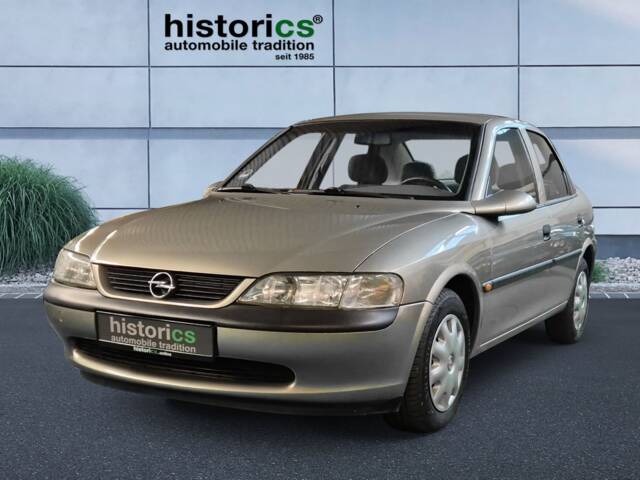
1996 | Opel Vectra 1,6
1. Hand, H-Kennzeichen

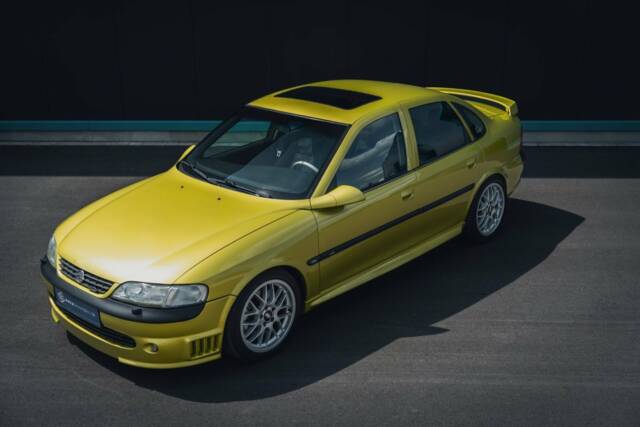
1998 | Opel Vectra 2,5 i500
Vectra B Sport i500
Opel Vectra listing references from Classic Trader
Below you will find listings related to your search that are no longer available on Classic Trader. Use this information to gain insight into availability, value trends, and current pricing for a "Opel Vectra" to make a more informed purchasing decision.
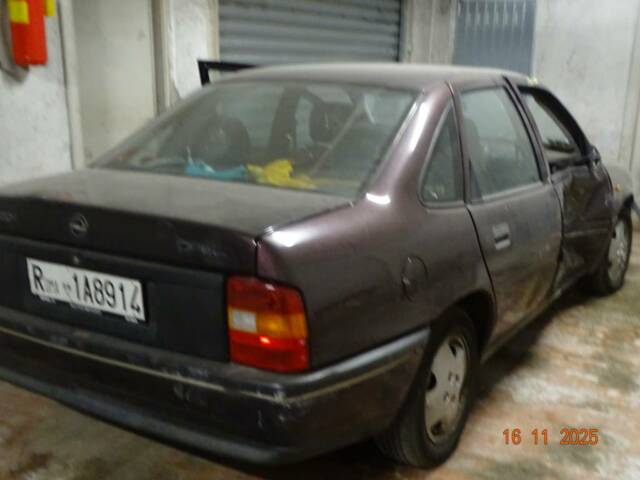
1991 | Opel Vectra 2,0i

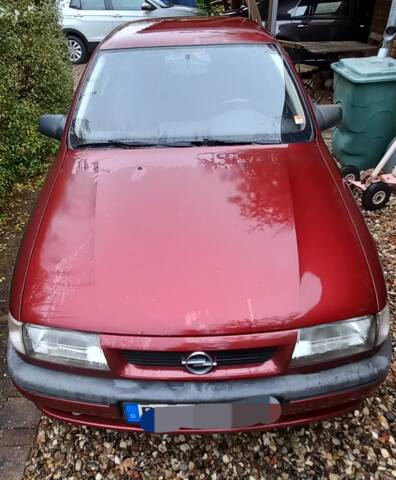
1994 | Opel Vectra 1,8i
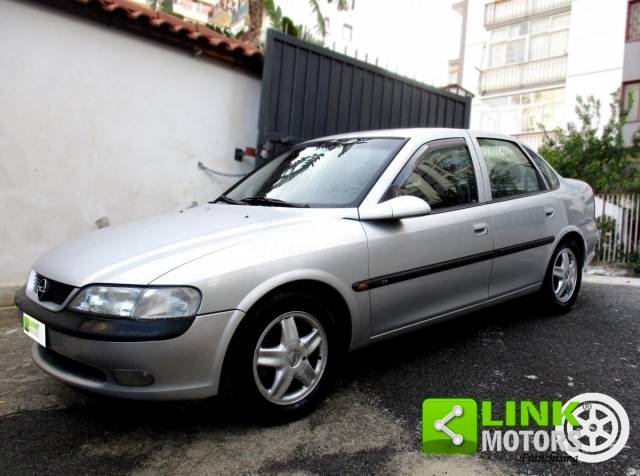
1996 | Opel Vectra 2,5
Opel Vectra 2.5i V6 24V 4 Porte CDX (1996)
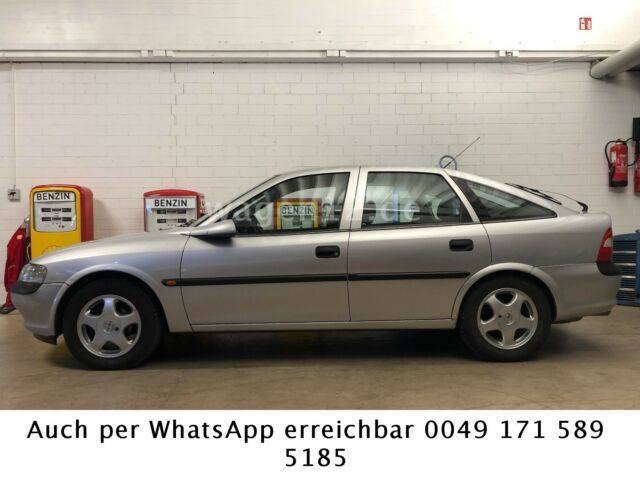
1998 | Opel Vectra 1,8 16V
Opel Vectra 1.8 Standheizung
Opel Vectra Classic Cars: Prices & Market Values
History of the Opel Vectra
First introduced in 1988, the Opel Vectra was developed by Opel to succeed the Opel Ascona. It was engineered as a modern, mid-size car and produced in saloon, hatchback, and estate variants. In the UK, early models were sold as the Vauxhall Cavalier before the Vectra name was adopted in 1995. The Vectra also found its way to other markets branded as the Holden Vectra and Chevrolet Vectra. Lasting through three generations, the Vectra concluded European production in 2010, making way for the Insignia.
Model History
The Vectra debuted as the Vectra A, which led the family from 1988 to 1995. It was then succeeded by the Vectra B (not directly mentioned in the statistics, but exists), and later by the Vectra C, which was produced until 2010. The model series was notable for the wide range of variants from sporty GT versions with the C20XE (2.0 litre, 16V) engine to comfort-oriented estate models. The transition from the Vectra A to C reflects growing focus on driving dynamics, technology, and safety features. The predecessor was the Opel Ascona; the successor post-2010 was the Opel Insignia.
Highlights of the Opel Vectra
Key technical features included ABS, electronic power steering, power windows, central locking, alarm system, on-board computer, heated and electric exterior mirrors, adjustable steering wheel, air conditioning, fog lights, and original chassis and wheels. The Vectra GT with its C20XE high-revving engine and 16-valve technology became particularly sought-after by performance fans. Factory options and high level of standard equipment made the car especially attractive for everyday classic car driving.
Technical Data
Special Editions and Collectible Models
Special attention should be given to the Vectra GT variant, especially those equipped with the C20XE engine. This 16V unit, familiar from the Motronic 2.8 management, is renowned for reliability and performance, making these cars especially interesting for collectors and fans of 1990s European sports saloons.
Engine and Performance, Transmission and Handling
The Vectra range was defined by its balanced ride and precise steering, especially in GT trims with sports suspension and the C20XE engine, which delivered sharp throttle response and a wide power band. Power steering, ABS, and disc brakes up front made for safe everyday operation even by modern standards. The driveline offered robust manual gearboxes with options for automatic variants. Maintenance-friendly access to major components allows for regular gearbox and engine oil changes, contributing to the longevity of these engines. - Vectra GT (C20XE, 2.0 litre 16V): celebrated for its athletic handling and punchy performance
- Vectra A models: dominate in both market supply and enthusiast interest
Interior, Comfort, Exterior and Design
Interior equipment in higher trim levels included power windows front and rear, climate control, heated and adjustable door mirrors, on-board computer, and a steering wheel adjustable for height—a rarity in the late 1980s. The original alloy wheels, exhaust, and chassis of well-preserved examples are increasingly valued. The Vectra’s body design evolved over its generations, but early models retain a classic, harmoniously proportioned silhouette. Fog lights and sporty exterior accents characterised GT variants, while estate models offered practical loading space. Optional equipment included original Opel alloy wheels and rare factory alarm systems.
Other Relevant Features
Parts availability for the Opel Vectra remains excellent. There are abundant options for both original components and modern upgrades, supporting everything from chassis and wheel swaps to exhaust and brake system tuning. Its widespread use as a daily driver in the 1990s and 2000s means technical documentation and community knowledge are readily accessible.
Summary
The Opel Vectra stands out as an exceptionally adaptable classic in the mid-size class, offering a unique mix of technical equipment, accessible spare parts, and practical body styles. Models featuring the C20XE engine, especially in GT trim, are especially prized among enthusiasts. The Vectra’s strong market presence and high demand, particularly for early models, underline its continued importance among classic Opels.