Opel 1.2 litre classic cars for sale
The Opel 1.2 litre, built from 1931 to 1935, marks an era of engineering focused on affordability, reliability and innovative solutions for everyday drivers. Offering both saloon and cabriolet variants, this classic is a touchstone in German automotive history for its robust mechanics and accessible engineering.
Search results
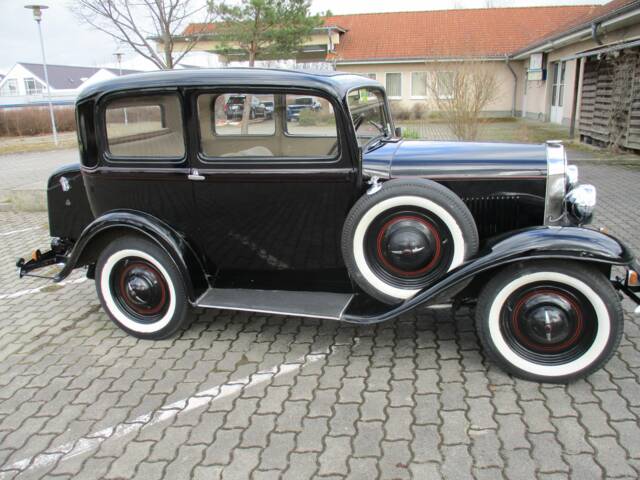
1935 | Opel 1,2 Liter
Opel 1290

Opel 1,2 Liter listing references from Classic Trader
Below you will find listings related to your search that are no longer available on Classic Trader. Use this information to gain insight into availability, value trends, and current pricing for a "Opel 1,2 Liter" to make a more informed purchasing decision.
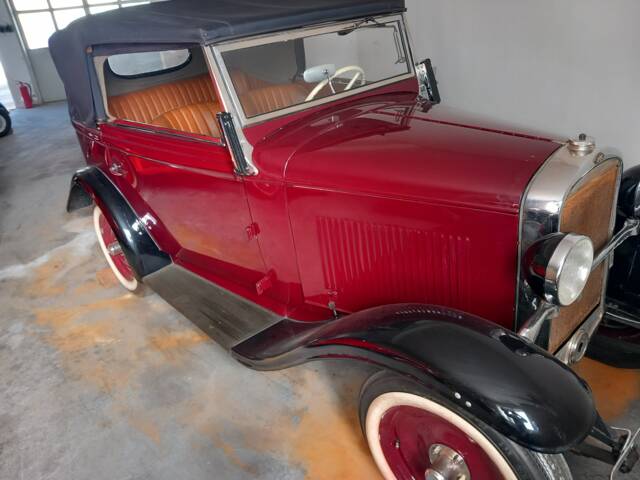
1932 | Opel 1,2 Liter
OPEL REGENT CABRIOLET

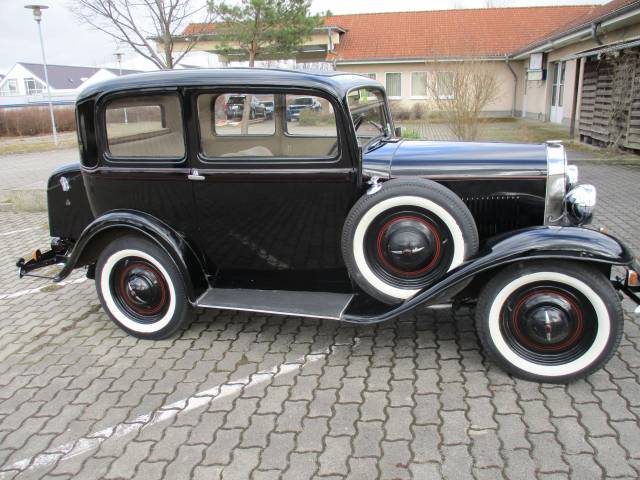
1935 | Opel 1,2 Liter
Opel 1290
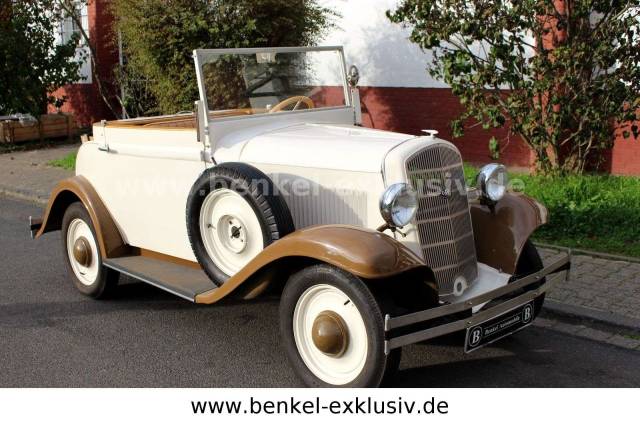
1934 | Opel 1,2 Liter
Opel 1.2 Cabriolet
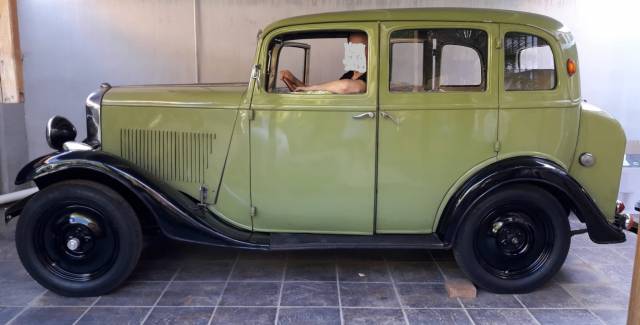
1933 | Opel 1,2 Liter

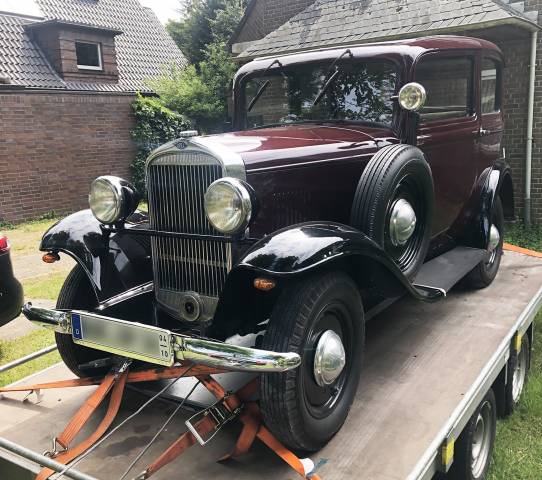
1935 | Opel 1,2 Liter
Well preserved Opel 1,2l (predecessor P4) with spare parts
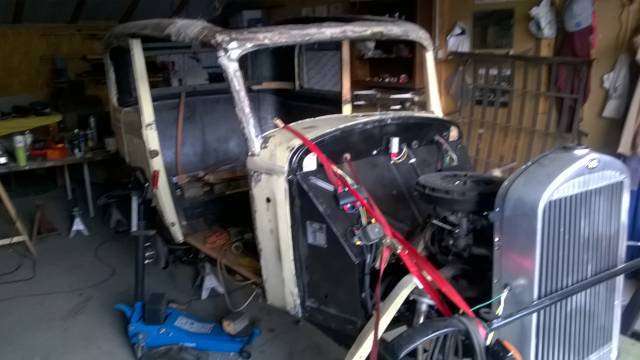
1935 | Opel 1,2 Liter
Opel Vorkrieg
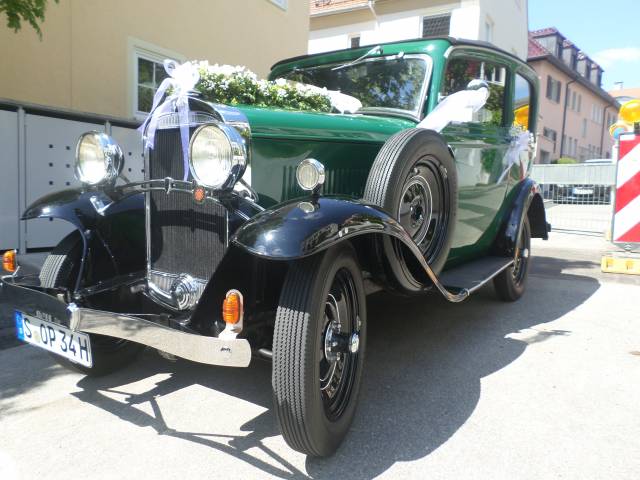
1934 | Opel 1,2 Liter
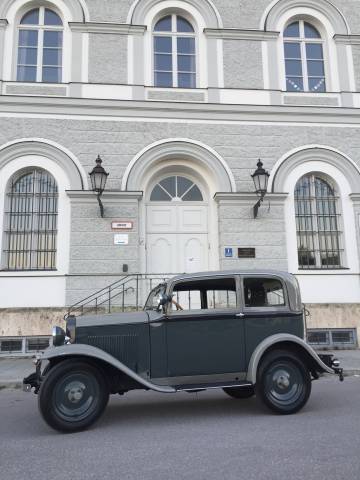
1933 | Opel 1,2 Liter
Opel Typ 1.2 in sehr gutem Zustand
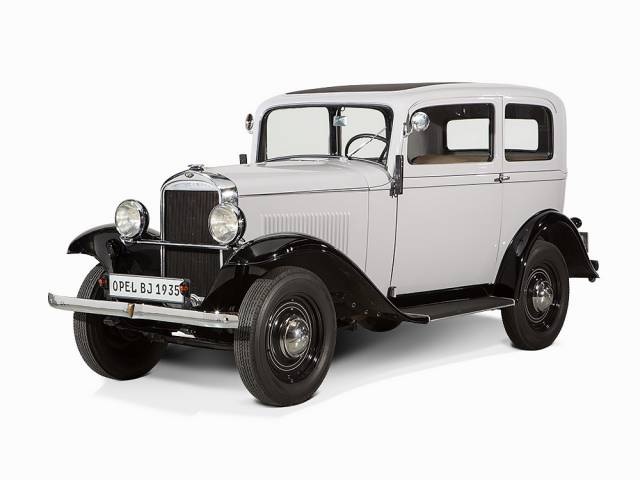
1935 | Opel 1,2 Liter
This vehicle will be auctioned on 11/28/2014 at 6 pm
Opel 1,2 Liter Classic Cars: Prices & Market Values
History of the Opel 1.2 litre
The Opel 1.2 litre launched in July 1931, directly succeeding the Opel Laubfrosch and targeting Germany’s burgeoning middle class with an affordable, modern vehicle. Offered at an accessible price, it opened up motoring to a broader audience. Its production run until 1935 makes it representative of a transitional period in Opel’s output, leading directly to the P4 which took over in 1935 with a revised engine. Notably, in 1933 Opel introduced a 1.0 litre variant – a rare detour in the model’s otherwise direct lineage – but this model was short-lived. The 1.2 litre’s combination of cohesion in engineering, stamped steel chassis, and hydraulic dampers ensured not only mass appeal but technical advancement, setting a record with approximately 100,000 units built – an unmatched figure in Germany at the time.
Model history
The Opel 1.2 litre replaced the final iteration of the Laubfrosch, adopting and evolving technical solutions that had proven successful. Its presence in the market aimed to retain the practical strengths of its predecessor while introducing modern comforts and expanded body options. In 1933, the 1.0 litre companion model tried to push this formula even further towards efficiency, but was dropped after a year. By 1935, the introduction of the Opel Kadett and the P4 extended Opel’s reach in the compact segment, with both models reflecting lessons learned from the success of the 1.2 litre.
Highlights of the Opel 1.2 litre
The Opel 1.2 litre stands out for its twin body styles—saloon and cabriolet—its pressed steel chassis, and features like hydraulic shock absorbers and all-around drum brakes. Opel’s deliberate use of modern technology and design—such as spiral bevel differential and semi-elliptic leaf springs—made the car reliable for its day and accessible for the everyday driver. Its 22–23 hp four-cylinder engine, paired to a then-modern dry single-plate clutch and three- or four-speed manual gearbox (depending on year), made it practical and maintainable, even by today’s classic standards.
Technical data
Special Editions and Collectible Models
While the Opel 1.2 litre was primarily offered as a mass-market model, there were desirable body variants including the cabriolet and different wheelbase lengths. Some late models (after 1933) featured four-speed gearboxes or enhanced trim, making them more sought-after among dedicated enthusiasts. Museum quality examples, such as the Limousine in the Technik Museum Speyer, underline its enduring status in German automotive heritage.
Engine and Performance, Transmission and Handling
The 1.2 litre’s four-cylinder engine is straightforward, robust, and benefits from its period’s focus on simplicity. With an output of 22–23 hp, acceleration is modest but reliable. Manual transmissions (three or four gears, depending on year) are direct and approachable for drivers used to pre-war machinery and require routine maintenance of clutch and linkage. Hydraulic shock absorbers and all-wheel drum brakes ensure competent handling and stopping power for a car of this vintage. Semi-elliptic leaf springs contribute to a ride that, while simple by today’s standards, was progressive for the early 1930s. - Opel 1.2 litre Limousine, saloon—standard and longer wheelbase versions
- Opel 1.2 litre Cabriolet—less common, more collectible among survivors
Interior, Comfort, Exterior and design
The Opel 1.2 litre’s design reflects the functional aesthetics of early-1930s motoring. Interior materials were basic but solid, utilising period-correct metals and fabrics. Instruments are minimal and straightforward. Exteriors range from compact saloon bodies to the more airy cabriolet, with wheelbase flexibility adding variety. The bodywork relies on stamped steel panels, reflecting contemporary Opel production methods. Factory standard colours were restrained, matching the era’s preferences. Some models included chrome trim and optional extras such as exterior sun visors, dual spare wheels, or period-correct luggage racks—popular with collectors who value original accessories.
Other relevant details
Spare parts such as gearboxes and engines are occasionally available with vehicles or can be sourced from the active Opel vintage community. Many available examples on the market are maintained in condition appropriate to their age, and provenance, including collector ownership, is often a feature.
Summary
With approximately 100,000 units produced, the Opel 1.2 litre epitomises the technological leap and growing automotive culture of early 1930s Germany. Distinct for its accessible engineering and practical design, today it remains valued for its robust mechanicals and historical relevance among collectors of pre-war German classics.