MG MGB classic cars for sale
The MG MGB stands among the most recognised British sports cars, produced from 1962 to 1980 in over half a million copies. With classic roadster and coupé bodies, a robust four-cylinder and, later, V8 options, its appeal stretches from everyday practicality to lively driving pleasures. Contact with the road is direct, support and know-how from large owner clubs is extensive, and the original charm is well-preserved—making MGBs a compelling entry and long-term companion for classic car fans.
Search results


1978 | MG MGB GT V8 SEC
MG BGT MGBGT V8 3500



1965 | MG MGB
MG B MGB roadster 1.8 overdrive spaakwielen

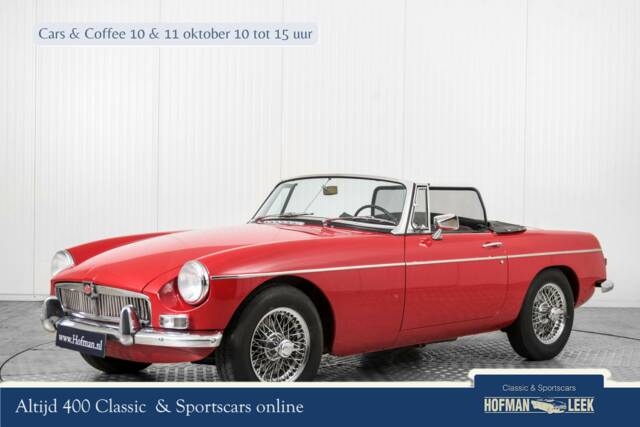
1966 | MG MGB
MG B MGB roadster overdrive chroom spaakwielen
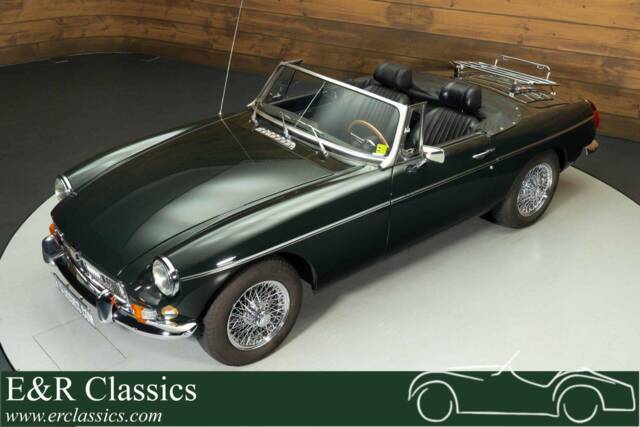
1973 | MG MGB
MG MGB
Newsletter
The best MG listings, straight to your inbox
Get hand-picked MG listings, plus the best of cars, motorbikes, and auctions on Classic Trader — all in one place.
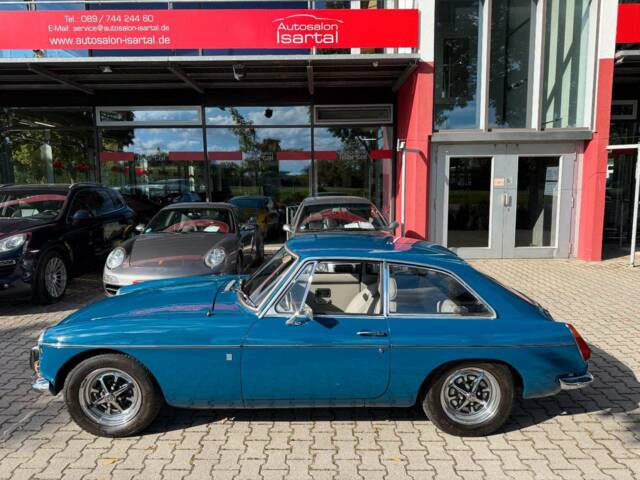
1972 | MG MGB GT
MG MGB

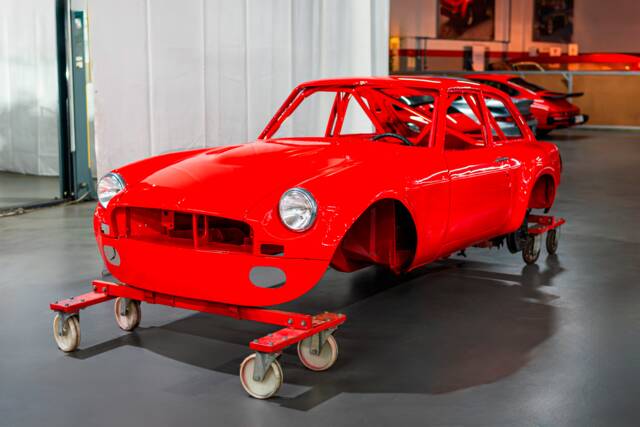
1974 | MG MGB GT V8
MGB GT V8 – Portuguese plate registration

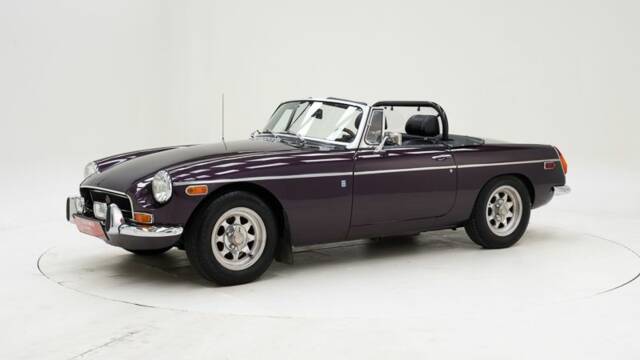
1972 | MG MGB
1972 MG B Supercharger '72

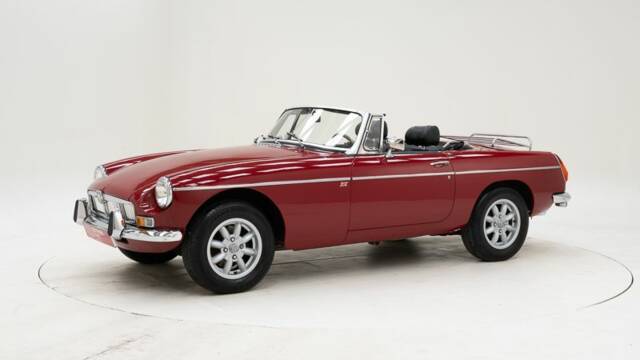
1976 | MG MGB
1976 MG B Roadster '76
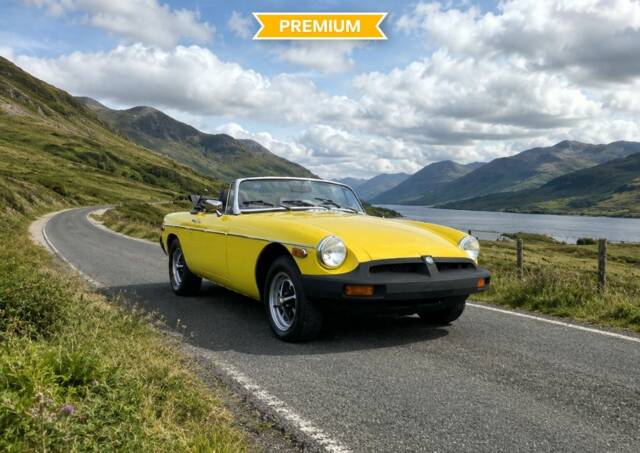
1980 | MG MGB
MG MGB Cabriolet | 1980 | Route 66 Auctions - For sale by auction. Estimate 4200 EUR
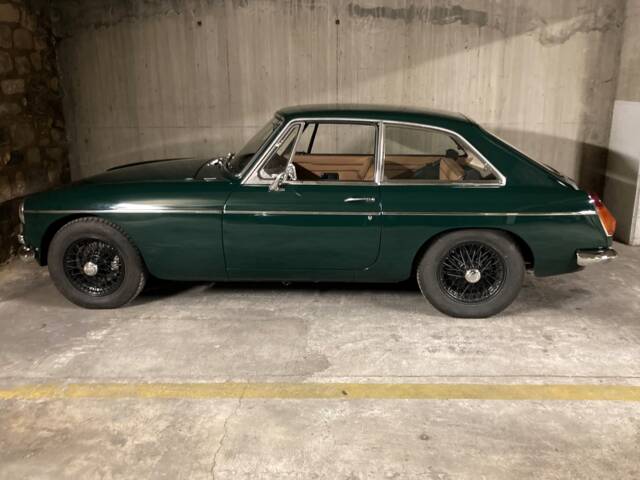
1968 | MG MGB GT
MG B GT

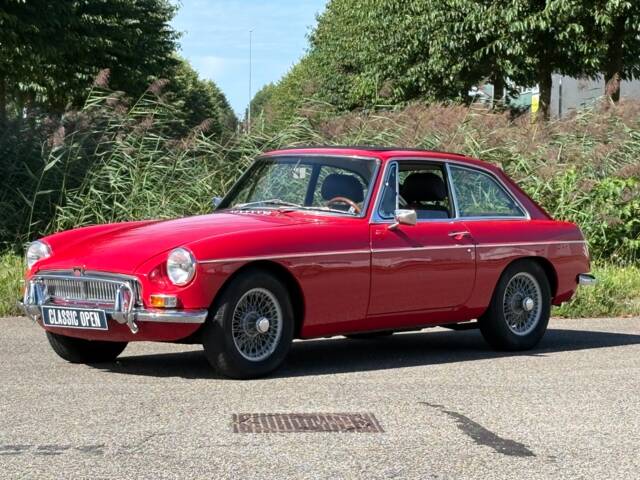
1967 | MG MGB GT
Webasto Sunroof
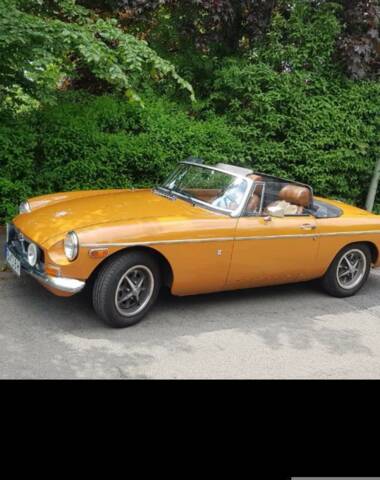
1974 | MG MGB
Charming chrome-bumper MGB
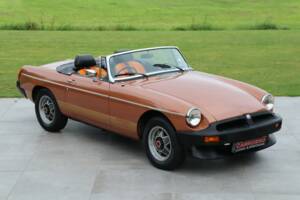
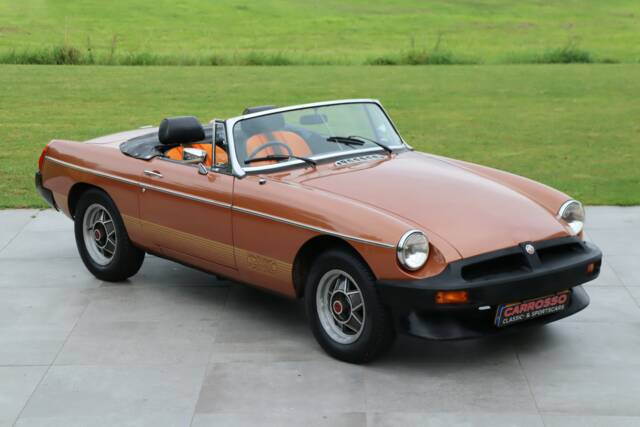
1981 | MG MGB Limited Edition
MG B Roadster Limited Edition
MG MGB Classic Cars: Prices & Market Values
The market value of MG MGB classic cars is primarily determined by the specific manufacturer code and variant, as well as technical condition, originality and mileage. Additional factors include rarity, history and documentation. A well-maintained, largely original vehicle with low, verifiable mileage and complete history including appraisals and documentation typically achieves significantly higher prices than a comparable vehicle with deferred maintenance, many modifications or unclear provenance.
MG MGB: Market Prices & Value Trends
Based on sales data from the Classic Trader marketplace, the MG MGB market across Europe has been broadly stable to gently firming over the period 2022 to January 2026, with most mainstream roadsters and MGB GTs (typically 1960s–late 1970s cars) clustering in a consistent, mid-market band rather than showing a sharp upturn. Ignoring obvious one-off outliers (such as project-level prices and unusually high “collector” figures), realistic current asking levels tend to sit at roughly €10,000–€25,000 for usable, correctly presented cars, with well-restored examples sometimes stretching to around €30,000–€35,000 depending on specification, history and workmanship. In the UK, comparable listings commonly fall in the £10,000–£20,000 range for standard cars. Higher-performance and rarer variants, especially MGB GT V8 models (early to mid-1970s), regularly command a clear premium and often appear around €30,000–€50,000+ in European listings. Overall, this points to a mature, liquid classic segment where values are supported by strong parts availability, simple mechanics and enduring demand for accessible British sports cars.
History of the MG MGB
The MG MGB was introduced in 1962 by the British Motor Corporation (BMC) as a successor to the MGA. Distinguished from its predecessor by using a monocoque body structure, the MGB set new standards for weight and rigidity in its class. The car made a significant impact with its contemporary lines, available as a roadster and, from 1965, the Pininfarina-designed GT 2+2 coupé. Throughout its 18-year production run, the MGB underwent numerous technical and aesthetic updates to keep pace with market demands and regulations, especially those imposed by the United States. The MGB marked a shift in British sports car manufacturing, moving from traditional body-on-frame construction to modern, self-supporting designs. Its legacy was further cemented by strong motorsport showings and an active enthusiast community that persists to this day.
Model History
The MGB range began with the roadster in 1962, highlighted by features like wind-up windows, a larger boot, and improved space versus the MGA. The MGB Mark II, introduced in 1967, implemented a new gearbox and rear axle. The 1972 Mark III improved interior comfort, including revised heating and dashboard. The fixed-roof GT followed in 1965, offering more cargo room and family suitability with its 2+2 seating. Rare models include the six-cylinder MGC (1967–69) and the unusually potent MGB GT V8 (1973–76). Each main variant reflected not only technical shifts—like the adoption of overdrive and varying carburettor types—but also external factors such as evolving regulations, leading to distinguishing traits like later rubber bumpers for the US market.
Highlights and Distinctive Features
The MGB’s lightweight monocoque shell, articulated driving response, and rear-wheel drive layout distinguished it from rivals—crucially preserving a traditional British sports car feel. Accessible performance from a 1.8-litre four-cylinder with dual SU carburettors allowed brisk acceleration for the era, while an optional overdrive increased long-distance comfort. UK and export models differed in trim, safety features, and instrument layouts. Unique options—wire wheels, overdrive, rally kits, hardtops, and varied chrome finishes—offered bespoke opportunities for owners. The Pininfarina-designed GT added practicality, while the rare V8’s powertrain transformed performance.
Technical Data
Special Editions and Rare Models
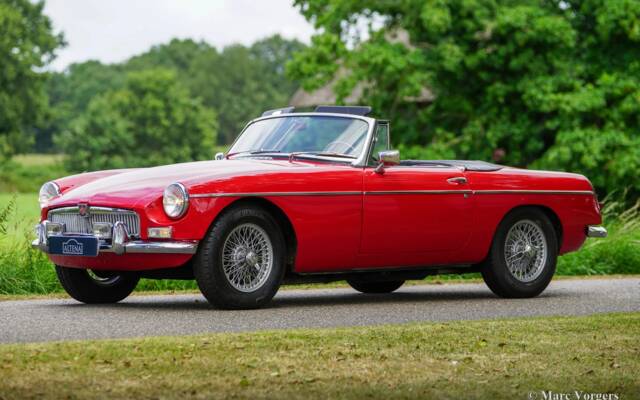
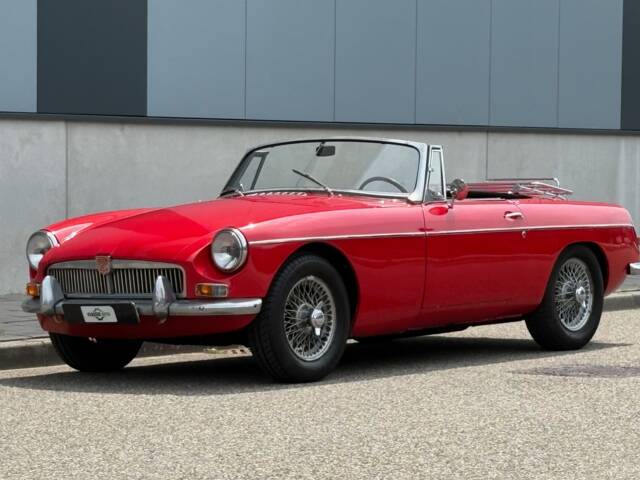
Numerous variants enhance collector interest. Pull handle and early "Spoon Door" versions (1962–65) feature unique door hardware and subtle trim. The MGB GT, styled by Pininfarina and launched in 1965, brought the first hatchback look to a British sportscar. The MGC (1967–69) integrated a 3.0-litre six-cylinder, while the MGB GT V8 (1973–76) fitted a 3.5-litre Rover engine—transforming performance; only about 2,591 V8s were built. The Limited Edition (LE, 1979/80) marked production’s end with signature stripes, alloy wheels, and commemorative plaques. Colour choices like British Racing Green, Tartan Red, and Inca Yellow were period highlights.
Maintenance and Known Issues
Rust is the chief enemy, especially in sills, floorpans, and wing edges; later rubber bumper cars often suffer at bumper mounts too. The electrical system is robust if maintained, but prior neglect can cause headaches—corroded connectors and failing grounds being common. Mechanical parts are generally affordable and widely available; even major components like engines and gearboxes can be sourced with relative ease, thanks to a vibrant club and aftermarket network. Watch for oil leaks, tired suspension bushings, and poorly repaired accident or restoration work. All MGBs are mechanically straightforward, and many cars boast a strong supply of used and reconditioned parts.
Engine and Performance, Transmission and Handling
The MGB balances lively engine response with accessible handling. Four-cylinder cars deliver 0–100 km/h in approximately 11–12 seconds and top speeds of 160–173 km/h, sufficient for spirited British B-road runs and comfortable motorway cruising. The optional overdrive increases fuel efficiency and cabin quiet. The V8 offers a considerable leap in torque and acceleration, with 0–100 km/h in just 7.7 seconds and a top speed near 200 km/h. Handling is engaging yet forgiving, aided by a supple front suspension and rear leaf springs, though ride height and understeering can be an issue in later, raised ride height US-spec cars. Steering is direct, feedback-rich and unassisted, amplifying the connection to the road. Popular models include the early chrome bumper Series I & II, the practical GT, and the rare but potent GT V8. - MGB Roadster Series I & II: Early models, known for chrome bumpers and classic lines, favoured for their pure driving experience.
- MGB GT: Coupé practicality with nearly identical underpinnings; rear hatch adds luggage flexibility.
- MGB GT V8: The most powerful variant, blending everyday usability with strong acceleration; only 2,591 built.
- Limited Edition (LE): Special trim, unique alloy wheels, and end-of-line build make it distinctive.
Interior, Comfort, Exterior and Design
Exterior design reflects clean, athletic lines, with low-slung proportions and distinctive flat grilles. Early Roadsters feature chrome bumpers, replaced from 1975 by large polyurethane units (“rubber bumpers”) to meet US regulations, changing both aesthetics and ride height. The GT’s fastback roof (by Pininfarina) added a practical hatch and increased headroom. Factory and period-correct colours include British Racing Green, Tartan Red, Old English White, Inca Yellow, and Pewter. Interior evolution saw steel dashboards replaced by padded units (notably the “Abingdon Pillow” safety dash), with Smiths instruments, supportive bucket seats in leather or vinyl trims, and options for headrests. Common equipment: wire or Rostyle wheels, radio pre-fit, wood-rim steering wheels (often Moto-Lita or Mountney), seat choices, and a wide array of dealer-fit accessories. Luggage racks, hardtops, oil coolers, upgraded suspension, and Minilite wheels were popular add-ons.
Other Relevant Features
The international MG MGB scene is fuelled by strong club participation and expert workshops, especially in the UK and Europe. Both right- and left-hand-drive versions were produced from new, with several export-specific variations. The MGB’s appeal is enhanced by its simplicity, robust mechanicals, and excellent parts supply, making it viable both as a daily classic and a project car. Concours events, tours, and racing remain popular with the MGB’s rich motorsport history underpinning its ongoing status among historic automobile enthusiasts.
Summary
With over 500,000 sold worldwide, the MG MGB remains the benchmark for British sports cars from the era. Varied body styles, engine types, and a massive support network make it a satisfying and practical choice for enthusiasts. Whether shopping for a sharp-handling Roadster, a versatile GT, or the rare thunder of a GT V8, prospective owners will find a wealth of knowledge, strong parts support, and an enthusiast scene as vibrant as the MGB’s reputation on road and track.