MG L-Type Classic Cars for Sale
The MG L-Type, manufactured from 1933 to 1934, combines classic British engineering with impressive motorsport history. This rare six-cylinder model, including standout versions like the L1 Continental Coupé and the L2 Magna, is an exceptional piece for collectors and historic racing enthusiasts.
Search results
Currently, there are no matching listings for your search.
Create search alert
Let yourself be notified as soon as a listing is published that matches your search filters.
Create listing
Do you have a MG L-Type that you want to sell? Then create a listing now.
Create listingMG L-Type listing references from Classic Trader
Below you will find listings related to your search that are no longer available on Classic Trader. Use this information to gain insight into availability, value trends, and current pricing for a "MG L-Type" to make a more informed purchasing decision.
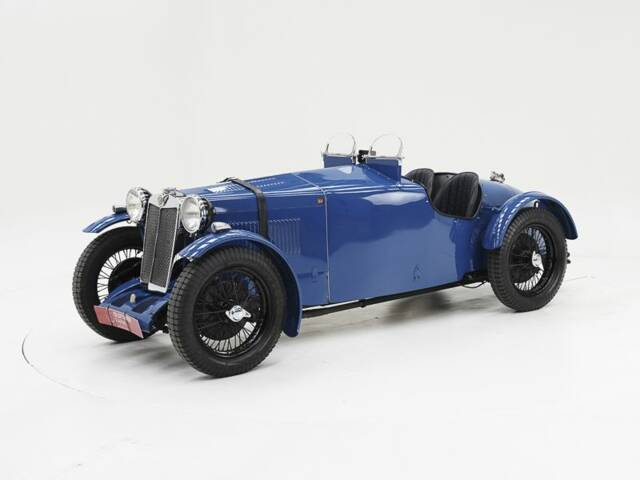
1934 | MG L1 Magna
1934 MG L-Type Magna Roadster '34

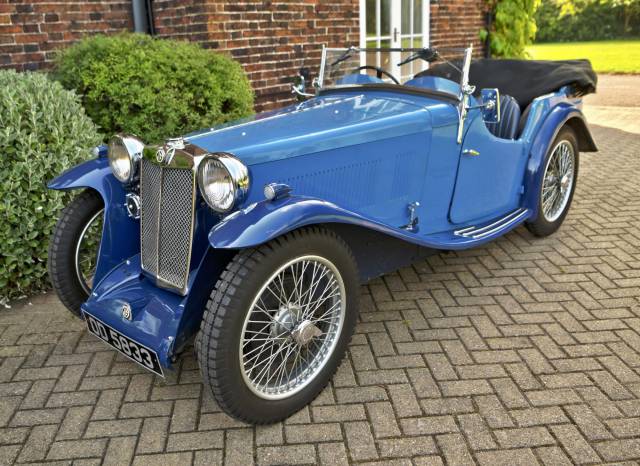
1933 | MG L2 Magna

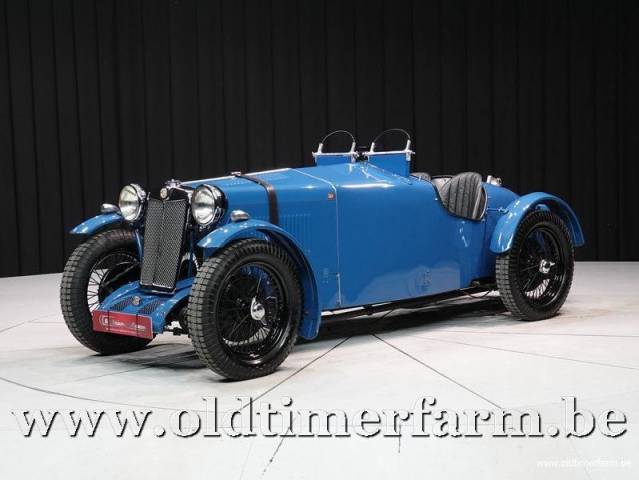
1934 | MG L1 Magna
1934 MG L-Type Magna Roadster '34
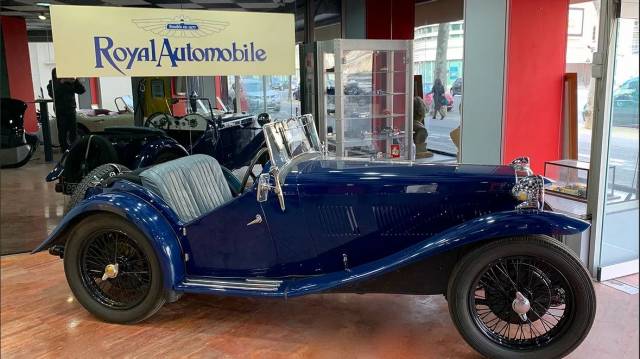
1933 | MG L2 Magna
90 exemplaires fabriqués en L2 (Celle-ci N°42)

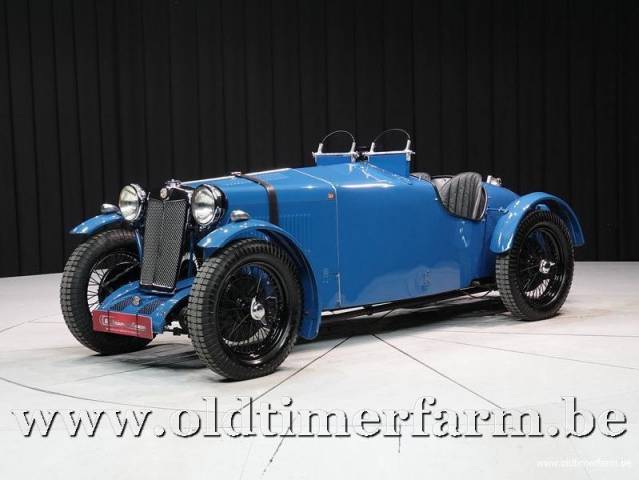
1934 | MG L1 Magna
1934 MG L-Type Magna Roadster '34
Create search alert
Let yourself be notified as soon as a listing is published that matches your search filters.
Create listing
Do you have a MG L-Type that you want to sell? Then create a listing now.
Create listingMG L-Type Classic Cars: Prices & Market Values
History of the MG L-Type
The MG L-Type marked a significant step in MG’s sports car lineage when it was produced between 1933 and 1934. Developed as the successor to the MG F-Type, the L-Type inherited a lighter, 1086 cc six-cylinder engine derived from the Wolseley Hornet. Outfitted with an overhead camshaft and a crossflow cylinder head, it produced 31 kW, paired with an unsynchronised four-speed gearbox. The chassis was a modified version of the MG K-Type, with updated suspension and 300 mm drum brakes actuated by cables, carried over from the J-Type. A total of 576 examples were produced, making each vehicle an in-demand piece for those with a passion for British pre-war engineering.
Model History and Line-Up
The L-Type followed the F-Type (1931–1932) and was succeeded by the N-Type (1934–1936). Offered in several variants, the L-Type range included the popular L1 Magna as a four-seater roadster or Continental Coupé, finished in two-tone paint schemes. Production figures were low: 486 units for the L1 Magna, with about 100 of these as Coupés. The L2 Magna roadster came as a two-seater, with just 90 built. The L1 originally sold for £299, while the Continental Coupé was priced at £350. Exceptions in styling and limited numbers, especially for the Coupé, make these vehicles stand out among classic British sports cars.
Highlights of the MG L-Type Series
The MG L-Type is renowned for its advanced engineering for the era: a six-cylinder OHC engine, sophisticated chassis derived from the K-Type, and large drum brakes. Interiors often featured detailed craftsmanship with leather, wood, and chrome accents. Many cars retain original period colours and distinctive details such as roof sunlights. The model is well-documented with historical motorsport participation—notably the 1933 Alpine Trial and events at Brooklands—as well as modern vintage races like Le Mans Classic. Full restorations are common and, owing to their meticulous construction, every MG L-Type can be returned to driving condition or concours standard.
The MG L-Type commands 100% of current supply and demand among MGs offered and viewed in the classic car market, reflecting its exclusive presence in listings relative to other MG models.
Technical Data
Special Editions and Unique Variants
The MG L-Type L1 Magna, produced as a four-seat roadster and a Continental Coupé, stands out due to its limited production run—about 100 Coupés and 486 overall L1 Magnas. The L2 Magna, only manufactured in 90 units as a two-seater roadster, is especially rare. Coupé bodies, constructed by Abbey, were offered in dual-tone paint schemes. These limited-production models have a prominent motorsport and collector following, with period racing and restoration histories adding further interest.
Weak Spots and Common Issues
Given their age and low production numbers, MG L-Type models require thorough evaluation for originality and completeness. Restoration is a realistic prospect, as every part can theoretically be addressed, but special attention should be paid to chassis integrity, proper functioning of the cable-operated brakes, and the condition of the OHC six-cylinder engine and gearbox. Restorers often face challenges sourcing era-correct parts or authentic interior materials. Given the complex detailing in interiors and original paint finishes, achieving period-correct restoration is labour-intensive.
Engine, Transmission and Driving Characteristics
Powered by its advanced-for-the-time 1086 cc six-cylinder engine, the MG L-Type delivers 41 hp and a reported top speed of 120 km/h. The manual four-speed gearbox, though unsynchronised, provides engaging, period-correct shifting. Large drum brakes on both axles, operated by cables, give the L-Type competent stopping power for the era. The chassis, adapted from the K-Type, featured enhanced handling, making the L-Type suitable for both historic racing and regular enjoyment. Many period examples participated in events like the Alpine Trial of 1933, as well as relay races at Brooklands. Documented cars have histories in Silverstone and Castle Combe competitions.
Popular Models: The L1 four-seater, the L1 Continental Coupé, and the L2 two-seater roadster are especially noteworthy, mainly for their rarity and documented motorsport backgrounds. undefined
Interior, Comfort, Exterior and Design
The MG L-Type embraces the elegance typical of early 1930s British sports cars. Interiors are lined with high-grade materials—leather upholstery, polished wood dashboards, and copious chrome trim. Original cars frequently display carefully restored or preserved two-tone paintwork, with Coupés showcasing distinctive finishes. Design highlights include delicately styled sunroof apertures and classically proportioned coachwork by Abbey. Attention to authentic period detailing is sought after by enthusiasts, and many cars feature restored instruments and period-correct accessories. Special features such as sunroofs, lush carpets, and detailed switchgear are key points for collectors.
Additional Information
Some L-Type models are eligible for major historic events, including Le Mans Classic and various UK and European rallies. Many vehicles are documented with racing histories and ownership pedigrees, increasing their historical significance. Numerous MG L-Types reside in private collections and are appreciated not just for their driving experience but for their place in the evolution of British sports car design.
Summary
The MG L-Type embodies the best of British automotive tradition from the early 1930s—a rare, technically advanced, and beautifully styled sports car. Available in a limited range of roadster and coupé forms, it features a refined six-cylinder engine, renowned handling, and standout period details. As the only MG model currently available and searched for in classic car listings, the L-Type is an unmatched proposition for enthusiasts seeking originality and documented motorsport relevance.