MG Midget classic car for sale
Compact, light and distinctly British: the MG Midget delivers genuine roadster driving thanks to rear-wheel drive, lightweight construction and an unmistakable open-air feel. Enthusiasts appreciate its direct steering, affordable entry into classic motoring and parts availability. The model history stretches over four main series, each with their own character and technical upgrades.
Search results
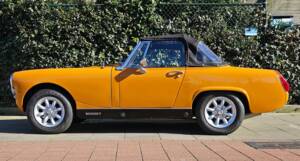
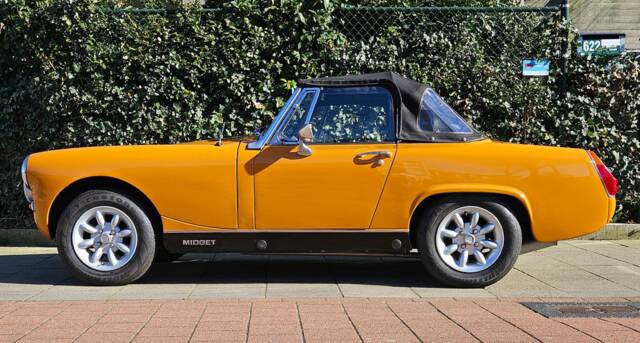
1976 | MG Midget 1500
MG Midget 1500 | 1976 | Route 66 Auctions - For sale by auction. Estimate 4200 EUR

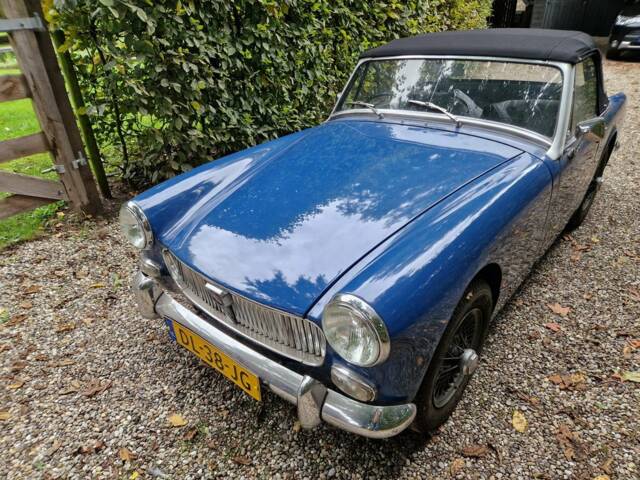
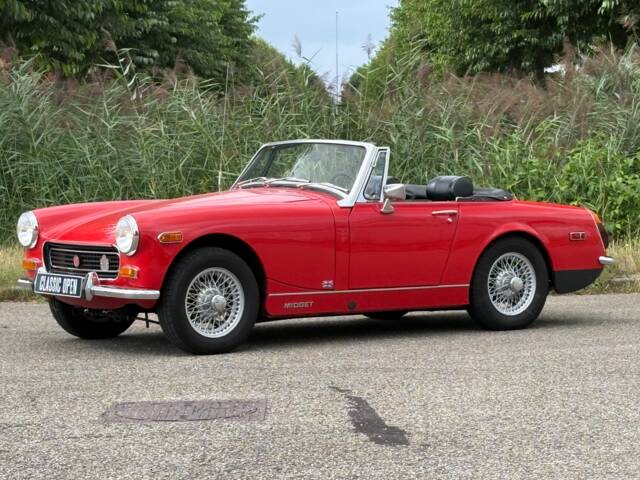
1969 | MG Midget
MG Midget Mark III | 1969 | Route 66 Auctions - For sale by auction. Estimate 6000 EUR
Auctions ending soon

Loading…
Loading…
Loading…
Loading…

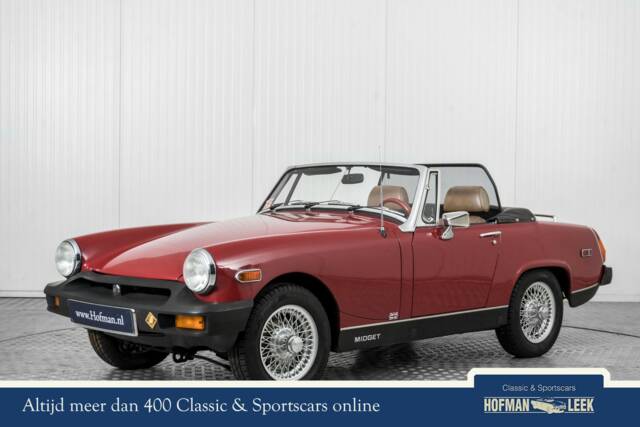
1979 | MG Midget 1500
MG Midget 1500
Newsletter
The best MG listings, straight to your inbox
Get hand-picked MG listings, plus the best of cars, motorbikes, and auctions on Classic Trader — all in one place.
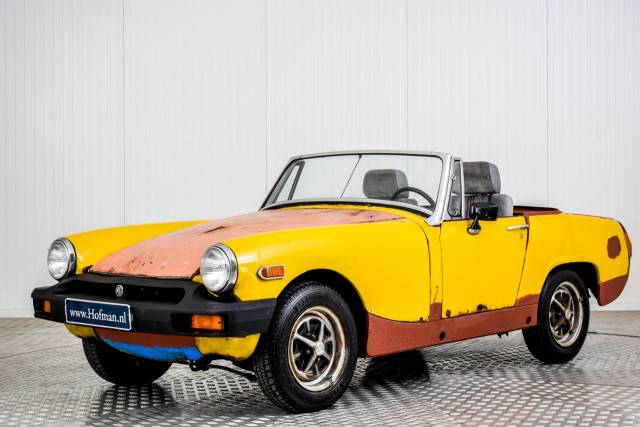
1978 | MG Midget 1500
MG Midget 1500
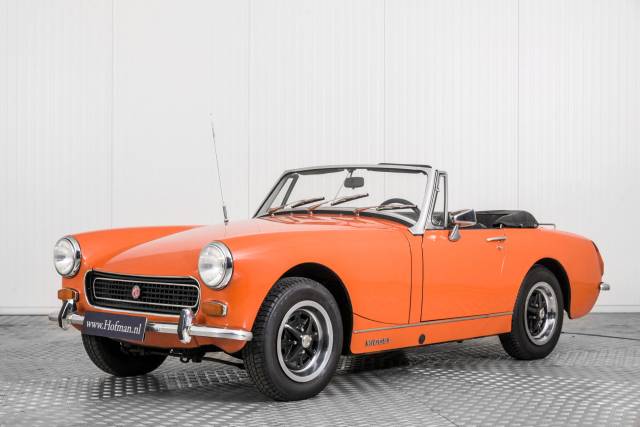
1974 | MG Midget GAN5
MG MIDGET MK III
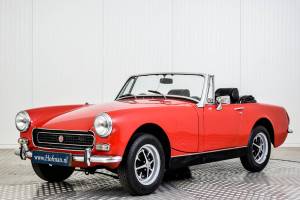
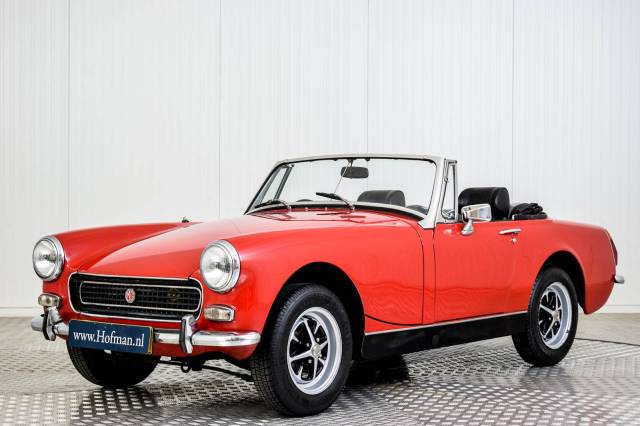
1974 | MG Midget GAN5
MG Midget MK3 1275


1973 | MG Midget GAN5
MG MIDGET
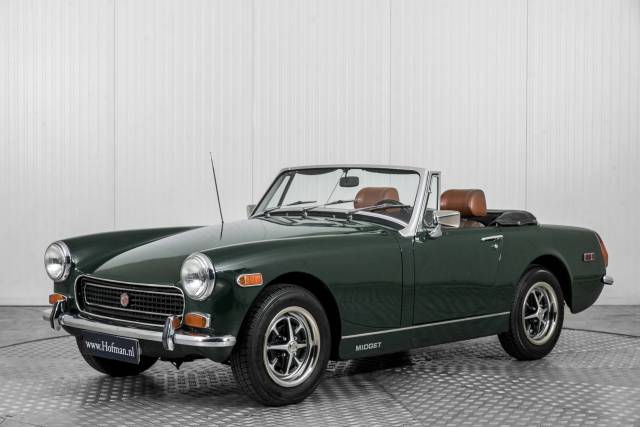
1972 | MG Midget GAN5
MG Midget .
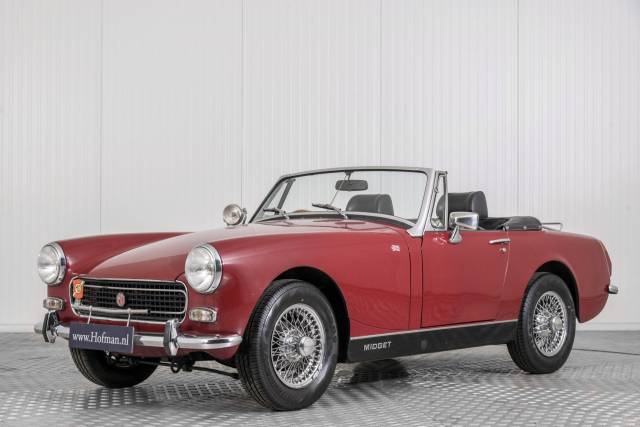
1974 | MG Midget GAN5
MG Midget MKIII 1275 round wheel arch
MG Midget listing references from Classic Trader
Below you will find listings related to your search that are no longer available on Classic Trader. Use this information to gain insight into availability, value trends, and current pricing for a "MG Midget" to make a more informed purchasing decision.
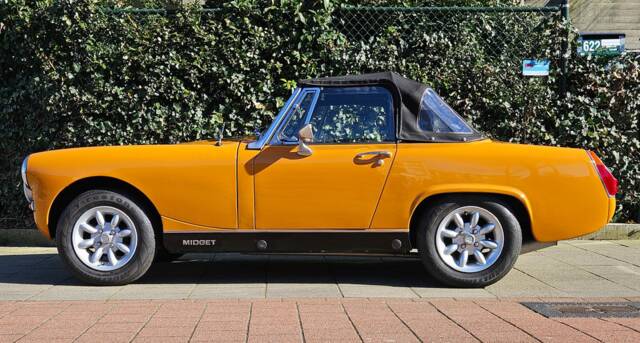
1976 | MG Midget 1500
MG Midget 1500 | 1976 | Route 66 Auctions - For sale by auction. Estimate 5400 EUR

1978 | MG Midget 1500
Te koop MG Midget 1978
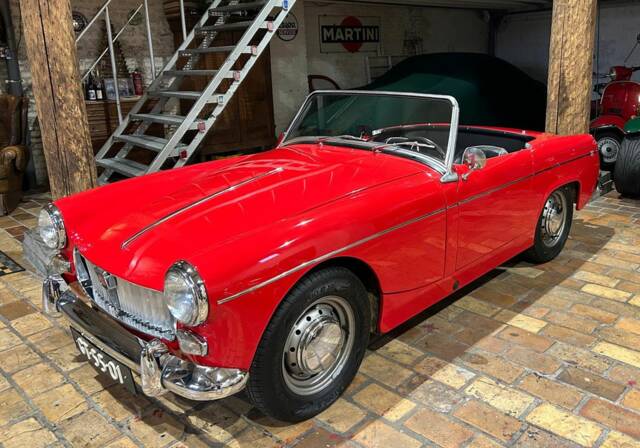
1962 | MG Midget
MG Midget | 1962 | Route 66 Auctions - For sale by auction. Estimate 6500 EUR
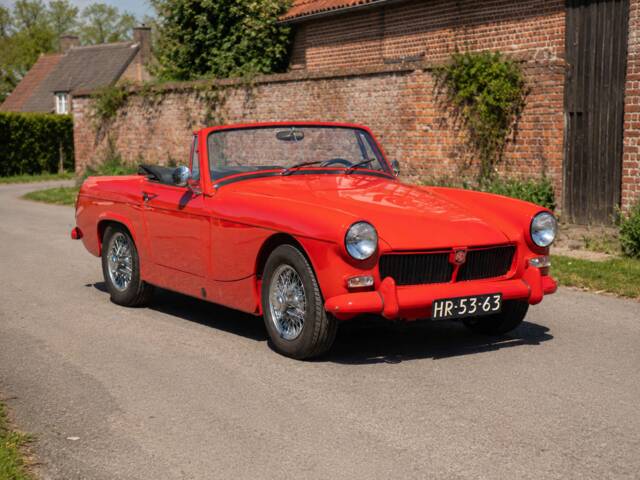
1964 | MG Midget
MG Midget MkII | 1964 | Route 66 Auctions - For sale by auction. Estimate 5500 EUR
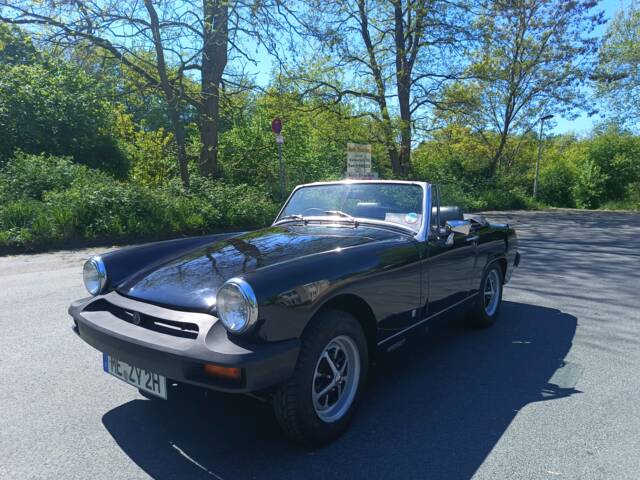
1979 | MG Midget 1500
1979 MG Midget 1500 Black Batch – Heritage Certificate – Original / H-plate – Chassis 229279G

MG Midget Classic Cars: Prices & Market Values
The market value of MG Midget classic cars is primarily determined by the specific manufacturer code and variant, as well as technical condition, originality and mileage. Additional factors include rarity, history and documentation. A well-maintained, largely original vehicle with low, verifiable mileage and complete history including appraisals and documentation typically achieves significantly higher prices than a comparable vehicle with deferred maintenance, many modifications or unclear provenance.
MG Midget: Market Prices & Value Trends
Based on sales data from the Classic Trader marketplace, the MG Midget market in Europe has been broadly stable over the period from January 2021 to January 2026, with prices mainly driven by condition, originality and whether the car is an earlier “round-arch” model or a later 1500. Most recent asking prices cluster in a realistic band of roughly €6,000 to €16,000 for well-presented, road-ready cars, while project-grade examples can appear below this level and should be treated as outliers rather than the market norm. UK adverts commonly sit in the £8,000 to £17,000 region for tidy cars, broadly in line with continental pricing once specification and restoration quality are considered. Late cars such as the MG Midget 1500 (1974–1980) tend to trade in the mid-market, whereas well-restored GAN5 cars from the early 1970s and earlier 1960s Midgets can justify the upper end of the range. For buyers, this points to a liquid, enthusiast-led market that rewards documented restoration and usable upgrades without showing signs of an overheated price spike.
History and origins of the MG Midget
The MG Midget, produced from 1961 to 1979 in Abingdon-on-Thames, revived a storied nameplate used on pre-war MGs like the M-type. Conceived as a nimble, accessible roadster for a new generation, the Midget adopted the chassis and underpinnings of the Austin-Healey Sprite MkII, but with MG-specific touches in design and trim. It offered British sports car enjoyment in a compact, efficient package and remained a quintessential presence in Britain's 1960s and 70s car culture. Throughout its lifecycle, the Midget survived changing safety and emissions regulations, particularly adjustments for the US market, while always retaining its defining, minimalist character.
Model development: MG Midget MKI to 1500
The Midget debuted as the MKI in 1961, sharing much with the Austin-Healey Sprite but with details unique to MG: 948cc engine, 46 hp, basic equipment, no exterior door handles, sliding Perspex windows.
A 1098cc engine appeared in late 1962 (56 hp), with disc brakes now standard. The MKII (1964-1966) introduced semi-elliptic rear springs, wind-up windows, external door handles, a more robust bodyshell and a 59 hp engine. The MKIII (1966-1974) featured a 1275cc powerhouse (typically 65 hp), facelifted looks, and US-mandated safety changes like energy-absorbing steering columns. The Midget 1500 (1974-1979) adopted the 1493cc Triumph Spitfire motor (around 65 hp), a new four-speed gearbox, and plastic bumpers ("rubber bumpers") for compliance. Each model evolved to meet new tastes and regulations but stayed true to the two-seat roadster ethos.
Highlights of the MG Midget series
The MG Midget stands out with its very low kerb weight (typically 680–810 kg), a pure open-top roadster format, rear-wheel drive and direct manual steering. Sparse equipment—standard models lacked even a radio or heater—meant low running weight and heightened driver involvement. Enthusiasts value the agility (short wheelbase, low centre of gravity), availability of club support, and excellent parts supply. The classic engine notes and authentic British driving feeling make the Midget a popular entry point into classic car ownership.
Technical data
Special editions and collectible models
Notable special editions include the late-production Midget 1500s built at the end of 1979—these are sometimes highly prized due to their rarity, being among the very last manufactured. Early 1960s cars with original bodywork (e.g. sliding Perspex windows, non-outside-handled doors) and optional wire wheels or hardtops are also cherished for their period authenticity.
Weak spots and common issues
Corrosion is the primary enemy of the MG Midget, affecting floors, sills, wheel arches and suspension mounting points. Electrical gremlins are common, especially in earlier cars with aging wiring looms. Oil leaks due to simple engine gaskets and seals can occur, and rear suspension bushes may wear out over time. Mechanical simplicity means most repairs can be done by home mechanics, and parts availability is excellent thanks to classic specialists and a strong club scene.
Engine and performance, transmission and handling
A rear-wheel drive, lightweight build and compact size make the Midget nimble and responsive on twisty roads. The 1275cc engine in the MKIII and the 1500cc Triumph unit in later models deliver lively power for their class, with 0-100 km/h in 14–15 seconds (1275cc) and top speeds of 150–165 km/h. Gearboxes are classic 4-speed manuals, though later cars sometimes see aftermarket 5-speed conversions. Accurate rack-and-pinion steering, an agile chassis and low centre of gravity result in a very direct, unfiltered driving experience—precisely the character sought by many classic roadster fans. Popular models include:
- Midget MKIII (1966–1974), 1275cc/65hp: Best-selling variant, valued for a good balance of classic looks and improved performance.
- Midget 1500 (1974–1979): Plastic bumpers, Triumph engine, more robust but heavier—favoured by those seeking reliability and easier gearbox parts.
- Early MKI/MKII (1961–1966): For purists searching for period-correct details and original minimalist feel.
Interior, comfort and design
MG Midgets feature a minimalist, functional cockpit, with dash layouts that evolved from extreme simplicity (few gauges, basic switches) to slightly more comfort-focused settings in later years (more supportive seats, upgraded materials). Special options included wire wheels, alloy Minilites, hardtops, tonneau covers and spot lamps. Soft tops were mostly black or beige vinyl, with optional removable hardtops. The Midget's body featured classic British colour palettes like British Racing Green, red, white, blue and yellow. Rubber bumpers marked late models, while earlier cars retain more chrome and classic lines. Interior equipment is purpose-driven: expect manual controls, direct feedback, and a tight driving position suited for drivers up to ca. 1,85m. Optional extras and period accessories—Motolita wheels, extra gauges, luggage racks—are commonly seen.
Other notable characteristics
MG Midgets are frequently subjects for amateur and professional motorsport. Many cars run in hill climbs, club racing or historic rallying, often fitted with uprated components. Their simplicity and parts availability make restoration accessible. Left- and right-hand drive versions exist, ensuring suitability for various markets. A highly active club scene, broad international support and straightforward technology guarantee these cars remain visible in historic events and classic gatherings.
Summary
MG Midgets represent the essence of British roadster engineering, offering an accessible route into classic car ownership and spirited open-top motoring. With over 200,000 units produced and a thriving market for both cars and parts, the Midget remains an outstanding choice for those seeking driving enjoyment, historic authenticity and community support.