MG V-Type classic cars for sale
The MG V-Type stands out as a rare pre-war MG, launched in 1936 as a compact alternative to the larger SA series. Crafted by renowned coachbuilder Tickford, including sought-after Drophead Coupé versions, the V-Type presents a distinctive blend of 1930s British engineering and style.
Search results
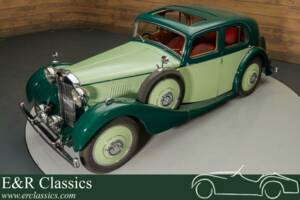
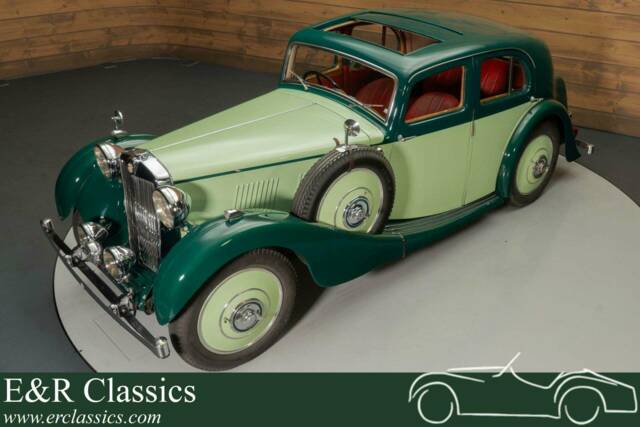
1938 | MG VA
MG VA Saloon | Uitvoerig gerestaureerd | 1938

MG V-Type listing references from Classic Trader
Below you will find listings related to your search that are no longer available on Classic Trader. Use this information to gain insight into availability, value trends, and current pricing for a "MG V-Type" to make a more informed purchasing decision.
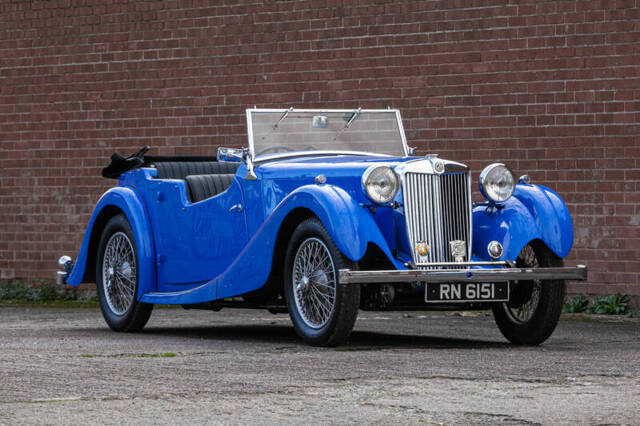
1937 | MG VA
1937 MG VA Open Tourer

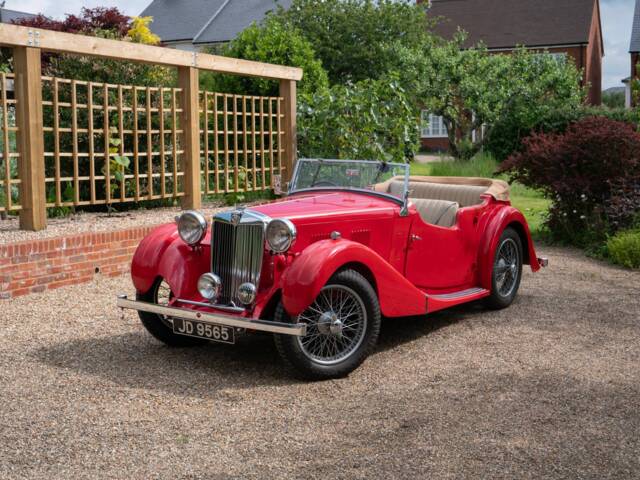
1938 | MG VA
Chassis up Professional Restoration - Full Mechanical Reconditioning
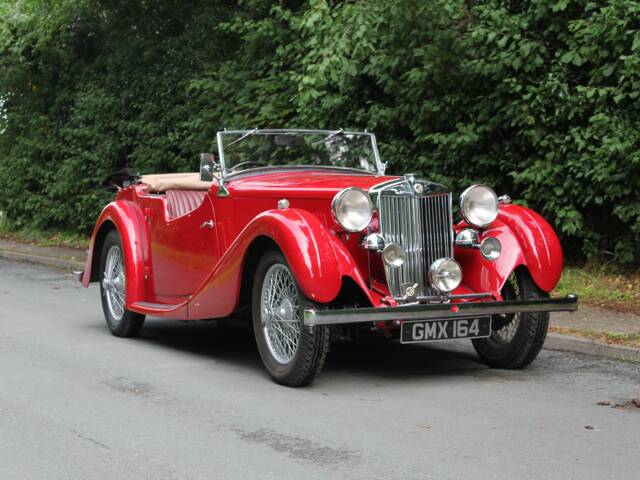
1937 | MG VA
1937 MG VA Four Seat Tourer
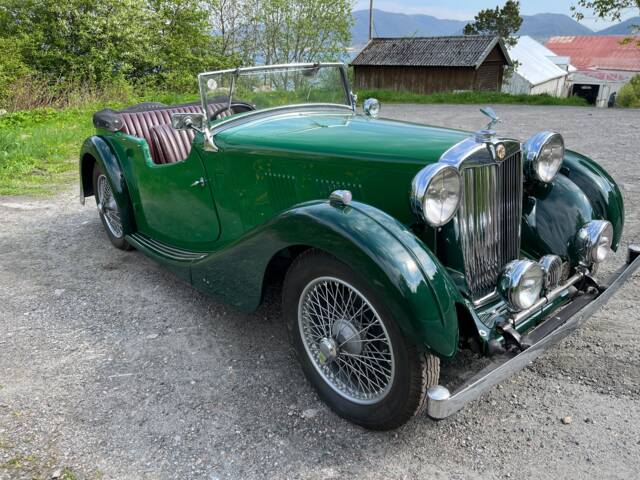
1938 | MG VA
Rare and newly restored MG VA Tourer for sale
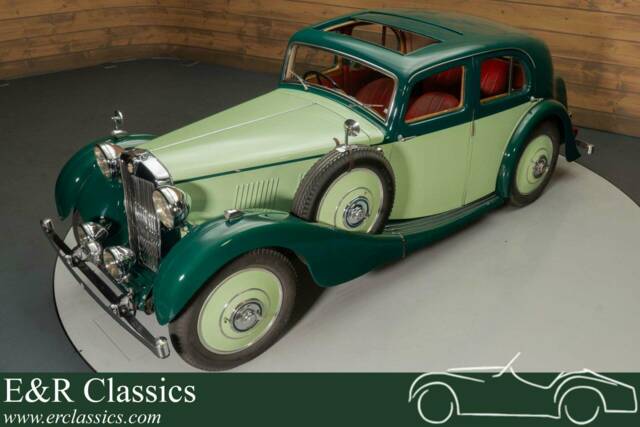
1938 | MG VA
MG VA Saloon | Gerestaureerd | 1 van 1259 gebouwd | 1
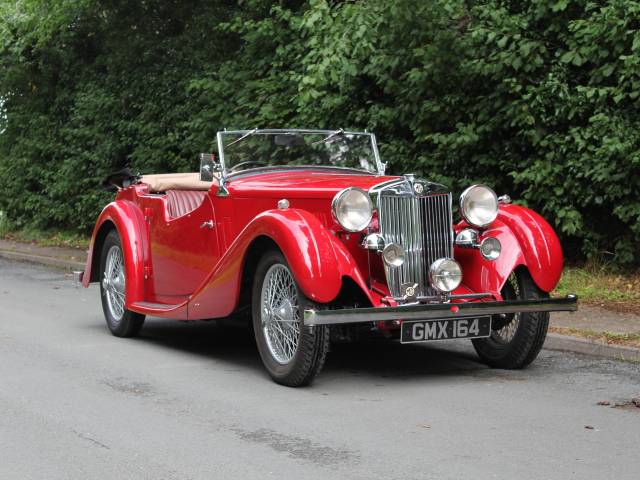
1937 | MG VA
1937 MG VA Four Seat Tourer
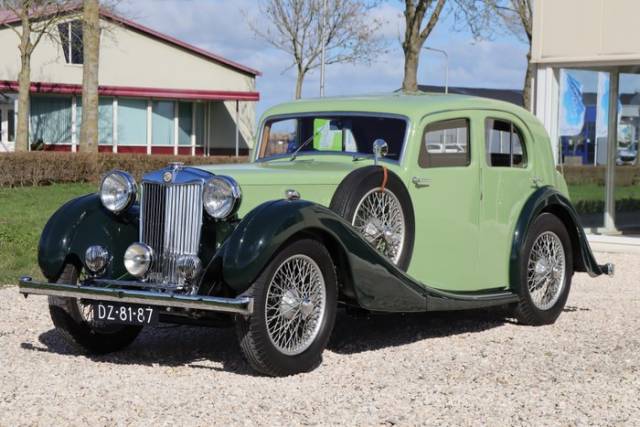
1937 | MG VA
MG - VA Saloon - 1937
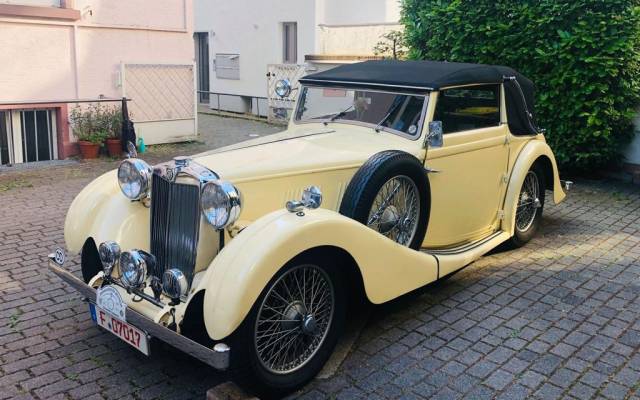
1939 | MG VA Tickford DHC

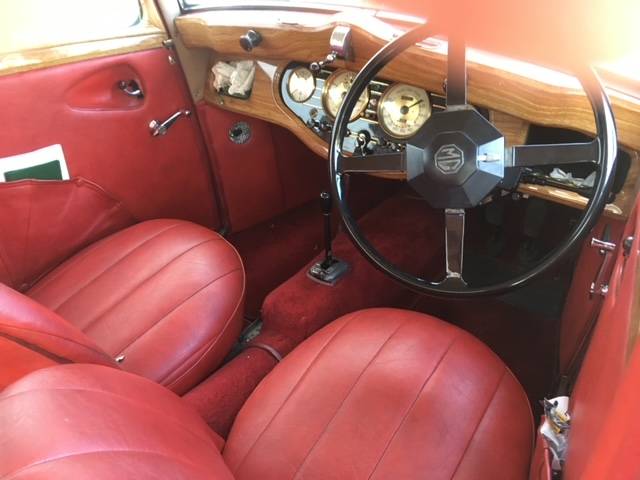
1938 | MG VA

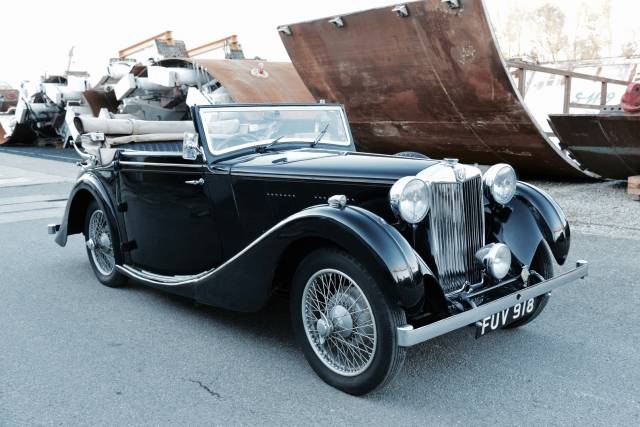
1939 | MG VA Tickford DHC
Coachwork By Salmons (Tickford) - Pure Elegance
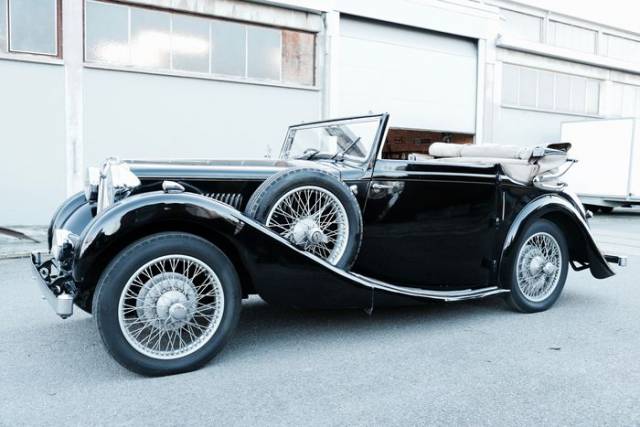
1939 | MG VA Tickford DHC
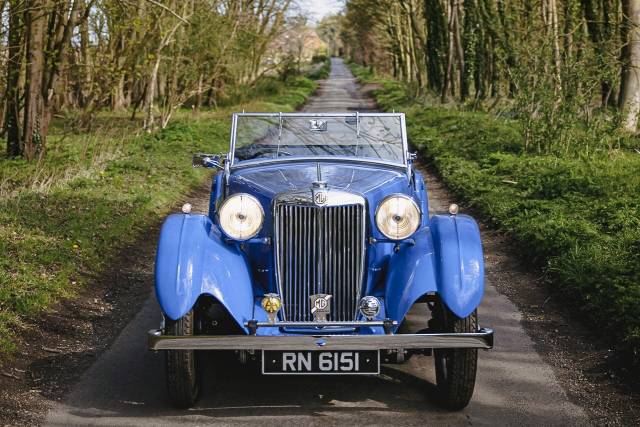
1937 | MG VA
Gorgeous Example - in Superb Condition
MG V-Type Classic Cars: Prices & Market Values
Introduction and History of MG V-Type
The MG V-Type debuted at the 1936 Motor Show, representing MG's second major new model after the brand's integration into Morris Motors. The V-Type's introduction followed extensive company restructuring and was positioned to appeal to a segment seeking luxury and technical refinement in a more compact package than the preceding SA. The V-Type reflects the interwar era's automotive trends, embracing both sporting intentions and greater comfort.
Model History
The MG VA, part of the V-Type series, was unveiled as a direct response to the popularity of the larger SA saloon, introduced a year earlier. It inherited many styling cues but was scaled down in dimensions and mechanical components. The V-Type marked a transition period for MG, bridging the company's tradition of sporty cars with a growing emphasis on ride comfort and new body styles, including coachbuilt variants by Tickford. After the V-Type's production run ended, MG further pursued these themes in subsequent models, drawing on lessons from both SA and VA developments.
Highlights of the MG V-Type
Key distinguishing features include coachbuilt bodies by Tickford, noted for their craftsmanship and design sophistication. The V-Type was made available as a Drophead Coupé, adding versatility and a stylish silhouette to the model range. Its pre-war production and limited numbers contribute to its uniqueness among MG vehicles.
Technical Data
Special Editions and Collectible Models
Within the MG V-Type range, the Drophead Coupé variant is particularly noteworthy. Featuring a convertible roof and enhanced trim, these Tickford-bodied versions were produced in smaller numbers and are of particular interest to collectors today due to their unique blend of style and relative exclusivity.
Weak Spots and Common Issues
As with most 1930s MGs, the V-Type can present age-related issues such as body corrosion, especially at joints and under the sills, and wear in the mechanical linkages. Given the coachbuilt bodies, restoration may require sourcing specific wood or metal trim unique to Tickford. Periodic checks on the chassis, running gear and original wiring are recommended due to the advanced age of these vehicles.
Engine and Performance, Transmission and Handling
The MG V-Type's four-cylinder engine was engineered for smoothness and predictable power delivery rather than outright performance. With a traditional rear-wheel drive layout and a conventional gearbox for its era, the driving experience emphasises relaxed touring rather than outright speed. The chassis, closely related to its larger SA sibling but adapted for the VA, offers balanced handling and a supple ride. The Drophead Coupé stands out for its combination of open-top motoring and the style associated with coachbuilt MGs. It is particularly valued for the additional craftsmanship and aesthetic qualities compared to the standard saloon.
Interior, Comfort, Exterior and Design
Interiors of the MG V-Type reflect the standards of late 1930s British saloons: well-upholstered seats, wood veneer dashboard, and traditional Smiths instrumentation. The Tickford bodywork introduced specialist features, including folding roofs for the Drophead models and distinct two-tone paint finishes. Special materials like polished wood accents and fine leather trim are common in well-preserved examples. Accessories of the period, such as wind deflectors and mohair hood coverings, further set the model apart.
Other Relevant Features
The MG V-Type's heritage is closely associated with the coachbuilding tradition, making proper provenance and restoration history particularly important for buyers. Limited production numbers mean that original documentation and matching-body vehicles carry extra weight in the marketplace.
Summary
The MG V-Type occupies a unique place among 1930s MGs, blending pre-war engineering with bespoke coachbuilt design. Its rarity, especially in Drophead Coupé form by Tickford, together with distinctive period features and robust construction, define it as a choice for enthusiasts focused on historical authenticity and craftsmanship.