- Motorcycle
- Piaggio
- Piaggio Vespa 98 (0 offers)
Piaggio Vespa 98 classic scooter for sale
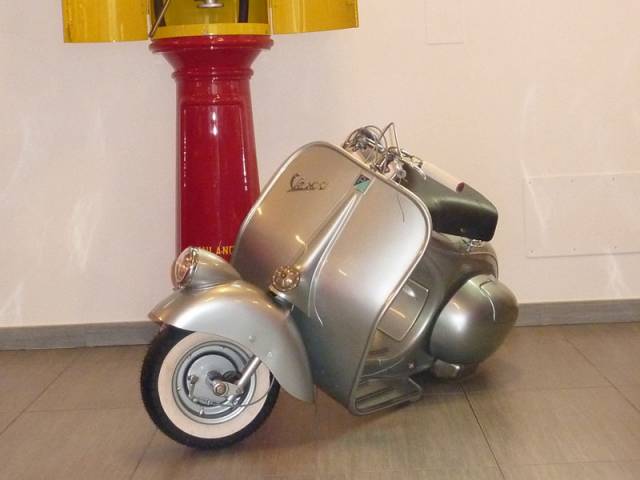
The Piaggio Vespa 98 stands at the very beginning of scooter history: introduced in 1946, this model represents the first ever Vespa. With a hand-crafted steel body, exposed handlebar, and 98 cc two-stroke engine, it radiates the unique charm of post-war Italian ingenuity. Buyers of a Vespa 98 are choosing authentic craftsmanship and the roots of scooter culture.
Search results
Currently, there are no matching listings for your search.
Create search alert
Let yourself be notified as soon as a listing is published that matches your search filters.
Create listing
Do you have a Piaggio Vespa 98 that you want to sell? Then create a listing now.
Create listingPiaggio Vespa 98 listing references from Classic Trader
Below you will find listings related to your search that are no longer available on Classic Trader. Use this information to gain insight into availability, value trends, and current pricing for a "Piaggio Vespa 98" to make a more informed purchasing decision.
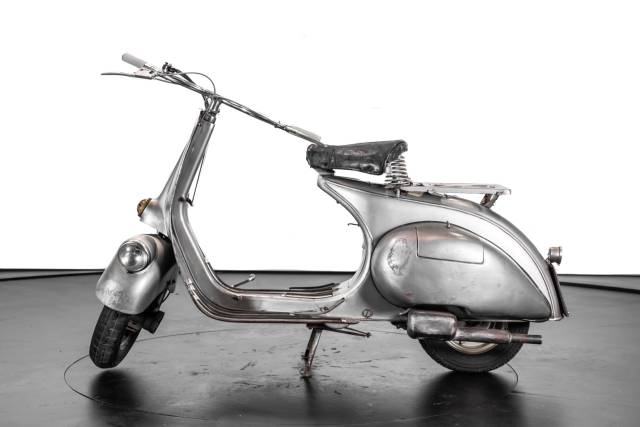
1947 | Piaggio Vespa 98
-

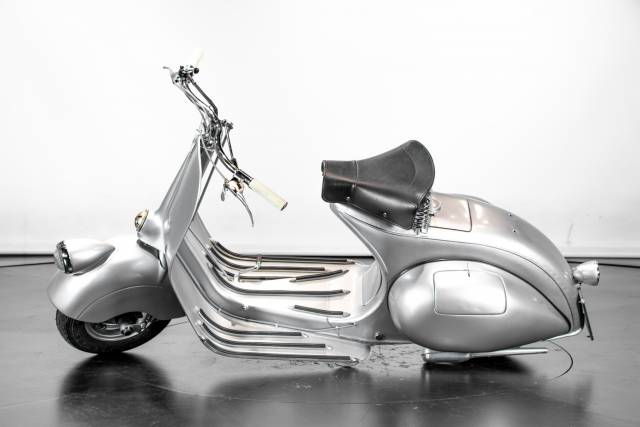
1946 | Piaggio Vespa 98
-
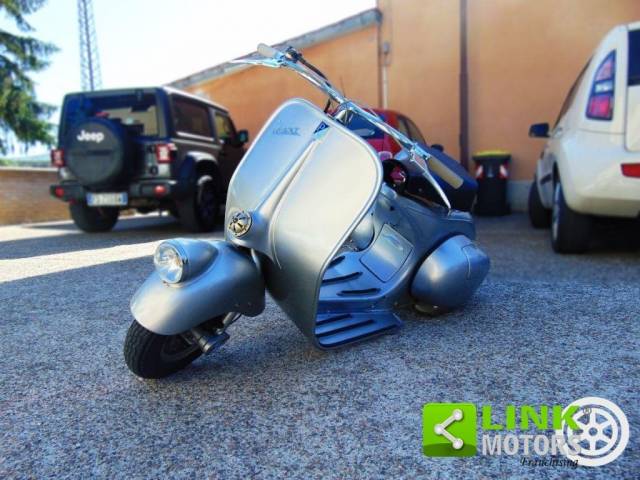
1947 | Piaggio Vespa 98
VESPA Other V98 II serie, FMI e R.S. Piaggio, matching number
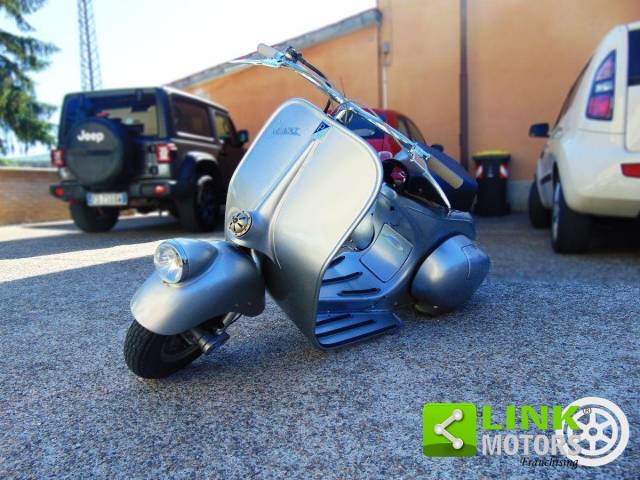
1947 | Piaggio Vespa 98
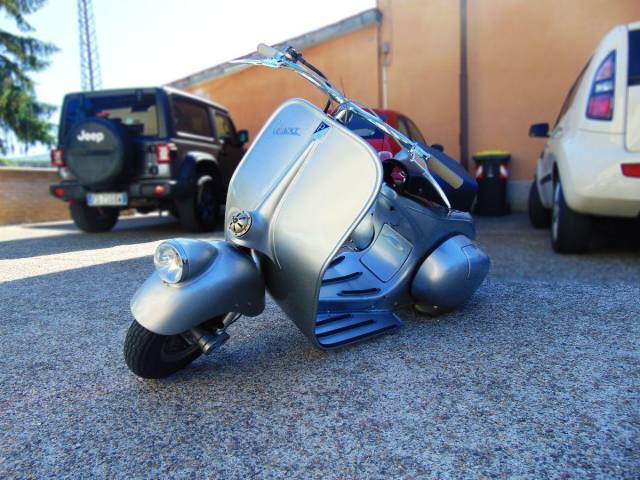
VESPA V98, anno 1947, restauro completo, matching number, iscritta FMI
1947 | Piaggio Vespa 98
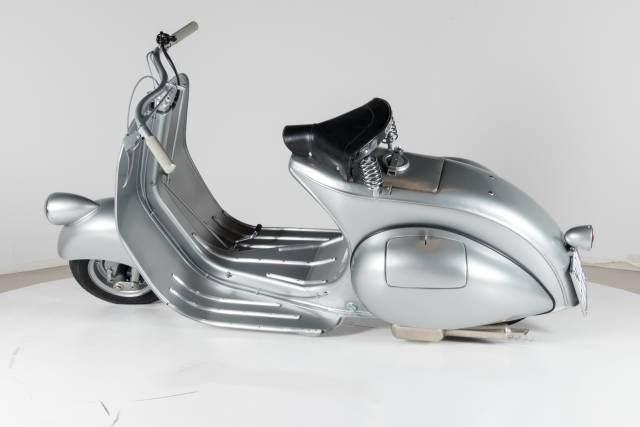
VESPA V98, anno 1947, restauro completo, matching number, iscritta FMI
1947 | Piaggio Vespa 98
Visionabile presso "Christian s.r.l.", via Monzermone 3/B, 42121, Reggio Emilia
1946 | Piaggio Vespa 98
1946 | Piaggio Vespa 98
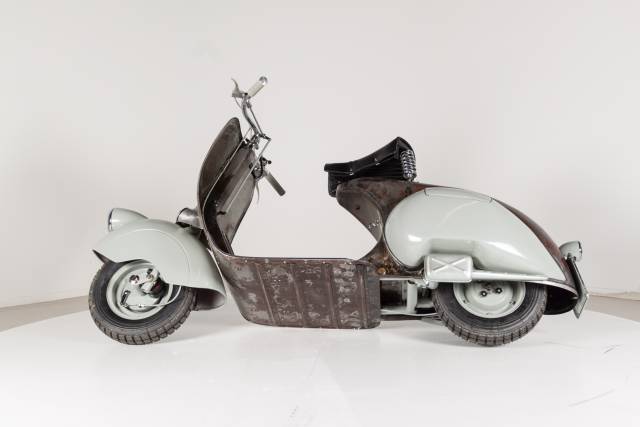
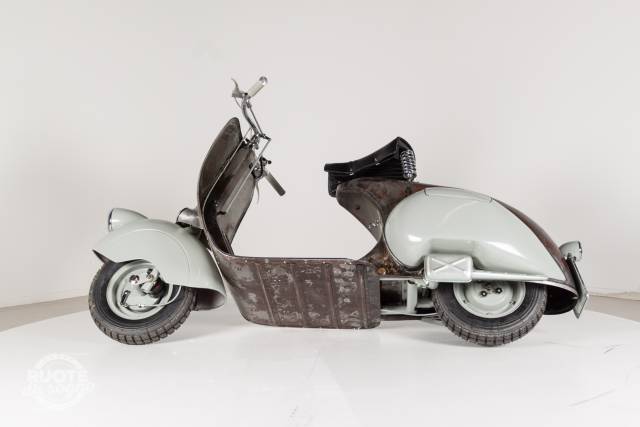
Piaggio Vespa Frame Number 3
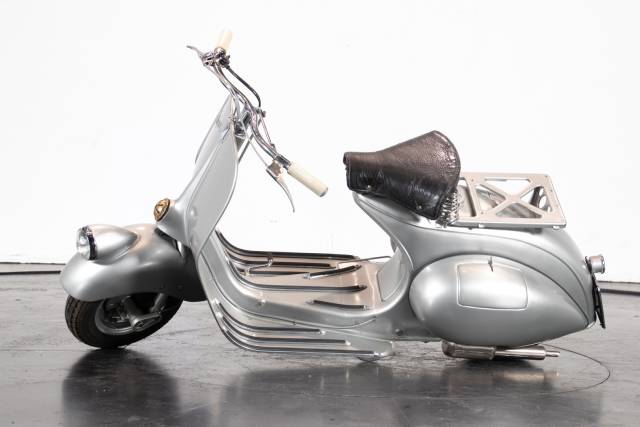
1951 | Piaggio Vespa 98
-
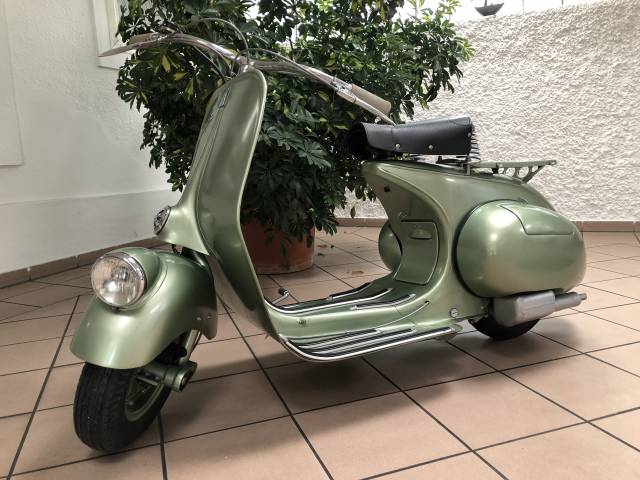
1947 | Piaggio Vespa 98
V98

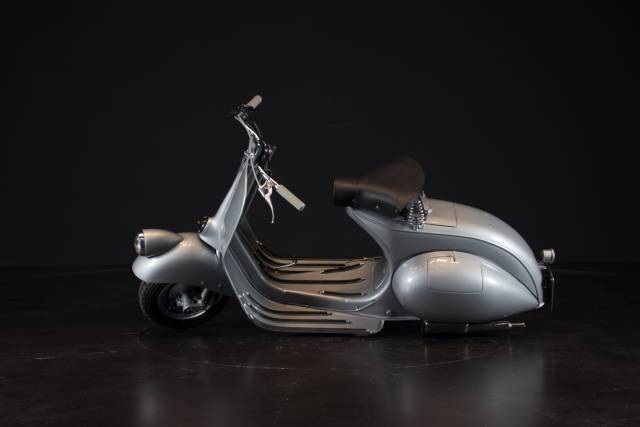
1957 | Piaggio Vespa 98
-
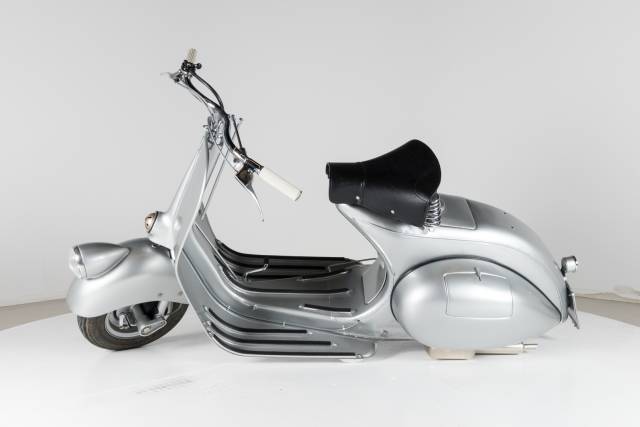
1947 | Piaggio Vespa 98
1947 | Piaggio Vespa 98
Restaurata a livelli eccelsi (Book fotografico a richiesta)
Create search alert
Let yourself be notified as soon as a listing is published that matches your search filters.
Create listing
Do you have a Piaggio Vespa 98 that you want to sell? Then create a listing now.
Create listingPiaggio Vespa 98 Classic Motorbikes: Prices & Market Values
The market value of Piaggio Vespa 98 motorcycles is primarily determined by technical condition, originality, and mileage, as well as rarity, history, and documentation. A well-maintained, largely original vehicle with low, verifiable mileage and a complete history including expert reports and documentation generally achieves significantly higher prices than a comparable vehicle with deferred maintenance, extensive modifications, or an unclear provenance.
Piaggio Vespa 98: Market Prices & Value Trends
Based on Classic Trader marketplace sales data, the Piaggio Vespa 98 (notably 1947, 3 hp) shows a softening market over the period from May 2021 to November 2023. Early data points in 2021 sit around £69,824, easing to roughly £61,096 through late 2021 and early 2022, then stepping down again to about £59,350 in 2022 and stabilising near £56,732 across multiple observations in 2023. With only a small number of recorded prices and several repeated amounts, this should be read as a broad direction rather than a precise index; however, it does indicate that values have cooled and then levelled off rather than continuing to rise. In realistic terms, most current market expectations cluster in the £56,000–£61,000 range, with higher figures nearer £70,000 appearing less representative in the latest data. For buyers, this points to improved negotiating conditions, while sellers may need strong originality, correct period details, and documented provenance to achieve top-end results—especially in the core Italian market where these scooters are most frequently traded.
History of the Piaggio Vespa 98
The Vespa 98 was born out of post-war Italy's need for affordable and accessible transport. Conceived by engineer Corradino D’Ascanio and produced by Piaggio, the Vespa 98 first rolled out in 1946. Its name comes from the displacement of its engine—98 cc—and with its pressed-steel unibody, the Vespa 98 changed how people thought about two-wheeled mobility. The shape, reminiscent of a wasp ('Vespa' in Italian), and its step-through frame made it practical for all riders, including women who wore skirts or dresses. It marked the start of an enduring automotive legacy and helped set the style standard for scooters worldwide.
Model History of the Vespa 98
The Vespa 98 had no direct predecessor, as it was the inaugural Vespa model. It was produced from 1946 to 1948 before being succeeded by the improved Vespa 125. Over approximately two years, less than 20,000 units left the Pontedera factory, making surviving examples particularly sought after. Later generations, such as the Vespa 125, introduced further refinements in engine power, frame design, and comfort, establishing the Vespa’s continued evolution.
Highlights of the Piaggio Vespa 98
The Vespa 98 is distinguished by its lightweight build, hand-operated gearbox, and early open-handlebar design. Its monocoque steel chassis was revolutionary at the time, integrating both the aesthetic and structural elements. It features a two-stroke single-cylinder engine with 3.2 hp, delivering surprisingly agile movement for such a compact machine.
Technical Data of the Piaggio Vespa 98
Special Editions and Collectible Models
In its short production run, the Vespa 98 was available in two notable variations: the "Normale" and the slightly upgraded "Vespa 98 Corsa," developed for competition use and featuring tuned engines, lighter components, and stripped-down bodywork. These Corsa examples are particularly difficult to find due to their rare production numbers and motorsport history.
Weak Spots and Common Issues
No particular weaknesses are officially documented for the Vespa 98 series. However, due to age, buyers should pay close attention to corrosion on the steel chassis, condition of original components, and authenticity of restoration work, as replacements and unoriginal parts diminish collectability. The hand-operated gearbox and two-stroke engine require regular attention to maintain usability.
Engine, Performance, Transmission, and Handling
The Vespa 98's 98 cc engine develops approximately 3.2 hp, allowing for brisk acceleration up to its 60 km/h top speed. With a weight just around 60 kg, handling remains nimble and predictable on city streets. The three-speed gearbox is operated by hand from the handlebar, offering tactile connection to the mechanics. Braking is handled by drum units front and rear, adequate for the power and period. Among surviving Vespa 98 variants, the original 1946 launch year models and any verified Corsa units gather particular interest due to their place in scooter heritage.
Interior, Comfort, Exterior and Design
Designed by aeronautical engineer Corradino D’Ascanio, the Vespa 98 features a pressed-steel body painted in classic light grey. Distinctive design cues include an exposed handlebar, bulbous mudguard, and a flat floor. There was no under-seat storage, and seating was provided by a single sprung saddle. Accessories such as a rear luggage rack and clock were rare original options, often requested by touring owners. Every curve is functional, dictated by postwar material constraints and focused on ease of use for all riders.
Other Features
Documentation and provenance significantly impact value. Early Vespa 98 models registered when new are especially prized by marque historians and may be eligible for classic events and displays.
Summary
The Piaggio Vespa 98 is the foundation of scooter culture, characterised by its utilitarian engineering and unmistakable Italian styling. With its entire Classic Trader listing share and full share of viewing interest, the Vespa 98 is a touchstone for collectors who appreciate authentic post-war urban mobility solutions. For those seeking a genuine piece of Piaggio history, the Vespa 98 offers a unique tactile link to the origins of everyday motorised transport.