- Motorcycle
- Montesa (2 offers)
Buy Montesa Motorbike
Montesa made its name with light, inventive machines that still feel purpose-built for trials, club racing and classic off-road use. For British buyers, the appeal is sharpened by a strong vintage trials scene, steady parts support and prices that are still within reach.
Search results
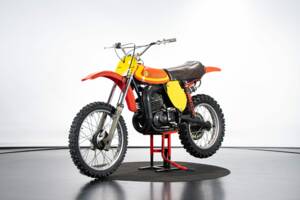
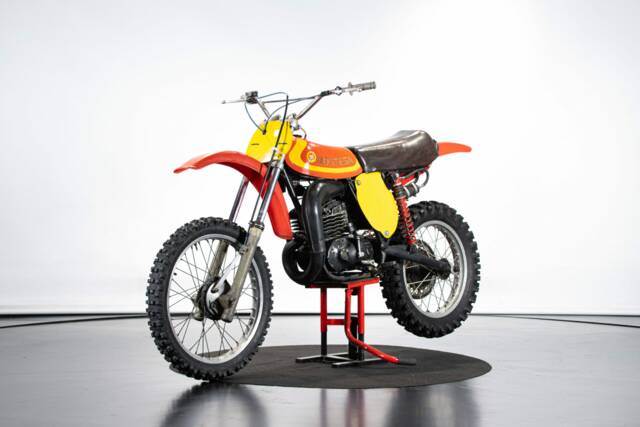

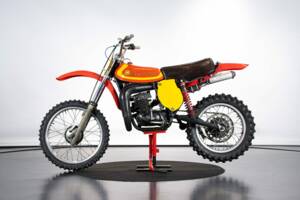
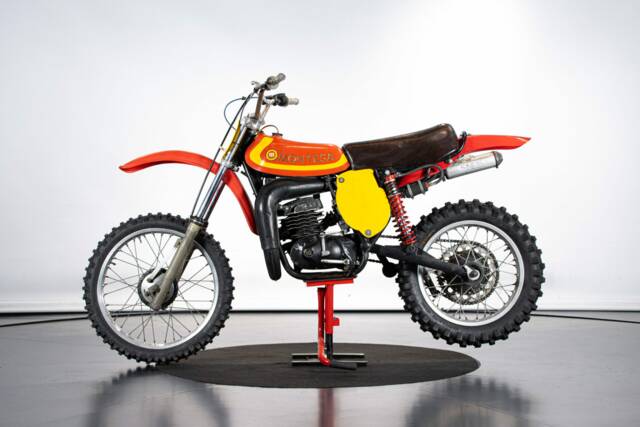
1978 | Montesa Cappra 360 VB
Montesa CAPPRA 360 VB
Montesa listing references from Classic Trader
Below you will find listings related to your search that are no longer available on Classic Trader. Use this information to gain insight into availability, value trends, and current pricing for a "Montesa" to make a more informed purchasing decision.
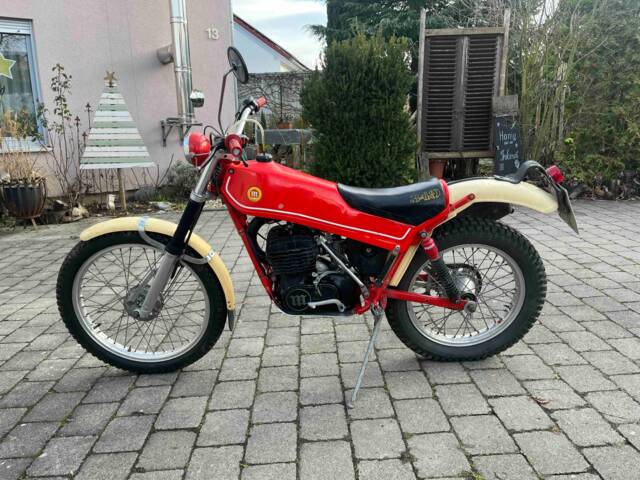
1980 | Montesa Cota 349 Trial
Motesa Cota 349 Trail historisches Liebhaberfahrzeug

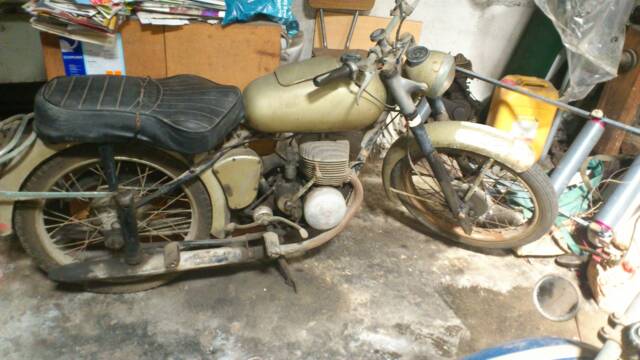
1956 | Montesa Brio 80
montesa brio 81

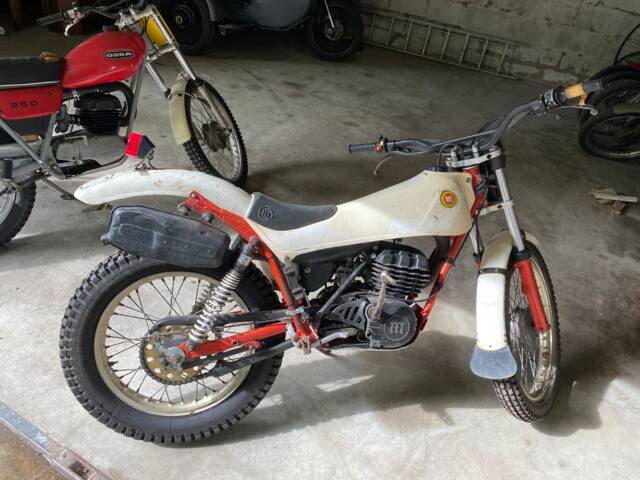
1983 | Montesa Cota 349 Trial
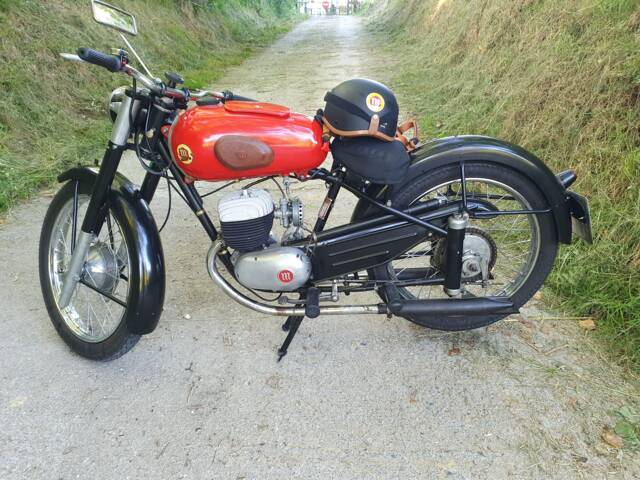
1956 | Montesa Brio 80
Montesa Brío Original Restaurada
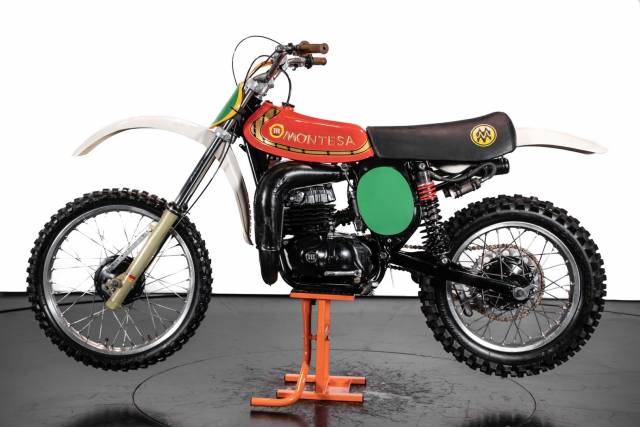
1976 | Montesa 250 Enduro
CAPPRA 250 VB
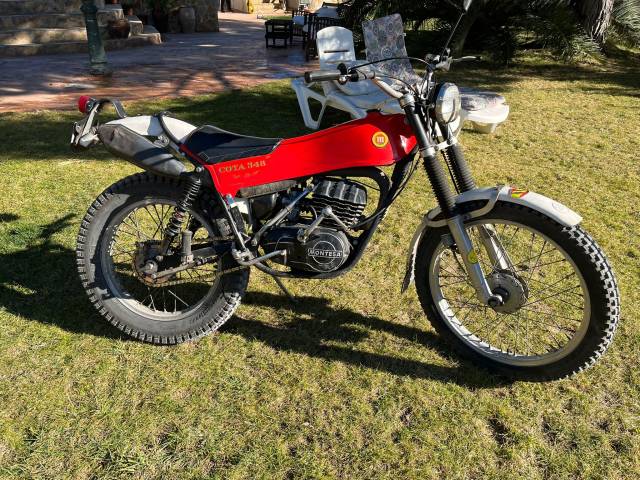
1976 | Montesa Cota 349 Trial
Montesa Cota 348 – Edición Malcom Rathmell ’76
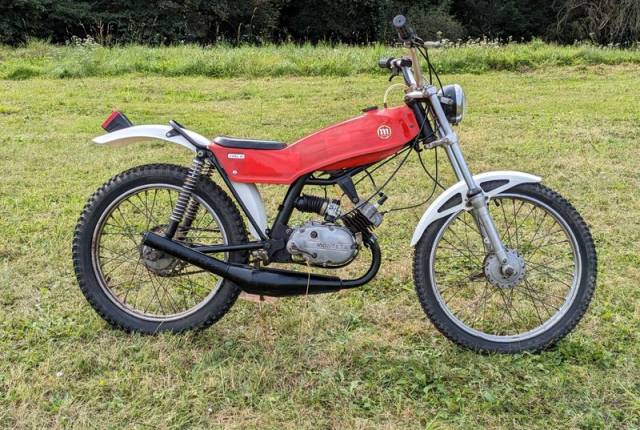
1972 | Montesa Cota 25
c.1972 Montesa Cota 49cc

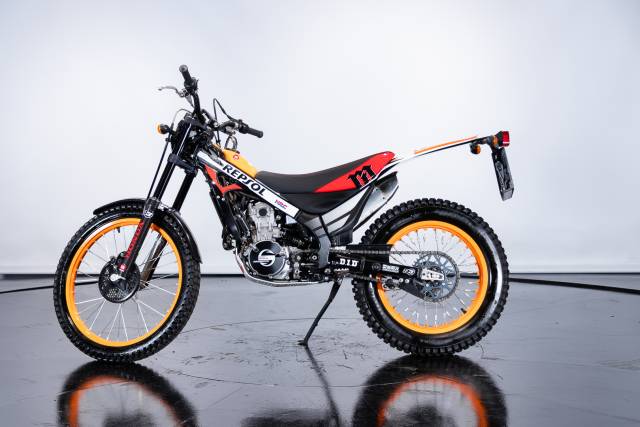
2018 | Montesa Cota 4RT 260
-
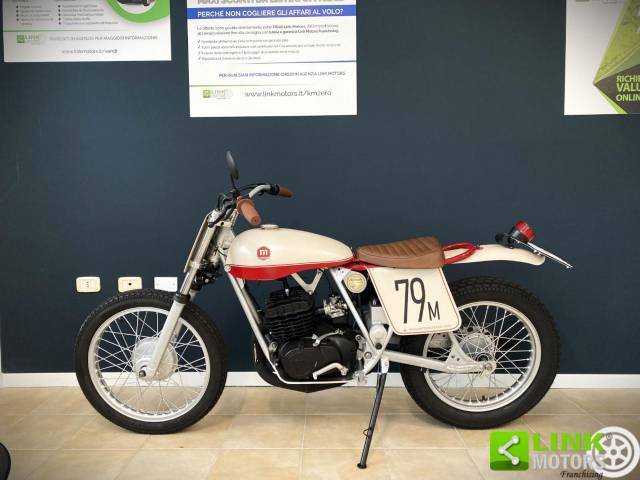
1985 | Montesa Cota 349 Trial
MONTESA Cota 350 HONDA MH 349
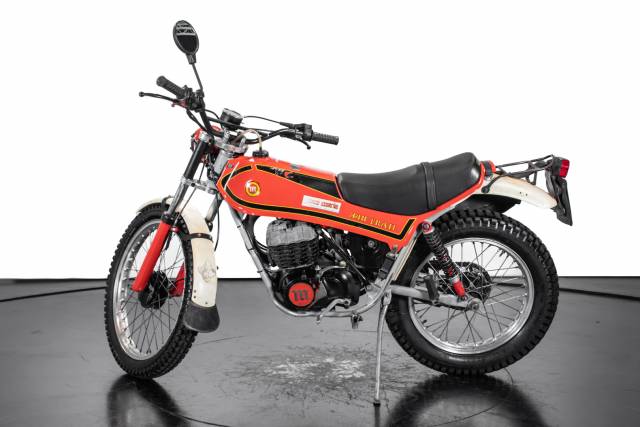
1983 | Montesa Cota 349 Trial
-
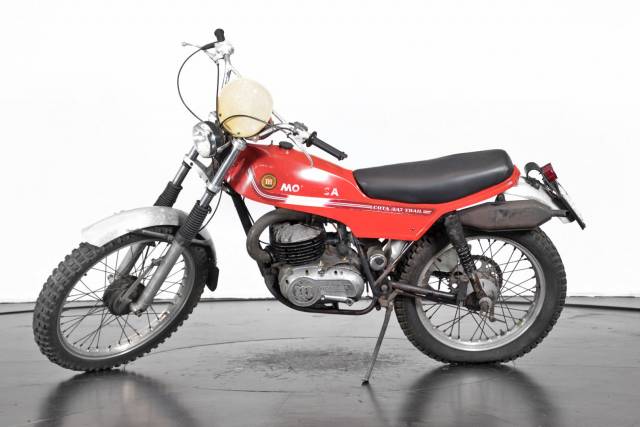
1977 | Montesa Cota 247
History
Montesa has always been a maker with a clear identity. Founded in Barcelona in the mid-1940s, the company grew out of post-war determination and a belief that light, usable motorcycles could be just as exciting as bigger, more expensive machines. That spirit still matters to British buyers today, because it explains why classic Montesas feel so different from the heavier Japanese and British machines of the same era: they were built to be ridden hard, often on poor surfaces, and with very little wasted weight.
For the UK market, Montesa’s story has an extra layer of interest. In the late 1950s and early 1960s, EMB Motors in Watford became associated with Montesa importing through the Bound family’s business. That link matters because it shows that Montesa was not a distant Continental curiosity in Britain; it had an early foothold here, and British riders, tuners and club racers knew the marque well enough to use it in anger. That early importer connection also helps explain why Montesa has long been taken seriously in British circles rather than being treated as a novelty.
The brand’s path quickly split into the areas that would define its collector appeal: roadsters such as the Impala, competition models such as the Cappra, and above all trials machines such as the Cota line. The Impala gave Montesa a reputation for style and usability. The Cappra gave the brand a hard-edged motocross image. The Cota made Montesa famous in the world of observed trials, where balance, torque delivery and low-speed control matter more than outright power.
That trials connection is especially relevant in Britain. The country’s classic trials culture is unusually strong, with events such as the Scottish Six Days Trial (SSDT) and the Classic Trial Championship keeping older machines visible and relevant. Montesa fits that world perfectly. A Cota is not simply a showroom classic; it is a bike that can still be entered in a proper event, provided the buyer chooses sensibly and keeps the machine in good mechanical order.
Montesa’s reputation was also strengthened by riders who proved what the bikes could do. In trials, Montesa’s factory efforts and privateer successes built a long-standing image of reliability and finesse. In motocross, the Cappra family gave the marque a more aggressive public face. For British collectors, that breadth is part of the attraction: one badge, but several very different personalities.
Highlights
What makes Montesa stand out on a classic motorcycle market crowded with familiar names? First, the bikes have character without being awkward for the sake of it. They are engineering-led machines, not fashion pieces. Second, the best-known models still have a practical purpose. A Cota can be used in vintage trials. A Cappra can be built into a satisfying twin-shock motocross machine. An Impala can be enjoyed as a stylish, lightweight road classic.
For many British buyers, the Cota 247 is the defining Montesa. It arrived at exactly the moment when trials riding was moving towards lighter, more precise machines. Its compact dimensions and tractable two-stroke character made it competitive and approachable. The Cota 348 refined that formula and is often considered one of the sweetest-looking and most usable classic Montesas to own today.
The Cappra 250 offers a different kind of appeal. These machines have a rawer, faster feel and suit collectors who want a period motocross bike that still looks right in a paddock full of twin-shocks. Good Cappra examples are less common than Cotas, and that scarcity matters in the UK, where originality, provenance and completeness often decide value more than shiny paint.
The Impala 175 is the elegant outlier. It is the road bike that shows Montesa could build something light, practical and stylish before the firm became most closely linked with off-road competition. Its importance is often underrated in Britain, but it is exactly the sort of machine that appeals to buyers who want something with Spanish flair and a more relaxed ownership experience than a full race replica.
Across all these models, three things recur: light weight, straightforward mechanics and strong period identity. That combination makes Montesa appealing to riders who want to use their classics, not just polish them. It also means that restored bikes can often be kept going without huge drama, provided the right parts network and workshop knowledge are in place.
Technical Data
Montesa’s classic engineering formula was simple but effective: air-cooled two-stroke singles, steel frames, carburettor fuelling and minimal bodywork. That matters to British buyers because it keeps maintenance understandable and parts sourcing realistic. Most issues on these bikes are not exotic; they are age-related. Fuel systems gum up, electrics age, fasteners corrode and suspension components wear. None of that should scare a buyer away, but it does mean condition is everything.
For the trials models, the frame and suspension layout are as important as engine size. A Cota that feels accurate in slow sections will depend on straight, crack-free chassis parts, healthy shocks and forks, and a motor that picks up cleanly from idle. On the Cappra side, the quality of the rebuild matters even more because many examples have had hard lives. A tired motocross Montesa can look complete from ten paces yet hide worn bearings, poor repairs and badly fitted replacement parts.
Market Overview & Buying Tips
The British market for classic Montesas is healthy but still niche. That is good news for buyers, because it means values remain sensible compared with many Italian or Japanese icons, but strong enough that well-presented machines are properly appreciated. It is also a market where specification and history matter a lot. A correct, matching-numbers bike with UK registration or strong provenance will usually command a meaningful premium over a rough import or incomplete project.
Current UK asking prices give a useful picture:
- Montesa Impala 175: around £3,000 to £7,000 depending on originality, cosmetic condition and paperwork. Nicely restored examples can push higher if they are especially correct.
- Montesa Cota 247: typically £2,500 to £6,500. Project bikes and non-runners can sit below that, but the best restored or race-ready machines move quickly.
- Montesa Cappra 250: usually £4,250 to £6,450 in the UK, with exceptional or freshly rebuilt examples sometimes above that.
- Montesa Cota 348: roughly £1,750 to £4,000 for many UK listings, with top bikes and special versions reaching more.
Those numbers reflect real asking prices seen on UK dealer and classified platforms, not just catalogue dreams. They also show an important point: Montesas are still accessible, especially if you are willing to buy a usable rider rather than a concours restoration. For many British buyers, that is the sweet spot.
When buying, think in terms of use case:
For vintage trials: choose a Cota 247 or Cota 348 with sound frame alignment, properly set-up controls and a clean, tractable engine. If you want to ride club events in Britain, a bike that starts easily and steers accurately is worth more than a cosmetically perfect static display.
For motocross/twin-shock events: a Cappra 250 is the more exciting option, but make sure the machine has correct cycle parts and a strong engine. Many bikes have been rebuilt in stages, which is fine if the work is documented.
For road use and collecting: the Impala 175 offers charm, originality and everyday usability. It is a good choice for riders who want a more civilised classic and do not need the intensity of a competition machine.
Inspection points are straightforward but important. Check the frame for repaired cracks, especially around mounting points and footrest areas. Look closely at the engine cases for mismatched finish or evidence of repeated splitting. Test the gearbox for clean shifts and verify that the clutch does not drag. On trials bikes, the forks and shocks should move freely and symmetrically; a soggy rear end will spoil handling quickly. On road-registered machines, confirm that the V5C, frame number and engine number match the listing.
Pay attention to originality, but not in a fanatical way. The right period modifications can be acceptable on a club-use trials bike, especially if they improve rideability. Still, buyers should be wary of over-restored machines with incorrect tanks, non-standard wheels or badly replicated decals. A Montesa with honest wear and a well-documented history often feels more trustworthy than one that has been cosmetically “improved” beyond recognition.
Parts availability is better than many British buyers expect. There are UK suppliers who stock consumables, bearings, cables and selected pattern parts, while specialist Iberian businesses can supply harder-to-find items directly from Spain. That cross-border supply chain is important, but buyers should factor in delivery time and shipping costs. For routine maintenance, the situation is generally good; for rare model-specific trim, buyers may need patience.
The strongest advice is simple: buy the best complete bike you can afford. A cheap Montesa that lacks key components will quickly become expensive. A slightly dearer example with paperwork, correct details and a known service history is often the more economical purchase in the long run.
Performance
Riding a classic Montesa is about feel rather than outright speed. These machines were designed for precision, tractability and control. In the right setting, that makes them deeply satisfying. On a trials course, a good Cota feels light on its feet and willing to change direction with a small shift in body weight. The motor is rarely dramatic, but it delivers the kind of response that helps a rider place the bike exactly where needed.
The Cota 247 is especially engaging because it combines manageable power with low mass. It does not overwhelm the rider, and that is precisely the point. In British club trials, where sections often reward balance and rhythm more than brute force, that character remains valuable. The bike rewards smooth hands and a calm approach. It is not modern, but it still makes sense.
The Cota 348 has a slightly broader feel, and many riders appreciate it for that. It is still nimble, but it can feel a touch more settled in open terrain and on mixed-use events. For some owners, that makes it the more versatile choice. It is a classic trials bike that still allows relaxed, enjoyable riding without demanding too much of the rider’s nerve.
The Cappra 250 is a different conversation. It has more urgency, more noise and a stronger sense of intent. On a fast grass track or a vintage motocross meeting, it feels alive in a way that trials bikes never can. But the performance comes with character traits: starting can be more demanding, and the power delivery can feel sharper than a casual rider expects. For enthusiasts, that is part of the fun.
The Impala 175 is the easiest bike here to imagine using for a Sunday ride. It is light enough to feel playful and modest enough not to intimidate. On British B-roads, it offers a very different satisfaction from a modern machine: less speed, more texture. The engine note, the gearbox action and the visual simplicity all contribute to a more involved, analogue experience.
What unites all of them is honesty. A good Montesa does not hide what it is. It tells the rider about the road or section surface, it moves with a certain liveliness and it invites input. For enthusiasts who enjoy old bikes because they demand skill, that is exactly the attraction.
Design
Montesa design has always combined utility with a strong visual identity. Even the most basic models tend to look purposeful rather than generic. That is one reason the marque has such a loyal following among collectors. A Montesa rarely looks like an anonymous old motorbike; it looks like a machine built for a job.
The Impala is the most elegant example. Its proportions are neat, the tank shape is clean and the overall appearance has a distinctly European lightness. It is a motorcycle that still looks attractive even to people who are not already Montesa fans. For British buyers, that matters because the Impala offers a bridge between collector value and everyday visual charm.
The Cota family is more stripped-back and functional. Small tanks, slim side panels, minimal bodywork and a focused riding position all signal that these are competition tools first and road bikes never. Yet they are not ugly or crude. The best Cotas have a compact, almost jewel-like quality. That visual restraint has aged well, especially in the twin-shock era, where too much styling would only have got in the way.
The Cappra bikes bring more colour and aggression. Their styling reflects the motocross period in which they were born: bold graphics, stronger visual mass and a more assertive stance. They look ready to launch out of the start gate even when parked. For buyers who want a bike with presence in a collection or at a race event, that is a major plus.
Design also influenced the way Montesa is remembered in Britain. Because the bikes were compact and distinctive, they are easy to recognise at club meetings and on paddock stands. That visibility has helped the brand remain desirable. A Montesa does not need chrome excess or huge capacity to stand out. It does so through proportion, detail and intent.
Other
In the UK, Montesa ownership is tied closely to the classic trials scene. The SSDT remains a touchstone for serious off-road enthusiasts, and the broader calendar of twin-shock and classic events gives Montesa owners plenty of places to use their bikes. That is a huge part of the model’s appeal. A classic Montesa is not merely something to store; it can still earn respect in competition or on green-lane style outings where appropriate.
British riders have also long appreciated that Montesa sits in a sweet spot between rarity and support. It is not as common as a Yamaha TY or Honda XL, but it is not so obscure that ownership becomes a constant hunt for impossible parts. That balance is attractive to buyers who want something a bit different without stepping into full restoration purgatory.
The parts picture is especially important. In Britain, some consumables are available from specialist suppliers, while more specific items often come from Spain. That means buyers should be realistic: if you want absolute originality, expect some sourcing work. If you want a dependable rider, the support network is usually sufficient.
Montesa also has a strong heritage among riders who value understated competence. That matters in a market where some brands are bought for noise and nostalgia alone. Montesa owners often care about function first. In other words, the appeal is not simply that a Cota or Cappra is rare; it is that the bike still feels meaningful when used as intended.
For British collectors, the early importer story through EMB Motors in Watford adds local relevance. It connects a Spanish factory to the UK’s own motorcycle history and explains why Montesa has never felt entirely foreign here. That provenance can be a conversation starter, but more importantly, it strengthens the case for the brand as a genuine part of Britain’s classic bike landscape.
Summary
Montesa classics offer British buyers a smart mix of character, usability and historical depth. The Impala 175 is the stylish road-going entry point. The Cota 247 is the landmark trials bike. The Cappra 250 brings motocross energy. The Cota 348 refines the trials formula and remains a favourite for riders who still want to use their bikes.
If you are looking to Buy a classic motorbike that feels different from the usual British and Japanese options, Montesa deserves a close look. Prices in the UK remain sensible, parts support is workable, and the bikes still have a proper role in the British vintage scene. Find the right example, check the paperwork and condition carefully, and you could end up with one of the most satisfying classics in the market.
On Classic Trader, you can discover now the current Offers & Prices and find the Montesa that fits your riding plans, your collection and your budget in GBP (£).