- Motorcycle
- Innocenti
- Innocenti Lambretta Li 150 (2 offers)
Buy Innocenti Lambretta Li 150
The Innocenti Lambretta Li 150 (1958-1967) is one of the most sought-after Italian scooters of the post-war era. With its 148cc two-stroke single, 8.25hp and top speed of 53mph, it embodies Italian style and timeless design. Over 143,000 Li 150s were produced across three series – today a coveted collector's item with rising values.
Search results
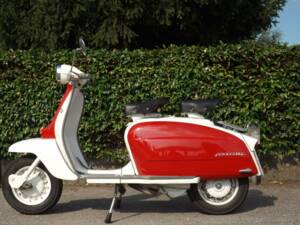
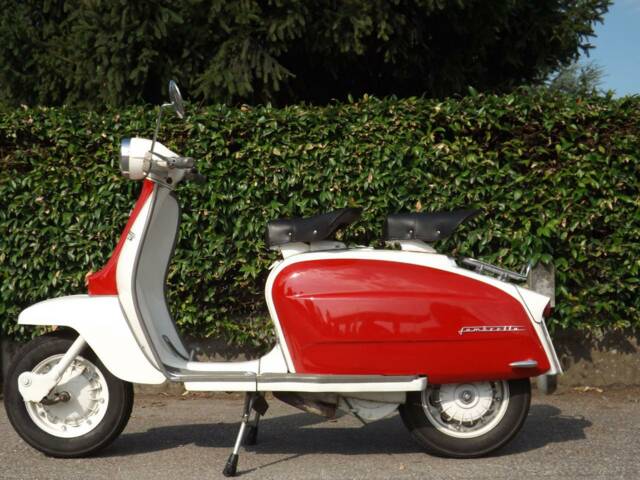

1959 | Innocenti Lambretta Li 150
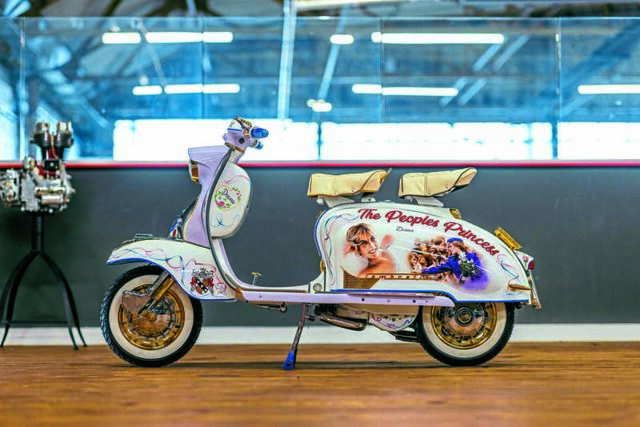
1959 Lambretta Li 150 - 'The People's Princess' 150cc

Innocenti Lambretta Li 150 listing references from Classic Trader
Below you will find listings related to your search that are no longer available on Classic Trader. Use this information to gain insight into availability, value trends, and current pricing for a "Innocenti Lambretta Li 150" to make a more informed purchasing decision.
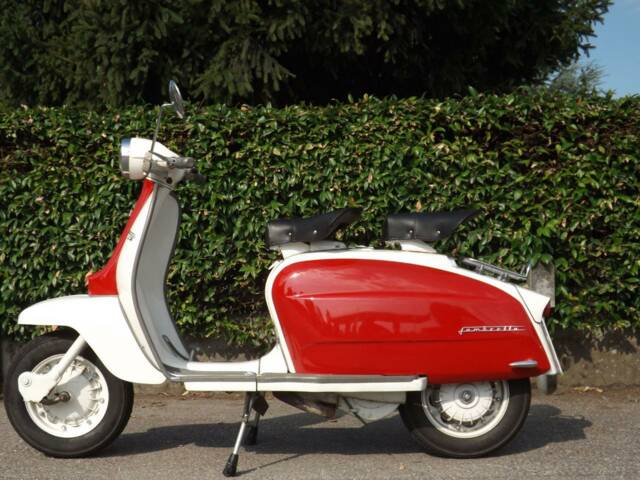
1963 | Innocenti Lambretta Li 150
-
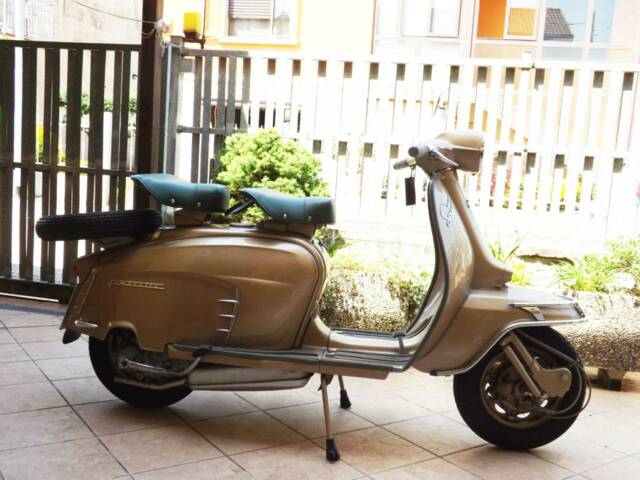
1965 | Innocenti Lambretta Li 150
-
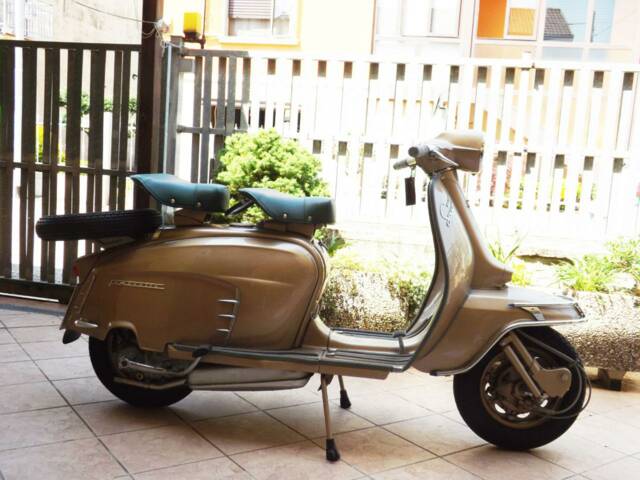
1965 | Innocenti Lambretta Li 150
-
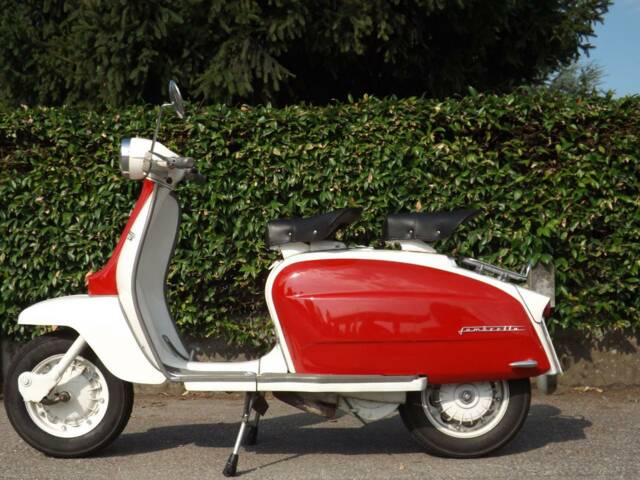
1963 | Innocenti Lambretta Li 150
-
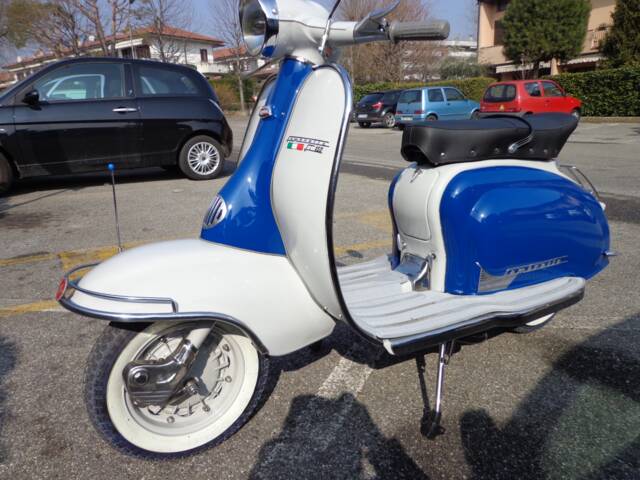
1963 | Innocenti Lambretta Li 150
RESTORED LIKE NEW !!!
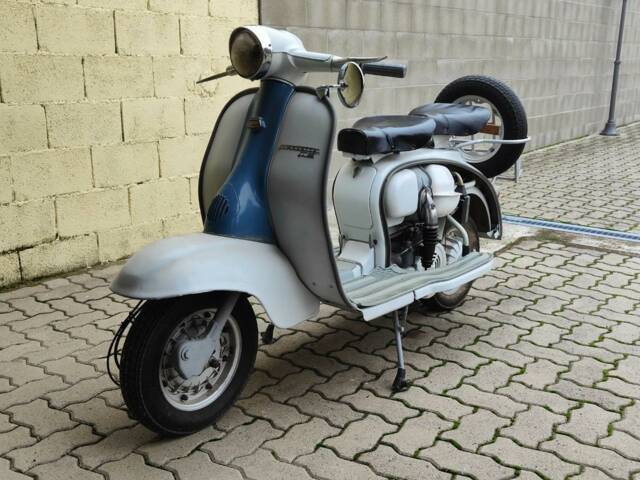
1961 | Innocenti Lambretta Li 150
INNOCENTI Lambretta Li 150 Targa PV
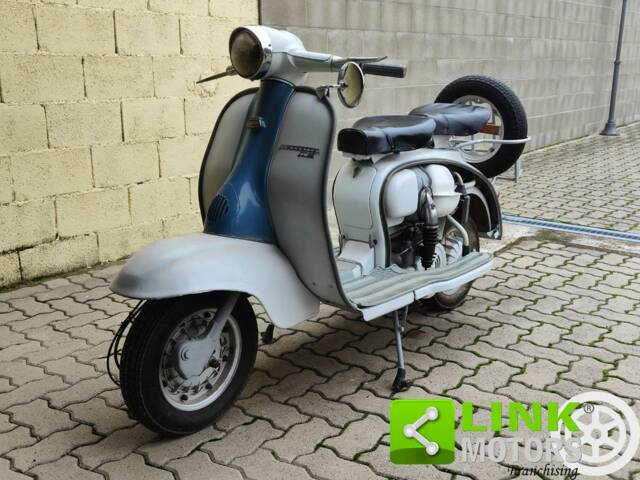
1961 | Innocenti Lambretta Li 150
INNOCENTI Lambretta Li 150 Targa PV
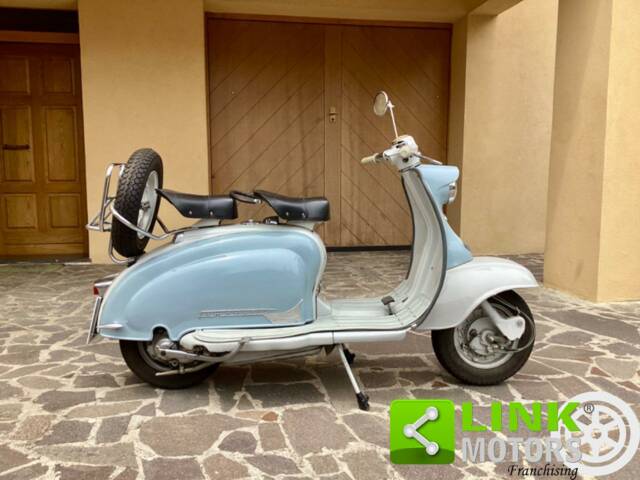
1959 | Innocenti Lambretta Li 150
INNOCENTI Lambretta 150 Li I Serie, conservata, omologata FMI
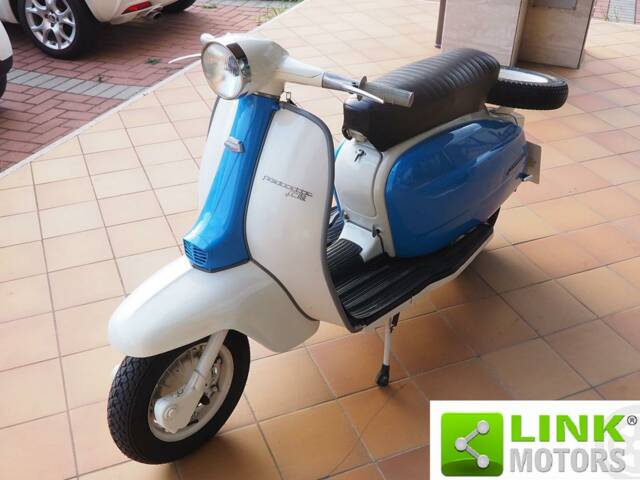
1963 | Innocenti Lambretta Li 150
INNOCENTI Lambretta 150 LI3 1963 conservata
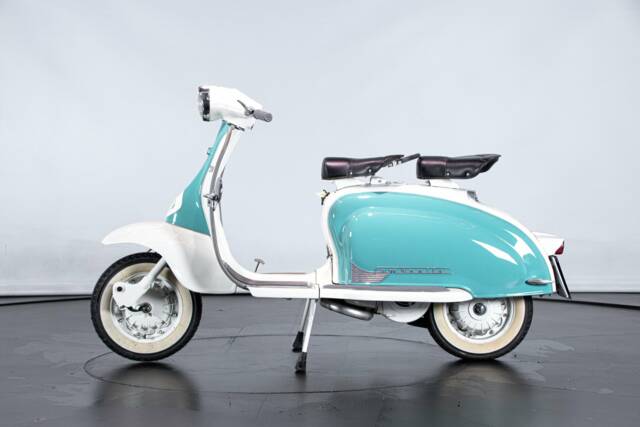
1962 | Innocenti Lambretta Li 150
-
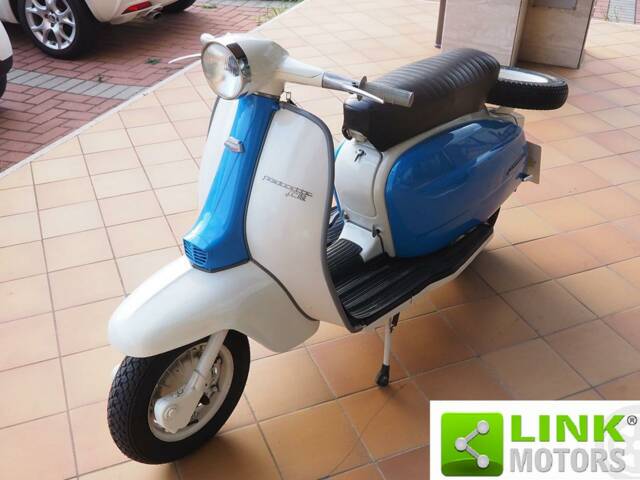
1963 | Innocenti Lambretta Li 150
INNOCENTI Lambretta 150 LI3 1963 conservata
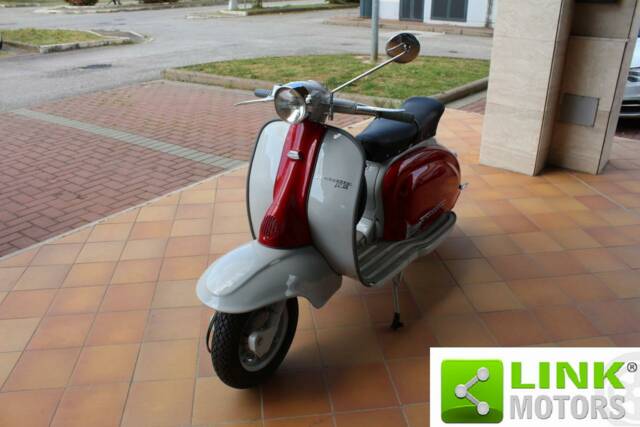
1960 | Innocenti Lambretta Li 150
LAMBRETTA 150TI SECONDA SERIE RESTURATA
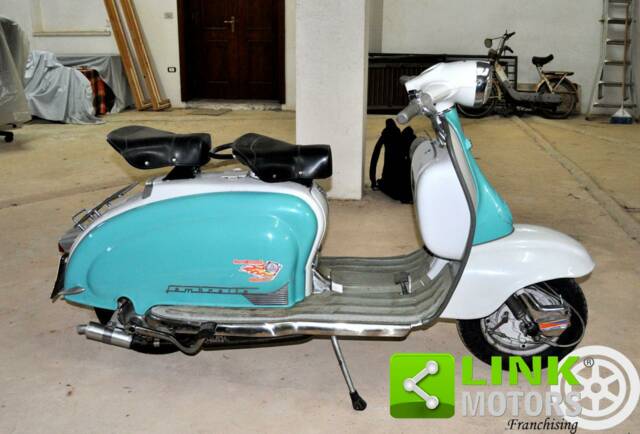
1962 | Innocenti Lambretta Li 150
INNOCENTI Lambretta 150 LI
Innocenti Lambretta Li 150 Classic Motorbikes: Prices & Market Values
History
The Lambretta Li 150 story begins in April 1958, when Innocenti unveiled the successor to the successful LD series. Ferdinando Innocenti, founder of the Innocenti works in Milan, had begun scooter production in 1947 to provide affordable mobility for war-torn Italy. The name "Lambretta" derives from the River Lambro, which flows through the Milanese district of Lambrate where the factory stood.
The Li series (Li stands for "Linea Innocenti") was conceived as a more modern, elegant alternative to the robust LD series. The Li 150 Series 1 (1958-1959) brought numerous technical improvements: a revised engine with better cooling, improved suspension and more modern styling with flowing lines. Around 69,000 Series 1 units were produced.
Series 2 (1959-1961) refined the concept further with improved bodywork, a larger headlight and detailed technical optimisations. Production totalled around 74,000 units. This series is particularly popular with collectors today for its classic proportions and characteristic two-tone paint schemes.
Series 3 (1962-1967), also called "Slimstyle", revolutionised the design radically. With slimmer side panels, flatter mudguards and an altogether more dynamic silhouette, it set new standards. The Series 3 became the basis for all subsequent Lambretta models, including the legendary GP series. Over 143,000 Li 150 Series 3 units left the factory.
The Li 150 was also produced under licence in India (API), Spain (Serveta), Argentina and Brazil, underlining its global significance. In Britain, Lambrettas became synonymous with the Mod movement of the 1960s, with the Li 150 becoming the scooter of choice for style-conscious youth. Italian production ended in 1967 as Innocenti focused on the more modern Special and SX models.
Predecessor: Lambretta LD 150 (1954-1957) – more robust but heavier and less elegant
Successor: Lambretta Li 150 Special (1963-1966) – sportier version with 8.25hp and improved specification
Highlights and Features
The Lambretta Li 150 stands out through several unique features that distinguish it from the competition:
Italian Design Icon: The flowing lines of Series 1 and 2, plus the sleek "Slimstyle" silhouette of Series 3, make the Li 150 a timeless design object. The fully enclosed bodywork protects rider and pillion from dirt and oil – a revolutionary concept in the 1950s.
Two-Tone Paint Schemes: Innocenti offered the Li 150 in attractive colour combinations – typically cream with red, blue or grey accents. This colour styling became a trademark and clearly distinguished Lambretta from Vespa competition.
Mod Culture Icon: In the 1960s, the Lambretta became the preferred vehicle of the British Mod movement. The film "Quadrophenia" (1979) immortalised the Li 150 Series 3 as the ultimate Mod symbol. Clubs like the "Ace of Herts" organised legendary 24-hour rallies with hundreds of Lambretta riders.
Technical Innovation: The Li 150 was ahead of its time with features like torsion-bar rear suspension, fully enclosed drivetrain and precise four-speed hand-change gearbox. The shaft drive (no chain final drive) ensured low-maintenance power transmission.
Worldwide Production: With licence production on four continents, the Li 150 achieved global distribution that few scooters matched. Over 3.5 million Lambrettas of all models were produced worldwide.
Tuning Potential: The robust construction and large aftermarket scene make the Li 150 an ideal base for performance upgrades. Many owners fit larger cylinders (175cc, 200cc) and modern carburettors.
Technical Data
Maintenance, Common Issues and Weak Spots
When buying a Lambretta Li 150, pay particular attention to the following:
Frame and Bodywork: The tubular frame is fundamentally robust, but rust is the biggest enemy. Carefully check the headstock welds, area around engine mounting and footrests. The bodywork rusts particularly at lower edges of side panels, floorboards and mudguards. Original panels are expensive and hard to find – reproductions cost £700-1,300 per set.
Engine and Gearbox: The 148cc engine is reliable if regularly maintained. Watch for blue smoke on starting (worn piston rings or barrel). An engine rebuild costs £1,000-1,700. The gearbox is robust, but the clutch wears with improper use. New clutch plates cost around £130-220. Check all gears select cleanly and the clutch doesn't slip.
Shaft Drive: The shaft drive is low-maintenance, but shaft bearings can wear. Listen for clicking noises when accelerating. A bearing change costs £260-430 at a workshop.
Carburettor: The Dellorto SH/18 is simple to maintain but often incorrectly set. A professional carburettor overhaul costs £130-220. Ensure the engine idles smoothly and doesn't stutter when accelerating.
Ignition: The contact breaker ignition is outdated. Many owners upgrade to electronic ignition (£170-350), which significantly improves reliability. Check spark plug, leads and condenser.
Brakes: The drum brakes are adequate for the speed, but brake shoes wear. New shoes cost £35-70 per wheel. Check for even braking without pulling to one side.
Suspension: The torsion-bar rear suspension is robust, but rubber bushes harden over time. New bushes cost £45-85. The front forks should have no play – worn bushes cost £70-130.
Electrics: The 6-volt system is vulnerable. Check all lights, horn and indicators (if retrofitted). Many owners upgrade to 12-volt (£260-520), providing brighter lighting and better ignition.
Originality vs. Modification: Decide whether you want an original or modified scooter. Original Li 150s with matching numbers and original parts command higher prices (£3,500-7,000). Restored scooters cost £2,600-5,200, depending on quality. Project scooters start at £900-1,700, but a full restoration costs £4,300-8,700.
Parts Supply: Parts supply is good thanks to specialist dealers like Scooter Center (Germany), Casa Lambretta (USA) and Cambridge Lambretta Workshops (UK). Mechanical parts are available, but original panels are rare and expensive.
Buying Recommendation: Buy the best scooter you can afford. A well-restored example saves money and hassle long-term. Have the scooter inspected by a Lambretta specialist before purchase (cost: £85-170).
Engine, Performance, Transmission, Handling
Riding a Lambretta Li 150 is a time machine to the golden age of Italian scooters. The two-stroke engine bursts into life with a characteristic rattle – a sound that instantly evokes nostalgia. At idle, the engine vibrates gently through the frame, a constant reminder of the mechanical soul beneath the elegant bodywork.
When pulling away, you feel the multi-plate wet clutch engage precisely and directly. The hand-change on the left handlebar requires some practice, but soon becomes second nature. First gear is short-geared – ideal for town traffic and narrow lanes. The shift to second occurs around 12mph, accompanied by a satisfying "clunk" from the gearbox.
In third gear at 25-30mph, the Li 150 reveals its charm. The engine sings in the mid-range, acceleration lively enough for overtaking in town traffic. Fourth gear is for country roads – at 45-50mph the engine runs at high revs but surprisingly refined. Top speed of 53mph is achievable on the flat, slightly more downhill.
The chassis is remarkable for its era. The torsion-bar rear suspension absorbs bumps smoothly, whilst the front forks provide direct feedback. The 10-inch wheels convey agility – the Li 150 weaves effortlessly through dense traffic. Steering is light and precise without becoming nervous.
The brakes require anticipation. The drum brakes front and rear offer adequate retardation, but you must brake earlier than on modern scooters. In wet conditions, stopping distances increase noticeably – here the age of the technology shows.
On cobblestones and poor roads, the Li 150 shows its quality. The suspension works smoothly, the frame remains torsionally stiff. The low centre of gravity and moderate weight of 105kg make the scooter nimble and easy to manoeuvre.
The riding position is upright and relaxed. The wide saddle (or optional single seats) offers comfort for longer journeys. The pillion sits elevated with good grab handles. For two people, performance is adequate if not generous.
The riding experience is immediate and honest. You feel every movement of the engine, every road imperfection, every gust of wind. It's a direct, unfiltered connection between rider and machine – exactly what modern scooters lack. The Li 150 demands attention and respect, but rewards with an experience that's addictive.
Design, Interior and Accessories
The Lambretta Li 150's design is a masterpiece of Italian post-war aesthetics. Whilst the chief designer's name isn't definitively documented, the Innocenti design team under Ferdinando Innocenti's leadership worked closely with engineers to unite form and function.
Series 1 and 2 (1958-1961) feature flowing, organic lines. The side panels are voluminous and fully enclose engine and gearbox. The round headlight sits in a chrome housing reminiscent of classic automobiles. The mudguards are generously dimensioned and offer genuine weather protection. The floorboard is wide and flat – ideal for mounting in skirt or dress, making the Li 150 particularly popular with female riders.
Series 3 (1962-1967) revolutionised the design with "Slimstyle" philosophy. Side panels became flatter and narrower, mudguards sleeker, the entire silhouette more dynamic. The headstock was redesigned, the instrument panel received a trapezoidal shape. This design language became the DNA of all subsequent Lambretta models, including the iconic GP series.
Colour Schemes: Innocenti offered the Li 150 in a palette of attractive colours. Particularly popular were two-tone combinations: Ruby Red with Gray Dawn, Cream with Blue, White with Red. These colour schemes became a trademark and clearly distinguished Lambretta from the mostly single-colour Vespa competition.
Target Audience: The Li 150 was designed for the broad middle class – young professionals, families, students. It was to provide affordable, stylish mobility. The low step-through and full enclosure made it especially attractive to women, who became increasingly mobile in the 1950s and 60s. Advertising photos often showed elegant women in fashionable clothing on the Li 150.
Special Design Elements:
- Lambretta Shield: The characteristic crest logo on the front panel
- Chrome Accents: Chrome trim strips, headlight rim, horn and mirrors
- Instrumentation: Trapezoidal speedometer (Series 3) with scale to 100km/h
- Luggage Rack: Chrome rear carrier for cases or spare wheel
- Seat: Choice of bench seat or two single seats (Series 3 standard)
Accessories: Innocenti and aftermarket manufacturers offered extensive accessories: windscreens, mirrors in various designs, luggage rack extensions, spare wheel mounts, horns, auxiliary lights and even sidecars. The Mod scene developed its own accessory culture with numerous mirrors, aerials, foxtails and chrome parts.
The Li 150's design was ahead of its time and remains timeless today. The combination of functionality, elegance and Italian flair makes it a coveted collector's piece and a real head-turner on any ride.
Other
Mod Culture and Pop Culture: The Lambretta Li 150 is inseparable from the British Mod movement of the 1960s. Mods (from "Modernists") were young, style-conscious Britons who loved Italian fashion, soul music and motor scooters. The Lambretta became the preferred transport, often extremely customised with dozens of mirrors, chrome parts and aerials. The film "Quadrophenia" (1979) by Franc Roddam, based on The Who's album, immortalised the Li 150 Series 3 as the ultimate Mod symbol. The scenes of Mods-vs-Rockers clashes in Brighton are film history.
Racing History: Although the Li 150 was primarily designed as an everyday scooter, many owners participated in scooter rallies and long-distance runs. The "Ace of Herts" Scooter Club organised legendary 24-hour rallies in the 1960s with hundreds of participants. Roy Wilson won the 1964 Southend International Rally before 3,000 spectators on a modified Lambretta.
International Production: The Li 150 was produced under licence in several countries. In India, API (Automobile Products of India) manufactured the Li 150 from 1960 in Bhandup near Mumbai. After takeover by the Indian government in 1972, Scooters India Ltd. (SIL) produced Lambretta models into the 1990s. In Spain, Serveta built the Li 150 under its own name. These licence productions differ in details from Italian originals.
Parts and Restoration: Parts supply for the Li 150 is good thanks to an active scene. Specialist dealers like Scooter Center (Germany), Casa Lambretta (USA), Cambridge Lambretta Workshops (UK) and Beedspeed offer extensive catalogues. Mechanical parts are mostly available, original panels are rare and expensive. Reproduction panels often lack the fit of originals. A full restoration by a specialist costs £4,300-8,700, depending on starting condition and desired quality.
Value Appreciation: Prices for well-preserved Li 150s are rising continuously. Ten years ago, a restored scooter cost £1,700-2,600, today it's £3,500-7,000 for top examples. Series 1 with matching numbers and original parts achieve the highest prices. Experts predict the Li 150 will soon exceed the £8,700 mark, similar to the LD 150 and D 150.
Clubs and Community: The Lambretta scene is active worldwide. In Britain, numerous scooter clubs organise regular meets and rides. The annual "Isle of Wight Scooter Rally" attracts thousands of Lambretta enthusiasts. International events like "Rimini Lambretta" in Italy are pilgrimage sites for fans.
Tuning and Performance: The Li 150 offers great tuning potential. Popular upgrades include: 175cc or 200cc cylinder kits (£520-1,040), modern carburettors like Dellorto PHBH or Mikuni (£130-260), electronic ignition (£170-350), sports exhaust (£260-520) and 12-volt conversion (£260-520). With these modifications, 62-68mph top speed is possible. Scene firm Casa Performance offers complete tuning kits.
Summary
The Innocenti Lambretta Li 150 (1958-1967) is an Italian scooter classic that made history. With 148cc capacity, 8.25hp and top speed of 53mph, it offered affordable, stylish mobility for millions in the 1950s and 60s. Over 286,000 examples produced across three series, it became a symbol of Italian lifestyle and an icon of British Mod culture.
Buy a Li 150 if you: seek an authentic, rideable classic with character that's usable daily. Robust engineering, good parts supply and active community make it ideal for beginners and enthusiasts. Watch for: rust on frame and panels, engine condition, originality and service history. A well-restored example costs £3,500-7,000, project scooters start at £900-1,700.
The Li 150 is more than a scooter – it's a piece of history, a design object and a riding experience that's addictive. Once you've ridden a Li 150 through town, you understand why it still captures hearts today.