Triumph 2000 classic cars for sale
The Triumph 2000 is a quintessential British saloon, produced between 1963 and 1977, known for its inline-six engine, comfortable ride, and refined Michelotti design. With both Mk1 and Mk2 models available, the car enjoys continuous demand among enthusiasts seeking matching numbers, original documentation, and unmodified examples in condition ranging from preserved to fully restored.
Search results
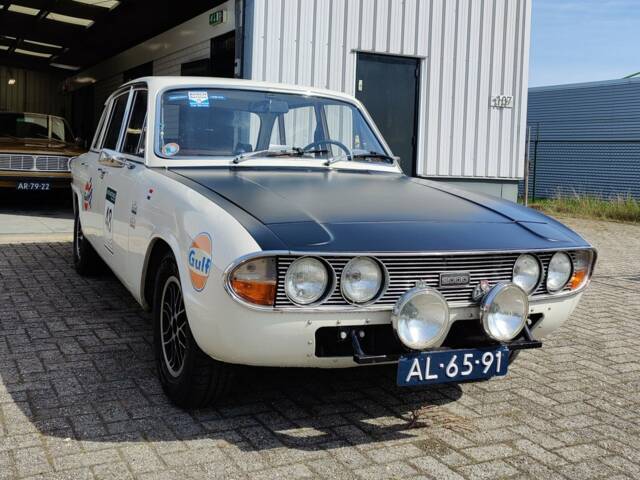
1972 | Triumph 2000 Mk II
Triumph 2000 Mk2 | 1972 | Route 66 Auctions - For sale by auction. Estimate 3600 EUR

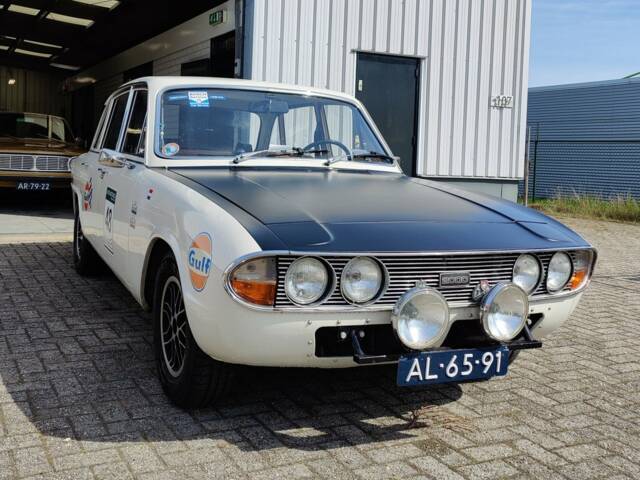
1972 | Triumph 2000 Mk II
Triumph 2000 Mk2 | 1972 | Route 66 Auctions - For sale by auction. Estimate 3600 EUR
Triumph 2000 listing references from Classic Trader
Below you will find listings related to your search that are no longer available on Classic Trader. Use this information to gain insight into availability, value trends, and current pricing for a "Triumph 2000" to make a more informed purchasing decision.
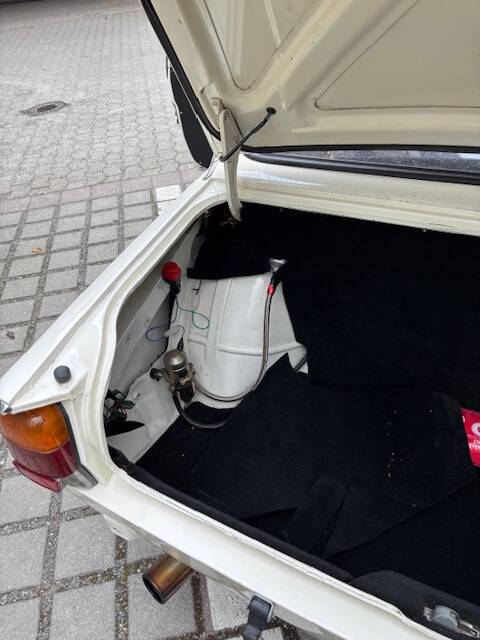
1965 | Triumph 2000 Mk I
Sehr seltenes Fahrzeug

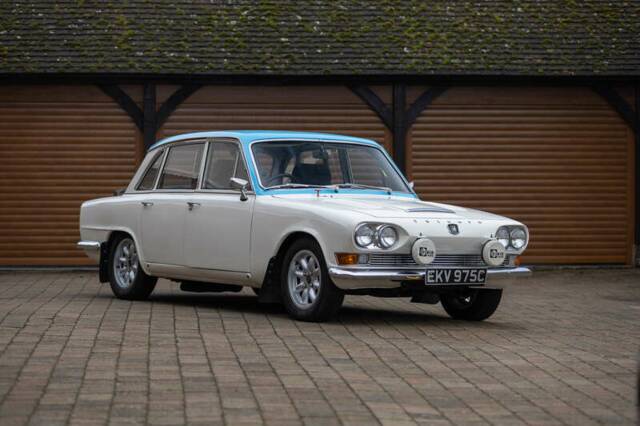
1965 | Triumph 2000 Mk I
1965 Triumph 2000 Mk1 O/D Group 3 Rally Replica

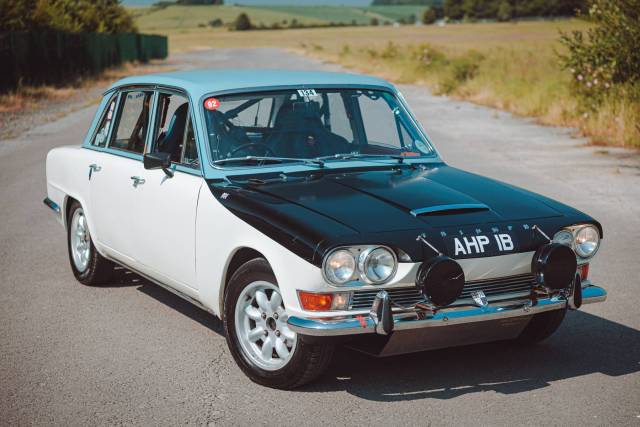
1968 | Triumph 2000 Mk I
Works Rally Specification - Fantastic Fun!
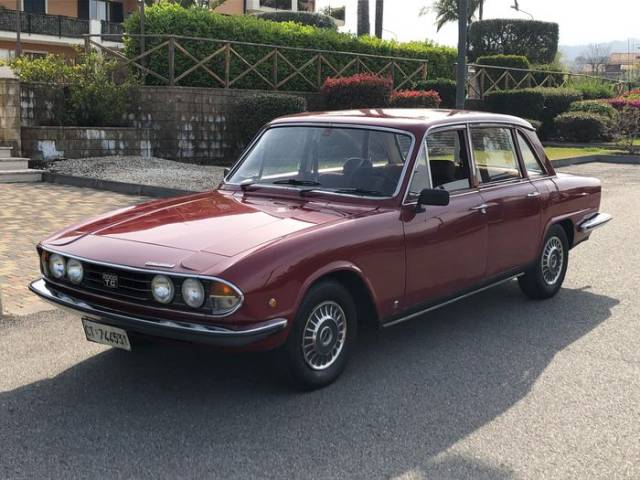
1976 | Triumph 2000 Mk II
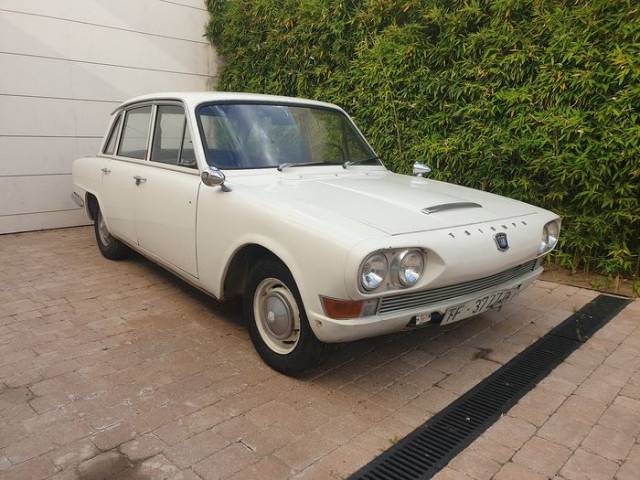
1966 | Triumph 2000 Mk I
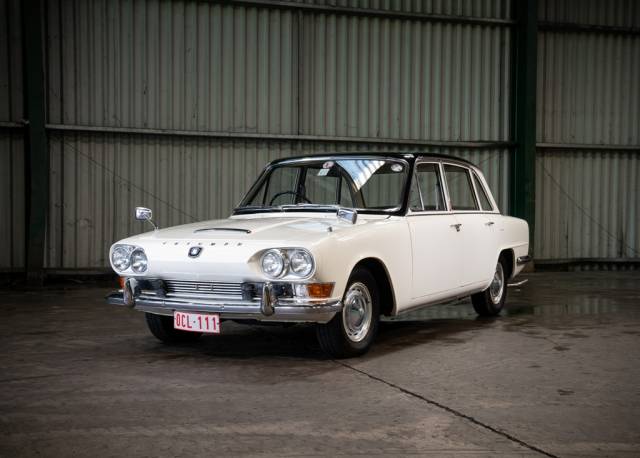
1966 | Triumph 2000 Mk I
Triumph 2000 Mk. I
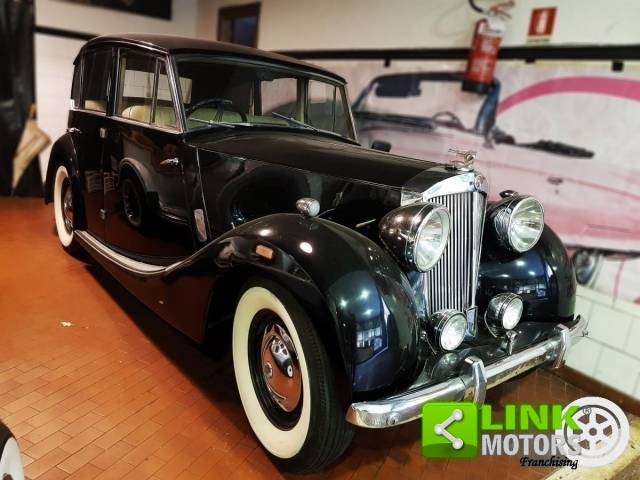
1949 | Triumph 2000 Mk I
Triumph 2000 Roadster del 1949, Impianto GPL, Manutenzione curata

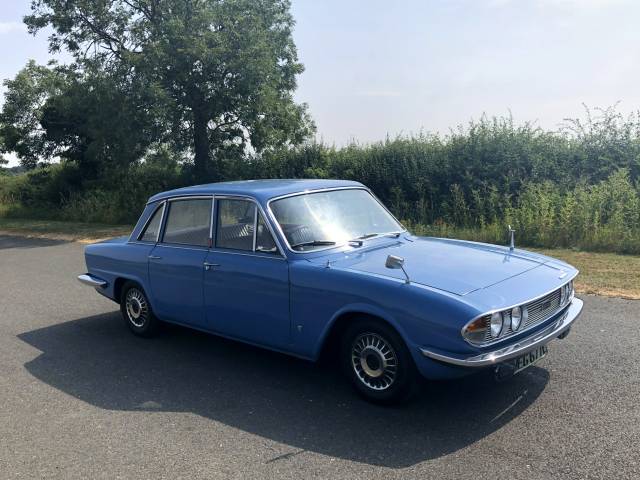
1973 | Triumph 2000 Mk II
1973 Triumph 2000 MK II Auto Only 4 Owners 83,000 Miles. Passport to Service
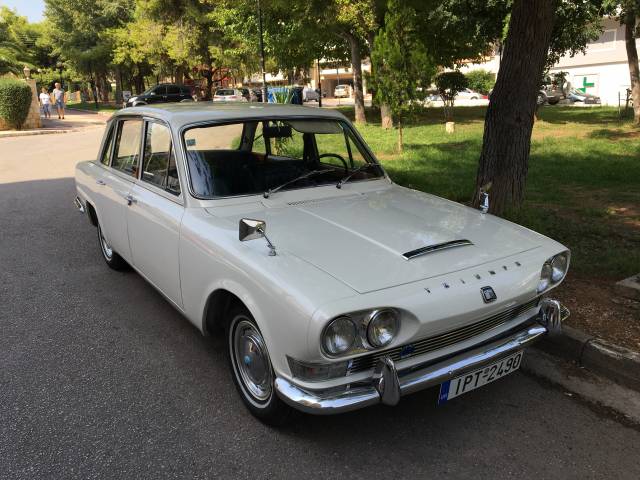
1965 | Triumph 2000 Mk I
Unrestored beautiful condition LHD 24800km

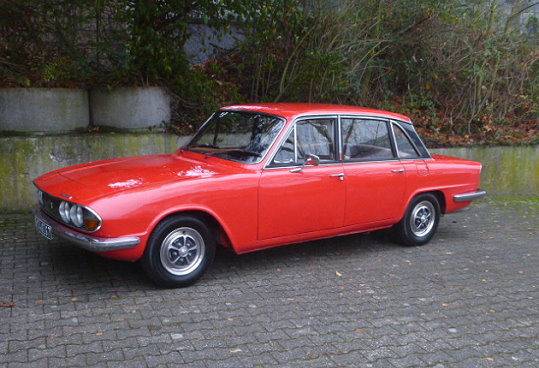
1973 | Triumph 2000 Mk II
Triumph 2000 TC
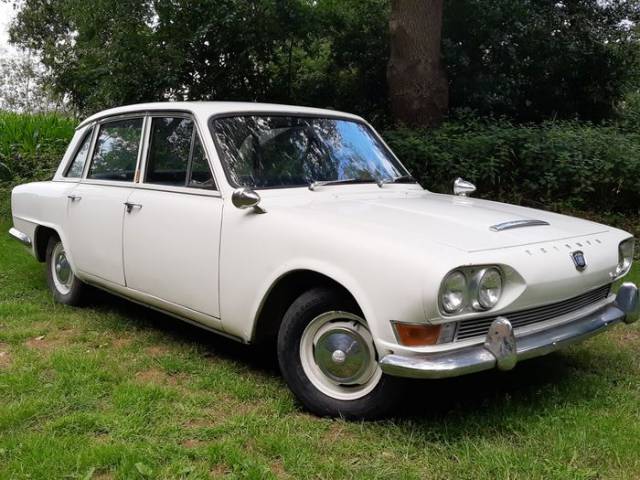
1966 | Triumph 2000 Mk I
Triumph 2000 Classic Cars: Prices & Market Values
History of the Triumph 2000
Launched on 15 October 1963, the Triumph 2000 represented the Triumph Motor Company’s push into the executive car segment, offering a blend of high comfort, strong performance, and contemporary style. Designed by Giovanni Michelotti, the 2000 was built in Coventry and aimed to stand out with its independent rear suspension, robust straight-six engine, and high-quality interior fittings. Over a fourteen-year production span ending in 1977, nearly 317,000 units left the factory, making this sedan and estate a staple on roads across the UK and export markets.
Model History
The Triumph 2000 debuted in 1963 as a spacious saloon. By 1965, the estate (Family Estate) variant joined the lineup, broadening its suitability for families. In 1968, the sportier Triumph 2500, with more powerful engines, entered the market, highlighting Triumph’s ongoing advancements. The model underwent a subtle but notable facelift in 1969, especially at the front, and mild interior upgrades. The Mk2 series, launched in 1969, carried on these changes through the final run until 1977. During its time, the 2000 was produced alongside the larger-engined 2500 models before both ranges ended as Triumph left the saloon segment.
Highlights and Special Features
Engineered for the upper segment, the Triumph 2000 benefited from several distinctive features: a 2.0-litre, inline-six engine with a reputation for smooth operation; refined suspension for comfort on British and European roads; and a rich interior specification, including wood veneers and plush seating. The car could be ordered with practical options like overdrive and came in both left- and right-hand drive from the factory. Survivors often feature period accessories like original cigarette lighters, matching-number drivetrain, and factory carpets, adding value for collectors.
Technical Data
Special Editions and Collectible Models
The main variants of the Triumph 2000 include the Mk1 and Mk2 saloon and estate configurations. While not limited editions per se, particularly desirable examples include those with matching numbers, original documentation, or FIVA certification (e.g., category A/3), as well as rare colour combinations or factory accessories. The later Triumph 2500 models, introduced as a higher-powered alternative, are often sought after alongside the standard 2000 series for their enhanced performance and equipment.
Engine, Performance and Handling
With its smooth 2.0 L straight-six and robust chassis, the Triumph 2000 strikes a fine balance between comfort and lively road manners. The manual gearbox with available overdrive adds flexibility for touring, and the independent suspension ensures stable and predictable handling — a rarity amongst its 1960s-70s rivals. Its relative lightweight helps the 2000 feel agile for its size, especially when compared to other executive saloons of its era. Popular examples include unrestored Mk1 saloons with matching numbers, 2500 models for those seeking additional power, and well-preserved estates for those valuing practicality without losing the engineering focus of the series.
Interior, Comfort, Exterior and Design
Giovanni Michelotti shaped the Triumph 2000’s exterior with rounded yet solid proportions, crisp frontal lines, and a ground-hugging stance at just 1,420 mm high. Restyling over its lifecycle accentuated these characteristics, while colour options like New White, Midnight Blue, and reddish-purple brought further individuality. The cabin prioritised comfort, featuring velvet upholstery and extensive use of wood trim. Accessories such as period floor mats and fully functional cigarette lighters are commonly retained in enthusiasts’ examples. The distinction between Mk1 and Mk2 variants is found in details like the grille, dashboard layout, and subtle changes in cabin materials.
Other Features
Original number plates, international delivery readiness, and documentation such as historic or national registration papers often accompany available cars. Some examples still carry FIVA classification or period handbooks and service booklets, signifying careful preservation and a clear history — highly appreciated by marque clubs and connoisseurs.
Summary
The Triumph 2000 sits at the core of British executive motoring of the 1960s and 1970s. Uniting refined straight-six engineering with a Michelotti-penned silhouette and practical saloon or estate options, it caters both to collectors and drivers who value substance and documented originality. The consistency of supply and demand on the classic market underscores its enduring relevance among enthusiasts and specialists.