Rover Streetwise classic cars for sale
The Rover Streetwise stands out within the British compact segment for its rugged styling, elevated chassis, and distinct approach as an 'urban on-roader'. Introduced as a variation of the Rover 25, the Streetwise offers drivers increased practicality paired with characteristic British design flair. Experience a different angle of city driving with this unique model.
Resultados de la búsqueda
Actualmente no hay anuncios que coincidan con su búsqueda.
Create search alert
Let yourself be notified as soon as a listing is published that matches your search filters.
Create listing
Do you have a Rover Streetwise that you want to sell? Then create a listing now.
Create listingRover Streetwise listing references from Classic Trader
Below you will find listings related to your search that are no longer available on Classic Trader. Use this information to gain insight into availability, value trends, and current pricing for a "Rover Streetwise" to make a more informed purchasing decision.
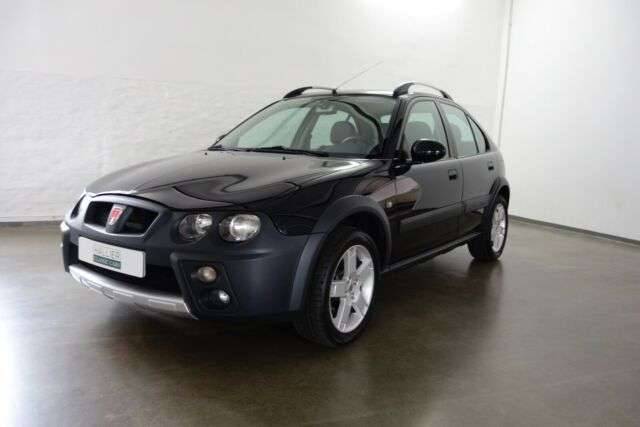
2005 | Rover Streetwise 1.6
Rover Streetwise
Create search alert
Let yourself be notified as soon as a listing is published that matches your search filters.
Create listing
Do you have a Rover Streetwise that you want to sell? Then create a listing now.
Create listingRover Streetwise Classic Cars: Prices & Market Values
History and background of the Rover Streetwise
Launched as MG Rover sought to rejuvenate its image in the early 2000s, the Streetwise carved its own niche as a toughened-up derivative of the Rover 25 hatchback. Unveiled during a period of intense competition in the compact car market, Rover marketed the Streetwise to urban drivers wanting the practicality of a hatchback paired with crossover-inspired aesthetics. Key changes included a raised suspension, unpainted protective bumpers, and a robust stance, all conceived to appeal to a younger, city-oriented clientele. Production of the Streetwise ended in April 2005 following the collapse of MG Rover, yet the car’s concept lived on—resurfacing in China as the MG 3 SW after Nanjing Automobile Group acquired MG Rover’s assets in 2008.
Model history
The Streetwise’s direct predecessor was the Rover 25, itself a reworking of the previous Rover 200 Series. Unlike its sibling, the Streetwise embraced more rugged, off-road inspired styling while retaining the underpinnings and drivetrains of the 25. There was no direct successor under the Rover brand; however, the concept was revived in the MG 3 SW in China. The Streetwise represents one of the last distinctive projects by the British marque before the company’s closure.
Highlights of the Rover Streetwise
Distinct from the regular Rover 25, the Streetwise was one of the first compact hatchbacks to adopt a pseudo-crossover look, long before SUV trends dominated the market. Higher ground clearance, larger alloy wheels, and robust styling cues gave the car visual and practical appeal for urban driving. Inside, special upholstery, sporty trim and urban-themed features differentiated it from its siblings.
Technical data
Special editions and collectible versions
Throughout production, the Streetwise was available with various trim levels but did not see officially declared limited editions. However, individual cars equipped with full optional packs—featuring upgraded infotainment, air conditioning, sporty alloys, or unique interior trims—can be considered more desirable within Streetwise owner circles.
Weak spots and common issues
While the Streetwise did not introduce new mechanical weak points compared to the 25, buyers should monitor for typical Rover K-Series engine issues such as head gasket failure, cooling system leaks, and general wear on suspension components due to the raised ride height. Plastic cladding and bumpers can also show age-related fading. Regular care and attentive maintenance help avoid most pitfalls.
Engine, performance, transmission and handling
The Streetwise provided an engaging urban driving experience, thanks to its compact dimensions and nimble handling derived from the Rover 25 base. Higher ground clearance lent it some real-world advantages over potholes and rough road surfaces, while engine performance ranged from economical to sprightly, depending on the chosen model. Gearbox choices included a snappy 5-speed manual and a less common automatic, with the manual being the preference for enthusiastic drivers. Notable versions include the 1.4-litre petrol, prized for its economy, and the 1.8-litre for brisker performance. Diesel options suited those seeking lower running costs. Each model delivered a characteristic British hatchback drive, with a slightly more commanding road presence owing to the increased ride height.
Interior, comfort, exterior and design
Design was at the heart of the Streetwise concept. Outside, it sported black plastic wheel arch extensions, chunky front and rear bumpers, and unique alloy wheel options. The cabin featured special seat fabrics with Streetwise motifs, contrasting dash details, and a focus on youthful, urban appeal. Optionally, buyers could equip higher-range audio systems or air conditioning. The Streetwise look was completed by roof rails and body-colour highlights, setting it apart from staid contemporaries.
Other relevant features
With its raised chassis and urban overtones, the Rover Streetwise anticipated the growing trend for city-focused crossovers in Europe. While not designed for off-roading, its styling and equipment reflected the changing preferences of UK city drivers at the start of the 2000s.
Summary
The Rover Streetwise remains a fascinating outlier in British compact car history, blending hatchback fundamentals with crossover-inspired design. For collectors and urban enthusiasts, it’s a rare model with a distinctive position—marking both an end and new beginning for a classic British brand.