Rover 200 classic car for sale
The Rover 200, built between 1984 and 2005, stands out as a versatile small family car with a reputation for comfort, British styling, and an impressive variety of well-equipped trim levels. Whether you seek a practical saloon or a distinctive cabriolet, the Rover 200 series offers a range of specifications and options, reflecting the peak of British mid-1990s engineering.
Search results
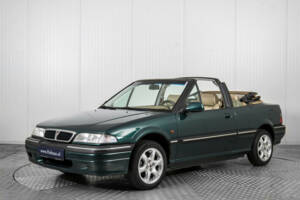
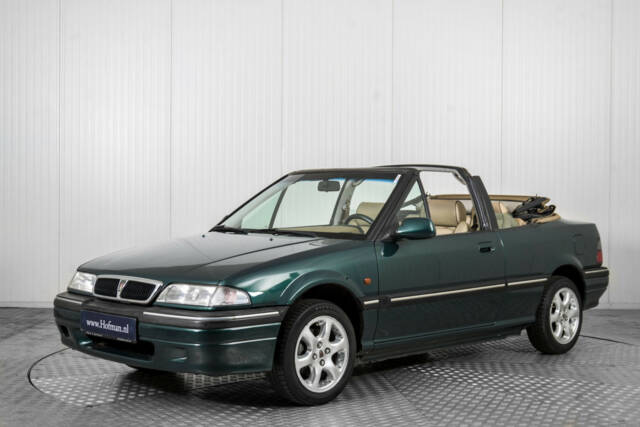
1996 | Rover 216
Rover 200 216 Cabrio .

Rover 200 listing references from Classic Trader
Below you will find listings related to your search that are no longer available on Classic Trader. Use this information to gain insight into availability, value trends, and current pricing for a "Rover 200" to make a more informed purchasing decision.
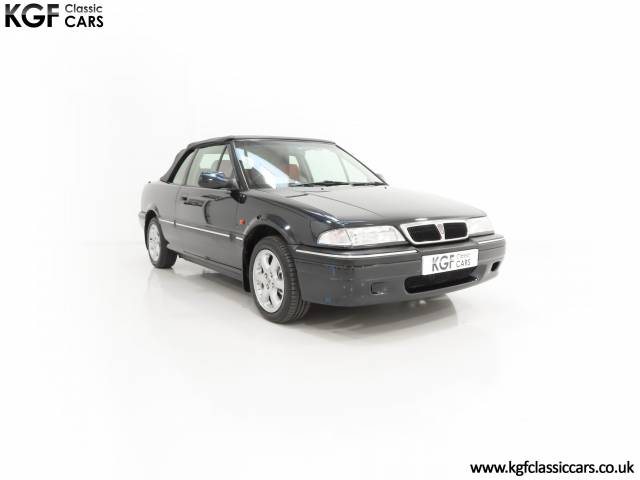
1999 | Rover 200 Coupé
A Superb Topless Rover 216 Cabriolet with Only 28,097 Miles from New

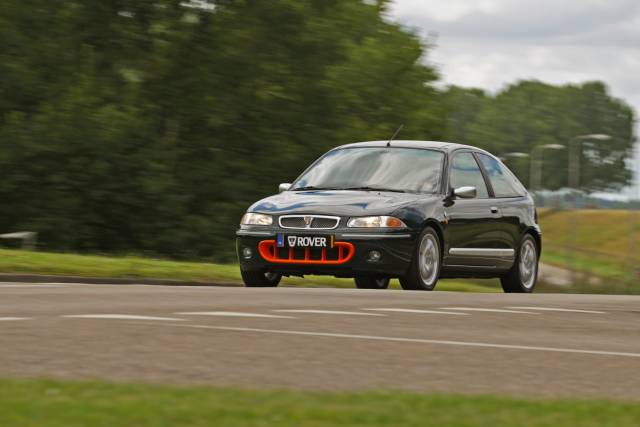
1999 | Rover 200 Coupé
Rover 200 BRM. Showroomstaat, 86500km
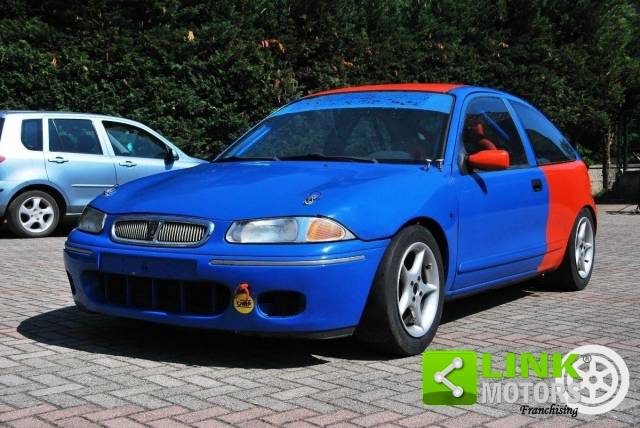
1996 | Rover 200 Coupé
ROVER 200 Vi preparata Gruppo E1 uso esclusivo pista con passaporto - 1996

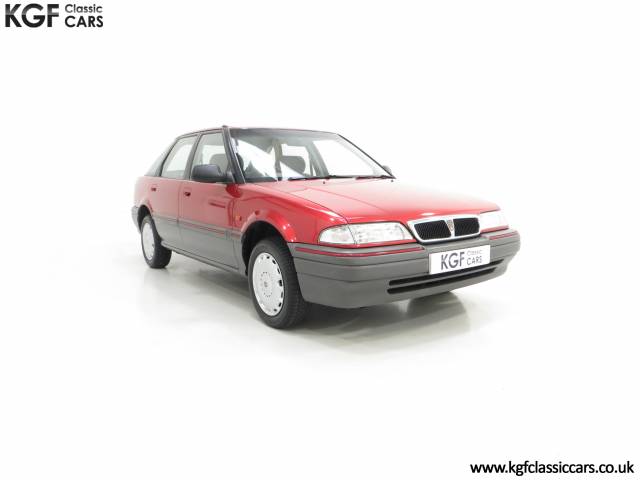
1993 | Rover 214 SLi
An Outstanding Rover 214SEi with Only 13,187 Miles and 20 Service Stamps!
Rover 200 Classic Cars: Prices & Market Values
History of the Rover 200 series
The Rover 200 series was introduced in 1984 as a compact family car, quickly gaining recognition for its comfort and practicality. With production extending until 2005, several generations and updates marked changing trends in the British automotive landscape. The series was originally conceived as a compact hatchback and saloon, later expanded to include the open-top 216 Cabriolet. Transitioning styling and technology reflected Rover's attempts to react to a changing market, while still delivering the traditional feel and finishes the marque was recognised for. In the UK, the 200 series cemented its place as a daily driver, distinguished by upscale materials and consistent reliability. The 200 series was eventually succeeded by the Rover 25.
Model history
Initially, the Rover 200 started as a collaboration with Honda, gaining more independence in technology and styling over each generation. Notably, models produced from August 1992 to April 1995 define a high-water-mark with advanced engines like the K-Series DOHC units and well-appointed interiors. The popular estate and cabriolet versions catered to niche buyers wanting British comfort in different body styles. After 1995, the model range was rebranded and modernised as the Rover 25, carrying forward the spirit but adapting to new market realities.
Highlights of the Rover 200 series
A major hallmark of the Rover 200 is its wealth of trim levels and focus on ride comfort. With well thought-out amenities such as green-tinted glass, optional alloy wheels, central locking, detailed walnut trim, sport seats, and perimetric alarm systems, the 200 could be configured for stylish comfort or understated practicality. The model attracted a loyal fanbase, especially in cabriolet and special edition SEi versions featuring distinctive colour schemes and extra equipment like air conditioning, electric windows, and radio cassette units.
Technical data
Special Editions and Collectible Models
Notable special models in the Rover 200 line include the 214 SEi and the 216 Cabriolet. The 214 SEi incorporated unique two-tone paint, walnut trim, central locking, and chromed elements, aiming for a higher luxury specification. The 216 Cabriolet offered the full convertible experience, practical for UK weather thanks to features like an electrically operated soft top, tonneau cover, and all-round seating for four. Optional extras frequently included alloy wheels and leather interior, especially on limited runs.
Engine, Performance, Transmission and Handling
Rover 200 models from the early 1990s stood out for their comfortable and cultivated ride, targeting day-to-day usability rather than outright sportiness. Suspension and chassis tuning delivered a cushioned experience over UK roads. Both the 1396cc and 1589cc K-Series engines were praised for their lively throttle response, with acceleration figures as low as 8.9 seconds from 0–100 km/h for hotter models. Effortless gear changes and a light clutch were standard, contributing to relaxed long-distance driving. The front-wheel drive layout made the car predictable and safe in all conditions. Disc braking capability and diagonal split braking circuits enhanced safety. • Rover 214 SEi: Notable for its high level of specification and two-tone styling. • Rover 216 Cabriolet: Provided open-top driving with practical seating and robust safety features. • Standard models: Varied from efficient 1.4 petrols to sportier 1.6s, all with British-tuned ride.
Interior, Comfort, Exterior and Design
Design features in the Rover 200 were distinctly British, with soft textile seats (e.g., 'Renaissance' cloth), walnut veneer dash accents, and chromed interior details on most trims. Saloon models offered robust practicalities, while the cabriolet stood out with its colour-coded body kit, sport bumpers, and alloy wheels. Characteristic colour schemes included Nightfire Red and Tempest Grey, among others. Dealers often supplied these cars with a suite of factory accessories like quality carpet mats, electronic aerials, and period-correct radios. Safety and comfort were further enhanced by standard central locking, well-shaped seats with lumbar support, height-adjustable belts, and plenty of storage solutions throughout the cabin.
Other relevant features
Across the model range, right-hand drive was standard for the UK, but specific left-hand drive versions were built for continental Europe. Many cars came with full main dealer history, leather document cases, or retained the original service books and manuals. Security-minded owners benefited from advanced alarm systems and remote fuel filler/boot releases, further evidence of the attention to detail typical of the brand.
Summary
The Rover 200 series provides a classic British small car experience, ranging from the practical 5-door saloon to the rare and well-equipped cabriolet. Its enduring appeal lies in its refined interior, generous equipment list, and variety of stylish colour and trim options. Today, with all Rover listings on Classic Trader being from the 200 series, it remains the centrepiece for enthusiasts seeking comfort, British heritage, and reliable engineering in an attainable classic.