Rover 800 classic cars for sale
The Rover 800 series represents the pinnacle of British executive saloons from the late 1980s and 1990s, blending refined craftsmanship with innovative technology. With a reputation for comfort and a close collaboration with Honda, the 800 stands out for its commanding presence, advanced features, and luxurious interiors.
Search results
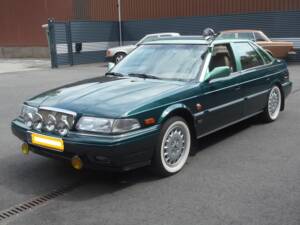
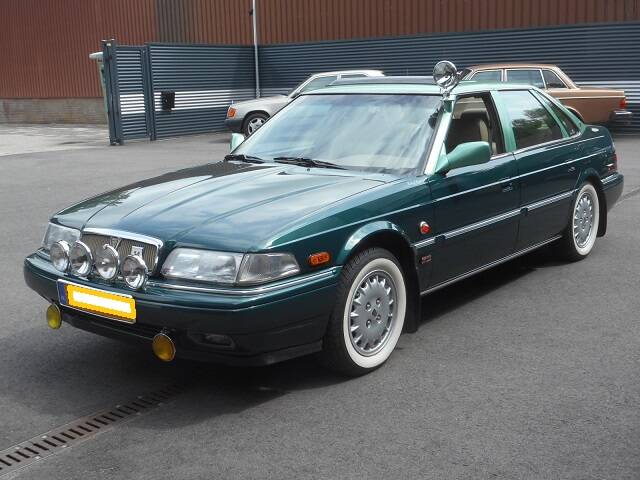
1998 | Rover 825i Sterling
Rover 800 825 Sterling

Rover 800 listing references from Classic Trader
Below you will find listings related to your search that are no longer available on Classic Trader. Use this information to gain insight into availability, value trends, and current pricing for a "Rover 800" to make a more informed purchasing decision.
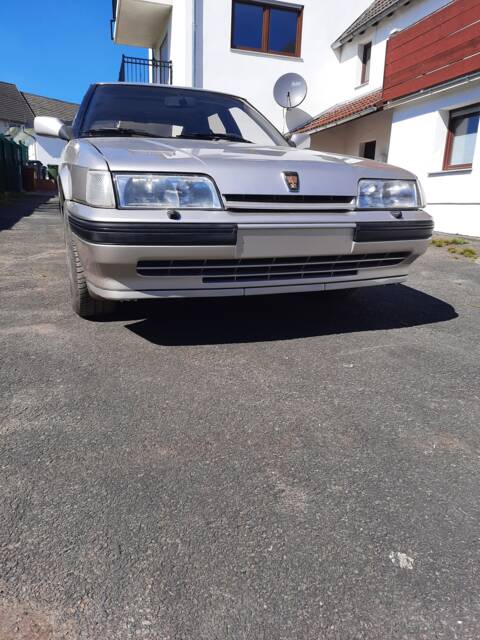
1992 | Rover 827 Si
Vitesse Handschaltung!!Restauriert!!0km!!

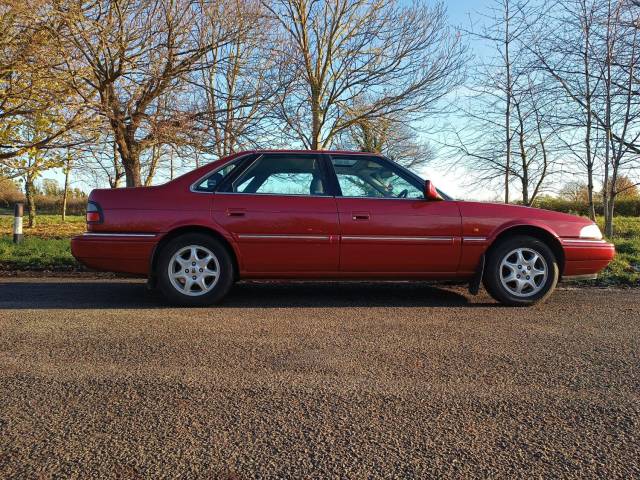
1998 | Rover 825 SD
ROVER 800 2.0 820 16V SI

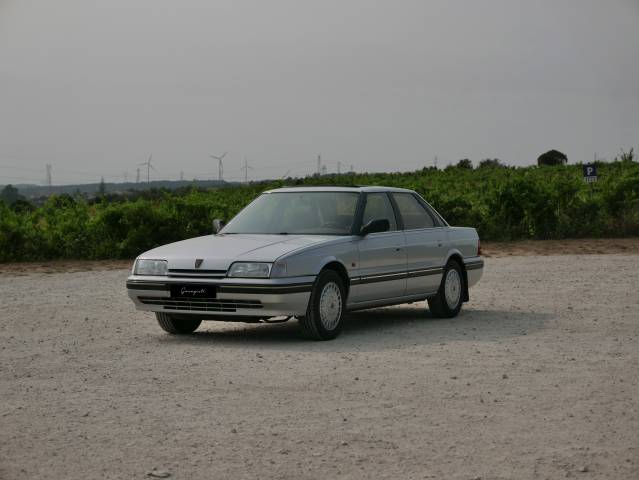
1987 | Rover 820Si

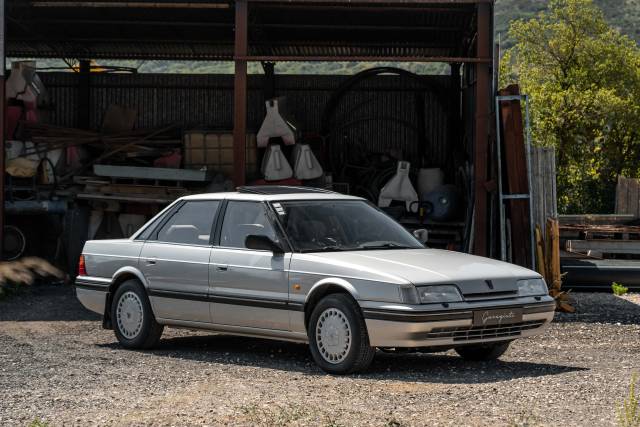
1988 | Rover 820Si
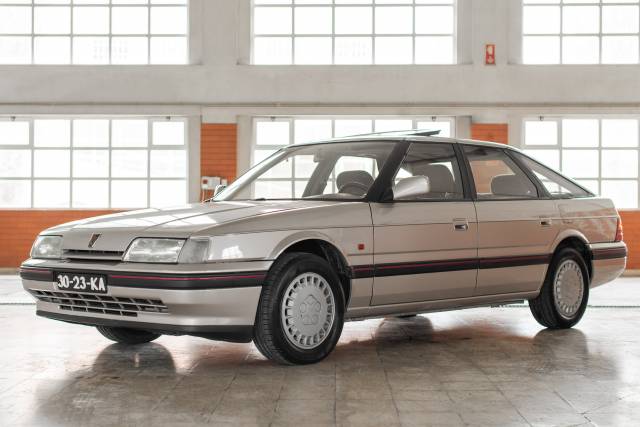
1989 | Rover 820Si
Fastback
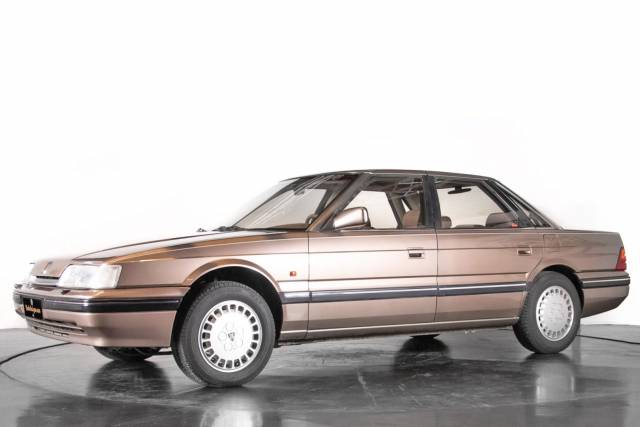
1988 | Rover 820Si

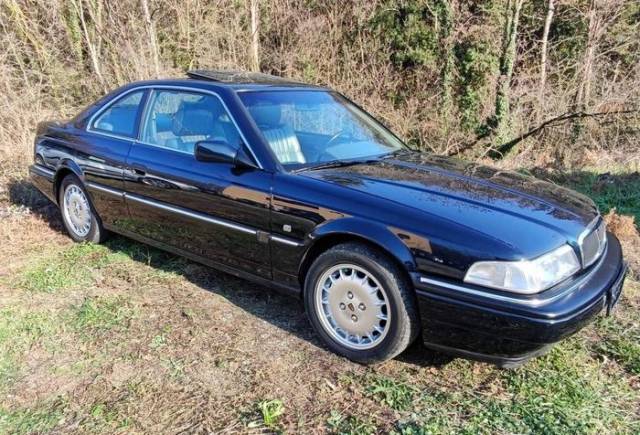
1994 | Rover 827i Coupé
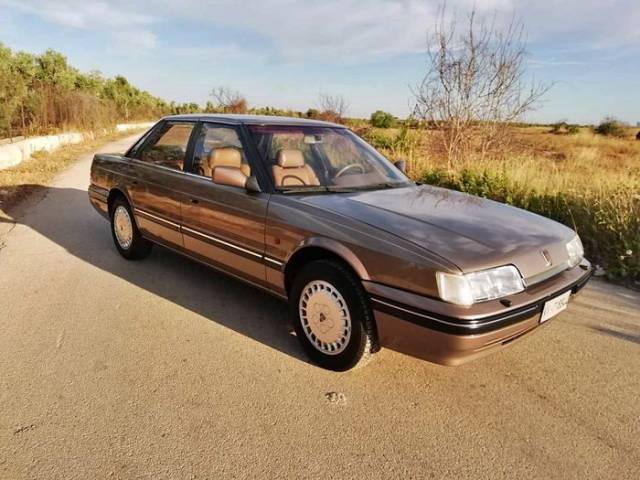
1988 | Rover 820Si
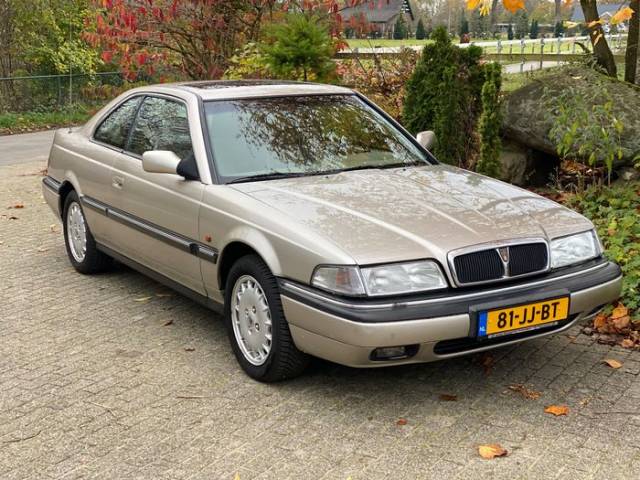
1995 | Rover 827i Coupé
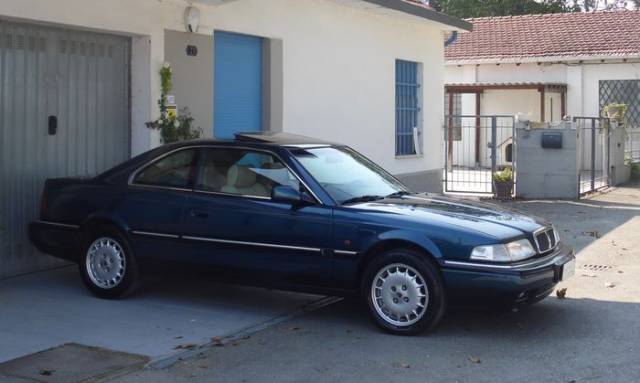
1994 | Rover 820 Ti
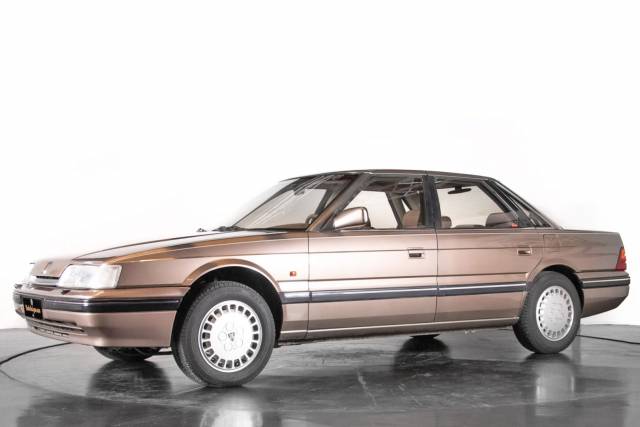
1988 | Rover 825i Sterling
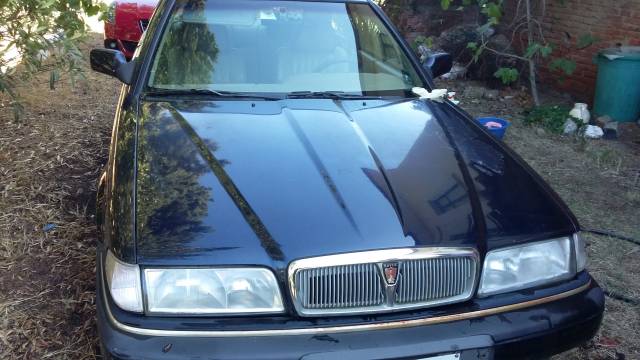
1998 | Rover 820 Ti
ROVER 820 TI COUPE' GPL '98-"MOLTO RARA"
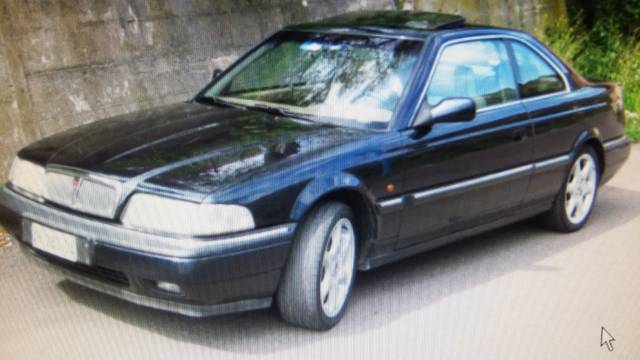
1998 | Rover 820 Ti
ROVER 820TI COUPE' 98 Gpl
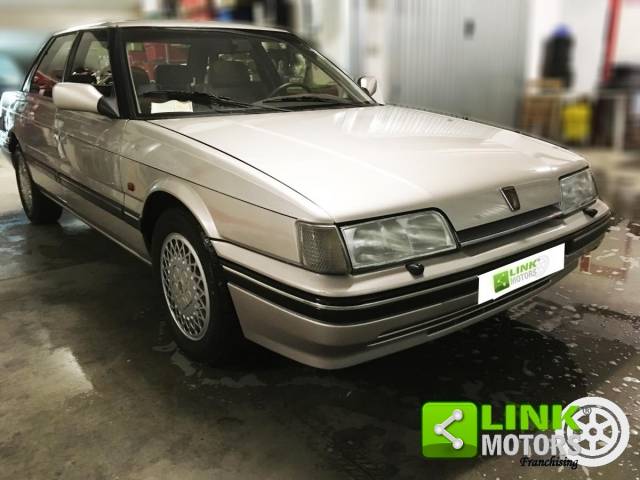
1988 | Rover 820Si
Rover Serie 800 820 Sterling II - iscritta ASI
Rover 800 Classic Cars: Prices & Market Values
History of the Rover 800 series
Introduced in 1986, the Rover 800 series emerged from a significant co-development between British Leyland’s Austin Rover Group and Honda. Designed as the successor to the Rover SD1, the 800 injected modernity into the executive segment, featuring extensive engineering input from Japan. Under the Rover name in Europe and 'Sterling' in the US, it became synonymous with British luxury of the era, combining dependable Honda engines with an emphasis on comfort and prestige. The model signified the evolution of British automotive engineering at a time of major industry transition, and it enjoyed a production run that spanned over a decade, ending in 1999.
Model history and development
The Rover 800 replaced the venerable SD1, offering a more modern front-wheel drive platform derived from shared development efforts with the Honda Legend. Initially available in saloon and later fastback body styles, the 800 adopted further updates and facelifts through its life cycle, including the introduction of the 2.7-litre Honda V6 engine alongside four-cylinder options. Special editions and body variants, like the Sterling and Coupé, extended its appeal. The series was ultimately succeeded by the Rover 75 at the close of the 1990s, ending an era of UK-Honda cooperation at the executive class level.
Highlights and features
Owners appreciate the 800 for a host of factory features such as the original Honda-sourced 2.7-litre V6 engine and a well-appointed cabin, often upholstered in full beige leather with wood décor. Notable equipment includes electric memory seats, heated front seats, cruise control, automatic climate control, advanced audio systems with steering wheel controls, and original alloy wheels up to 17". With its representative look and luxurious ride, the 800 frequently served in high-status roles, including use by the British royal family. Registration as a classic vehicle (e.g., ASI/CRS in Italy) underscores its recognition among enthusiasts.
Technical data
Special editions and collectible models
Special variants such as the 'Sterling' (notably in the US market) and the '827 Coupé' set themselves apart with unique equipment packages, enhanced luxury, and, particularly in the coupé, a distinctively elegant two-door body. Some editions were also linked to prominent users, including members of the British royal family, increasing their desirability among collectors.
Weak spots and maintenance needs
Like many executive cars from the 1980s and 1990s, the Rover 800 may face challenges with obtaining some spare parts, as original components can be rare. Buyers should check for full service documentation, especially regarding the regular maintenance of the Honda V6 engine, automatic gearbox, and electronic systems such as electric seats, climate control, and central locking. Rust on body panels and underbody is another area to scrutinise, due to the ageing of the model range.
Engine and performance, transmission and handling
The highlight of the series is the 2.7-litre Honda V6, lauded for its refined delivery and smooth operation. Coupled to an automatic gearbox and complemented by power steering and ABS, the 800 delivers a markedly smooth and predictable driving experience. The ride quality evokes comparisons with far pricier luxury saloons, while responsive handling ensures competent road manners even by modern standards. - Rover 827 (2.7 V6 automatic): Strongest engine, superior long-distance comfort
- Rover 820 (four-cylinder): Offers a balance between efficiency and reliability
- 827 Coupé: Noted for exclusivity and distinctive styling
Interior, comfort, exterior and design
The 800’s interior distinguishes itself with full leather upholstery, frequently in beige, wood trim accents (notably 'Radica'), and myriad electric conveniences such as adjustable seating, an electrically operated glass sunroof with tilt function, and multi-function steering wheel. Original accessories include alloy wheels in a variety of sizes, tailored floor mats, and period-correct audio systems. Its 4.88-metre length gives it genuine presence, supported by thoughtful ergonomic touches and attention to comfort and craftsmanship. The refined cabin and understated exterior lines were emblematic of British executive design ethos from the late 20th century.
Other notable aspects
Some models are equipped with alarm and immobiliser systems, a double remote key set, environment badges for urban zones (notable for German markets), and detailed original documentation such as service booklets and manuals. Vehicles in Italy may include ASI/CRS registration as classic vehicles. The 800’s heritage includes use in prominent public and private fleets, further solidifying its high-profile status during production.
Summary
The Rover 800 defines a distinctive chapter in British executive car manufacturing from 1986 to 1999. Co-developed with Honda, it remains notable for its robust V6 engines, luxury appointments, and status as the preeminent classic Rover in current supply and demand. Rich in features and revered for its comfort, the 800 continues to be valued by enthusiasts seeking a piece of late 20th-century British motoring history.