Rover Sports Tourer classic cars for sale
The Rover Sports Tourer range captures a fascinating period in British car manufacturing, spanning from early pre-war models like the Rover 10 and Rover 12 to post-war evolutions with advanced mechanical features and unique styling. On this page, you'll find detailed information on their history, engineering, variants, and what to look out for when buying a classic Rover Sports Tourer.
Search results
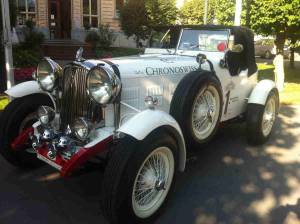
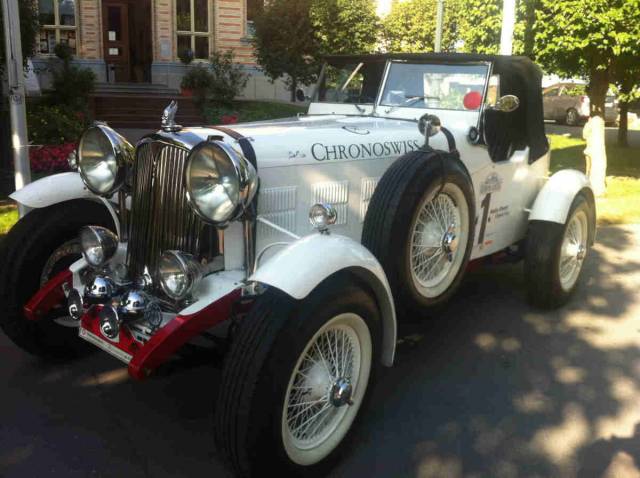
1934 | Rover Sports Tourer
Rover-Sports-Boattail-Einzelstück Weltweit !!

Rover Sports Tourer listing references from Classic Trader
Below you will find listings related to your search that are no longer available on Classic Trader. Use this information to gain insight into availability, value trends, and current pricing for a "Rover Sports Tourer" to make a more informed purchasing decision.
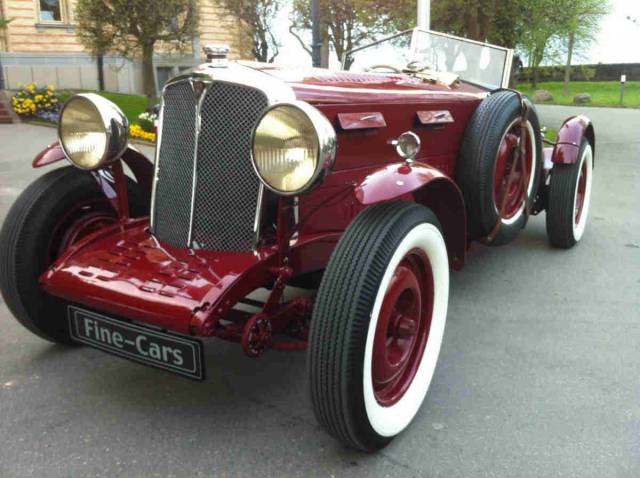
1946 | Rover Sports Tourer
Rover-Sports-Tourer, 6-Zylinder Restauriert
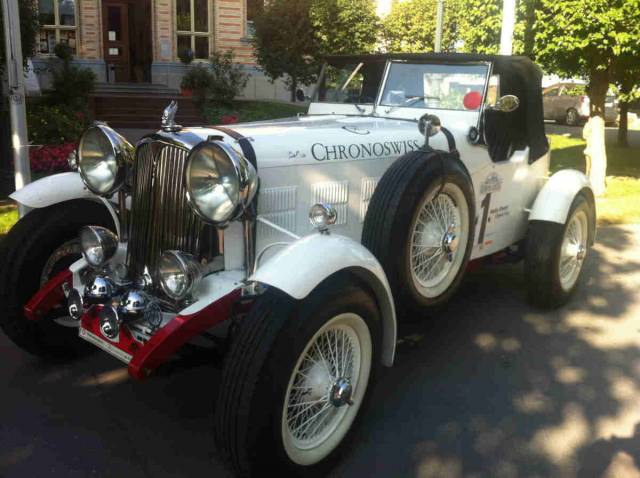
1934 | Rover Sports Tourer
Rover-Sports-Boattail-Einzelstück Weltweit !!
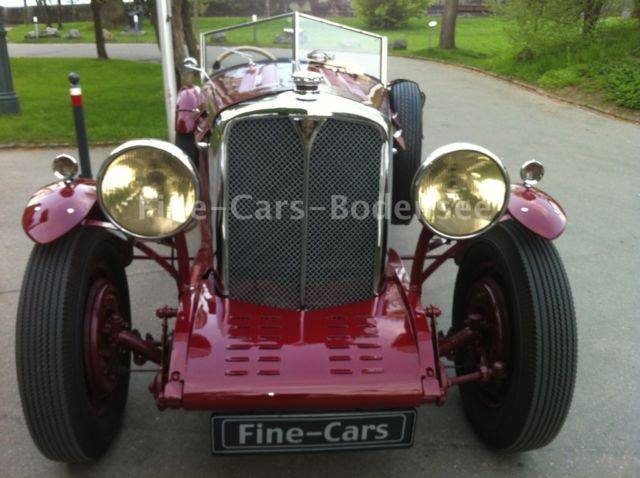
1946 | Rover Sports Tourer
Rover-Sports-Tourer, 6-Zylinder Restauriert
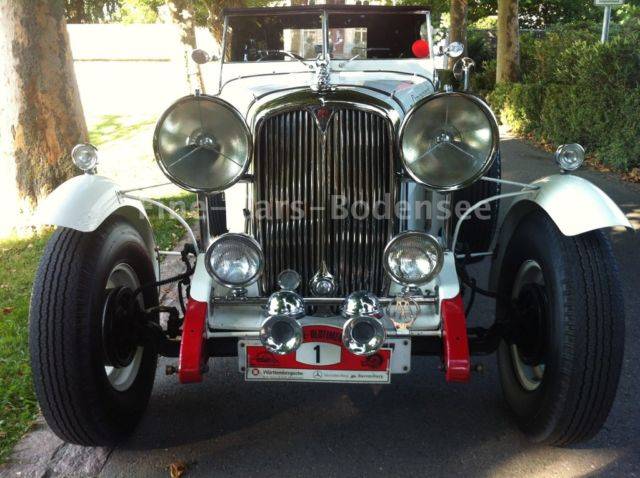
1934 | Rover Sports Tourer
Rover-Sports-Boattail-Einzelstück Weltweit !!
Rover Sports Tourer Classic Cars: Prices & Market Values
History of the Rover Sports Tourer
The Rover Sports Tourer models embody the continuous evolution of the Rover brand, founded in 1877 in Longbridge. Initially a bicycle manufacturer, Rover entered the automobile market in 1904 with the 8 hp model. By 1912, the first major Sports Tourer appeared—the Rover Sports Tourer 12—marking a commitment to comfortable, mechanically advanced open touring cars. The brand’s journey saw transitions through several ownerships: British Leyland, Austin Rover Group, Ford, and eventually Tata Group. During these decades, the Rover Sports Tourer continuously adapted to new technologies and aesthetic shifts, maintaining a reputation for robust engineering and classic British style.
Model history of the Rover Sports Tourer
Key milestones in the Rover Sports Tourer lineage include the early 10/25 from 1929, the evolution into the 10 and 12 models throughout the 1930s and 1940s, and later the P4 (1949) and P5 (1958) models. The first truly recognized Sports Tourer was introduced in 1905 as the 10-12, shown at the Olympia Motor Show, with a monoblock engine and water cooling—a rare feature at the time. Later models introduced more advanced engines, more robust frames, and innovations like freewheel devices and in-built heating systems. Notable pre-war models, such as the P1 and enhanced P2, transitioned into post-war production influenced by advances made during the war years, resulting in improved chassis, hydraulic brakes, and higher output powerplants.
Highlights and unique features of the Rover Sports Tourer
Standout features across the Sports Tourer series include the introduction of four-speed manuals with freewheel, water cooling systems in the earliest models, and chassis refinements such as frame stiffening and hydraulic brakes in the late 1930s. The Sports Tourers were all-steel bodied at a time when competitors still relied partly on wood, and adopted in-built heating post-war for standard comfort. Special variants, like the valve-sleeved 12 and side-valve four-cylinder engines, catered to enthusiasts looking for both durability and practical performance on British and continental roads.
Technical data of the Rover Sports Tourer
Special Editions and Collectible Models
No specific limited or special editions for the Sports Tourer are documented, though the early Olympia Motor Show cars and post-war P2 and P4 variants, produced in lower numbers, are particularly valued for their unique mechanical layouts and historical context.
Engine, transmission and handling of the Rover Sports Tourer
Performance evolved along with each iteration. Early models, like the original 10/25, provided modest acceleration and straightforward handling suited to open English roads of the era. By 1933, the 10 featured a stiffer chassis and a more usable four-speed manual with freewheel, providing smoother gear transitions. Chassis modifications in the P2 and hydraulic brakes significantly improved safety and roadholding, while the post-war P4 models increased comfort for longer journeys. Build quality, weight, and robust engines ensured these cars could cover long distances—albeit at a sedate pace compared to modern standards. - Rover 10 Sports Tourer (1933): 4-cylinder, 1389 cc, four-speed gearbox, steel body.
- Rover 12 Sports Tourer (1905–1948): 4-cylinder, 2297 cc, side-valve, water cooling.
- Rover P1/P2 (1933+, 1937+): Frame improvements, optional heating, hydraulic brakes.
Interior, exterior and design features of the Rover Sports Tourer
Designers combined all-steel coachwork with conservative but stately lines, clearly aimed at the discerning British buyer. Interiors prioritised longevity and comfort, with the post-1947 models integrating heating—a rarity in pre-war touring cars. Instruments, trim, and materials reflected the craftsmanship of their era, often featuring bakelite details and period-correct upholstery. Exteriors featured imposing grilles, large headlamps, and external spare wheels. Available in the reserved yet elegant colours typical of 1930s–1950s British cars, the Sports Tourers also offered period extras like full-length running boards and weatherproof folding hoods. No direct evidence of particular designers is provided, but Rover’s in-house team was responsible for these distinctive bodies, with detail refinement between Longbridge and later Solihull.
Summary of the Rover Sports Tourer
From its origins as one of Britain's first practical touring cars through to mid-century evolutions embracing post-war engineering, the Rover Sports Tourer family presents a broad range of historic driving experiences. Its models are defined by durable engines, inventive features for their time, and a design philosophy that placed quality and comfort first. The exclusive focus on Sports Tourers among classic Rovers listed today underscores their unique position among collectors of British automotive heritage.