Rover 2000 classic cars for sale
The Rover 2000, widely referred to as the P6, set standards in the mid-size luxury class from 1963 to 1977. With its advanced engineering, high safety standards, and distinctive design, the four-door saloon made a lasting impression. While renowned for its driving comfort, the P6 continues to stand out in today's classic car scene, both for its performance and its well-engineered construction.
Search results
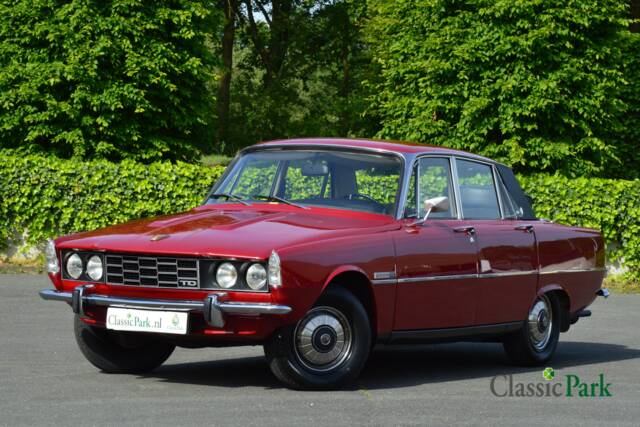
1976 | Rover 2000 TC
Rover 2000 TC

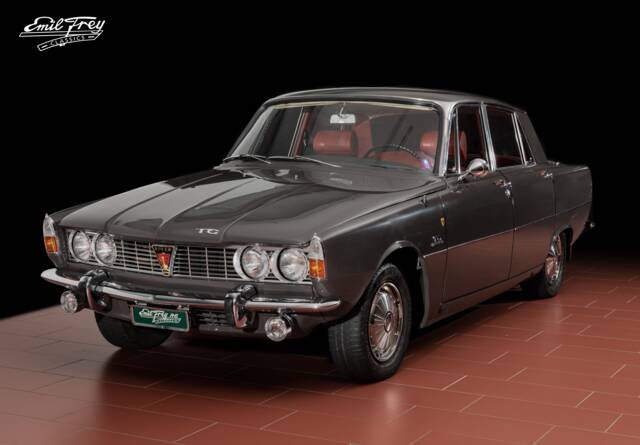
1969 | Rover 2000 TC
Rover 2000 TC – seltene Schweizer Limousine in Bestzustand

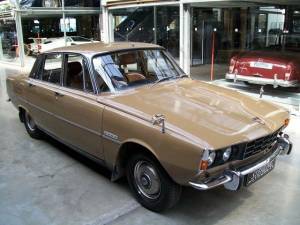
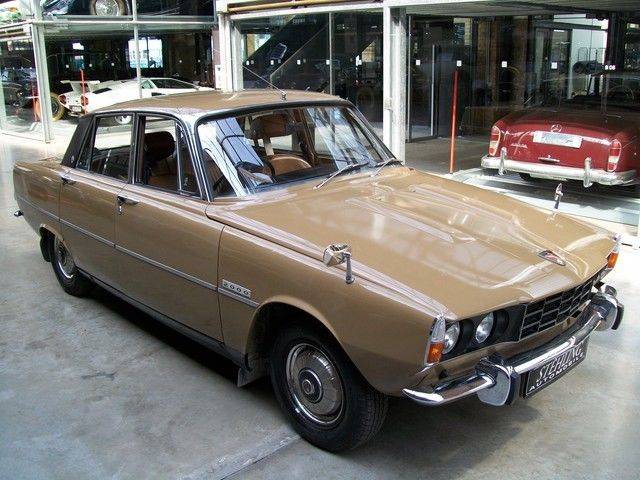
1973 | Rover 2000 SC
P6 2000 SC

Rover 2000 listing references from Classic Trader
Below you will find listings related to your search that are no longer available on Classic Trader. Use this information to gain insight into availability, value trends, and current pricing for a "Rover 2000" to make a more informed purchasing decision.
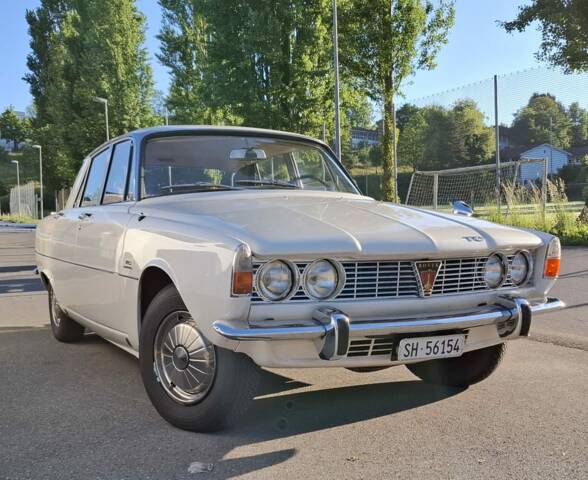
1967 | Rover 2000 TC
Rover 2000TC | 1967 | Route 66 Auctions - For sale by auction. Estimate 7500 EUR
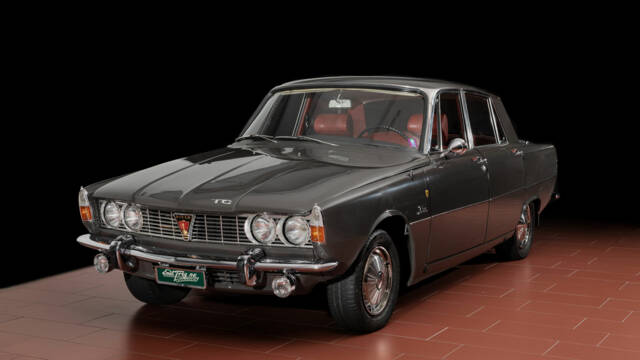
1969 | Rover 2000 TC
Lot 7 Rover 2000 TC (1969). Schätzpreis CHF 14'000 bis CHF 24'000
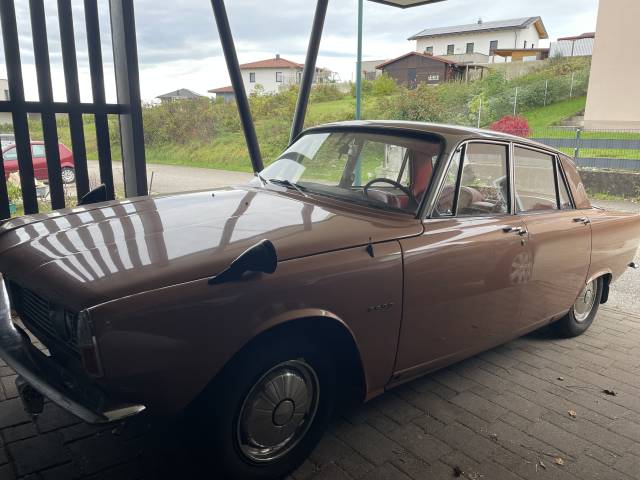
1964 | Rover 2000
Seit 60 Jahren in Familienbesitz..

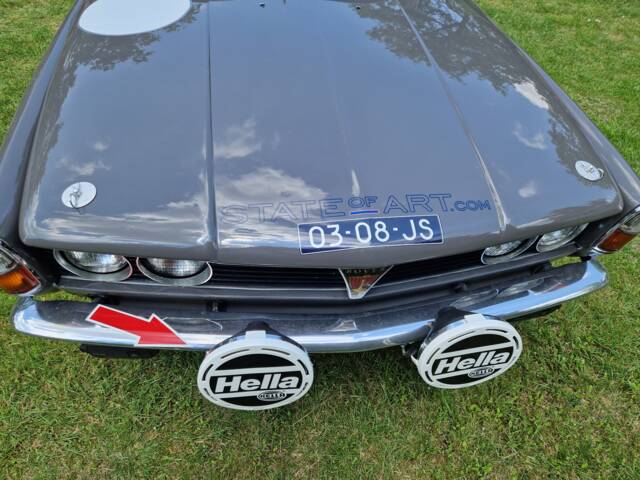
1969 | Rover 2000 TC
Rover 2L automaat

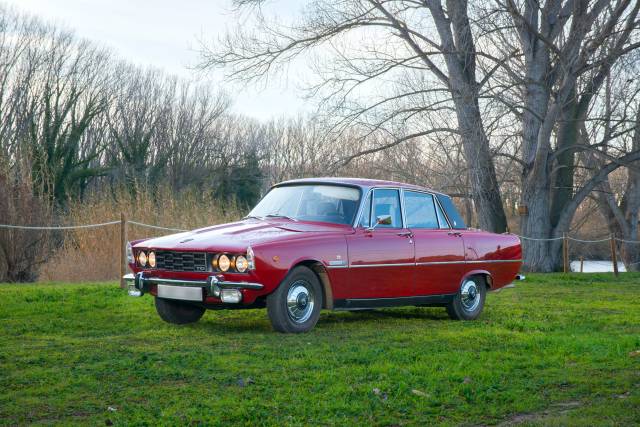
1976 | Rover 2000 TC
Rover P6 2000TC 1976 - Left-hand drive - 4-speed manual gearbox.

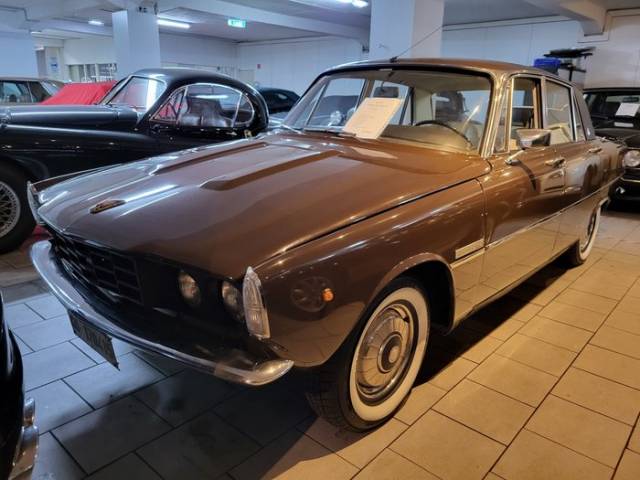
1971 | Rover 2000 TC
Rover - P6 2000 TC - 1971
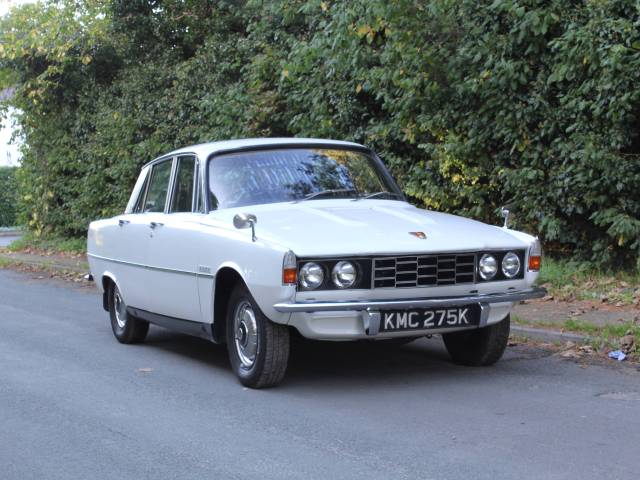
1972 | Rover 2000 TC
1972 Rover P6 2000 Automatic - 29400 miles

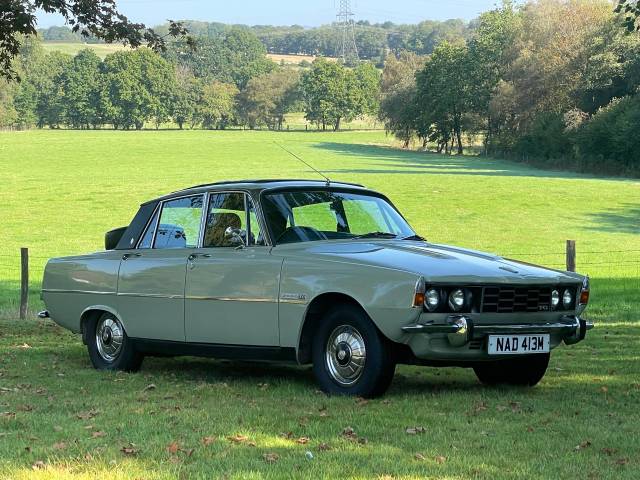
1973 | Rover 2000 TC
Rare Specification – Great History
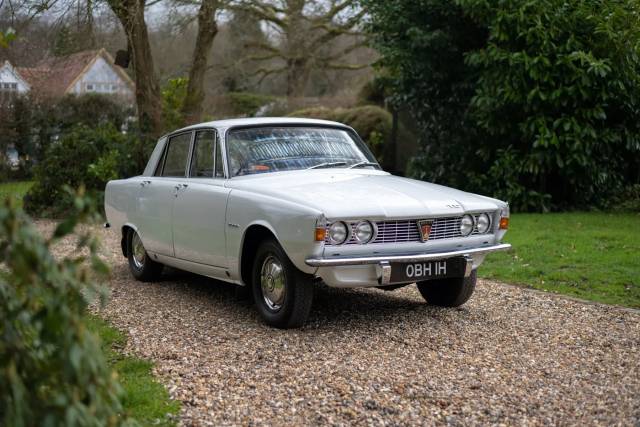
1970 | Rover 2000 TC
Subject To £9k Recent Recommissioning - Stunning
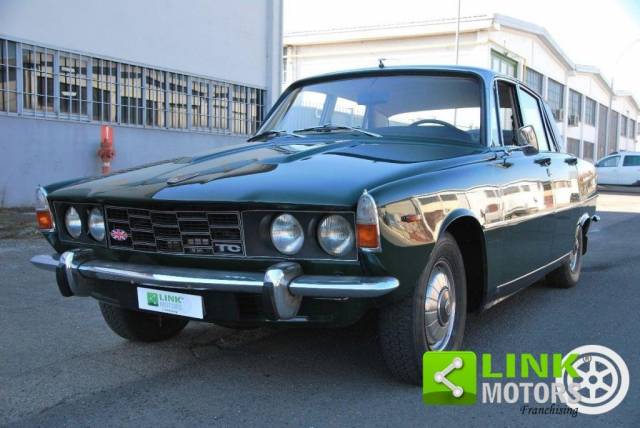
1974 | Rover 2000 TC
ROVER P6 2000 TC "Conservata Originale" - 1974

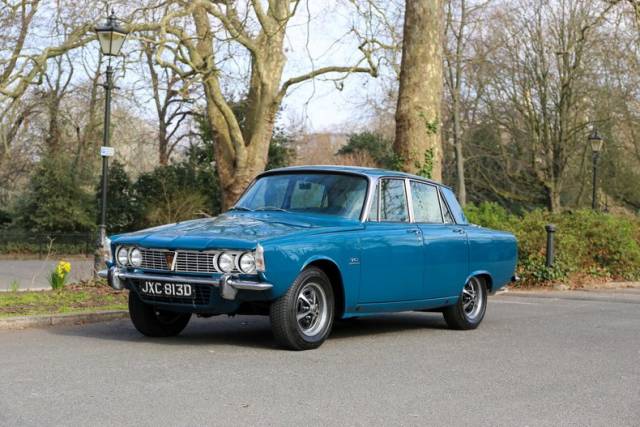
1966 | Rover 2000 TC Prototype
1966 Rover P6B Prototype
Rover 2000 Classic Cars: Prices & Market Values
History of the Rover 2000 (P6)
The Rover 2000, marketed as the P6, debuted in 1963 and represented a complete technical and conceptual break from prior Rover models. Developed at Rover's Solihull plant, the P6 aimed to bring innovative design and engineering to the upper mid-size class, targeting customers seeking refinement and advanced safety. The car immediately attracted attention for its innovative approach to construction: during testing, bodies were assembled without roof, bonnet, or doors, which were only mounted after painting. The 2000 quickly won accolades, including the inaugural European 'Car of the Year' award in 1964. Major updates followed in 1970 with the introduction of the Series 2 models. The P6 series was ultimately phased out in 1977 in favour of the Rover SD1, with production totals reaching 322,302 units.
Model History of the Rover 2000 Series
The P6 series was the last post-war Rover designed from a clean sheet and sat above the previous P4 series. The original 2000 arrived with a new 2.0-litre four-cylinder engine. Over time, the range expanded to include the 2000 TC (featuring twin SU carburettors for increased power) and was eventually joined by the V8-powered Rover 3500. In 1970, a second series launched, offering cosmetic and mechanical refinements, including bonnets to accommodate both four-cylinder and V8 engines. When production ended in 1977, the P6’s place in Rover’s history was firmly established.
Highlights of the Rover 2000 P6
The Rover 2000 distinguished itself through numerous technical and comfort-focused innovations. Its 2.0-litre inline-four engine, advanced De Dion rear suspension, and four-wheel disc brakes gave the car class-leading handling and stopping power. Optional equipment included leather and cloth interiors, factory-fitted safety belts, and energy-absorbing steering columns. Unique details, such as aluminium bonnet and boot panels, were carried over from the world of racing. Elevated safety, with crumple zones and thoughtful cabin design, reflected Rover’s progressive approach.
Technical Data for the Rover 2000 P6
Special Editions and Collectible Models
The Rover 2000 TC (Twin Carburettors) represented a notable upmarket and sporting variant, thanks to the more powerful engine with twin carburettors, offering greater driving enjoyment and improved acceleration. Equally, the V8-powered 3500 models—while distinctly branded—share much of the P6’s body and innovative features and are often included in discussions of collectible and performance-oriented editions of the series.
Weak Spots and Common Issues
The Rover 2000 is structurally robust, yet it remains vulnerable to corrosion—particularly in the bodyshell and underbody due to limited anti-rust protection. Close inspection for rust in the sills, boot floor, wheel arches, and subframes is vital. Mechanical components are generally reliable, but the unique De Dion rear suspension and four-wheel disc brakes require regular maintenance. Replacement parts such as seals, wheel bearings, and certain interior trim pieces remain available through specialists. Always check for historic rust repairs and verify originality of exterior aluminium components.
Engine, Performance, Transmission and Handling
The 2.0-litre engine in standard and TC trims distinguished itself with responsive throttle and sufficient torque for relaxed cruising or sporting driving. The advanced De Dion rear axle ensured improved road holding, even on poor surfaces, outperforming rivals like the contemporary Volvo Amazon or Alfa Romeo models in terms of ride and handling. The fully synchronised manual gearbox allowed precise gear changes, while four disc brakes delivered strong stopping power. The P6 was admired for its smoothness and confident handling, as well as its suitability for long-distance driving. - Rover 2000 TC: Noted for its twin-carburettor setup, delivering up to 110 bhp.
- Rover 2000 SC: Single carburettor, solid all-rounder for reliability and ease of maintenance.
- Rover 3500: V8-powered variant, for those seeking more power while maintaining P6 underpinnings.
Interior, Comfort, Exterior and Design
Designed by David Bache, the P6’s modular bodyshell allowed for easy panel replacement—an unusual feature for the era. The car’s lines are sober and dignified, marked by a spacious glasshouse, slim pillars, and a squared tail with slim, horizontal lamps. Standard aluminium bonnet and boot panels reduced weight, while stainless steel was used in lieu of traditional chrome. Colour options included Arctic White and other period-accurate finishes. The interior featured either fine leather or wear-resistant cloth, with a focus on comfort and durability. Original features often found include factory leather steering wheels, hubcaps, and period-correct badges and trim. Accessories such as the external boot-mounted spare wheel were common, reflecting practical layout responses to technical packaging.
Other Noteworthy Features
Certain models bear period certifications like ASI (Automobilclub Storico Italiano) or FIVA, denoting historical authenticity. Early delivery examples are often found with original documentation and registration, especially from Italy, the UK, and Portugal. The classic car community continues to support the P6 with spare parts and active owner groups, facilitating preservation and maintenance.
Summary
The Rover 2000 (P6) is a technically and historically significant saloon that set benchmarks for safety, comfort, and forward-thinking engineering in its class. With high demand among classic Rover listings and active supply on the market, the model remains an accessible and engaging choice for enthusiasts, combining period design with practical usability and robust support networks.