- Automobile
- Rover
- Rover 14/6 (0 offerte)
Rover 14/6 classic cars for sale
The Rover 14/6 made its debut in 1932, powered by a sophisticated 1,577 cc inline-six with overhead valves, three carburettors, and a distinctive elongated chassis. Available as an elegant saloon or coupé, this model embodied luxury and innovation for its time.
Risultati della ricerca
Attualmente non ci sono annunci corrispondenti alla tua ricerca.
Create search alert
Let yourself be notified as soon as a listing is published that matches your search filters.
Create listing
Do you have a Rover 14/6 that you want to sell? Then create a listing now.
Create listingRover 14/6 listing references from Classic Trader
Below you will find listings related to your search that are no longer available on Classic Trader. Use this information to gain insight into availability, value trends, and current pricing for a "Rover 14/6" to make a more informed purchasing decision.
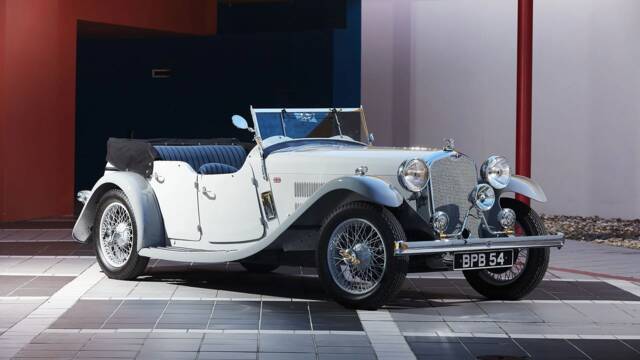
1933 | Rover 14/6 Speed Pilot
1933 Rover 14/6 Speed Pilot Sports Tourer, OFFERED WITHOUT RESERVE
Create search alert
Let yourself be notified as soon as a listing is published that matches your search filters.
Create listing
Do you have a Rover 14/6 that you want to sell? Then create a listing now.
Create listingRover 14/6 Classic Cars: Prices & Market Values
History of the Rover 14/6
Introduced in 1932, the Rover 14/6, also known as the ‘Speed Fourteen’ or ‘14/6 Speed Pilot’, marked a turning point for the British marque. This era saw Rover align its engineering with luxury and technical advancement, offering a car that combined progressive mechanicals with refined bodywork. The 14/6 quickly gained recognition for its advanced engine, innovative features, and the availability of custom coachbuilt bodies from renowned independent coachbuilders. At launch, it appealed to affluent buyers seeking exclusivity and sophistication.
Model History
The Rover 14/6 originated as a step up from Rover’s four-cylinder models, intended to compete with other upmarket British saloons of the early 1930s. Its predecessor was the less powerful Rover 10, while the 14/6 established a new benchmark for the brand, especially with its six-cylinder engine configuration. Although production numbers were never vast, its blend of mechanical reliability and luxurious appointments established the pattern for subsequent Rover models, paving the way for successors that further emphasised comfort and innovative engineering.
Highlights of the Rover 14/6
The 14/6 stands out due to its advanced engineering for its time: a 1,577 cc straight-six with overhead valves, three carburettors, and a long, low chassis. Notable features include a freewheeling four-speed manual transmission with hydraulic brakes, automatic Luvax-Bijur lubrication, and electrical wipers, underlining Rover’s dedication to engineering refinement. Buyers could select bespoke bodies from renowned coachbuilders for extra individuality.
In period testing, the 14/6 achieved 0–50 mph in 12.8 seconds and a top speed of 77 mph (tested by ‘Autocar’ magazine in 1933), a remarkable performance for a car with such luxury intent.
Technical Data
Special Editions and Collectible Models
Buyers frequently commissioned individual coachbuilt bodies from independent specialists, making some Rover 14/6 examples genuine one-offs. While not officially labelled as limited editions, these unique configurations carry special significance due to their exclusivity and craftsmanship.
Weak Spots and Common Issues
Due to the lack of specific records in the current data, typical points of attention for the 14/6 relate to any complex component for luxury cars of the era: the freewheeling transmission, hydraulic brakes, and automatic lubrication should all be carefully inspected. Owners should verify the operational integrity of coachbuilt bodywork and electrical accessories, as authenticity and condition remain paramount in value and usability.
Engine and Performance, Transmission and Handling
Fitted with a 1,577 cc straight-six and three carburettors, the Rover 14/6 delivers notable power and refinement for a car from 1932, achieving 77 mph at its peak and impressive acceleration for the class. The four-speed manual transmission’s freewheeling function highlights Rover’s advanced engineering focus, while the hydraulic brakes improve driving safety and control. Automatic lubrication and thoughtful chassis engineering lead to a distinguished ride quality and longevity among vintage British saloons. Highlighted by the factory-bodied saloon and more bespoke coupé or coachbuilt examples, the Rover 14/6’s motorsport-inspired setting—reflected in the 'Speed' designation—offers a unique combination of comfort, technical advancement, and road presence.
Interior, Comfort, Exterior and Design
The Rover 14/6 was available with luxurious saloon and coupé body styles, often customisable through independent coachbuilders. Notable design elements include aerodynamic, low-slung proportions, high-quality interior materials, and thoughtful comfort features for both driver and passengers. Early cars featured elegant chrome details, plush seating, advanced dashboards for the time, and electric windscreen wipers, a rarity in the early 1930s. Many examples survive with bespoke accessories and trim, tailored to original owners' tastes.
Other Relevant Features
The Luvax-Bijur automatic lubrication was a unique touch for the pre-war era, heightening reliability and reducing maintenance. The freewheeling mechanism in the gearbox enhanced efficiency at cruising speeds, providing a driving distinction for the period. The electrical windscreen wipers, considered cutting-edge at introduction, demonstrated Rover’s intent to set technological standards for British luxury cars.
Summary
The Rover 14/6 is a benchmark of early 1930s British automotive craft, pairing a technically advanced six-cylinder engine with thoroughly developed mechanicals and high-specification comfort features. The opportunity for bespoke bodies and luxury appointments made each car unique, and today, the 14/6 is singular among classic Rovers on the market, offering enthusiasts a genuine glimpse into period motoring innovation and craftsmanship.