Renault Type X Classic Cars for Sale
The Renault Type X stands out as a significant step in the evolution of early motor vehicles, combining authentic engineering from the turn of the 20th century with unmistakable French character. Its presence among vintage cars is marked by rarity and distinctive technical solutions, making it a point of interest for true classic enthusiasts.
Zoekresultaten
Op dit moment zijn er geen overeenkomende advertenties voor uw zoekopdracht.
Create search alert
Let yourself be notified as soon as a listing is published that matches your search filters.
Create listing
Do you have a Renault Type X that you want to sell? Then create a listing now.
Create listingRenault Type X listing references from Classic Trader
Below you will find listings related to your search that are no longer available on Classic Trader. Use this information to gain insight into availability, value trends, and current pricing for a "Renault Type X" to make a more informed purchasing decision.
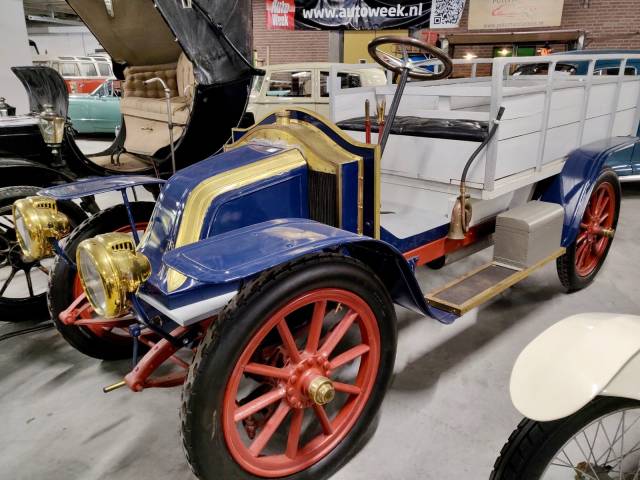
1908 | Renault Type X-1
Online Auction "Classics, Sports Cars & Specials". From 9th to 22nd of May
Create search alert
Let yourself be notified as soon as a listing is published that matches your search filters.
Create listing
Do you have a Renault Type X that you want to sell? Then create a listing now.
Create listingRenault Type X Classic Cars: Prices & Market Values
History of the Renault Type X
The Renault Type X was launched in the early 1900s as part of Renault’s pioneering phase, positioning itself as a representative of pre-war French automotive design. Built at a time when the automobile industry was in its infancy, the Type X bears the hallmarks of an era where hand-crafted techniques met technical innovation. The car’s introduction helped Renault assert its reputation as a forward-thinking automaker, targeting urban and professional clientele with a vehicle that prioritised both practicality and refinement.
Model History
The Type X followed earlier Renault small cars, refining many technical elements and contributing to the foundation for subsequent Renault models. As larger and more comfortable vehicles became desirable, the Type X’s layout and engineering concepts set a standard for the company’s ongoing development. Its successors would build on this basis, enhancing engine reliability and cabin design, which defined Renault’s direction in the following decades.
Highlights of the Renault Type X
Distinctive features of the Renault Type X include its compact but rugged construction, rear-mounted engine, and innovative water-cooling system. The upright stance and unmistakable Renault grille of this era make the car a visible statement of classic French automotive identity. Wooden-spoke wheels and leather-trimmed details further underline its vintage pedigree.
Technical Data
Special Editions and Collectible Models
No officially documented special editions of the Renault Type X exist, as series production was extremely limited and each unit often exhibited slight differences due to hand assembly and the evolving manufacturing processes of the era. Occasionally, custom coachbuilt bodies and period-specific accessories are encountered which can add to a vehicle’s uniqueness.
Weak Spots and Common Issues
As with most vehicles from the pioneer era, the Renault Type X requires regular maintenance of its lubrication points and original chain drive. Cast iron cylinder blocks demand careful cooling and avoidance of overheating, while chassis joints and wooden structural components can develop cracks or rot if left untreated. Parts scarcity is pronounced, meaning any restoration often necessitates substantial custom fabrication.
Engine, Performance, Transmission and Handling
Driving a Renault Type X is a tactile exercise—its light weight and rear engine configuration provide decent traction for the period, though performance is best described as leisurely by modern standards. The chassis and suspension setup absorb uneven surfaces fairly well for a pre-war car, and the direct steering allows responsive control at low speeds. Braking requires anticipation due to period mechanical systems, and the vehicle’s overall feedback connects the driver closely to the technology available at the beginning of motoring history. Early Renault Type X models with original engine and preserved bodywork are particularly sought after, as are any variants featuring bespoke coachwork from prominent French artisans of the period.
Interior, Comfort, Exterior and Design
The Type X is emblematic of early French design language, with a boxy silhouette, diamond Renault badge, and exposed running gear. Passenger compartments were often open or semi-enclosed, offering simple but period-accurate benches trimmed in leather. Special coachbuilt examples might include luxurious detailing such as decorative woodwork or brass fixtures. Accessories of note range from acetylene headlamps to folding convertible tops, depending on the body style commissioned at the time. The use of hand-fitted hardware and the application of unique paint colours by individual buyers give each surviving Type X a distinct visual identity.
Other Features
Noteworthy beyond its mechanicals, the Renault Type X exemplifies the adaptability of early automobiles—a chassis basis for personal, taxi, and even light commercial uses. Certain models were equipped with modifications for specific professional roles (such as delivery or medical transport), making original provenance a unique and potentially valuable aspect for collectors.
Summary
The Renault Type X stands as a fascinating document of automotive inception, reflecting both technical ingenuity and French handcraft. Its scarcity and surviving diversity ensure high interest among historical enthusiasts and specialists in early motoring. Every example offers a direct connection to the formative age of the automobile, underscoring the unique character of Renault’s approach at the dawn of the motor car.