Renault Type AH classic cars for sale
The Renault Type AH stands as a distinctive example of early 20th-century French motoring, offering a glimpse into Renault’s engineering and design philosophy at a formative point in automotive history. As a model that captures the transition period before mass production became the standard, the Type AH commands the attention of collectors and historians alike.
Search results
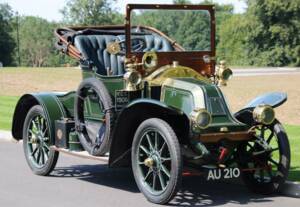
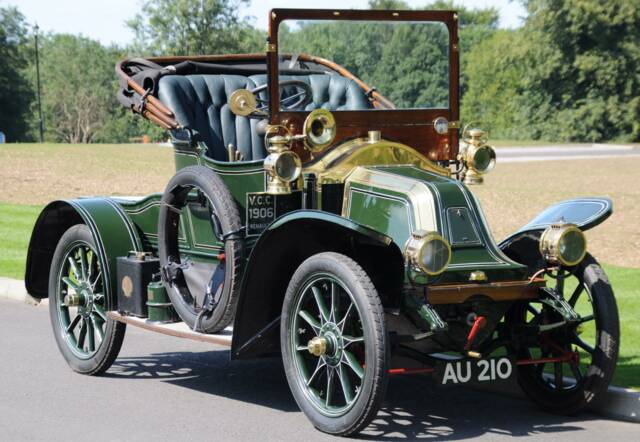

Renault Type AH Classic Cars: Prices & Market Values
Introduction and history of the Renault Type AH
The Renault Type AH was produced during the era when automobiles were gradually emerging from their experimental phase into more refined and functional means of transport. Renault, having established itself at the turn of the 20th century with a reputation for both technical innovation and reliable road manners, introduced the Type AH as part of their commitment to develop practical, roadworthy vehicles. At this time, motoring in France was marked by a spirit of invention, and the Type AH was often seen at motoring events and was a frequent subject in period motoring journals. Manufacturing standards were still being developed, and each car carried the signature Renault front-end with the distinctive bonnet and radiator positioning that set the brand apart in this period.
Model history
The Type AH is part of Renault's 'CV' series, which denoted the vehicle’s taxable horsepower—a classification used by French authorities. Within the Renault range, the Type AH would have evolved from earlier models such as the Type AG, known for taxi use, and laid the groundwork for later models bearing improved comfort and mechanical reliability. Its role in the Renault line-up was to offer a robust, adaptable platform, and successors to the Type AH carried forward lessons in chassis construction and engine refinement.
Highlights of the Renault Type AH
A defining feature of the Type AH is its engineering integrity for its time. The model utilised Renault’s characteristic front-engine, rear-wheel-drive layout, with a chassis that facilitated both utility and passenger applications. The long bonnet and upright stance reflected design priorities centred on practicality, accessibility, and ease of service. The Type AH quickly found favour among motorists for these reasons, and its mechanical simplicity contributed to its lasting historical appeal.
Technical data
Special Editions and Collectible Models
No specific special editions or limited-run variants of the Renault Type AH are documented. Each car was typically produced to order with bespoke specifications to suit the wishes or requirements of its first owner, meaning that every surviving example could feature its own set of custom details or configurations.
Engine and Performance, Transmission and Handling
The Renault Type AH’s performance reflected its era, delivering sedate yet steady driving characteristics. The transmission system, likely a non-synchromesh manual gearbox, favoured reliability over briskness, while the substantial steering wheel gave necessary leverage for slower steering ratios. Handling, by today’s standards, is agricultural, but the simplicity of the drivetrain and suspension grants durability. The car’s primary purpose was to offer trustworthy transportation rather than performance oriented driving. Within the 'CV' series, the Type AH represents the available model in our database, embodying the design philosophies of Renault’s early years.
Interior, Comfort, Exterior and design
Inside the Renault Type AH, occupants found basic yet functional layouts, often featuring leather or fabric upholstery and wooden trim, with instrumentation kept to a minimum. Exteriors were marked by upright, formal lines, prominent fenders, and a signature Renault grille design. Accessories were usually limited to client requests, such as detachable tops or lamps, making each surviving vehicle a unique piece. Renault’s custom coachbuilding approach meant customers could specify colours, body shapes, and optional extras to match their preferences—a true reflection of early motoring personalisation.
Summary
The Renault Type AH offers a fascinating window into the origins of French automotive craftsmanship. It stands out in supply and demand statistics, underscoring the singularity of this model among Renault’s early vehicles. Its engineering, tailored design, and historical significance make it a compelling subject for collectors, historians, and fans of pre-war motoring.