Renault Type DM Classic Cars for Sale
The Renault Type DM represents an important chapter in the development of early 20th-century motoring, embodying Renault’s engineering ambitions and setting a benchmark for reliability and design in its era. Discover a model that highlights the brand's innovation during the formative years of the automobile.
Search results
Currently, there are no matching listings for your search.
Create search alert
Let yourself be notified as soon as a listing is published that matches your search filters.
Create listing
Do you have a Renault Type DM that you want to sell? Then create a listing now.
Create listingRenault Type DM listing references from Classic Trader
Below you will find listings related to your search that are no longer available on Classic Trader. Use this information to gain insight into availability, value trends, and current pricing for a "Renault Type DM" to make a more informed purchasing decision.
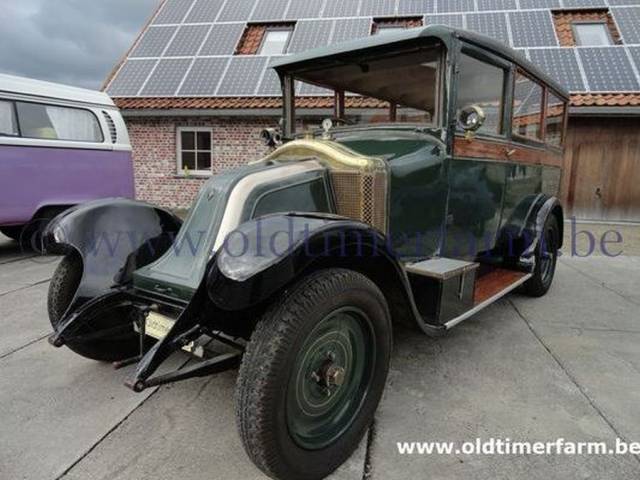
1913 | Renault Type DM
11 places
Create search alert
Let yourself be notified as soon as a listing is published that matches your search filters.
Create listing
Do you have a Renault Type DM that you want to sell? Then create a listing now.
Create listingRenault Type DM Classic Cars: Prices & Market Values
History of the Renault Type DM
Developed during the vibrant pre-war period of automotive advancement, the Renault Type DM was introduced as part of the French manufacturer's drive to expand its presence in the higher-end segment. Positioned above the more modest utility vehicles of the brand, the Type DM combined solid engineering with style, appealing to customers seeking both prestige and robustness. Its introduction saw Renault making significant strides in chassis and drivetrain design, catering to the burgeoning demand for refined, durable touring cars across Europe.
Model History of the Renault Type DM
The Renault Type DM took its place in the Renault line-up during the early 1920s. It followed in the footsteps of earlier models like the Renault Type AG, upgrading mechanical components and bodywork to suit clients expecting elevated comfort. The successors soon integrated more advanced engine technology and body structures, reflecting the rapid evolution of the industry in the interwar years. The Type DM marks one of the last of Renault’s models before a shift towards more streamlined and mass-market-oriented production.
Highlights of the Renault Type DM
The Type DM stands out for its substantial chassis, advanced for its time in terms of rigidity and ride comfort. The model was equipped with a substantial displacement engine, coupled with a layout that facilitated straightforward maintenance. Unusual for the period, the DM offered a range of custom coachbuilt bodies, giving buyers a degree of personalisation relatively uncommon in the 1920s.
Technical Data
Special Editions and Collectible Models
Renault Type DM offered various coachbuilt editions, which were custom-ordered from renowned French ateliers. These unique bodies—limousine, torpedo, and landaulet versions—were finished to the owner's specifications and are today considered particularly notable among historians and marque enthusiasts. However, there were no distinct factory-produced special editions as defined by modern standards.
Weak Spots and Common Issues
Maintaining a Renault Type DM requires expertise with early 20th-century automotive technology. Typical concerns for vehicles of this era include age-related wear on the mechanical brakes and wooden components in the coachwork. Lubrication points on the chassis and engine require frequent checks. Spare part sourcing—especially for bespoke coachwork elements—can be challenging and may necessitate custom fabrication.
Engine and Performance, Transmission and Handling
With a four-cylinder side-valve engine, the Type DM delivered modest but reliable performance. Power delivery was tuned for smooth, long-distance touring rather than outright speed. The gearbox, typically a three-speed unit, required skilled use due to the non-synchromesh design of the era. Handling was predictable for the period, aided by longitudinal leaf-spring suspension. While no longer quick by modern standards, the DM offered stable cruising and solid road behaviour on the routes it was intended for. The most sought-after versions today tend to be the elegant torpedo and closed saloon bodies, especially those retaining original coachbuilder details or patina.
Interior, Comfort, Exterior and Design
The Renault Type DM exemplified French luxury of the interwar period with its upright grille, sweeping fenders, and period-centric details such as brass and nickel trim. Interiors were crafted to the client's desires, with plush seating, fine stitchwork, and wood veneers in abundance. Some surviving cars still wear their original leather, mohair or rare fabrics. Accessories such as rear luggage racks, running boards, and distinctive radiator mascots often adorned the Type DM. Each example's visual impression depended as much on the coachbuilder as on Renault itself, resulting in a highly diverse group of surviving vehicles.
Other Relevant Features
Given the age and rarity of the Type DM, many examples have fascinating provenance, with histories often including use by prominent families or as formal state or diplomatic vehicles. Club support in France and Europe allows enthusiasts to exchange knowledge and source restoration support, connecting owners of these rare relics.
Summary
The Renault Type DM captures the spirit of an era when craftsmanship and innovation defined the automobile. Today, it remains a cornerstone in Renault’s heritage, appealing to connoisseurs dedicated to preserving automotive milestones from the dawn of motoring.