- Automobile
- Renault
- Renault Type CC (0 offerte)
Renault Type CC classic cars for sale
The Renault Type CC stands out as a captivating example of early 20th-century French automotive design. This historical model presents both collectors and enthusiasts with a unique insight into Renault’s engineering approach and design language of its era. Built during a time of exceptional innovation, the Type CC’s rarity and authenticity make it an intriguing choice for those seeking a distinctive piece of motoring heritage.
Risultati della ricerca
Attualmente non ci sono annunci corrispondenti alla tua ricerca.
Create search alert
Let yourself be notified as soon as a listing is published that matches your search filters.
Create listing
Do you have a Renault Type CC that you want to sell? Then create a listing now.
Create listingRenault Type CC listing references from Classic Trader
Below you will find listings related to your search that are no longer available on Classic Trader. Use this information to gain insight into availability, value trends, and current pricing for a "Renault Type CC" to make a more informed purchasing decision.
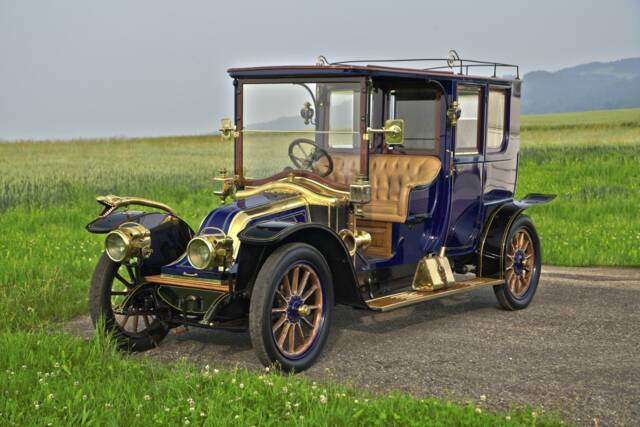
1911 | Renault 3 1/2 Litre Tourer
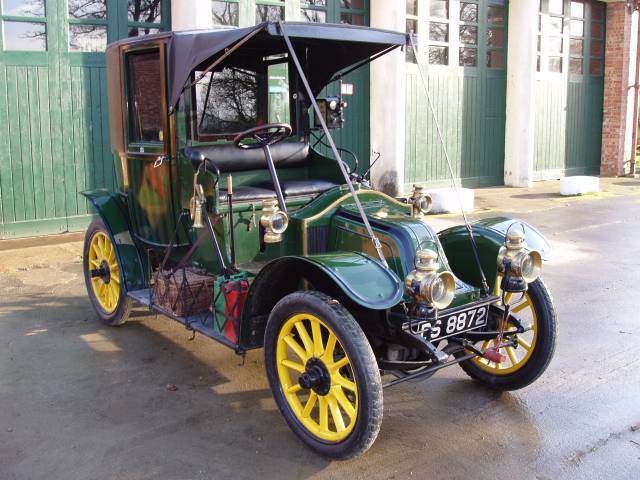
1912 | Renault 3 1/2 Litre Tourer
AG1 taxi
Create search alert
Let yourself be notified as soon as a listing is published that matches your search filters.
Create listing
Do you have a Renault Type CC that you want to sell? Then create a listing now.
Create listingRenault Type CC Classic Cars: Prices & Market Values
History of the Renault Type CC
The Renault Type CC emerged from the period when the French manufacturer was defining its identity on both the road and racetrack. Produced during the early 1910s, this model encapsulates the technical spirit and social ambition of pre-war France. Louis Renault’s company was rapidly evolving, and the Type CC contributed to the growing presence of Renault vehicles in European cities. Built at a time when the automobile was a symbol of progress and individuality, the Type CC served private owners and sometimes official uses, reflecting both status and innovation.
Model History and Evolution
The Type CC fits within Renault’s family of lettered models that dominated its pre-WWI portfolio. Preceded by the even earlier Types CB and CD, the CC featured subtle improvements in chassis strength, engine refinement, and comfort. Successor models would see more significant mechanical changes and the eventual move to numeric model designations, but the Type CC stands as a marker in Renault’s transition from carriage-influenced vehicles to more mature, self-contained car designs. Its place in the chronology is secured as one of the last of Renault’s true 'brass era' models.
Highlights and Market Insights
Owning a Renault Type CC guarantees a direct link to motoring’s earliest decades. Features such as period-correct controls, robust construction and coachbuilt bodywork define the character of this model. The surviving examples often retain their original patina, adding to their presence in concours d’élégance and historic events.
Technical Data of the Renault Type CC
Special Editions and Collectible Variants
Due to the custom nature of early 20th-century coachbuilding, Renault Type CC models may appear in unique configurations ordered by individual clients or regional dealerships. However, there are no officially acknowledged factory special editions for the Type CC; any distinctiveness in surviving examples comes from their coachwork, provenance or restoration history.
Engine Performance, Transmission and Handling
Engineered during a period before mass standardisation, the Type CC delivers its power through a side-valve four-cylinder engine, coupled to a manual gearbox typically featuring three forward speeds. While outright speed is modest by modern standards, the Type CC delivers its performance with charm, encouraging a measured and direct approach to driving. The car’s handling benefits from its long wheelbase and substantial tyres, providing a smooth but leisurely ride. Braking, based on mechanical drum systems, requires anticipation and mechanical sympathy, making every journey a hands-on experience. Due to the scarcity of remaining vehicles, every known Type CC is notable in its own right. Technical data for individual cars must be confirmed against chassis documents, as production records from this era can be incomplete.
Interior, Comfort, Exterior and Design Features
The Renault Type CC demonstrates classic French coachbuilding with a focus on elegant, upright lines and detailed brass fittings. Interiors were typically trimmed in leather, with wood accents echoing the luxury carriage tradition. Dashboard and controls maintain period authenticity, featuring exposed linkages and large, tactile instruments. The exterior often glistens with nickel or brass detail, pronounced running boards, and an upright radiator at the front. Accessories such as acetylene lamps, domed wheel caps, and folding windscreens were in vogue. Paint schemes tended toward deep greens, burgundies, and black, sometimes complemented by subtle pinstriping or contrasting coachlines.
Other Noteworthy Information
Owners and restorers often source rare, specialist parts from dedicated veteran Renault circles. The vehicle’s event eligibility is a highlight, as Type CCs are celebrated at classic car rallies and centennial re-enactments. Documentation of provenance and period photographs adds considerable value and interest.
Summary
The Renault Type CC stands as a living time capsule of early automotive development, encapsulating Renault's engineering and design priorities in the years leading up to the First World War. Its singular presence in the market, period-specific details, and exclusive status make it a compelling opportunity for those passionate about the roots of motoring history.