Renault R 10 classic cars for sale
The Renault R 10 is a four-door mid-size saloon distinguished by its extended dimensions and subtle luxury upgrades over the Renault 8. Produced from 1965 to 1971, and in Spain until 1976, the R 10 is appreciated by enthusiasts for its ease of maintenance, reliability, and preserved originality.
Search results
Currently, there are no matching listings for your search.
Create search alert
Let yourself be notified as soon as a listing is published that matches your search filters.
Create listing
Do you have a Renault R 10 that you want to sell? Then create a listing now.
Create listingRenault R 10 listing references from Classic Trader
Below you will find listings related to your search that are no longer available on Classic Trader. Use this information to gain insight into availability, value trends, and current pricing for a "Renault R 10" to make a more informed purchasing decision.
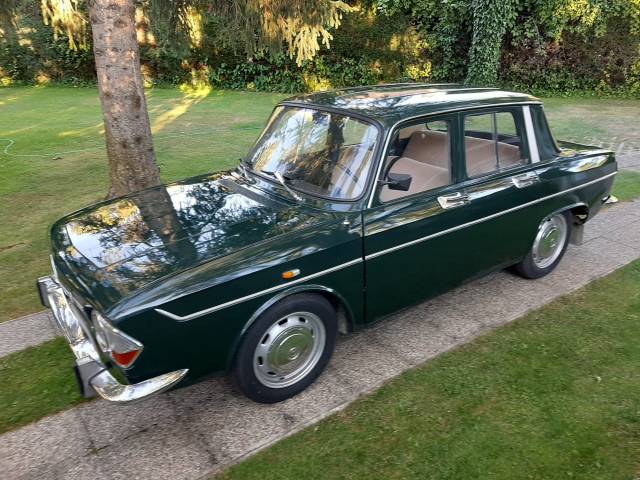
1967 | Renault R 10 1100
Made in Spain by FASA Renault. Never restored, no rust.
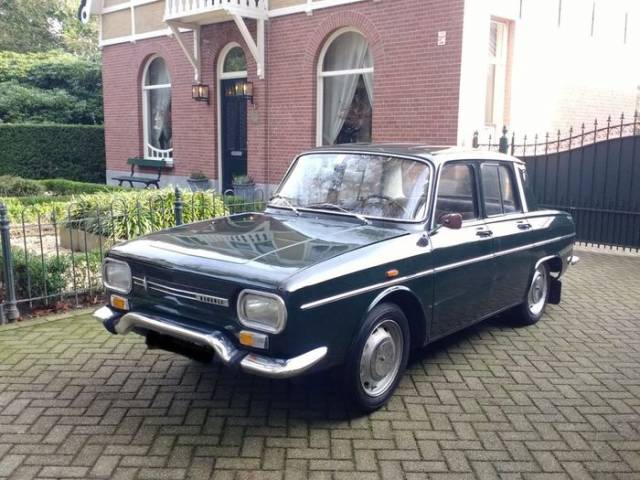
1967 | Renault R 10 1100
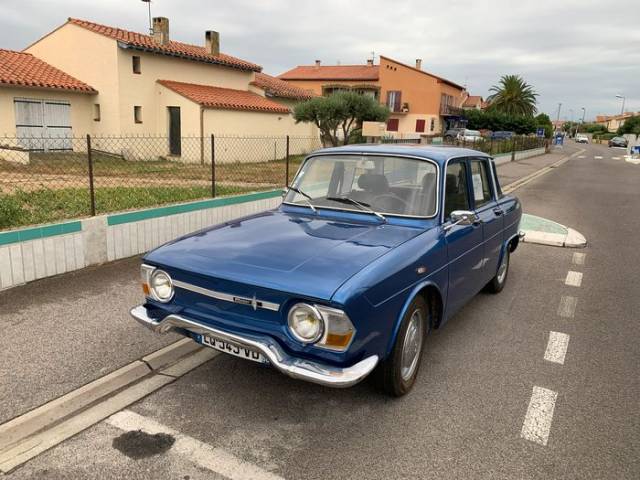
1966 | Renault R 10 Major
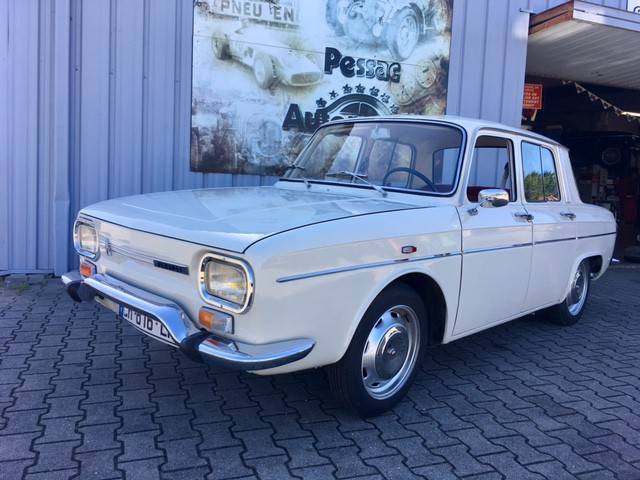
1969 | Renault R 10 Major
SUPERBE ETAT ENTIEREMENT D'ORIGINE
Create search alert
Let yourself be notified as soon as a listing is published that matches your search filters.
Create listing
Do you have a Renault R 10 that you want to sell? Then create a listing now.
Create listingRenault R 10 Classic Cars: Prices & Market Values
History of the Renault R 10
The Renault R 10, launched in September 1965, took the technical base of the Renault 8 and refined it to create a more spacious and comfortable mid-size saloon. Compared to its predecessor, the R 10’s body was stretched: 12 cm longer at the front, 7 cm longer at the rear, and 4 cm wider overall, resulting in a roomier boot and slightly more interior space. Manufactured in two generations (Phase 1 and Phase 2), the R 10 line improved on comfort and design while sharing mechanical fundamentals with the Renault 8. All R 10s offered disc brakes all round and independent suspension. The Spanish plant FASA-Renault continued production for the domestic and Mexican markets until 1976, extending the model’s presence beyond its official end in France.
Model history
The Renault R 10 was built between 1965 and 1971, stemming directly from the technology and platform of the Renault 8. Phase 1 (1965–1967) featured the first R 10s with a 1.1-litre four-cylinder delivering 34 kW (46 hp), paired with a 4-speed manual gearbox. In 1967, Phase 2 brought a facelift to the front and rear, plus improvements such as rubber inserts in the bumpers and a revised dashboard. By 1969, a 1.3-litre engine developing 38 kW (52 hp) and a stronger gearbox were available, with a top speed of 140 km/h. The R 10 Automatic, using the Jäger electromagnetic clutch, rounded off the range. After 1971, the R 10 continued in Spanish production until 1976.
Highlights of the Renault R 10
The Renault R 10 stood out in its segment with several technical and aesthetic features: full disc brakes (unusual in this category at the time), independent suspension on all four wheels, and a distinctive design with a flat, wide bonnet and slender chrome bumpers. The Phase 2 updates added modern rubber-trimmed bumpers and dashboard revisions. Many cars remain highly original, right down to seat upholstery and roof lining, preserving their period charm. Original documentation, detailed photographic records, and technical reports such as TÜV and ITV are frequently available for potential buyers.
Technical Data
Special Editions and Collectible Models
While there were no officially designated special editions of the Renault R 10, Phase 2 vehicles (produced after 1967) included recognisable updates such as new bumper guards, dashboard improvements, and, from 1969, a more powerful 1.3-litre engine. The Spanish-built models by FASA-Renault, continuing until 1976, can be considered notable for collectors due to their regional significance and extended production.
Weak Spots and Common Issues
The Renault R 10 is generally regarded as maintenance-friendly and reliable if well looked after. Many examples today have undergone engine and mechanical overhauls, such as replacement of pistons and liners when necessary. Documentation and technical reports are often thorough. As with any vehicle of this period, mechanical integrity and potential body corrosion should be checked, especially in chassis and suspension mounting points.
Engine, Performance, Transmission and Handling
The R 10 was designed for everyday usability with contemporary comfort: the 1.1-litre engine delivered 46 hp in earlier models, allowing top speeds of 132 km/h, while the 1.3-litre (from 1969) provided 52 hp and up to 140 km/h. The rear-engine layout and disc brakes on all four corners gave the R 10 stable road manners and good stopping power for its class. The introduction of the Jäger semi-automatic transmission in 1967 provided easier driving for city dwellers and those preferring not to use a manual clutch. - Renault R 10 Phase I: 1.1-litre, 46 hp, manual gearbox, full disc brakes
- Renault R 10 Phase II: 1.3-litre, 52 hp, improved gearbox, dashboard and bumper updates
Interior, Comfort, Exterior and Design
The Renault R 10 is marked by its elongated, slender silhouette, standing apart from the Renault 8 thanks to its lengthened bodywork and cleaner lines. Key design elements include a flat, wide front bonnet and slim chrome bumpers, later with rubber guards. The interior typically remains true to original specification, including period-correct seat upholstery, headliner, and dashboard. The saloon layout offers generous loading space and caters to practical family use. Special accessories and trim variations exist depending on market, especially in later Spanish production.
Other relevant features
Vehicles offered often include options for European transportation, with detailed pre-purchase media (photos, videos) and on-site viewings (for example, in the Netherlands). Complete histories, technical documentation, and proof of maintenance are typical for available examples, with immediate usability possible if the car has been well maintained.
Summary
The Renault R 10 combines functional design, robust mechanics, and a comfort-oriented approach to mid-size motoring of the 1960s and early 1970s. With its disc brakes, independent suspension, and distinctive style, the R 10 remains a practical and relatively accessible entry into classic French saloon ownership, especially for enthusiasts seeking originality, maintenance ease, and complete documentation.