Renault OS classic cars for sale
The Renault OS series represents a pivotal chapter in Renault's history, especially within the commercial sector of the early 1930s. Known for its modular chassis and introduction of diesel engines, the OS series set new technical benchmarks before giving way to Renault's next generation of utility vehicles.
Résultats de la recherche
À l'heure actuelle, il n'y a pas d'annonces correspondant à votre recherche.
Create search alert
Let yourself be notified as soon as a listing is published that matches your search filters.
Create listing
Do you have a Renault OS that you want to sell? Then create a listing now.
Create listingRenault OS listing references from Classic Trader
Below you will find listings related to your search that are no longer available on Classic Trader. Use this information to gain insight into availability, value trends, and current pricing for a "Renault OS" to make a more informed purchasing decision.
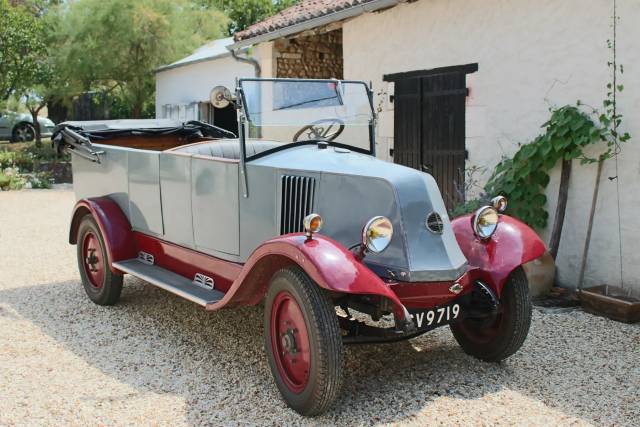
1926 | Renault OS Charabanc
Beautiful Condition - Ideal For A Pre-war
Create search alert
Let yourself be notified as soon as a listing is published that matches your search filters.
Create listing
Do you have a Renault OS that you want to sell? Then create a listing now.
Create listingRenault OS Classic Cars: Prices & Market Values
History of the Renault OS series
In the early 1930s, Renault introduced the OS series to serve a rapidly modernising commercial vehicle market. These modular chassis trucks, buses, and coaches marked Renault’s first foray into diesel-powered engines, departing from their previous design traditions. This innovation provided increased efficiency and durability suited for intensive commercial use. The OS series quickly gained traction, becoming a common sight in cities and trade routes alike. The lineage of the OS was eventually followed by the updated ACx and ADx light series, as well as the ZP coach range from 1935 onwards, marking the end of the OS era but cementing its impact on commercial vehicle engineering.
Model History of the Renault OS
The Renault OS series emerged during a period of significant engineering progress for the marque. Its predecessors were less versatile and dependent on older petrol engines and redundant design motifs. The OS not only introduced modularity but also accommodated the new wave of diesel technology. This series acted as a bridge between the earlier Renault commercial chassis and the later, more specialised lines such as the ACx, ADx, and ZP, which offered further advancements in payload, comfort, and design.
Highlights of the Renault OS series
What distinguishes the Renault OS series is its early use of modular chassis and the pioneering introduction of diesel engines for Renault. This design enabled greater flexibility for customers, offering configurations for trucks, buses, and coaches tailored to various professional demands. The OS line is also notable for departing from previous Renault stylistic choices, aiming instead for utilitarian practicality.
Technical Data
Special Editions and Collectible Models
There is no record of specific special or limited editions within the Renault OS commercial series; rather, their collectability is rooted in their historical importance as Renault's first diesel and modular platform.
Engine and Performance, Transmission and Handling
The Renault OS range offered improved efficiency and reliability owing to its diesel powertrains, which were rare for the period and market segment. Handling was competitive for the era, especially considering the modular nature of the chassis, which could be tuned for various uses. These vehicles were known for their sturdy construction and competence under heavy loads or continuous urban use. The OS 6 CV stands out as the sole variant recorded in supply and demand statistics, making it the reference point for the model series' technical and historic footprint.
Interior, Comfort, Exterior and Design
The functional approach of the OS series reflected Renault's industrial design ethos of the 1930s. The focus was on practicality – robust chassis, accessible configurations for various commercial bodies, and a clear shift away from ornate styling in favour of straightforward utility. The interior and accessories were tailored to fleet and commercial needs, prioritising durability and ease of maintenance over luxury. Colour options and trim levels were typically dictated by the intended use and customer specifications rather than stylistic trends.
Other Features
The Renault OS series' historical value lies in its role as a technological forerunner for subsequent Renault commercial vehicles, setting a template for adaptability and fuel-efficient engineering that influenced utility and transport designs for years to come.
Summary
The Renault OS model series captures a transformative phase in Renault’s commercial vehicle production. Pioneering the use of diesel engines and modular chassis, it set new standards for utility vehicles of the early 1930s. While no longer in production, its robust engineering and practical design continue to fascinate collectors and classic commercial vehicle enthusiasts alike.