Renault Monaquatre classic car for sale
The Renault Monaquatre was produced from 1931 to 1936 as a compact family car with rear-wheel drive, distinct for its adaptable four-cylinder water-cooled engine, range of diverse body styles, and aerodynamic updates throughout its production. Discover detailed history, technical insights, and collector appeal of this pre-war French classic.
Search results
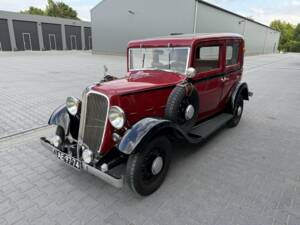
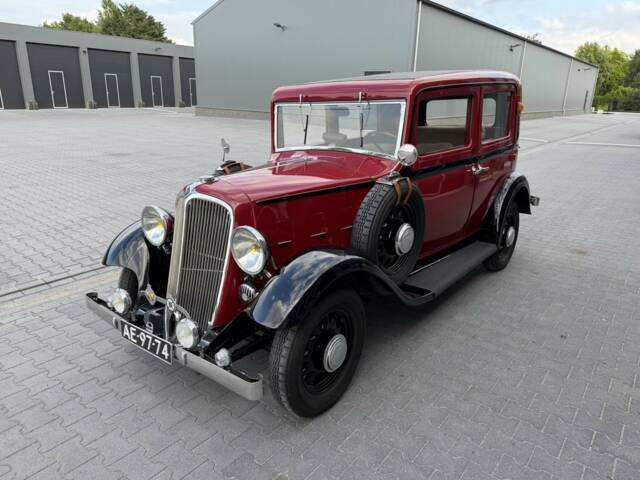
1934 | Renault Monaquatre
Renault Monaquatre | 1934 | Route 66 Auctions - For sale by auction. Estimate 21000 EUR

Renault Monaquatre listing references from Classic Trader
Below you will find listings related to your search that are no longer available on Classic Trader. Use this information to gain insight into availability, value trends, and current pricing for a "Renault Monaquatre" to make a more informed purchasing decision.
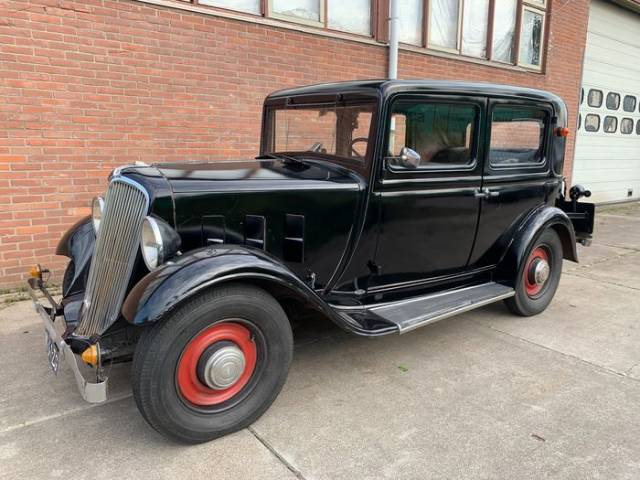
1934 | Renault Monaquatre
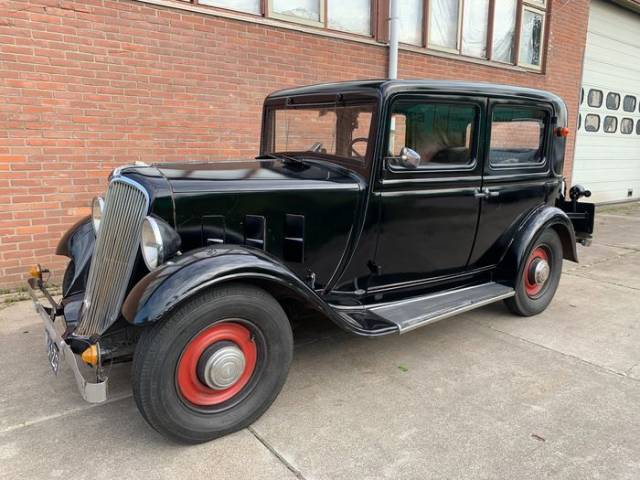
1934 | Renault Monaquatre
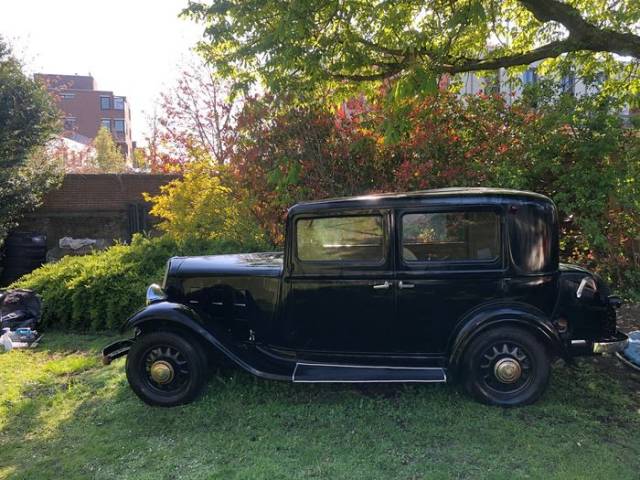
1934 | Renault Monaquatre
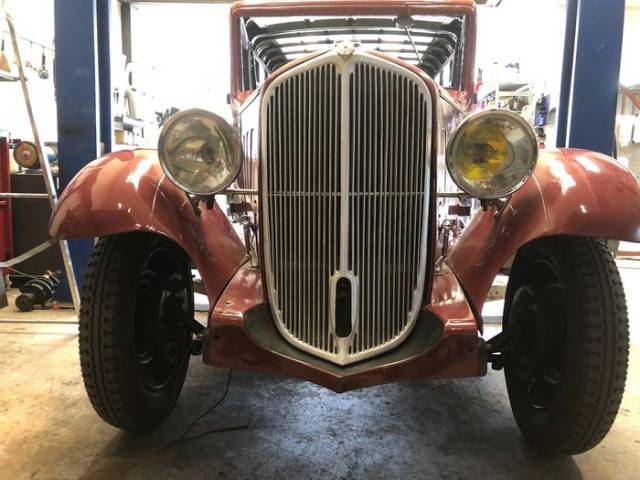
1934 | Renault Monaquatre
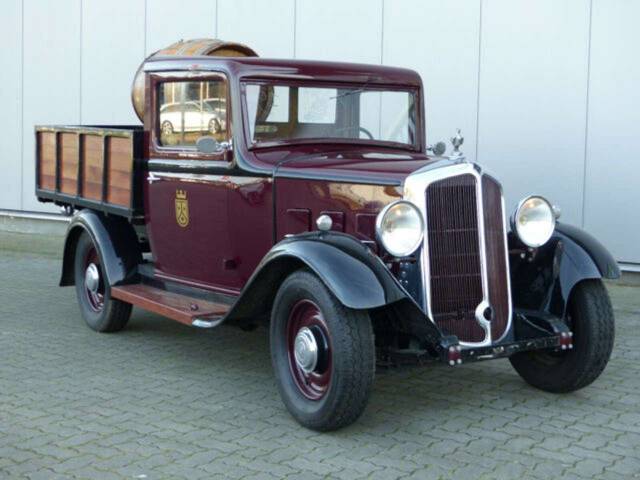
1935 | Renault Monaquatre
Renault Monaquatre

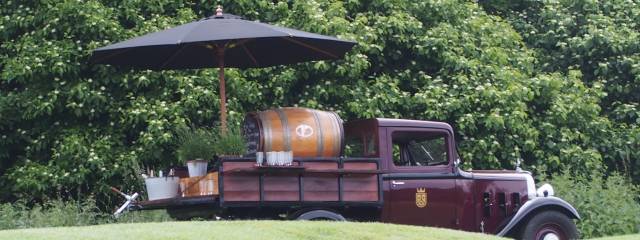
1934 | Renault Monaquatre
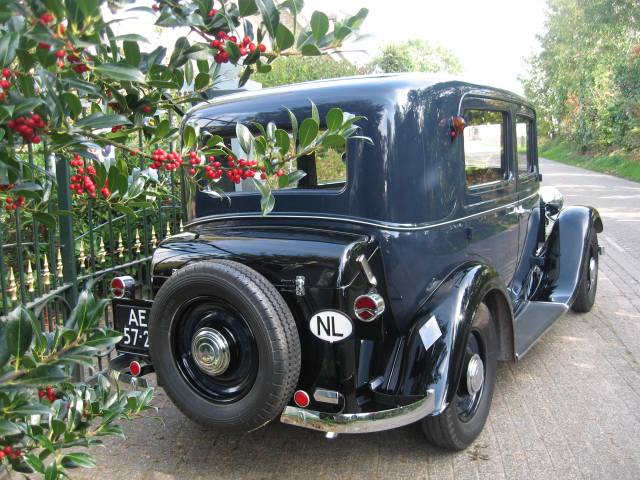
1933 | Renault Monaquatre
Een super en in goede conditie zijnde Monaquatre
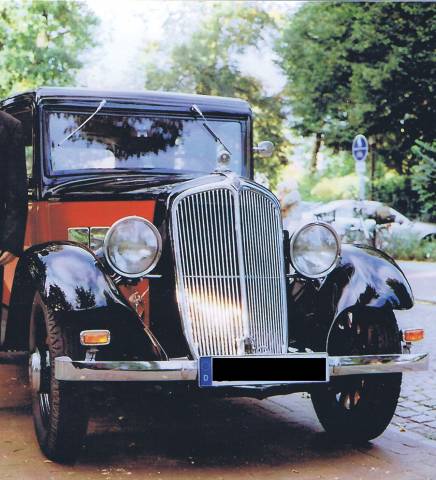
1933 | Renault Monaquatre
Liebhaberstück zu verkaufen
Renault Monaquatre Classic Cars: Prices & Market Values
Introduction and history of Renault Monaquatre
The Renault Monaquatre entered production in 1931, developed as the successor to the Renault Monasix. A representative of the lower middle class of its era, the Monaquatre targeted families seeking robust, reliable mobility in the early 1930s. Renault introduced the Type UY (later UY1) with a 1.3-litre, four-cylinder engine featuring water cooling and a rear-wheel-drive layout. Until its discontinuation in 1936, the Monaquatre underwent several revisions—including larger engines, updated chassis, and advanced design elements—reflecting the rapid evolution of automotive engineering before the Second World War. Renault's strategy of offering multiple body types and outfittings enabled the Monaquatre to cater to a wide demographic, from business limousines to cabriolets, highlighting the marque's emphasis on versatility during the interwar period.
Model history
The Monaquatre’s roots can be traced to its predecessor, the Renault Monasix. After its debut in autumn 1931 with the Type UY, the Monaquatre line expanded quickly. The 1932 introduction of the YN1, featuring a larger 1.46-litre engine, delivered increased power and performance. The following year, the YN2 arrived with a newly styled bonnet, marking a step towards improved aerodynamics. Each development brought with it not only technical enhancements but also new body variations—including up to seven body forms by mid-decade. Throughout its run, the Monaquatre maintained similarities to the Primaquatre in chassis dimensions. In 1935/36, the Monaquatre gave way to the Renault Celtaquatre, marking the end of its evolution.
Highlights of the Renault Monaquatre
Distinct from many contemporaries, the Monaquatre offered a wide choice of body styles, including two- and four-door saloons, business limousines, cabriolets, and even a commercial torpedo and van. Technically, it embraced developments such as a shift from slotted to louvered bonnet ventilation, a transition to more streamlined grilles, and engine performance enhancements—rising from 25 hp to 34 hp over its production span. The Monaquatre also mirrored the Primaquatre in many design cues, while offering bespoke luxury options like the 'Grand Luxe' trim.
Technical data
Special Editions and Collectible Models
Throughout its production, the Monaquatre was available in numerous configurations and trim lines. Noteworthy, the 'Grand Luxe' version offered superior appointments and finishes. Among the rarer variants, the two-seat cabriolet and certain commercial versions stand out for collectors, due to their low production numbers and distinctive character.
Engine and Performance, Transmission and Handling
With its water-cooled inline four-cylinder engine and rear-wheel drive, the Monaquatre delivered adequate power for its class, increasing from 25 hp at launch to up to 34 hp by the mid-1930s. The enlarged 1.46-litre block in later models improved both torque and cruising capability, making the Monaquatre more adaptable for longer journeys. The conventional transmission and robust chassis contributed to its durability, though driving dynamics remained typical for pre-war saloons—predictable, if not agile. The UY1 variant, with its larger engine and refined features, is especially sought by enthusiasts seeking a blend of usability and historical authenticity.
Interior, Comfort, Exeterior and design
The Monaquatre was available in multiple body styles, including four-door sedans with four or six side windows, limousines, and cabriolets. Interior finishes varied—from austere business trims to the more lavish 'Grand Luxe' edition, which included enhanced upholstery and additional chromed elements. Aerodynamic improvements arrived mid-decade, with slanted grilles and redesigned bonnets. Customers could opt for different special equipment, materials, and colours, depending on model year and market. Design elements like returning bonnet slots and extended body length in later models signified Renault’s response to contemporary trends. Accessories ranged from commercial boxes for utility use to convertible features for leisure drivers.
Summary
The Renault Monaquatre embodies the rapid progression of automotive design and engineering during the 1930s, offering a varied range of body styles, notable mechanical advances, and adaptable options that served diverse customer needs. Today, it represents a distinctive chapter in Renault’s history, its appeal underscored by continued buyer interest—particularly for the rarer, more advanced UY1 variant.