Opel Insignia classic cars for sale
The Opel Insignia, produced from 2008 to 2022, stands as Opelʼs flagship model during the period. Offered as a saloon, liftback, and estate, it replaced both the Vectra and Signum in one unified model series. Discover more about the history, technical data, and highlights of all Insignia generations below.
Search results
Currently, there are no matching listings for your search.
Create search alert
Let yourself be notified as soon as a listing is published that matches your search filters.
Create listing
Do you have a Opel Insignia that you want to sell? Then create a listing now.
Create listingOpel Insignia listing references from Classic Trader
Below you will find listings related to your search that are no longer available on Classic Trader. Use this information to gain insight into availability, value trends, and current pricing for a "Opel Insignia" to make a more informed purchasing decision.
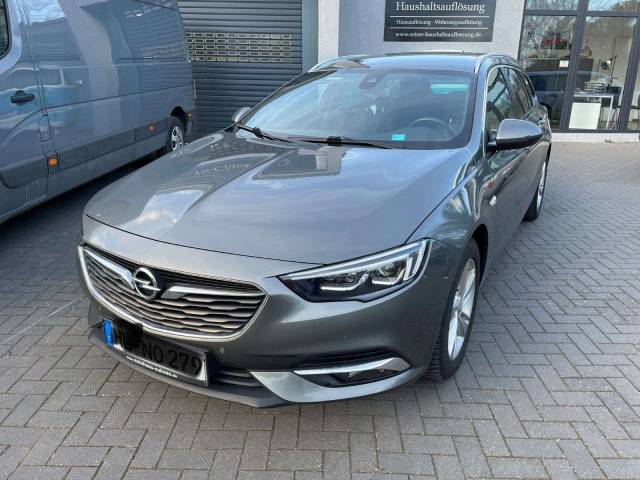
2018 | Opel Insignia 2.0 Turbo D Sports Tourer
Opel Insignia B Sports Tourer INNOVATION Navi Kamera
Create search alert
Let yourself be notified as soon as a listing is published that matches your search filters.
Create listing
Do you have a Opel Insignia that you want to sell? Then create a listing now.
Create listingOpel Insignia Classic Cars: Prices & Market Values
History of the Opel Insignia
The Opel Insignia was introduced in 2008 as a large family car, marking Opel’s return to the upper mid-size segment. Built to succeed both the Signum and Vectra, the Insignia consolidated these nameplates under one flagship. Its name originates from a 2003 concept study. Over its production run until 2022, the Insignia embodied Opel’s focus on comfort, safety, and advanced engineering, reflecting the changing demands of drivers in Europe. Available in saloon, liftback, and estate configurations, it offered flexibility and a modern alternative to its predecessors.
Model History of the Opel Insignia
The model history of the Opel Insignia comprises two generations. The first generation, known as Insignia A, set the foundation by replacing the Signum and Vectra in 2008 and was offered in three body styles. In 2017, the Insignia B continued the series with refreshed design and updated technology. Production of both generations covered 14 years until 2022, positioning the Insignia as Opel’s mainstay in the D-segment until its successor.
Highlights of the Opel Insignia
The Opel Insignia is recognised for unifying the Vectra and Signum into a single flagship, offering a broad range of body styles and innovative comfort features. Generational updates brought advanced safety systems and improved driving dynamics, making it popular among enthusiasts seeking a modern European classic with practicalities.
Technical Data
Special Editions and Collectible Models
Throughout its lifespan, the Insignia was occasionally released in limited edition trims featuring unique interior and exterior equipment packages, but no official manufacturer-recognised collector’s editions are common in the line-up.
Weak Spots and Common Issues
There are no specific weak spots or recurring issues provided for the Opel Insignia in the available data.
Engine and Performance, Transmission and Handling
The Insignia range offers a selection of efficient petrol and diesel engines, balanced chassis setup, and, in later models, sophisticated driving assistance systems. Thanks to the inclusion of both front-wheel and optional all-wheel drive, the handling can be tailored for comfort or dynamic driving, particularly in estate versions favored for long-distance travel. Among enthusiasts browsing classic Opel cars, the Insignia A is notably the more sought-after series, representing 75.8% of demand—likely due to its role as the debut generation uniting Opel’s flagship lineage.
Interior, Comfort, Exterior and Design
The Insignia was developed with a focus on European design sensibility—clean lines, subtle chrome accents, and an ergonomically optimised interior. Estate versions offer expanded cargo capacity, making them practical yet visually appealing. Equipment levels varied widely, with higher trims featuring premium upholstery, infotainment upgrades, and enhanced comfort features preferred by drivers in the segment.
Other relevant features
The Insignia’s broad model range and specification choices allowed buyers to customise their vehicles to a high degree, contributing to its ongoing desirability on the classic market.
Summary
Opel’s Insignia was a significant leap for the brand, serving as the flagship from 2008 to 2022 across two generations. Its success at uniting two prior models, versatile range of body styles, and strong demand for earlier series make it a valuable entry in the classic car lists—especially for buyers seeking both practicality and contemporary design cues in a modern classic.