Mini Monza classic cars for sale
The Mini Monza stands out as a limited edition developed exclusively for the German market in 1998–1999, based on the final classic Mini, the Mk VII. With just 250–500 units produced in striking Tahiti Blue Metallic, it features a 1.3-litre injection engine, distinctive Sportpack details, and a luxurious wood and leather interior, making it a unique highlight among the last Minis ever built.
Search results
Currently, there are no matching listings for your search.
Create search alert
Let yourself be notified as soon as a listing is published that matches your search filters.
Create listing
Do you have a Mini Monza that you want to sell? Then create a listing now.
Create listingMini Monza listing references from Classic Trader
Below you will find listings related to your search that are no longer available on Classic Trader. Use this information to gain insight into availability, value trends, and current pricing for a "Mini Monza" to make a more informed purchasing decision.
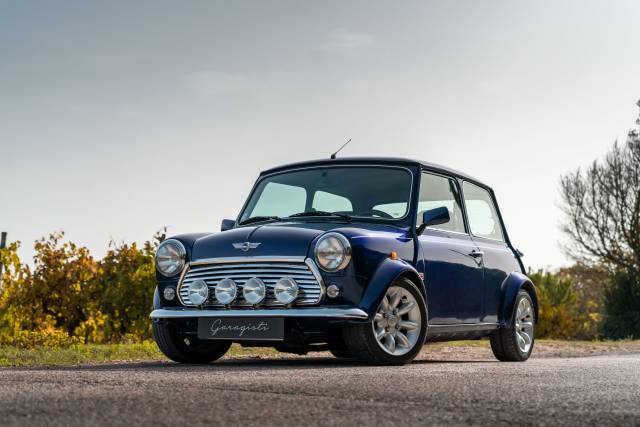
1998 | Mini Monza
Cooper 1.3 MPi
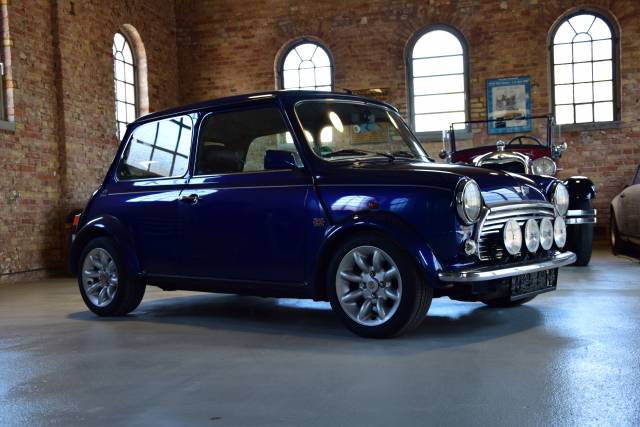
1998 | Mini Monza
Mini Cooper 1300 Monza
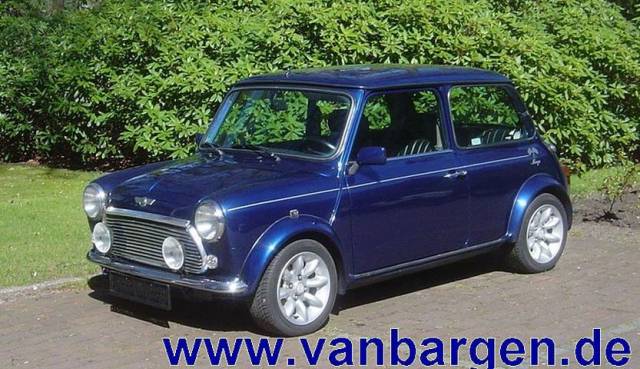
1998 | Mini Monza
MK 7 Last Serie
Create search alert
Let yourself be notified as soon as a listing is published that matches your search filters.
Create listing
Do you have a Mini Monza that you want to sell? Then create a listing now.
Create listingMini Monza Classic Cars: Prices & Market Values
Introduction and History of the Mini Monza
The Mini Monza is a rare special edition conceived for Germany and produced between 1998 and 1999. Developed from the seventh and final generation of the classic Mini, the Mk VII, the Monza embodies nearly 40 years of technical evolution and heritage, tracing its lineage back to the original 1959 Mini by BMC. In the late 1990s, with production of the classic Mini nearing its end, the Monza was introduced as an exclusive farewell to German Mini enthusiasts. Only between 250 and 500 units of the Mini Monza were built, each finely customised to mark the end of an era. Distinguished by its 'Tahiti Blue Metallic' paintwork and motorsport-inspired details, the Monza is a nod to both the brand’s racing legacy and its flair for stylish limited editions.
Model History
The Monza follows a lineage that began in 1959 with the original Mini, designed as an affordable, innovative city car. Through seven generations, the Mini continually adapted to changing markets and regulations, spawning performance versions like the Cooper and Cooper S, and a series of special editions targeted at regional markets. The Mk VII, introduced in 1996, retained the classic shape but featured technical updates such as fuel injection and improved emissions performance. The Mini Monza took the Mk VII as a base and added exclusive features tailored for German buyers. Predecessors include renowned versions like the Mini Mayfair and Mini Racing, while successors would emerge only in spirit as the brand transitioned in 2000 to BMW’s new MINI platform.
Highlights and Unique Features
The Mini Monza’s distinguishing marks include its exclusive Tahiti Blue Metallic colour (BLVC65), complete with Monza flag graphic decals and Union Jack emblems beneath the mirrors. It features wide Sportpack wheel arches, 13-inch Sportpack alloy wheels, chrome-finished exhaust, and a signature 'Monza' chrome fuel cap. The cabin offers black leather seats, walnut root veneer dashboard and door trims, and a wood-rimmed steering wheel. The Monza’s limited production—between 250 and 500 cars—makes it one of the rarest final Mini editions, combining classic British engineering with regional flair for German enthusiasts.
Technical Data
Special Editions and Collectible Models
The Monza itself is a dedicated limited edition designed specifically for the German market, joining other rare Minis such as the Mayfair, Racing, and Rio. Each Monza carries unique identifiers: Tahiti Blue paint, checker flag-styled decals, and individually numbered examples (where documented), reflecting a focus on exclusivity towards the end of classic Mini production.
Engine, Performance, Transmission and Handling
The Mini Monza shares the lively, agile character classic Mini enthusiasts admire. Its 63 hp injected 1.3-litre engine, paired with a 4-speed manual gearbox, yields brisk acceleration for its weight. The car achieves 0–80 km/h in 7.8 seconds and a top speed of 148 km/h. Sportpack wheels and wide arch extensions add improved road stance and stability. Standard spotlamps, fog lamps, and chrome exhaust enhance safety and appearance. The Mini’s chassis remains true to its racing roots, with quick steering and a playful, responsive feel. - Mini Cooper 1.3 MPi Monza (1998): 1,275 cm³, 63 hp, injected, limited to 250–500 units, only in Tahiti Blue with Sportpack equipment
Interior, Comfort, Exterior and Design
Designer John Cooper’s legacy is apparent in the Monza’s combination of compact proportions, energetic stance, and subtle motorsport references. Exclusive to the Monza are the Tahiti Blue metallic body, broad Sportpack wheel arches, union flag badges, and chequered-flag Monza graphics. The interior features black leather seats, walnut root veneer dashboard, and door trims, along with a wood and leather steering wheel, merging comfort with a distinctive aesthetic. Accessories like twin spotlamps, rear fog lights, and chrome tank cap add functional appeal and collectability.
Summary
The Mini Monza stands as a rare and highly specified send-off for the classic Mini, uniting performance, unique visual touches, and build quality aimed at the German market. Limited numbers, a crisp injected engine, and exclusive luxury interior appointments mark it as a highlight of late 20th-century British automotive culture. The Monza’s presence among classic car listings is not only a reflection of its rarity but also of its lasting appeal for dedicated enthusiasts seeking a last-of-the-line genuine Mini with distinctive collectable attributes.