Lomax Type 223 classic cars for sale
The Lomax Type 223 stands as a quintessential kit car, merging lightweight construction from the Citroën 2CV with British-inspired roadster aesthetics. Its rare three-wheel configuration and low production numbers ensure unmistakable character and driving involvement.
Search results

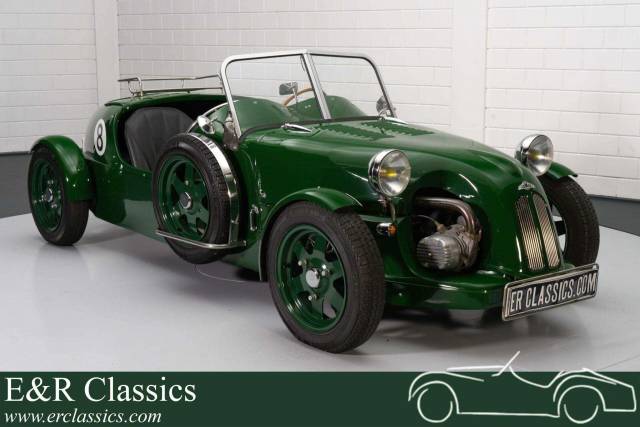
1981 | Lomax Type 223
Citroen Lomax Cabriolet

Lomax Type 223 listing references from Classic Trader
Below you will find listings related to your search that are no longer available on Classic Trader. Use this information to gain insight into availability, value trends, and current pricing for a "Lomax Type 223" to make a more informed purchasing decision.
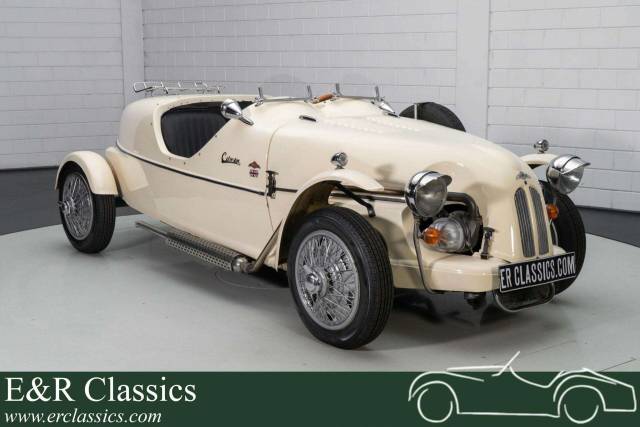
1954 | Lomax Type 223
Citroen Lomax Cabriolet
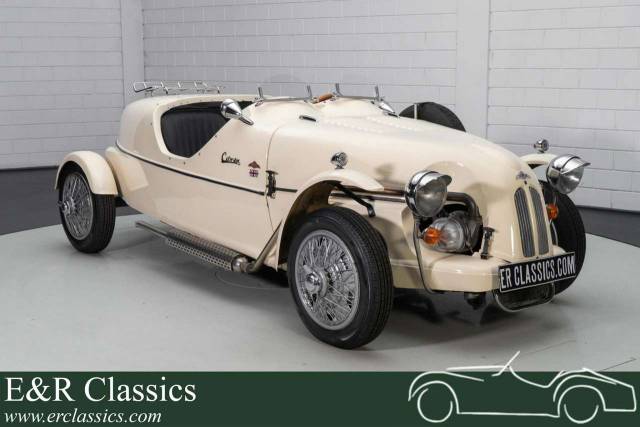
1954 | Lomax Type 223
Citroen Lomax Cabriolet
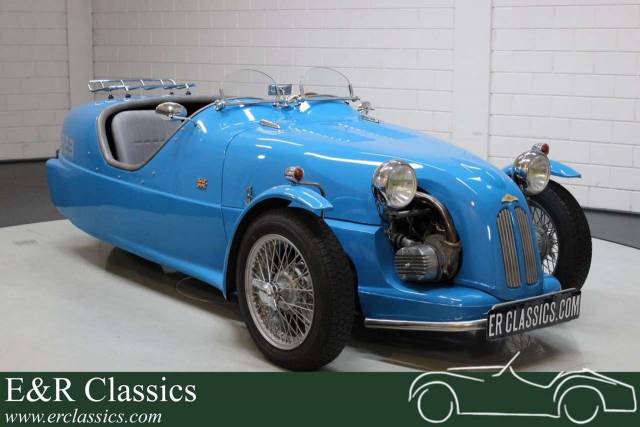
1967 | Lomax Type 223
Citroen Lomax 223 | Zeldzame Lambda uitvoering | 1967
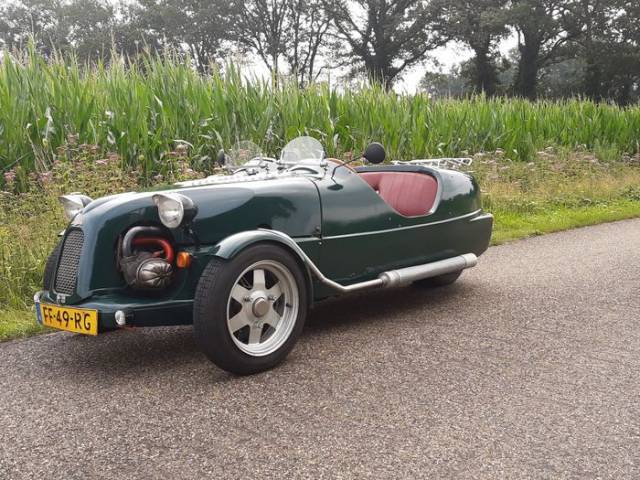
1979 | Lomax Type 223
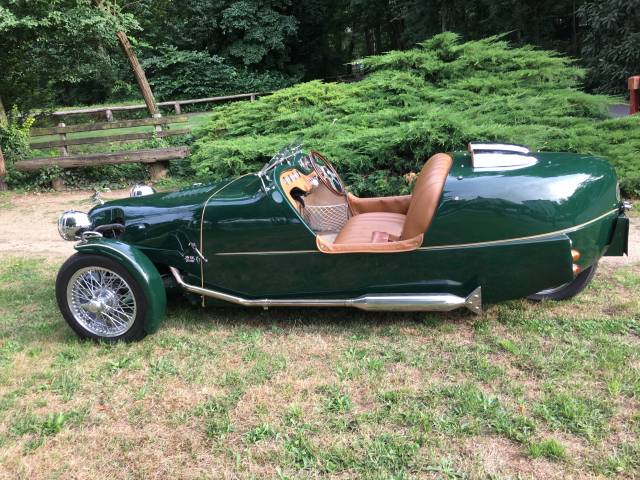
1982 | Lomax Type 223
Eines der besten am Markt

Lomax Type 223 Classic Cars: Prices & Market Values
Introduction and history of Lomax Type 223
The Lomax Type 223 traces its roots to the British kit car movement of the 1980s, picking up on the idea of maximising driving pleasure with minimal mass and mechanical simplicity. Built on the rolling chassis of Citroën's 2CV, the Type 223 offers an interpretation of the classic roadster spirit, often seen buzzing down narrow country lanes or parked at classic car gatherings. With construction running between July 1977 and July 1987, these vehicles capitalised on the robust and widely available 2CV platform and engine technology, making for enduring and easily serviceable classics. The 223 model, specifically, is distinctive with its three-wheel design—two wheels at the front and a single drive wheel at the rear—a nod to earlier cyclecars and resulting in a particularly light and agile driving experience.
Model history
Within the Lomax range, the Type 223 sits alongside models such as the 224, which distinguished itself by offering four wheels for a more conventional setup. Meanwhile, the Type 223+1 presented a unique twist, with its rear axle featuring two wheels set closely together, supported by original 2CV triangular arms in reversed position, resulting in enhanced stability for a three-wheeler. Across the production period, around 115 examples of the Lomax 223+1 were built, marking it out as an especially rare variant, often favoured by enthusiasts for its distinctive engineering and drive.
Highlights of Lomax Type 223
Unique to the Lomax Type 223 is its pure driving concept: ultra-lightweight fibreglass bodywork, minimalist interiors, and a focus on open motoring. The vehicle stands out for its user-friendly assembly and availability of technical documentation and construction photographs, often included when changing hands. The 223’s three-wheel layout—commonly seen as quirky—provides both a lower kerb weight and the driving dynamics of early British cyclecars. Fitted optionally with electronic ignition, detailed dashboards, lockable boot, Brooklands aero screens, day running lights, and rain covers, these vehicles appeal to both tinkerers and drivers seeking a bare-bones classic motoring experience.
Technical Data
Special Editions and Collectible Models
Of particular note among Lomax Type 223 variants is the 223+1, which features two rear wheels set directly together on the same axle, using original 2CV arms in an inverted position to improve stability and handling. Only 115 units of the Lomax 223+1 were produced, making it a particularly hard-to-find and distinctive version sought after for its engineering curiosity.
Weak Spots and Common Issues
No specific pattern of weaknesses is reported for the Lomax Type 223. Thanks to its basis in Citroën 2CV mechanicals, maintenance is straightforward, parts supply tends to be robust, and servicing can often be accomplished by knowledgeable enthusiasts. Condition varies substantially, given its kit car nature, so documentation of the build and evidence of quality assembly are important considerations. Buyers should check for well-maintained donor components and comprehensive documentation, which often accompanies sales.
Engine and Performance, Transmission and Handling
At its core, the Lomax Type 223 employs the 2CV6’s 602cc air-cooled flat-twin, delivering 27 PS through a 4-speed manual gearbox to the front wheels. The vehicle’s scant weight of only 470 kg results in sprightly acceleration and nimble handling, accentuating the appeal for drivers who prioritise engagement and fun over outright speed. The three-wheel configuration contributes to sharp steering response and distinctive dynamics; meanwhile, the 223+1 variant offers increased stability, especially in fast corners. Accessories such as the Brooklands windscreen, full dashboards, and lockable luggage space bring added practicality to the pared-back concept. - Lomax 223: Three-wheeler focus, singular driving experience, most common
- Lomax 223+1: Only 115 built, improved rear stability, rarest variant
Interior, Comfort, Exterior and Design
The Lomax Type 223’s design draws heavily from early British sports cars and cyclecars, featuring low-slung fibreglass bodywork, exposed wheels, and compact proportions. In the cockpit, expect a minimalist dashboard—sometimes extensively equipped in higher-spec builds—with switchgear, clear analog instrumentation, and auxiliary accessories like day running lights or rain covers. Some cars feature custom paint schemes or period-correct Brooklands windscreens, adding to their individuality. The lockable boot, electric master switch, and quality of mounting components can markedly differ depending on the craftsmanship of individual builds. Many examples include comprehensive accessories, such as spare parts kits or mechanical tools, underscoring the vehicle’s dual role as both a practical kit and collector’s item.
Other Features
The Lomax Type 223 enjoys surprisingly straightforward registration in most European countries, with export papers often included to facilitate cross-border sales—a key point for international buyers. Its 2CV underpinnings mean emissions conformity is Euro 0, so check local regulations for historic vehicle status if considering import.
Summary
The Lomax Type 223 remains a truly singular presence within the classic car landscape. With only 115 units of the rare 223+1 built, and a focus on lightweight engineering, the Type 223 makes the most of its 2CV ancestry. Impressive documentation and accessories typically accompany these vehicles, while the kit construction rewards owners looking for maximum involvement both on the road and in the garage. The Type 223’s total domination of both supply and demand numbers in Classic Trader data only confirms its unique standing among Lomax enthusiasts.