- Car
- ISO (4 offers)
ISO Classic Cars for Sale
ISO represents an extraordinary chapter in automotive history—beginning with refrigerators and ending with some of the rarest GT coupés, luxury saloons, and microcars. The Italian marque is especially celebrated for its charismatic blend of Italian design and robust American V8 power, seen in models like the Iso Grifo, Rivolta, Fidia, and the tiny Isetta. These cars offer a unique driving experience combining everyday usability with exclusivity. Discover the full story below.
Search results
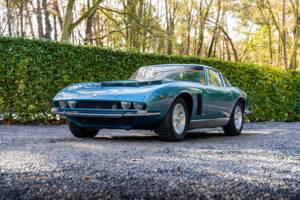
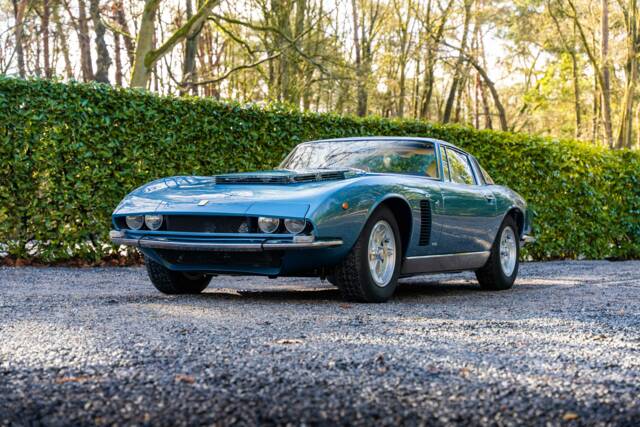

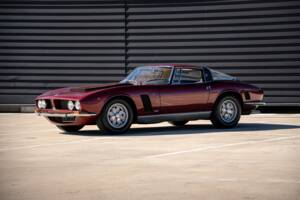
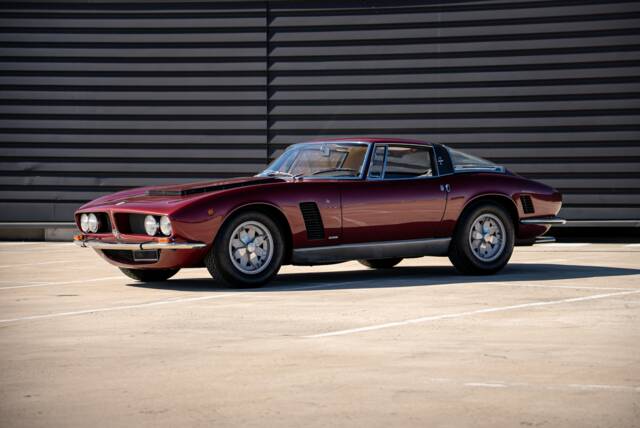
1970 | ISO Grifo 7 Litri
One of only 17 manual-gearbox versions

Auctions ending soon

Loading…
Loading…
Loading…
Loading…
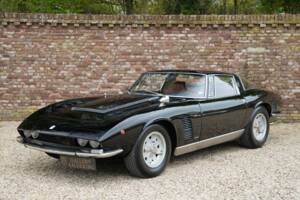
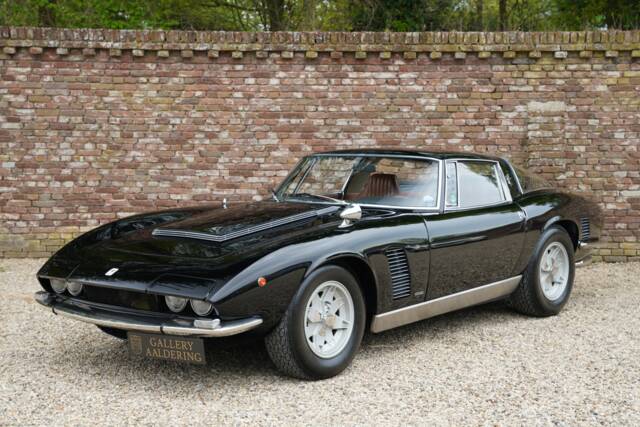
1972 | ISO Grifo Can Am
Iso Grifo IR9 Can Am "#19 of 24 built" Never restored and dry stored over 3 decades, The 19th Can Am of 24 built, European Iso Grifo - Delivered new in Switzerland (Roggero), Highly appreciated "Can Am" by enthusiasts and connoisseurs worldwide, Matching numbers and colors - Originally supplied with the ZF 5-speed gearbox, The only “Can Am” delivered in black

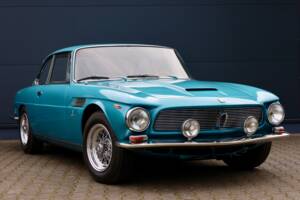
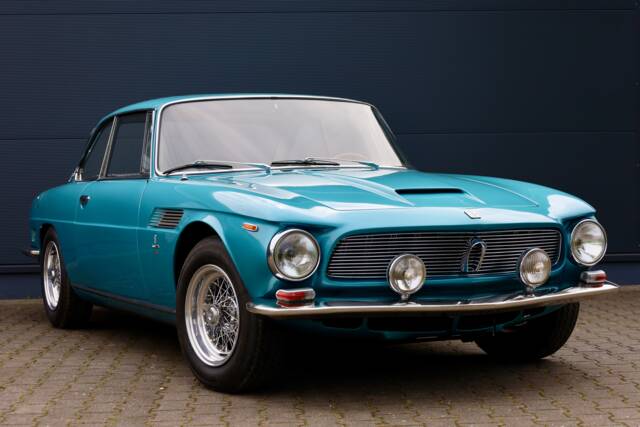
1967 | ISO Rivolta 340
IR 340 "Special Cam" Manual

Newsletter
The best ISO listings, straight to your inbox
Get hand-picked ISO listings, plus the best of cars, motorbikes, and auctions on Classic Trader — all in one place.
ISO listing references from Classic Trader
Below you will find listings related to your search that are no longer available on Classic Trader. Use this information to gain insight into availability, value trends, and current pricing for a "ISO" to make a more informed purchasing decision.
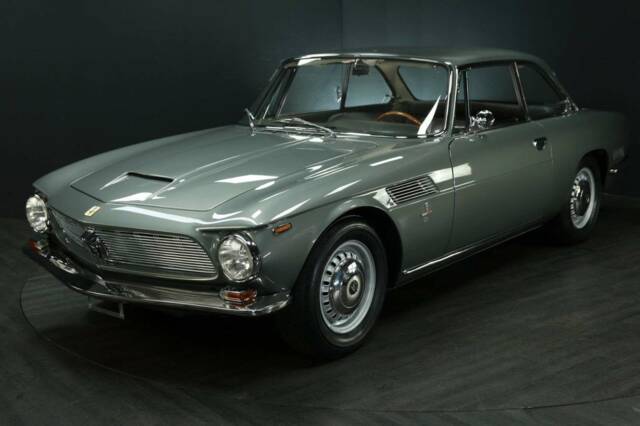
1968 | ISO Rivolta 300
Sonstige Marken Sonstige
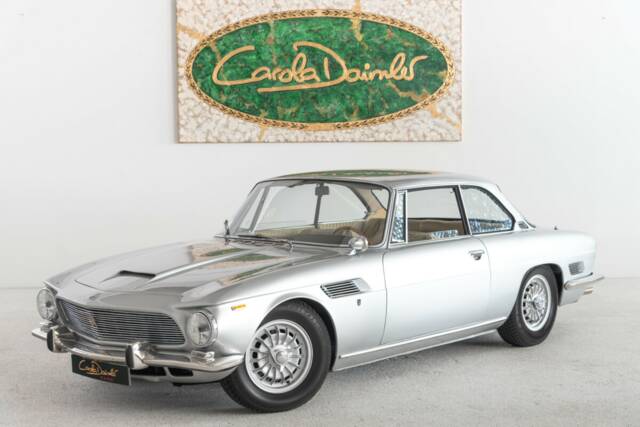
1966 | ISO Rivolta 300
Iso Rivolta 300 Coupé
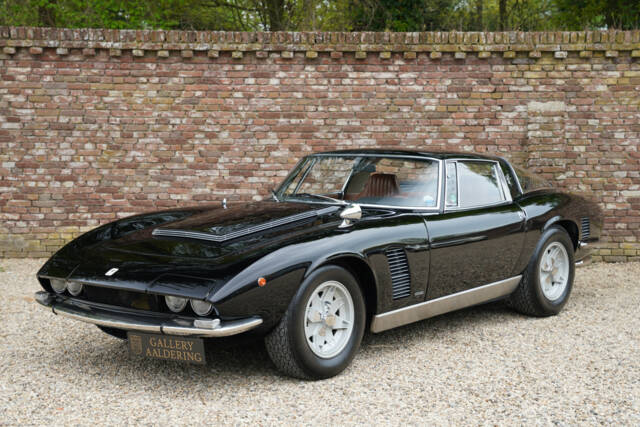
1972 | ISO Grifo Can Am
Iso Grifo IR9 Can Am "#19 of 24 built" Never restored and dry stored over 3 decades, The 19th Can Am of 24 built, European Iso Grifo - Delivered new in Switzerland (Roggero), Highly appreciated "Can Am" by enthusiasts and connoisseurs worldwide, Matching numbers and colors - Originally supplied with the ZF 5-speed gearbox, The only “Can Am” delivered in black
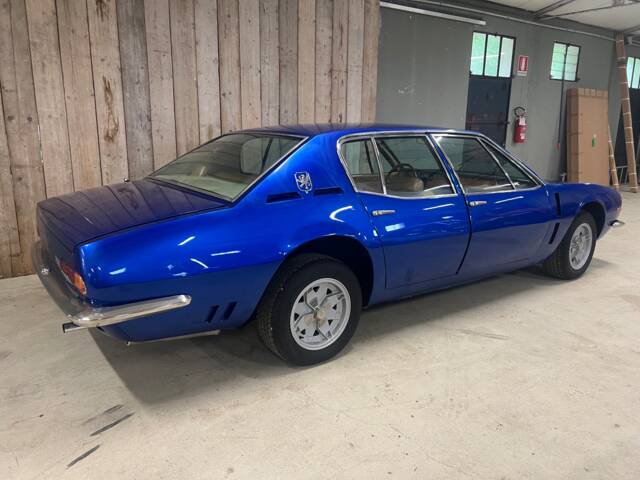
1972 | ISO Rivolta Fidia
CONSERVATA

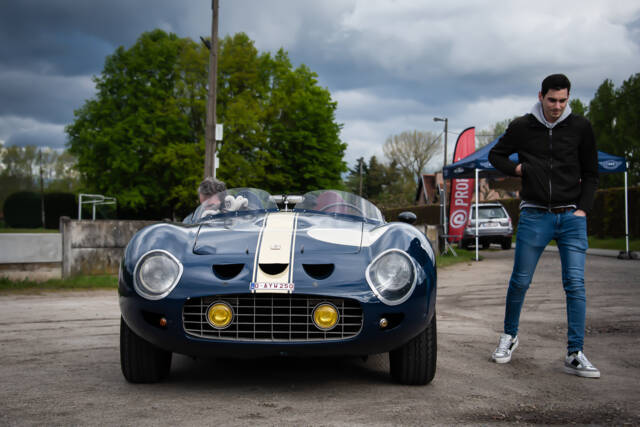
1974 | ISO Grifo
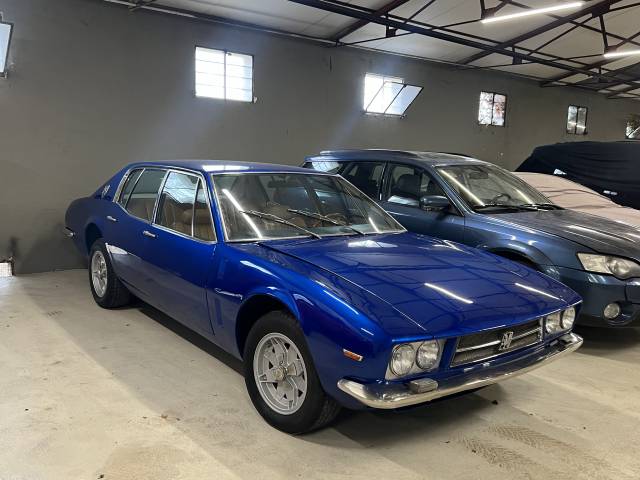
1972 | ISO Rivolta Fidia
Uno dei 92 esemplari costruiti !
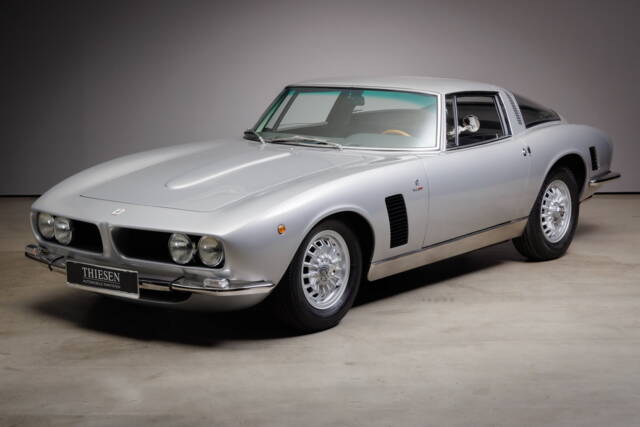
1968 | ISO Grifo GL 350
GL 350 Serie I Coupé
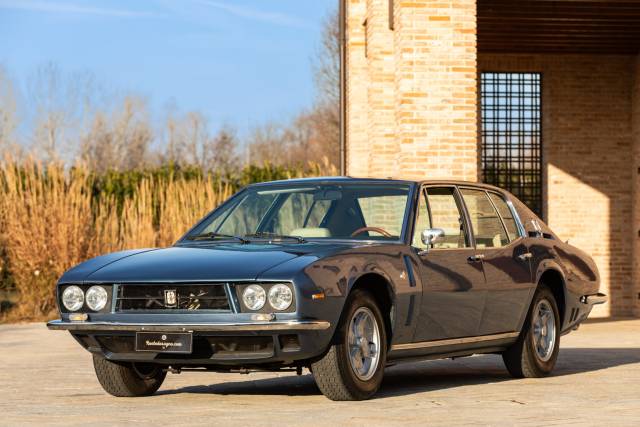
1972 | ISO Rivolta Fidia
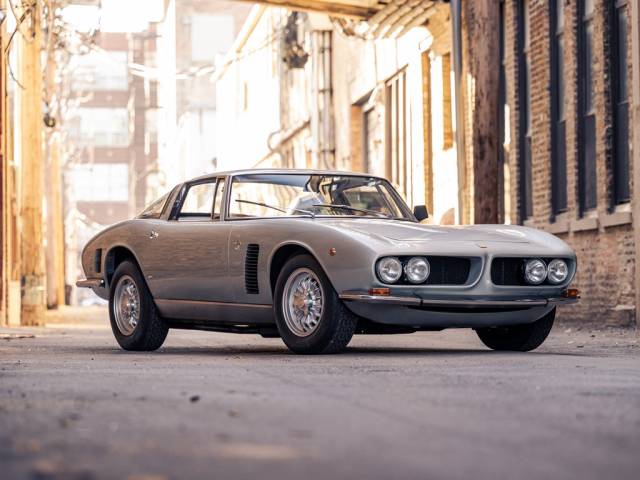
1967 | ISO Grifo GL 300
1967 Iso Grifo GL Series I by Bertone

History of ISO – From Coolers to Gran Turismos
ISO began life in Genoa as a manufacturer of refrigeration units under the name Isothermos before shifting, under Renzo Rivolta's leadership, to scooters and motorcycles in the 1940s. The company’s pivotal move came in the 1950s with the launch of the microcar Isetta, a vehicle that would go on to be licensed globally, including to BMW. ISO's evolution into automotive manufacturing reached its apogee with the development of high-performance coupes and saloons in the 1960s—showcasing the firm's commitment to melding Italian style with pragmatic American mechanicals. Financial difficulties and the oil crisis eventually forced ISO’s closure in 1974 after producing a lineage of sought-after vehicles characterized by avant-garde design and engineering collaborations with names like Giotto Bizzarrini and Giorgetto Giugiaro.
Model Series and Noteworthy Developments
ISO’s model evolution reflects its adaptability and pursuit of innovation:
- Isetta (1953–1955 Italy, later globally by license, most famously BMW): Microcar that revolutionized postwar mobility
- IR 300 (introduced 1962): GT coupé with a Chevy V8, excellent long-distance credentials, and upmarket interior; around 800 built
- Grifo (1965–1974): Developed with Giugiaro and Bizzarrini, a fusion of Italian style and high-displacement Chevrolet V8 engines, featuring both road (GL) and racing versions (A3/C/Bizzarrini 5300 GT)
- Fidia (1967–1974): Four-door luxury saloon designed by Ghia/Giugiaro, owned by the likes of John Lennon
- Lele (1969–1974): 2+2 fastback coupé, served as IR 300’s successor and used Chevrolet or—later—Ford V8 engines ISO models often overlapped in mechanical components but targeted distinct audiences: from urban microcars to muscular gran turismos, each with identifiable design DNA and remarkable technical underpinnings.
Highlights and Special Features of ISO Vehicles
ISO vehicles are distinct for their fusion of Italian craftsmanship and reliable American drive trains, especially Chevrolet V8s. The interiors show meticulous attention, often using fine leather, wood trims, and Veglia instrumentation. Notably, ISO’s Grifo offered both right- and left-hand drive, luxury elements like air conditioning, power steering, and Campagnolo alloy wheels. The Grifo 7 Litri/Can Am versions incorporated the largest V8 engines (up to 7.4 litres). Even base models featured independent front suspension and disc brakes all around—advanced for the era.
Technical Data
Special Editions and Collectible Models
Several ISO models command extra attention due to rarity or specialized features:
- Grifo 7 Litri & Can Am (up to 7.4L Chevy V8, only 24 Can Ams built): Power-focused specials with unique ZF 5-speed gearboxes, instantly recognizable by their bonnet scoops and performance-tuned configuration.
- Fidia S4/Fidia 4S: Only about 192 produced, exclusive as one of the few Italian four-door GTs of its era, with interiors tailored to individual specifications and celebrity owners such as John Lennon.
- Lele Sport: Ultra-rare, with only about 24 built, featuring enhanced performance setups.
- Bizzarrini 5300 GT (based on the Grifo A3/C): A split lineage after Bizzarrini departed, the 5300 GT was constructed from lightweight materials and intended for endurance racing; just 133 built. Matching-numbers cars and preserved original specifications contribute further to each model’s exclusivity.
Engine, Performance, and Handling Characteristics
ISO cars were developed to deliver clean, long-legged performance, combining raw Chevy V8 torque with Italian chassis sophistication. The Grifo, for example, could exceed 220 km/h (with the 327 cu-in V8), while the IR 300 and Lele balanced daily usability with performance. Most ISO cars feature rear-wheel drive; all have independent front suspension and powerful four-wheel disc brakes, making them more approachable for spirited, long-distance driving than many contemporaneous Italian competitors. Transmission options range from robust BorgWarner manuals to rare, performance-oriented ZF five-speeds, especially in top-tier ‘7 Litri’ and ‘Can Am’ configurations.
Most popular models:
- Grifo: Up to 400 PS, aggressive power delivery, available as GL (road) and Can Am (performance) variants.
- Rivolta IR 300: Known for its fast touring behaviour; ~300 PS, 218–220 km/h.
- Fidia: Four-door saloon, one of the fastest four-seaters of its era.
- Lele: Practical fastback design with V8 power, rarity boosted by limited production. undefined
Interior, Comfort, Exterior and Design
ISO’s design philosophy combined luxurious Italian interiors with athletic proportions. Renowned designers like Bertone (Giugiaro) and Ghia imbued the cars with flowing profiles, sharp lines, and exclusive features such as pop-up headlights (Series II Grifo), finned rear wings, and wraparound glass. Special paint finishes and combinations were widely documented. Cabins often showcased full leather (sometimes two-tone), hardwood dashboards, and classic Veglia dials; options included air conditioning, electric windows, and sound systems tailored for each market. Accessories ranged from Campagnolo centre-lock alloys to detailed wooden steering wheels. The ISO logo, a winged griffin on a tricolour background, visually cemented its Italian heritage.
Other Information
Originality, documentation (matching numbers, production registers), and market-specific details (such as right-hand drive collectors and European deliveries) are highly valued. Clubs and registries exist internationally, sharing provenance and technical resources for these rare vehicles. ISO cars are known for their long-distance usability and mechanical simplicity compared to other Italian GTs. Many vehicles remain registered with classic car associations and data providers for historical accuracy.
Summary
ISO’s journey—from refrigerators to icons of Italian-American car culture—yielded some of the most evocative classics to ever wear a Tricolore badge. With their limited production, technical sophistication, and celebrated design partnerships, ISO cars stand out on the classic market for their unique combination of usability, performance, and singular presence—whether as a microcar, V8 GT, or four-door saloon.