ISO Fidia classic cars for sale
The ISO Fidia is an exceedingly rare four-door sport saloon from the renowned Italian marque Iso Rivolta. Produced between 1967 and 1974 with just 192 examples made, it brings together American horsepower and Italian design flair—making it one of the most distinctive and luxurious luxury saloons of its era.
Search results
Currently, there are no matching listings for your search.
Create search alert
Let yourself be notified as soon as a listing is published that matches your search filters.
Create listing
Do you have a ISO Fidia that you want to sell? Then create a listing now.
Create listingISO Fidia listing references from Classic Trader
Below you will find listings related to your search that are no longer available on Classic Trader. Use this information to gain insight into availability, value trends, and current pricing for a "ISO Fidia" to make a more informed purchasing decision.
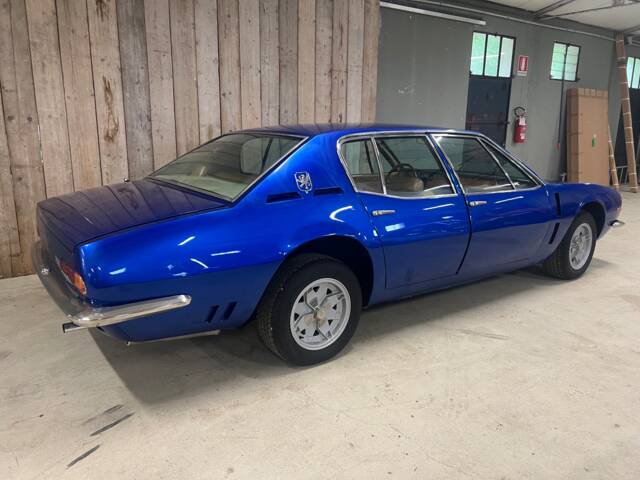
1972 | ISO Rivolta Fidia
CONSERVATA

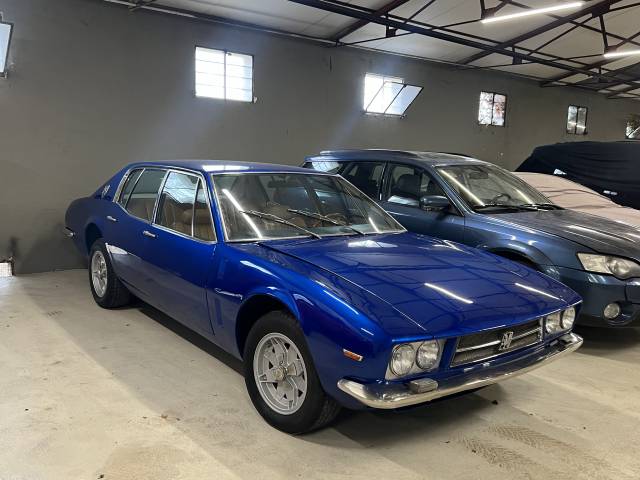
1972 | ISO Rivolta Fidia
Uno dei 92 esemplari costruiti !
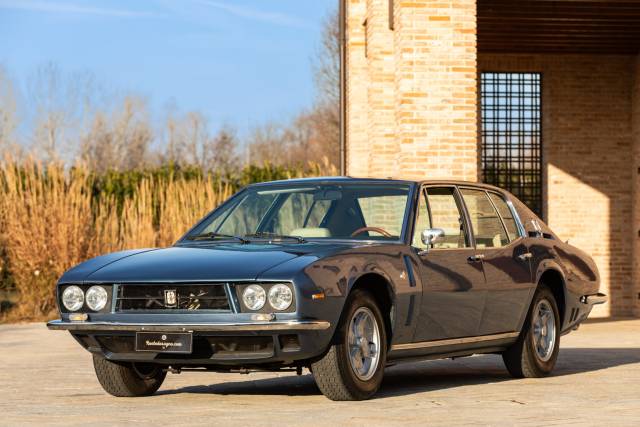
1972 | ISO Rivolta Fidia
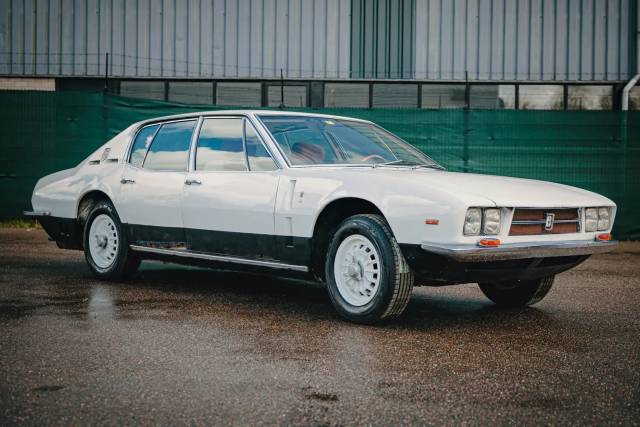
1969 | ISO Rivolta Fidia
Restoration Project - Rare - No Reserve

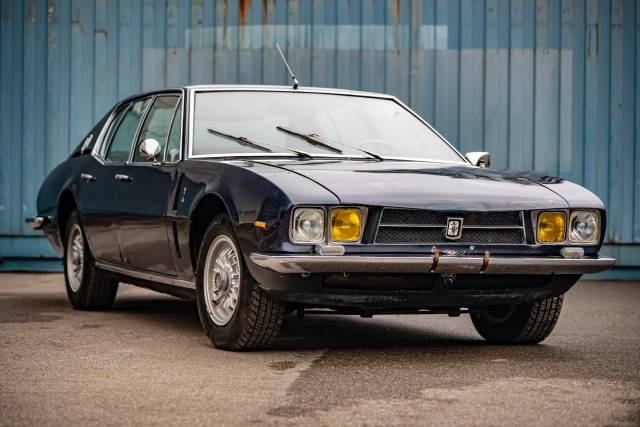
1969 | ISO Rivolta Fidia
Italian Classic - No Reserve
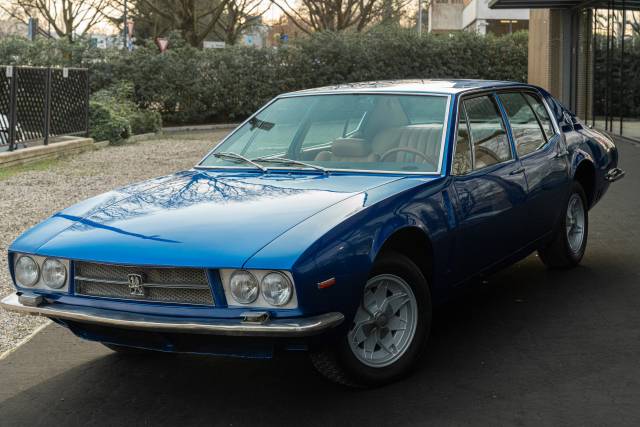
1972 | ISO Rivolta Fidia
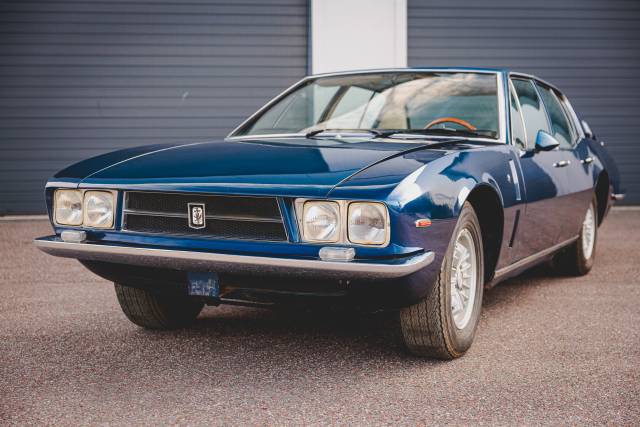
1968 | ISO Rivolta Fidia
No Reserve
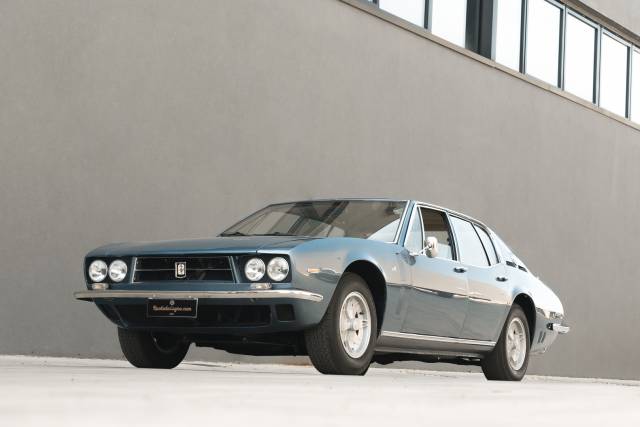
1972 | ISO Rivolta Fidia
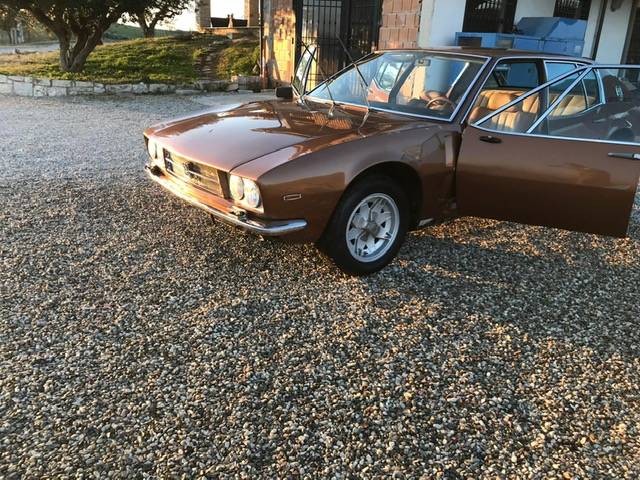
1970 | ISO Rivolta Fidia
Beautiful original Fidia to restore
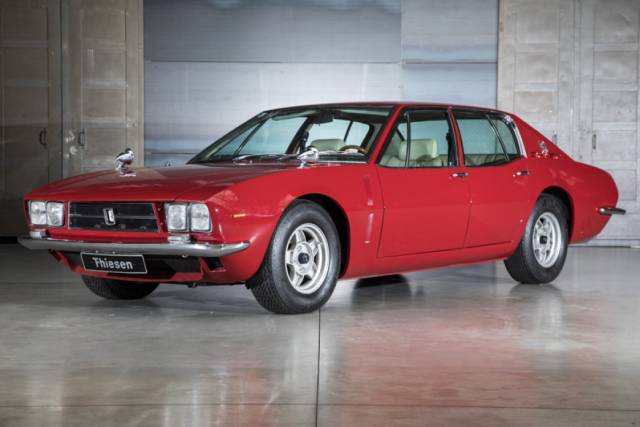
1970 | ISO Rivolta Fidia

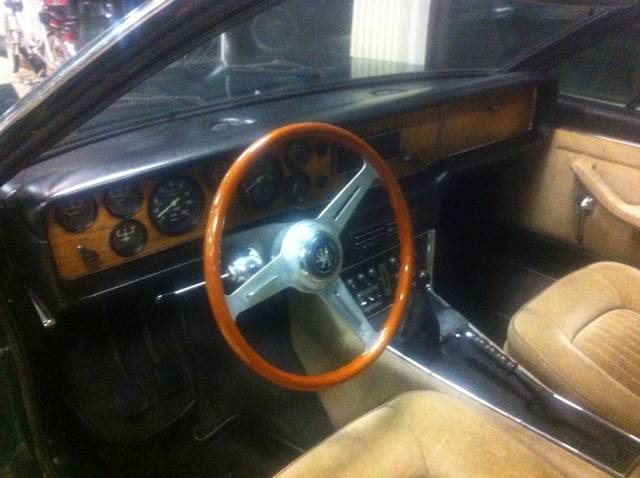
1969 | ISO Rivolta Fidia
Iso Rivolta 4S Fidia
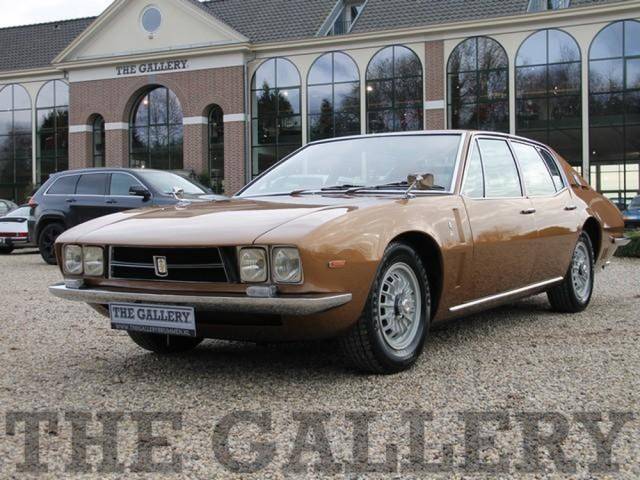
1969 | ISO Rivolta Fidia
ISO Rivolta Fidia
Create search alert
Let yourself be notified as soon as a listing is published that matches your search filters.
Create listing
Do you have a ISO Fidia that you want to sell? Then create a listing now.
Create listingISO Fidia Classic Cars: Prices & Market Values
History of the ISO Fidia
The ISO Fidia was conceived in the late 1960s as a direct response from Piero Rivolta—son of Renzo Rivolta—to the era's growing demand for powerful, elegant four-door saloons. The idea was to create a high-performance alternative to the Maserati Quattroporte I, using the proven mechanical architecture of the Iso Rivolta 300 GT. Chief designer Giorgetto Giugiaro of Carrozzeria Ghia penned a distinctive silhouette, with a unique falling beltline and substantial C-pillars, giving the Fidia a strong visual identity. Technically, the Fidia relied on American V8 engines from Chevrolet and, later, Ford. First unveiled at the 1967 Frankfurt Motor Show, it transitioned from being called the Iso Rivolta S4 to the Fidia in 1969, a name referencing the ancient Greek architect Phidias. The interior was thoroughly refreshed in 1971 to match the Iso Lele's more modern designs, particularly the dashboard. Marketed as a 'luxurious sportscar for four', the Fidia was one of the most exclusive models of its type, with only 192 units built before production ended in 1974. Notable owners included John Lennon, who was famous for his enthusiasm for the car, as well as Pete Townshend, James Last, and Sonny Bono.
Model History and Evolution
The Fidia’s direct predecessor was the Iso Rivolta 300, sharing its sophisticated steel chassis and mechanical layout. The Fidia originally debuted as the Iso Rivolta S4 but took on the Fidia name officially in 1969 without technical revisions. Over time, it saw a transitional period in engine supply: from Chevrolet V8s in 5.4 and 5.7 litres (327 and 350 cubic inch variants), with outputs ranging up to 350 hp, to the use of Ford V8s during its later years as sourcing changed. Transmission choices included Borg Warner 4-speed and ZF 5-speed manuals, alongside GM-sourced automatic gearboxes. By 1971, the model received a wholly reworked interior, with a dashboard closely matching the Iso Lele. Production of the Fidia remained small-scale right up to its conclusion in 1974, with no direct successor within the Iso Rivolta line. Its legacy can be traced in the later evolution of high-performance four-door coupés.
Highlights and Special Features
A rare blend of power and luxury: the ISO Fidia offers a steel chassis, advanced independent front suspension, rear De Dion axle, all-disc brakes, and rack-and-pinion steering with power assistance. The distinctive exterior styling by Giugiaro is complemented by a lavishly appointed cabin featuring leather seats with burr walnut dashboard trim—and an unmistakable three-spoke wood Iso steering wheel. Exhaust pipes integrated into the rear valance further underline its performance character. Exclusive period features—such as original operating manuals and Italian number plates—are prized finds in the handful of surviving examples. The Fidia is noted among collectors for its direct competition with the Maserati Quattroporte, while offering higher engine outputs and unmatched exclusivity.
Technical Data
Special Editions and Collectible Models
No factory-announced special editions were produced for the ISO Fidia. However, particular interest attaches to cars with early production numbers, unique original specifications, or provenance connected to famous owners—such as John Lennon's three Fidias. These individual vehicles may be considered collectibles based on their exclusivity, originality, or notable history.
Weak Spots and Common Issues
There is no specific data on recurring weak spots, but as with many limited-production luxury cars of the 1970s, attention should be paid to the electrical system, condition of original trim and upholstery, and the complexity of sourcing period-correct engine or gearbox components. Parts shared with the American V8 and GM transmission are generally more available, while bespoke Iso or Ghia trim elements, glass, and interior fittings may present challenges for restoration.
Engine, Performance, Transmission and Handling
With American V8s producing up to 350 hp and 5-speed ZF manual gearboxes available, the ISO Fidia delivered robust acceleration and performance in a high-comfort package. The combination of a De Dion rear axle and independent front suspension ensured excellent road holding for its era, setting a high bar for four-door luxury saloons. Power steering and all-wheel disc brakes completed the performance picture, with a maximum speed cited at 220 km/h. Characteristic details such as upturned exhaust pipes and period-correct alloys enhance the driving experience. Of special note are examples fitted with the ZF 5-speed manual and high-output 350 hp engines, which offered the best performance configuration available. Early units with original Chevrolet Corvette 327 engines are also keenly followed by collectors interested in the car’s authentic origins.
Design: Interior, Comfort, Exterior and Styling
Exterior styling by Giorgetto Giugiaro at Ghia blends sharp Italian angularity with elegant four-door proportions. The Fidia is marked by its low, descending beltline and assertive C-pillar, while elements from the De Tomaso Mangusta front end are evident. The interior is a showcase of Italian luxury: hand-stitched leather (often retained in excellent condition by surviving examples), richly-grained walnut dashboard ('briar'), and Iso’s three-spoke wood-rimmed steering wheel. Factory options and accessories—such as original owner’s manuals, Italian registration, and even period-accurate wheels—contribute to the model’s appeal as an ultra-luxury express saloon.
Other Noteworthy Information
The Fidia’s reputation as a symbol of exclusivity was cemented by high-profile ownership and a price point that exceeded contemporary rivals in its class. In period, it was marketed notably as a representation vehicle rather than a mass-market alternative—reflected in both limited production and the high levels of craftsmanship found throughout the car. The Fidia stands today as one of the most distinctive four-door luxury vehicles produced in Italy, with a design that prefigured the later trend of high-performance four-door coupés.
Summary
The ISO Fidia represents a unique chapter in automotive history: a fusion of American mechanical strength and Italian coachbuilding artistry, produced in numbers that ensure exclusivity. Collectors and driving enthusiasts alike value the Fidia for its combination of performance, comfort, and distinctive design—a true high-water mark of Italian automotive ambition during the late 1960s and early 1970s.