FIAT Uno classic cars for sale
The FIAT Uno defined the compact car segment of the 1980s and 1990s with its practical layout, diverse engine variants—including the renowned FIRE units and lively Turbo models—and functional, straightforward design. Especially as a three- or five-door hatch, the Uno remains a popular choice among enthusiasts who appreciate original details and rare special editions, such as the Moretti Cabrio or Turbo with Missoni upholstery.
Search results

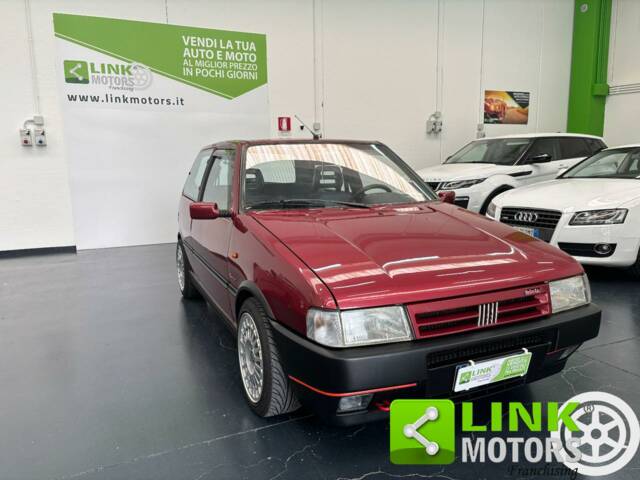
1992 | FIAT Uno Turbo i.e. Racing
FIAT Uno 1.4 TURBO i.e. 118Cv Racing
FIAT Uno listing references from Classic Trader
Below you will find listings related to your search that are no longer available on Classic Trader. Use this information to gain insight into availability, value trends, and current pricing for a "FIAT Uno" to make a more informed purchasing decision.
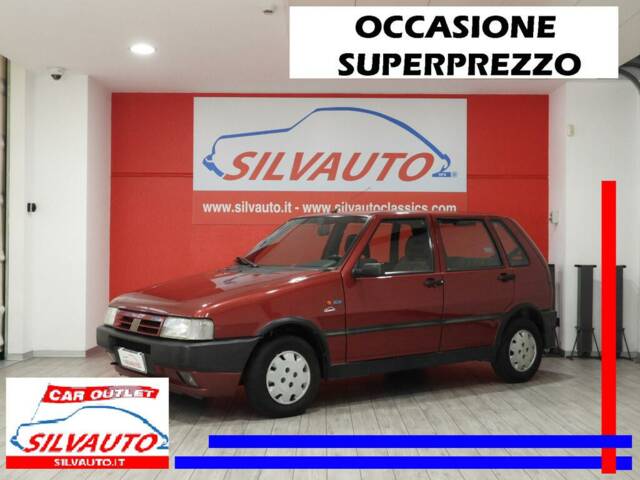
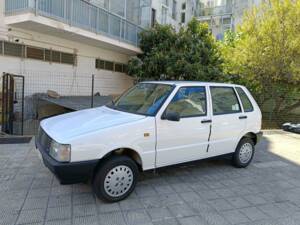
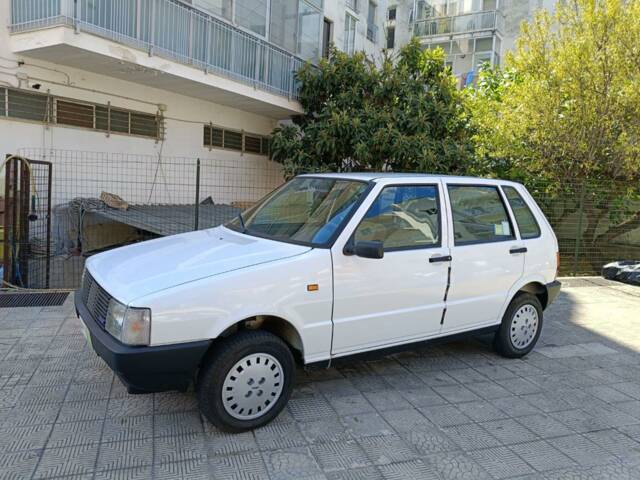
1993 | FIAT Uno 1.1 i.e.
FIAT UNO 1.1 i.e. SX 5P (1993) UNICOPROPRIETARIO – SUPER OCCASIONE – SUPERPREZZO
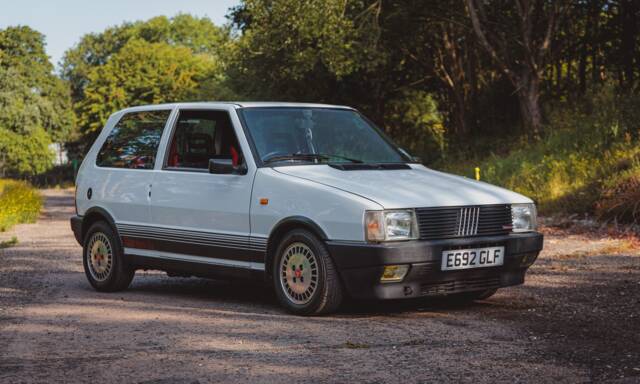
1987 | FIAT Uno Turbo i.e.
1987 Fiat Uno Turbo i.e

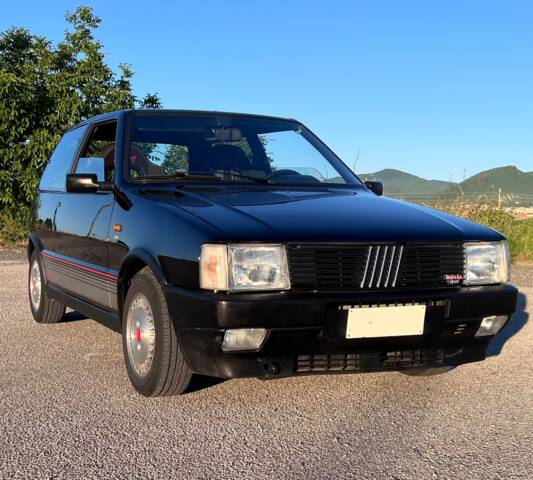
1986 | FIAT Uno Turbo i.e.
“Sport” (ASI Targa Oro)
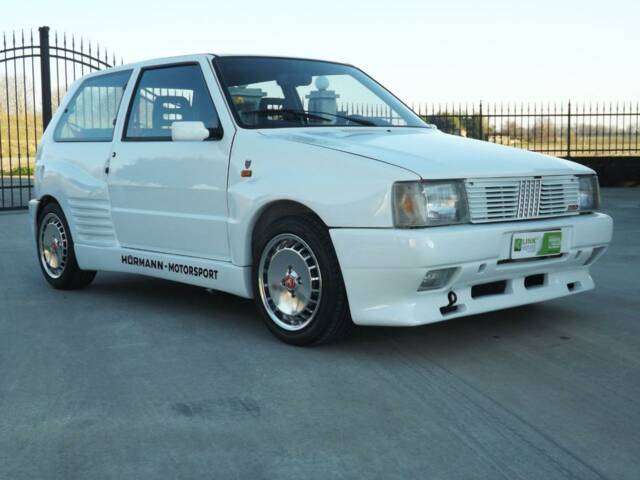
1991 | FIAT Uno Turbo i.e.
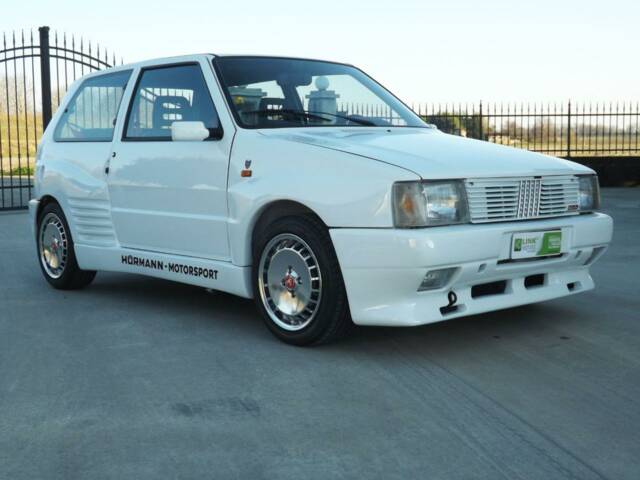
1991 | FIAT Uno Turbo i.e. Racing

1992 | FIAT Uno 1.4 i.e.
Fiat Uno 1.4 | 1992 | Route 66 Auctions - For sale by auction. Estimate 4500 EUR

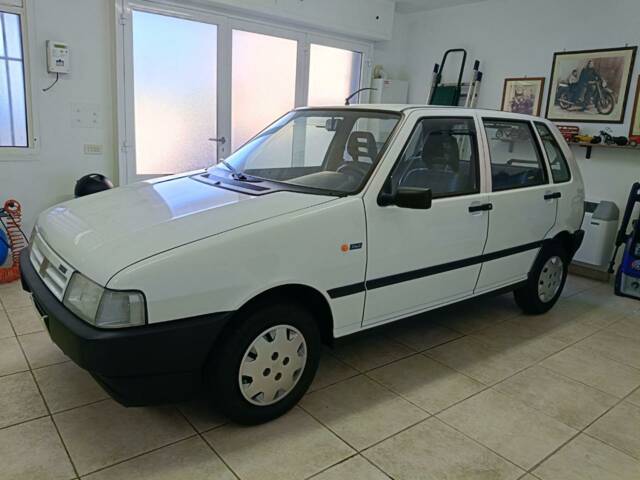
1992 | FIAT Uno 1.1 i.e.
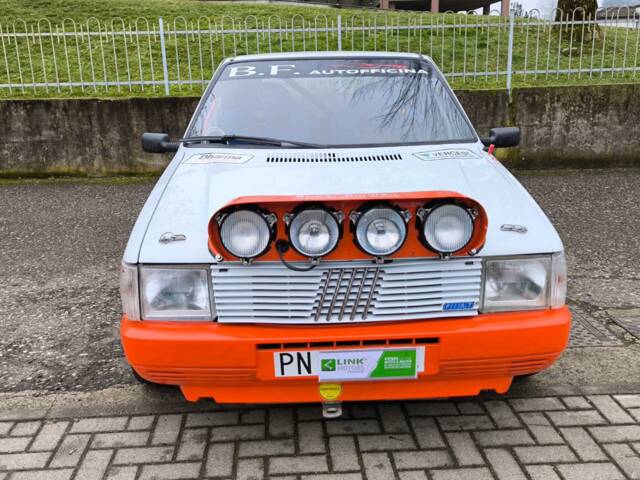
1985 | FIAT Uno 70 S
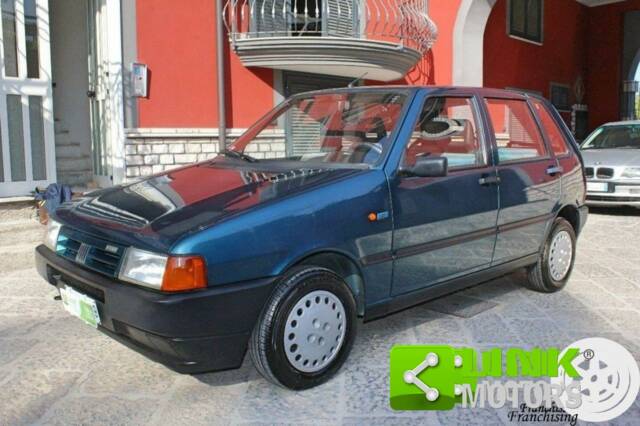
1992 | FIAT Uno 1.4 i.e.
FIAT Uno i.e.
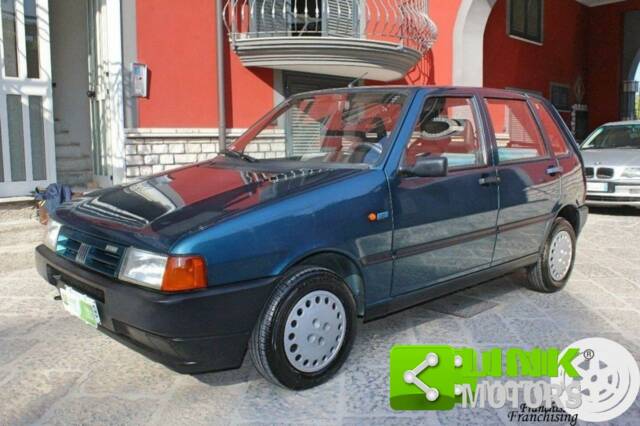
1992 | FIAT Uno 1.1 i.e.
FIAT Uno i.e.
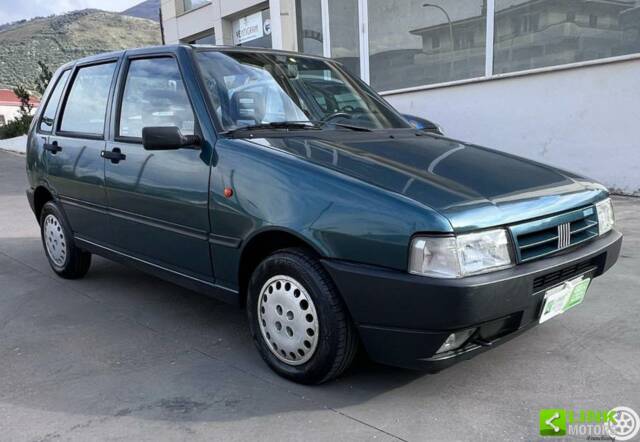
1993 | FIAT Uno 1.0 Fire
FIAT Uno 1.0 i.e.
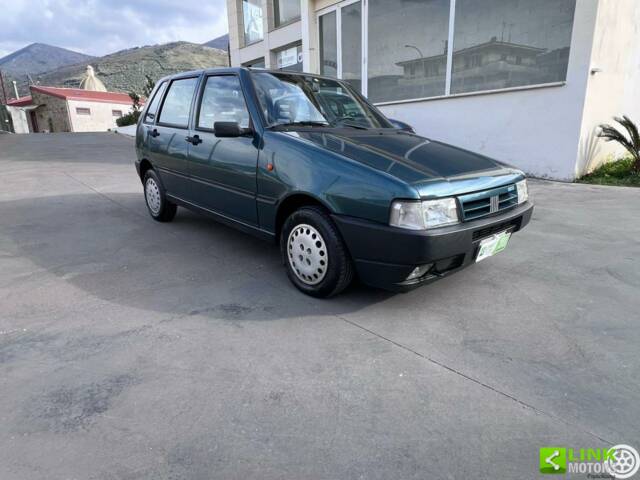
1993 | FIAT Uno 1.1 i.e.
FIAT Uno 1.0 i.e.
FIAT Uno Classic Cars: Prices & Market Values
The market value of FIAT Uno classic cars is primarily determined by the specific manufacturer code and variant, as well as technical condition, originality and mileage. Additional factors include rarity, history and documentation. A well-maintained, largely original vehicle with low, verifiable mileage and complete history including appraisals and documentation typically achieves significantly higher prices than a comparable vehicle with deferred maintenance, many modifications or unclear provenance.
FIAT Uno: Market Prices & Value Trends
Based on Classic Trader marketplace sales data from January 2021 to January 2026, the FIAT Uno market in Europe looks stable overall, with clear segmentation between everyday models and the sought-after performance variants. Most standard Uno versions (such as the Uno 45/60, 1.1 i.e. and 1.4 i.e., largely from the late 1980s to early 1990s) cluster in a realistic €3,000–€6,000 band, with cheaper examples appearing occasionally but best treated as condition-led outliers. At the top end, the Uno Turbo i.e. and especially the Uno Turbo i.e. Racing (notably 1986–1992 cars) command a strong premium, typically trading around €15,000–€19,000, with exceptional asks reaching into the high €20,000s. Recent Italian ads dominate the dataset, and the repeated presence of Turbo models at firm prices suggests steady demand. This stability is supported by increasing nostalgia for 1980s/1990s hot hatches, shrinking supply of unmodified cars, and the growing appeal of original, well-documented examples.
Introduction and history of the FIAT Uno
Launched in 1983, the FIAT Uno quickly became the quintessential Italian small car of the 1980s, embodying affordability, resilience, and daily usability. Designed with the needs of the European urban driver in mind, the Uno replaced the aged 127 and brought modern boxy styling, efficient use of space, and improved corrosion protection to a new generation of buyers. The Uno's clever packaging, featuring a relatively roomy boot and a choice of three- or five-door configurations, made it an instant hit. Production continued into the mid-1990s, with several updates and variant introductions extending its appeal across markets—including local assembly in countries such as Spain, the Netherlands, and Greece.
Model history
The FIAT Uno succeeded the FIAT 127, representing a leap in packaging, build quality, and technology. Early Unos (Tipo 146 1a) set benchmarks for front-wheel-drive architecture, while facelifts and later series (Tipo 146 2a) enhanced the formula with updated styling cues, improved rust protection, and additional powertrain options. The Uno’s direct successor was the FIAT Punto, which debuted in the mid-1990s. Throughout its production run, special offshoots such as the Turbo i.e. and limited edition cabriolets by Moretti added enthusiast appeal.
Highlights of the FIAT Uno
The Uno often came equipped with features that were forward-looking for its segment: FIAT’s FIRE (Fully Integrated Robotised Engine) technology improved reliability and efficiency, particularly in the 1.0 i.e. variants. The Turbo i.e. models, fitted with a 1.3-litre turbocharged engine generating around 101PS, brought spirited performance to the compact class and introduced unique design accents like Missoni seat fabrics. Original alloy wheels, functional boot space, and attention to ergonomic interior controls set the Uno apart among its peers. Limited runs such as the Moretti Cabrio are highly prized for their rarity and distinctive features.
Technical data
Special Editions and Collectible Models
Among the special editions, the Uno Turbo i.e. stands out, offering increased power, sportier styling, and unique fabric choices. Even rarer is the Moretti Cabrio, produced in very limited numbers, catering especially to collectors seeking unconventional body styles. Early models with distinctive paint (such as Max Meyer Rosso Corsa) or unique interior configurations, particularly those retaining original accessories and documentation, are particularly noteworthy.
Weak Spots and Common Issues
Typical maintenance for the Uno includes regular timing belt and water pump replacements, along with attention to filters and the clutch. Though improved over earlier FIATs, rust can still affect less-protected panels; inspecting sills, wheel arches, and underbody is essential. The Uno’s straightforward electrics are generally reliable, but switches and connectors may require attention over time. Special attention should be paid to the condition of original interior fittings and the functionality of quintessential elements like the period dashboard and factory instrumentation.
Engine and Performance, Transmission and Handling
The Uno’s handling character is defined by its lightweight construction and front-wheel-drive layout. Base models deliver economical urban mobility, while the Turbo i.e. transforms the driving experience, delivering agility and punch thanks to its turbocharged 1.3-litre engine with about 101PS. Turbo variants are recognised for sporty seat designs and distinctive trim, while most Unos offer a comfortable, practical ride for daily use. Manual gearboxes across the range provide a direct, mechanical feel—a highlight for those seeking an authentic analogue driving experience. - Uno Turbo i.e.: 1.3-litre turbocharged, approx. 101PS, known for its lively acceleration and sporty cockpit
- Uno Tipo 146 1a/2a: Standard models featuring robust 1.0-1.1 FIRE engines, highly practical, prevalent on the market
- Moretti Cabrio: Extremely rare, limited-series cabriolet conversion, collectible for its design and low production numbers
Interior, Comfort, Exterior and design
Styled in classic 1980s geometric Italian fashion, the Uno combined clean lines, large windows, and practical detailing. Three- and five-door bodies provided flexibility, while original elements included plastic door cards, era-correct carpeting, and the characteristic Fiat steering wheel and dashboard. Turbo models featured more sculpted, supportive seats, occasionally with Missoni fabrics or Alcantara inserts; Moretti Cabrio versions carried distinctive coachbuilt cues. Common colours were red, black, and blue, but rare, special factory paints occasionally appeared. Accessories such as factory aluminium wheels, period sound systems, and original Fiat branded toolkits enhance the appeal of unrestored examples.
Other relevant features
Some Unos were delivered with LPG systems for dual-fuel operation, making them economical classics. Many owners value original factory documentation—such as user manuals and service booklets—while authenticity is confirmed by features like Fiat-stamped glass and original manufacturer decals. ASI or CRS registration enhances historic vehicle status in certain markets, adding to collectibility for provenance-conscious buyers. International assembly highlights the broad appeal and adaptability of the Uno’s design.
Summary
A mainstay of European motoring history, the FIAT Uno sets itself apart through a blend of straightforward engineering, everyday usability, and subtle features like the FIRE engines and Turbo models. Its market prominence is reflected in both the supply and demand statistics for the most common model codes. With rare variants such as the Moretti Cabrio and collector-preferred Turbos, the Uno remains a cornerstone of classic compact cars worth considering for any enthusiast seeking a distinctive piece of 1980s Italian automotive culture.