FIAT 242 classic cars for sale
The FIAT 242 stands out as a robust and versatile van that became a popular choice for tradespeople and craftsmen throughout Europe in the late 1970s and 1980s. Today, finding an original or well-preserved FIAT 242 is a true rarity, appealing to collectors and classic commercial vehicle enthusiasts alike.
Search results
Currently, there are no matching listings for your search.
Create search alert
Let yourself be notified as soon as a listing is published that matches your search filters.
Create listing
Do you have a FIAT 242 that you want to sell? Then create a listing now.
Create listingFIAT 242 listing references from Classic Trader
Below you will find listings related to your search that are no longer available on Classic Trader. Use this information to gain insight into availability, value trends, and current pricing for a "FIAT 242" to make a more informed purchasing decision.
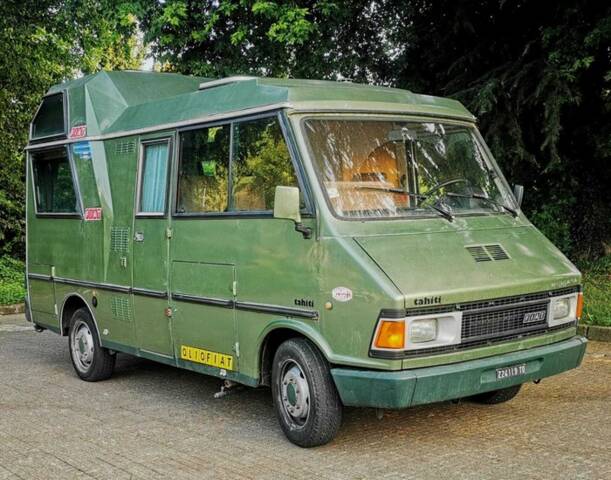
1980 | FIAT 242
Fiat - 242 Ruggeri Tahiti - 1980

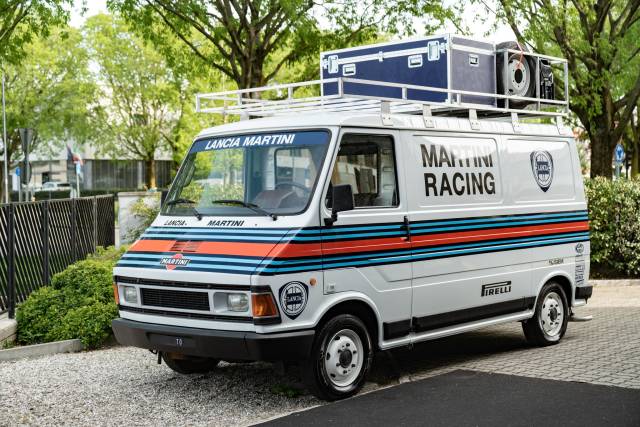
1984 | FIAT 242 E

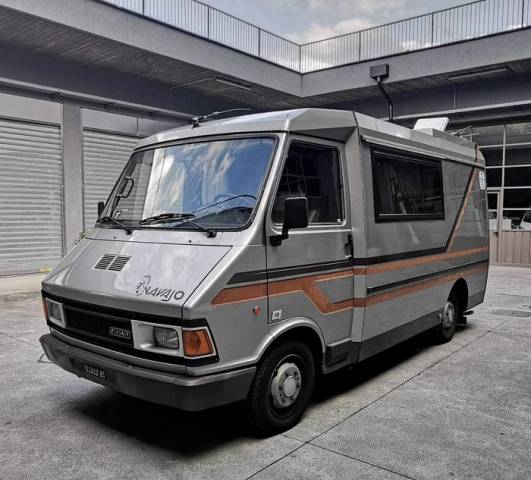
1980 | FIAT 242 E
Create search alert
Let yourself be notified as soon as a listing is published that matches your search filters.
Create listing
Do you have a FIAT 242 that you want to sell? Then create a listing now.
Create listingFIAT 242 Classic Cars: Prices & Market Values
History of the FIAT 242
FIAT introduced the 242 in 1974 as a joint venture with Citroën, who marketed a near-identical version as the Citroën C35. Produced until 1987, the FIAT 242 combined Italian engineering with a practical approach to commercial vehicle needs. It primarily served as a light panel van, minibus, and chassis for various conversions—popular with delivery services, craftsmen, and even ambulance operators due to its spacious and adaptable bodywork.
Model History
The FIAT 242 was the brand’s response to increasing demands for an efficient, front-wheel-drive light commercial vehicle. There was no direct predecessor in the FIAT lineup, but the model succeeded earlier rear-wheel-drive light vans such as the FIAT 238. The 242 series saw incremental updates in engine technology and payload options throughout its lifespan. After 1987, the baton passed to the FIAT Ducato, which continues the legacy today.
Highlights of the FIAT 242
Notable for its cooperation with Citroën, the 242 shared many components with the Citroën C35, making spares relatively accessible in some markets. Its unibody construction, front-wheel-drive layout, and flat floor enabled significant loading space and easy conversions for various uses, from mobile workshops to camper vans. The 242's reputation is built on its practicality, straightforward mechanics, and adaptability for custom applications.
Technical Data
Special Editions and Collectible Models
The standard FIAT 242 formed the basis for numerous conversions, including ambulances, minibuses, and campers—some executed by respected third-party coachbuilders. While there were no factory-limited editions, vehicles converted for specialist purposes, particularly those with period-correct camper interiors or emergency service specifications, are sought after today due to their rarity and historical value.
Weak Spots and Common Issues
Corrosion is the most pronounced concern with the 242, especially along the sills, wheel arches, and underbody. Mechanical simplicity is a virtue, but buyers should inspect the drivetrain for worn universal joints, clutch operation, and condition of the front suspension bushings. Replacement panels can be scarce, given the low survival rate and commercial use, so body condition is paramount when assessing a purchase.
Engine and Performance, Transmission and Handling
The FIAT 242 offers modest but dependable performance—suitable for urban and light intercity transport thanks to its efficient front-wheel-drive system and accessible power bands. Gear changes are straightforward via a manual transmission, and the compact turning circle enhances manoeuvrability in tight spaces. Ride quality is firm, engineered more for load than luxury, yet well balanced for its time.
Popular variations included both petrol and diesel options, with the diesel-powered models prized for their longevity and lower running costs—making them attractive to both commercial operators and camper van enthusiasts. undefined
Interior, Comfort, Exterior and Design
The FIAT 242’s exterior design is purely functional—boxy and unadorned, with large windows for visibility and a flat, practical front. Interiors were spartan, reflecting its utilitarian intent: robust vinyl seats, basic dials, and easy-to-clean surfaces. Special camper and minibus conversions introduced more comfort, uprated seats, cabinetry, and sometimes pop-top roofs. Period colours tended toward classic whites, blues, and the trademark FIAT commercial red. Accessories from the era included roof racks, sliding side doors, and double rear doors, enhancing versatility.
Other relevant features
The shared heritage with the Citroën C35 means some mechanical parts may be sourced internationally, broadening the pool for restorers. Interest in classic light vans is growing, with the FIAT 242 increasingly recognised as a unique part of European automotive industrial history.
Summary
The FIAT 242 is a noteworthy classic for those passionate about commercial vehicle history. Its joint Italian-French origins, adaptable nature, and practical appeal ensure that surviving vehicles stand out among classic vans today. With focused market interest and increasing rarity, especially in original condition or high-quality conversions, the FIAT 242 is a distinctive addition to any classic vehicle collection.