- Car
- Fendt (0 offers)
Buy Fendt Classic Tractors
From the first Dieselross to the last Geräteträger, Fendt classic tractors combine engineering credibility with real collectability. For British buyers, they offer a compelling mix of usable pre-modern machinery, strong club support, and a market that still rewards rare, well-kept examples.
Search results
Currently, there are no matching listings for your search.
Create search alert
Let yourself be notified as soon as a listing is published that matches your search filters.
Fendt listing references from Classic Trader
Below you will find listings related to your search that are no longer available on Classic Trader. Use this information to gain insight into availability, value trends, and current pricing for a "Fendt" to make a more informed purchasing decision.
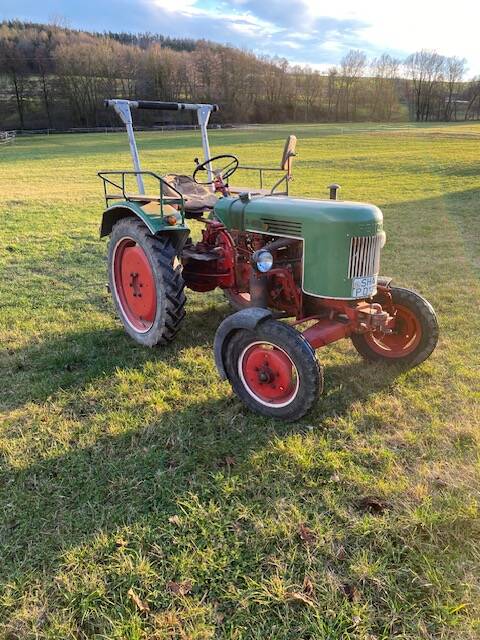
1957 | Fendt Dieselross F 17 L
1957 | Fendt Dieselross F 17 L

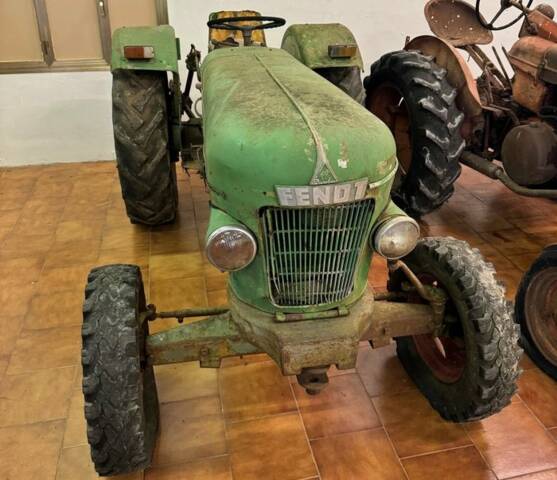
1957 | Fendt Farmer 2
Trattore Fendt - Dieselross Farmer 2 - NO RESERVE - 1957

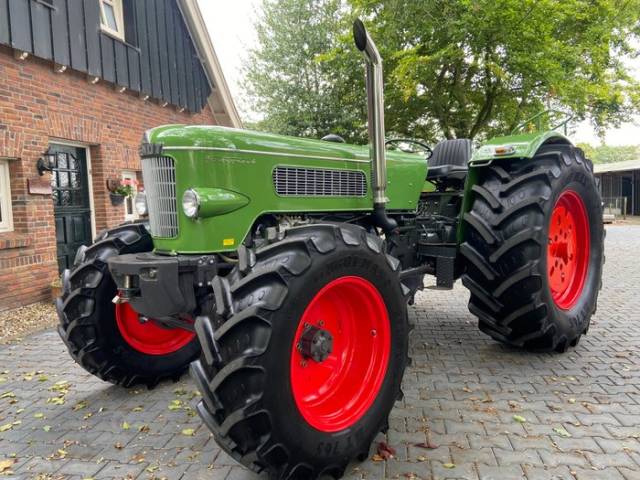
1965 | Fendt Favorit 4
Fendt - Favorit 4 Allrad Rundhauber 1/1 - 1965
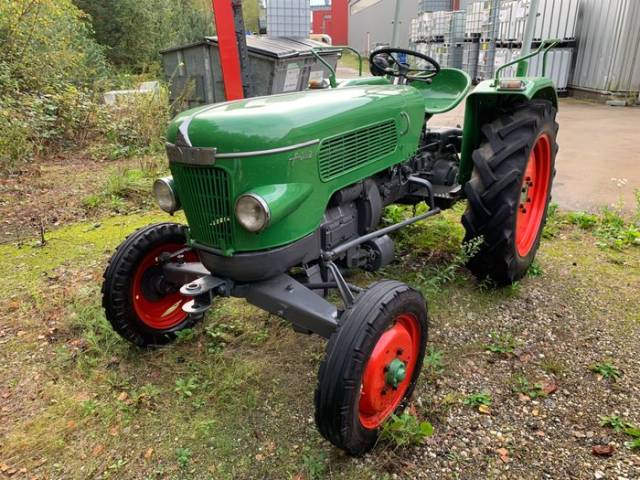
1962 | Fendt Fix 2 L
Fendt - Fix 2 FL120 - 1962
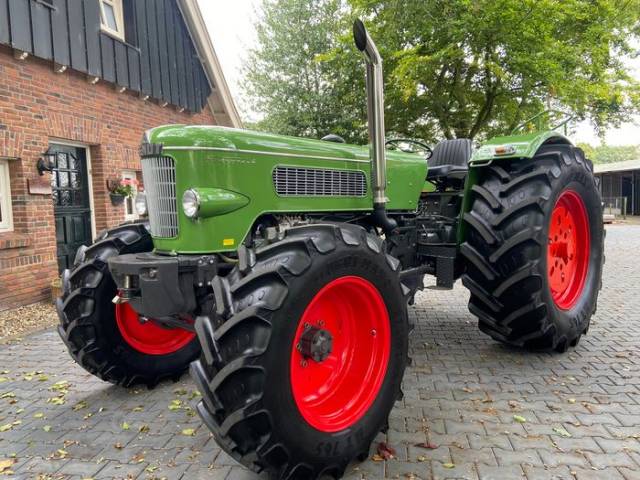
1965 | Fendt Favorit 2
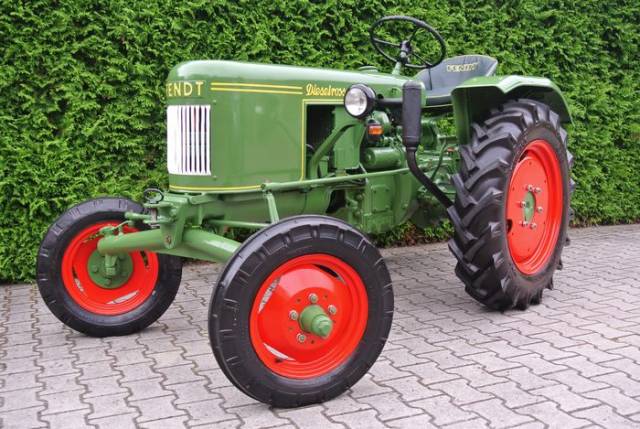
1955 | Fendt Dieselross F 12 GH
Create search alert
Let yourself be notified as soon as a listing is published that matches your search filters.
History & Heritage
Fendt’s story begins in 1928 in Marktoberdorf in the Allgäu, where a young Hermann Fendt started developing a motorised mower in the family workshop. What followed was not just the rise of another tractor maker, but the creation of one of Europe’s most respected agricultural brands. In 1930, the first Fendt Dieselross with 6 PS reached a farmer in the region, and the nickname given to that machine quickly became a name that would define the company for decades. The idea was simple but powerful: build tractors that were compact, hard-working and technically ahead of their time.
The early Dieselross years established the tone for everything Fendt would later become. The first generation was aimed at a rural world that was moving away from horse power and hand labour, and every extra horsepower mattered. Models such as the F 18, F 22, F 28 and F 40 became touchstones for the brand, each one expanding the company’s reputation beyond its home region. The tractors were not flashy, but they were carefully engineered and built with a seriousness that appealed to practical farmers. That reputation for thoughtful design still shapes the collector market today.
The 1950s and 1960s were decisive. In 1953 Fendt introduced the Geräteträger concept, and the GT would become one of the brand’s most distinctive ideas. Rather than treating the tractor simply as a towing machine, Fendt turned it into a carrier for implements, with mounting options front, rear and in the middle. For certain types of farm work, particularly in mixed and specialist agriculture, it was a remarkably versatile solution. The GT was not a side note; it was a genuine statement about how agricultural engineering could be rethought.
Then came 1958 and the ff series: Fix, Farmer and Favorit. This was the moment Fendt moved beyond the Dieselross name and into a broader, more modern identity. The Farmer line sat in the middle of the range and would become the heart of the brand’s classic tractor appeal, while the Favorit established the premium end of the market. The series structure was clear, logical and very Fendt: compact, mid-range and top-end, each with its own audience.
Another milestone arrived in 1966 with the Farmer 3S and the introduction of Turbomatik, Fendt’s hydraulic clutch system. It made driving smoother, easier and more refined, especially when compared with many rivals of the period. That attention to operator comfort was no accident. Fendt knew that a tractor had to work long hours and still feel controllable at the end of the day. The same mindset later supported the development of the Vario concept, which first appeared in the Favorit 926 Vario in 1995 and helped reshape the entire industry.
By the late twentieth century, Fendt had become a benchmark. From 1985 to 1999, it was number one in German tractor registrations, an extraordinary achievement for a firm that began as a family workshop in Bavaria. In 1997 the brand was acquired by AGCO, but its identity remained strongly tied to quality, innovation and premium agriculture. The final chapter of one era came in 2004, when Geräteträger production ended. For collectors, that closing date matters: it marked the end of a truly unique tractor type.
In Britain, Fendt’s reputation arrived later than at home, but it took hold on larger arable farms and among owners who valued engineering precision. Imported from the 1960s onwards, Fendt tractors built a following among users who wanted reliable power with a more refined character than many mass-market alternatives. Today, the classic tractors are supported by a strong UK vintage scene, with clubs, rallies and specialist owners keeping the name visible and desirable.
Highlights & Collectability
What makes a Fendt classic tractor stand out is the blend of technical originality and lasting usability. Some marques are collected for nostalgia alone; Fendt is collected because the machines were genuinely advanced, and because they still make sense to drive and display. That combination is especially important in the British market, where many buyers want a tractor that can appear at a show, be transported without drama, and still feel mechanically honest on the road or yard.
The Dieselross is the entry point into Fendt history. These are the machines that embody the brand’s earliest identity, and they attract buyers who value authenticity over convenience. Restored examples look magnificent, with their compact proportions and purposeful stance, but even unrestored tractors have appeal because they feel so close to the company’s origins. Early Fendt tractors are also relatively scarce in the UK, so imported examples from Germany or elsewhere in Europe are common, especially for collectors chasing a particular specification.
The Geräteträger GT is arguably the most charismatic Fendt of all. Its central concept is unusual even by classic tractor standards, and that oddity is precisely why collectors love it. A GT has presence. It looks different at a glance, and it works differently once you sit on it. Rare models such as the GT 380 and GT 395 sit at the top of the market because they combine late production, limited availability and strong visual appeal. They are not cheap, but for many enthusiasts they represent the purest expression of Fendt’s inventive spirit.
The Farmer series is the broadest and most accessible family. This is where many British collectors start, and with good reason. The tractors are robust, widely understood and varied enough to suit different budgets. Early 1960s and 1970s Farmers are still usable machines, while later 200- and 300-series tractors offer more power and more sophistication. For owners who want a classic tractor they can actually enjoy rather than merely preserve, the Farmer range remains highly attractive.
The Favorit models sit at the premium end. These tractors were built to show what Fendt could do when it aimed for the upper tier of the market. Early Favorits offer period charm and strong engineering, the 600-series broadened the range with more muscle, and the 500C-series brought modern comfort and serious collecting interest. The later Vario-era machines are now already becoming desirable as future classics, but the 1990s Favorits remain the most established collectables.
For UK buyers, auction results matter. Cheffins in Cambridge remains the key name in vintage tractor auctioneering, and its 2025 and 2026 sales underline how international interest can lift prices quickly. A Favorit 824 Turboshift sold there in 2025 for £56,000, while a near-new Fendt 820 Vario from 2010 with only 62 hours achieved £143,648 in 2026. Those results may sit at the newer end of the spectrum, but they show the depth of the Fendt name in the British market and the strength of demand when a machine is unusual or exceptionally preserved.
Technical Data & Key Models
The technical story of Fendt classics is one of steady progress rather than abrupt reinvention. The early Dieselross tractors were compact and comparatively simple, but they already showed the brand’s wish to improve on basic utility machinery. As tractor buyers became more sophisticated, Fendt answered with better power delivery, more refined transmissions and a strong emphasis on controllability.
The Turbomatik system, introduced on the Farmer 3S in 1966, is a key part of that story. It transformed starting off under load and made the tractors easier to handle for long working days. For many collectors, this is one of the first features to mention when comparing a Fendt with more conventional rivals from the same period. It is not just a technical footnote; it is one of the reasons the brand earned such loyalty.
The later Favorit tractors pushed the envelope further. By the mid-1990s, the Vario concept marked the direction of future agricultural engineering. The Favorit 926 Vario from 1995 is especially significant because it signalled the arrival of the continuously variable gearbox, a technology that would become closely associated with Fendt’s premium image. While the classic market is usually focused on older tractors, this development matters because it explains why even late Fendts are now treated with respect by collectors.
For British buyers, a practical note is worth making. Tractors are not treated like passenger cars, so right-hand drive is not a relevant issue in the same way. Instead, buyers should pay attention to DVLA registration status, historic vehicle exemption rules, and whether a tractor has supporting paperwork for road use or show attendance. At 40 years and over, many classics can benefit from historic vehicle exemption, which makes ownership simpler for those who want to keep the tractor lightly used.
Market Overview & Prices
The market for Fendt classic tractors is lively, international and increasingly segmented by model family. The best-known Fendt names bring different price levels depending on rarity, condition and whether the tractor is ready to work, ready to show, or requires full restoration. In the UK, the strongest demand tends to sit with usable tractors that have a clear history, but rare models can command serious money even before restoration.
Dieselross pricing is where many enthusiasts begin. A restoration project typically starts around £1,500–£3,500, which is enough to put an incomplete or tired machine within reach of a committed buyer. A good-condition Dieselross usually falls between £3,500 and £9,000, while a fully restored example can reach £13,000–£22,000. The numbers are not just about age; they reflect scarcity, originality and the emotional appeal of owning Fendt’s first true icon.
Geräteträger GT values are broader, because the range includes both relatively attainable examples and exceptionally rare top-end versions. A basic GT may sit at £4,500–£9,000, a good one at £10,000–£22,000, and a rare GT 380 or GT 395 can climb to £22,000–£40,000. In a market where distinctive machinery is prized, the GT often outperforms expectations because it is so recognisable at auctions and rallies.
Farmer tractors offer the widest spread. Early 1960s and 1970s tractors usually trade at £4,500–£11,000, while the more familiar 100-series sits around £6,000–£16,000. The 200- and 300-series can range from £13,000 to £45,000 depending on model, specification and condition. This is a useful band for British collectors who want a tractor with practical usability and classic status without entering the rarest or most expensive part of the market.
Favorit models occupy the upper end. Early Favorits are often found between £7,000 and £18,000, the 600-series between £9,000 and £22,000, and the later 500C-series between £40,000 and £58,000. The jump in value reflects both power and desirability. These tractors were built for serious agricultural work, but today they also appeal to collectors who admire late-20th-century design and engineering.
The British scene adds an important layer. Cheffins’ auction results have become a reference point for the market, not only because they are public and transparent, but because they regularly attract international bidders. For buyers in the UK, that means values are no longer set only by local club knowledge. Germany, the Netherlands and other European markets influence pricing, especially for rare or export-friendly tractors. Importing from Europe is common, and for hard-to-find Fendt models it can be the smartest route to the right machine.
UK clubs and events also help support values. The Vintage Tractor & Machinery Club and related organisations keep older Fendts visible at rallies, ploughing matches and working weekends. That club culture matters because it creates trust: buyers can speak to owners, inspect tractors in person, and build confidence in which models are best to restore, preserve or use. In practice, the best buying advice is simple: originality, documentation and condition will always matter more than mileage alone.
Driving Feel & Ownership
A classic Fendt feels purposeful from the moment you climb aboard. The seating position is straightforward, the controls are honest, and the tractor immediately gives the impression that it was built to work rather than to impress. Early Dieselross models are more demanding than later tractors, of course, but that is part of their appeal. They ask for respect, mechanical sympathy and a little patience. In return, they offer an experience that feels direct and authentic.
The Farmer range is where many owners discover just how enjoyable a classic tractor can be. The engine note is typically solid and unhurried, the gearbox has a mechanical clarity that modern machines have largely lost, and the Turbomatik-equipped tractors bring a welcome smoothness when setting off or manoeuvring. For a British owner who wants to attend rallies, take part in local events, or simply use the tractor on a smallholding, a Farmer can be a sweet spot between charm and practicality.
The Geräteträger is different again. Its layout creates a unique perspective on the world: high seat, clear sightlines and a sense of working with the machine rather than simply sitting on it. Because the GT was designed around implement carriage, it has a usefulness that classic tractor enthusiasts still appreciate. It is not merely a talking point; it is a genuinely clever piece of engineering that still makes sense when presented at demonstrations or specialist shows.
Favorits feel more substantial. By the time you reach the 600- and 500C-series, you are into tractors that feel more like serious long-haul agricultural machines than compact classics. They sit well on the road, have the presence expected of premium equipment, and reward drivers who value torque, stability and a degree of comfort. For some collectors, this is the ideal expression of Fendt ownership: classic enough to be characterful, modern enough to be easy to live with.
Ownership in Britain is generally straightforward if the tractor is selected carefully. Parts support is reasonably good for the better-known Farmer and Favorit models, and the club scene is a major asset. Restorers can source advice on decals, paint shades, trim and model-specific details. For rarer tractors, especially Dieselross and late GT variants, parts hunting becomes more specialised, but that is true of most collector machinery. The important thing is that there is an active community around the marque.
Design & Engineering
Fendt design has never been about decoration for its own sake. The tractors are functional first, but they achieve a kind of beauty precisely because their form follows purpose so closely. The early Dieselross tractors are compact and confident, with clean lines and no unnecessary fuss. They look exactly like what they are: early agricultural machines built for hard work and steady progress.
The shift to the ff series in 1958 brought a more recognisable family identity. The rounder bonnet shapes of the early Farmer and Favorit tractors gave the brand a friendlier, more contemporary look, while the later square-edged designs reflected the tighter, more industrial aesthetic of the 1970s and 1980s. This evolution is useful for collectors because it helps separate eras at a glance. A Fendt from the 1960s feels very different from one built twenty years later, even if both wear the same green identity.
The famous Fendt green is more than a paint colour; it is part of the company’s visual authority. In the classic market, originality matters greatly, and a tractor that still wears the correct shade, badging and trim tends to carry more confidence with buyers. On restored machines, the best examples are those that look clean without becoming over-restored. Classic tractor buyers often value honesty and period accuracy over a shiny but incorrect finish.
The GT is the design outlier. Its symmetry, central engine position and attachment geometry make it one of the most unusual tractors of the twentieth century. It is the sort of machine people remember after a show because it simply does not look like anything else. That distinctiveness is a big part of its market strength, especially among British collectors who appreciate engineering solutions that are a little eccentric.
Later Favorit tractors add another design layer. By the 1990s, cab comfort, sightlines and machine presence mattered more than ever. The result was a tractor that looks purposeful and premium, with a substantial stance and a strong identity. For buyers, that means Fendt classics span a wide design spectrum: from near-industrial simplicity to late-modern authority.
Other Models, Clubs & Buying Tips
When buying a Fendt classic tractor, the biggest question is usually not whether the brand is desirable, but which family best suits your aim. If you want a restoration project with historic weight, the Dieselross is the obvious choice. If you want something more usable and easier to live with, a Farmer is often the most sensible route. If you want rarity and visual impact, the GT is hard to beat. And if you want the most prestigious classic-era machinery, the Favorit range deserves serious attention.
Condition should always be assessed carefully. On Dieselross tractors, rust in the structure, worn engine internals and missing trim can make a restoration costly. Parts are available in some cases, but rare components will test patience and budget. A tired tractor at £2,000 may still be a worthwhile buy, but only if the chassis, engine and key ancillaries are intact.
On GT tractors, buyers should examine the frame, front axle wear, cab condition and the overall completeness of the implement mounting system. Because these tractors were often used hard and modified over time, originality can vary more than on standard field tractors. Rare versions such as the GT 380 and GT 395 justify close inspection and good provenance.
Farmers are usually the easiest classics to buy well. Many have had long working lives, but they are still straightforward to understand. Look for sound hydraulics, clean oil, healthy cooling, and evidence that the gearbox and clutch have been looked after. A tractor with sensible hours, complete paperwork and a good club history is often worth paying a little more for.
Favorits, especially later examples, need more careful due diligence. These are premium machines, and premium machines can hide expensive repairs. Check the transmission, hydraulic performance, electrical system and cab condition. A well-kept tractor with proper service records is far better than a cheaper example with unknown history.
The British ownership environment is supportive. Historic vehicle exemption can simplify use for tractors over 40 years old, and DVLA registration is usually manageable when documentation is in order. For imported machines, paperwork is essential. Many Fendt classics arrive from Germany or mainland Europe, and that is perfectly normal in today’s market. What matters is provenance, not postcode.
Clubs are part of the appeal. The UK has a strong vintage tractor culture, and Fendt owners can draw on both national groups and marque-specific networks for advice, parts and social events. That support makes ownership far easier and adds to the satisfaction of buying one of these tractors in the first place.
Summary
Fendt classic tractors have a rare combination of technical credibility, collectable status and real-world usability. From the first Dieselross in 1930 to the last Geräteträger in 2004, the brand consistently pushed agricultural engineering forward while keeping a clear identity rooted in quality and purpose. That is why Fendt has such a strong following in Germany and why interest in Britain continues to grow.
For collectors, the market offers something for every level of ambition. Dieselross tractors provide entry into the marque’s earliest history. Farmers are the most practical and broadly attainable classics. GTs are the distinctive talking pieces. Favorits deliver premium presence and, in the right specification, serious investment appeal. With UK prices ranging from a few thousand pounds for projects to well into five figures for rare and top-condition examples, there is real depth to the market.
Cheffins auction results, a strong club scene and a healthy flow of imported tractors all support the British market. Whether you want to buy a showpiece, a restoration project or a usable arable classic, a Fendt remains a highly credible choice. Find your Fendt classic tractor on Classic Trader and buy the machine that best fits your collection.