Dodge Firearrow classic car for sale
The Dodge Firearrow series stands as a mark of innovation from the 1950s, combining American engineering with Italian design by Ghia. Only four unique concept cars were produced between 1953 and 1954, with each one pushing the boundaries of style, technology, and craftsmanship. With their roots in show car culture and real-world usability, Firearrows remain some of the rarest and most influential collector vehicles from Dodge’s history.
Search results
Currently, there are no matching listings for your search.
Create search alert
Let yourself be notified as soon as a listing is published that matches your search filters.
Create listing
Do you have a Dodge Firearrow that you want to sell? Then create a listing now.
Create listingDodge Firearrow listing references from Classic Trader
Below you will find listings related to your search that are no longer available on Classic Trader. Use this information to gain insight into availability, value trends, and current pricing for a "Dodge Firearrow" to make a more informed purchasing decision.
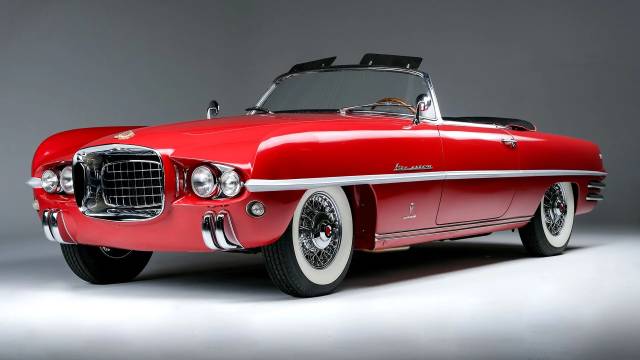
1954 | Dodge Firearrow II Ghia
1954 Dodge Firearrow IV by Carrozzeria Ghia

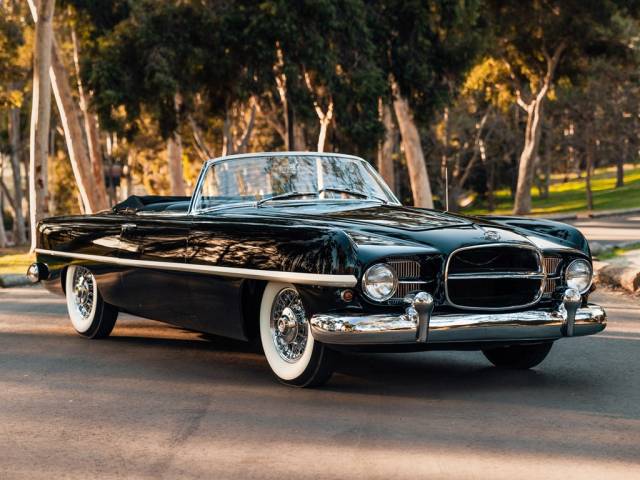
1955 | Dodge Firearrow II Ghia
1955 Dodge Firebomb by Ghia
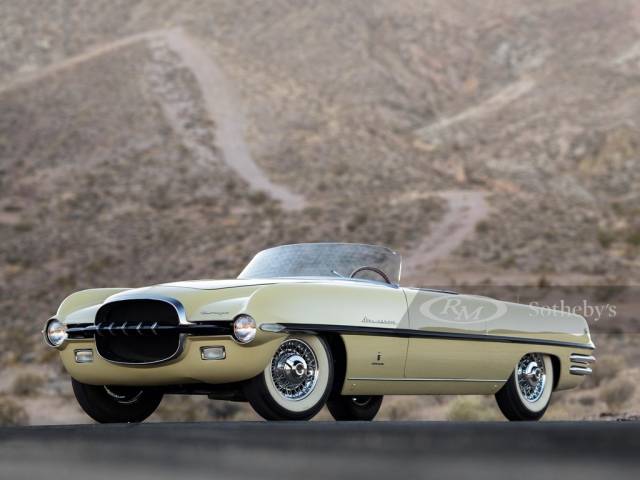
1954 | Dodge Firearrow II Ghia
1954 Dodge Firearrow II by Ghia
Create search alert
Let yourself be notified as soon as a listing is published that matches your search filters.
Create listing
Do you have a Dodge Firearrow that you want to sell? Then create a listing now.
Create listingDodge Firearrow Classic Cars: Prices & Market Values
History of the Dodge Firearrow
Between 1953 and 1954, Dodge, guided by the creative vision of Virgil Exner and the craftsmanship of Carrozzeria Ghia, built the Firearrow series: four concept vehicles, each with its own character. While many concept cars of the era were non-functional, the Firearrow models were fully drivable and intended as potential production prototypes. Debuting on the international stage at events such as the 1953 Turin Motor Show, the Firearrow name became synonymous with the progressive 'Idea Car' movement that shaped post-war automotive trends. These vehicles married Italian bodywork with American engineering, making a profound mark on both design language and technical ambition in the early 1950s. Today, their influence is evident in numerous Chrysler products of the subsequent decade.
Model History of the Dodge Firearrow Series
The Firearrow project consisted of four distinct iterations:
- Firearrow I (Roadster, 1953): The debut showcased sweeping fender lines and minimal overhangs, setting the visual template.
- Firearrow II (Roadster, 1954): Further refined bodywork and more production-ready details.
- Firearrow III (Sport coupe, 1954): A fixed-roof evolution with enhanced comfort and styling innovations.
- Firearrow IV (Convertible, 1954): The only convertible, combining advanced weather equipment with the full mechanical specification. All Firearrow models were built in Turin by Ghia, under Exner's close supervision. Unlike most other show cars, the Firearrows were engineered to be driven and previewed the styling of the Chrysler Dual-Ghia that would follow. The series ended without any production version, but three of the four originals have survived.
Highlights of the Dodge Firearrow Series
Key distinguishing features of the Firearrow include continuous, sculpted wings from nose to tail, a minimalist silhouette with a pronounced 119-inch wheelbase, and remarkable attention to detail. The Firearrow IV introduced an innovative grille design with floating horizontal and vertical bars, distinctive quad tailpipes, and segmented bumperettes. Interior craftsmanship was equally high, with diamond-pattern leather upholstery, a dashboard in the car’s exterior colour, and a Swiss-made 'Dodgematic' clock in a bespoke wood and chrome steering wheel. Many elements, such as the wraparound chrome trim and integrated sun visors, reflected the 'space age' inspiration of the era.
Technical Data
Special Editions and Collectible Models
Of the quartet, the Dodge Firearrow IV stands out as the only convertible, featuring a fully operative fabric roof with chromed frames and wind-up side windows. This model was the most production-ready and combined all the technological and stylistic advancements from the earlier versions. The unique 'Regimental Red' bodywork with a diamond-pattern black-and-white interior further sets it apart. None of the Firearrow models were ever serially produced, contributing to their enduring exclusivity.
Weak Spots and Common Issues
No known widespread technical weak spots are documented for the Dodge Firearrow series—largely due to the extremely limited production and careful preservation of the few cars built. Buyers should pay close attention to authenticity, craftsmanship integrity, and the originality of unique design elements and materials during inspection, as any deviation would impact the collectible status of these concept vehicles.
Engine and Performance, Transmission and Handling
The Dodge Firearrow IV’s 'Red Ram' Hemi V8 was matched to an automatic PowerFlite gearbox, combining American displacement with smooth Italian chassis dynamics. Oriflow dampers and a roll-centre front axle provided surprisingly modern handling for a 1950s show car. The model was conceived as a practical, roadworthy vehicle and could undertake long-distance drives—a rarity in the world of concept cars. The highlight is the Firearrow IV Cabriolet, the only model equipped for all-weather motoring, marrying the full mechanical specification to an open-top driving experience.
Interior, Comfort, Exterior and Design
Virgil Exner’s design, executed by Ghia, produced lasting visual signatures: flowing wings, a distinctive rub rail stretching from the headlamps to the rear, and an innovative grille. The 'Space Age' touches included panoramic windshield, twin tinted sun visors, and the Nardi wood-chrome steering wheel with integrated Swiss clock. The interior featured top-grade hand-stitched leather in a bold black-and-white diamond pattern, mahogany luggage platform with chrome strips, and beautifully milled chrome trims on the door sills. Special exterior cues, especially in Firearrow IV, included 'Regimental Red' paint, floating grille details, quad tailpipes, and artful bumperettes—each designed as a showpiece unique to this series.
Other features
Advanced features for its day included hydraulic 'Safeguard' brakes, a functional convertible top on the Firearrow IV, and custom-fabricated dashboards. Fine details such as integrated chrome sun visors, unique instrument panel design, and the bespoke Nardi steering wheel mark these cars out as technological showcases and mobile design laboratories of their era.
Summary
The Dodge Firearrow represents a high point in post-war automotive concept design—Italian-crafted, American-powered, and completely unique. With just four ever made, no model entered serial production, making existing cars among the rarest Dodge automobiles in existence. Each Firearrow, especially the IV Cabriolet, stands as a testament to a period where international collaboration drove innovation—and the results endure as reference points for both engineering and design connoisseurs.