Buick Centurion classic cars for sale
The Buick Centurion, produced from 1971 to 1973, stands out as a unique full-size model in Buick’s history—serving as an intermediate step between the LeSabre and Electra lines, with luxury-oriented features and an exclusive centurion helmet badge rather than the traditional tri-shield. It’s a rare sight on today’s roads, and highly distinguishable from other Buicks of its era.
Zoekresultaten
Op dit moment zijn er geen overeenkomende advertenties voor uw zoekopdracht.
Create search alert
Let yourself be notified as soon as a listing is published that matches your search filters.
Create listing
Do you have a Buick Centurion that you want to sell? Then create a listing now.
Create listingBuick Centurion listing references from Classic Trader
Below you will find listings related to your search that are no longer available on Classic Trader. Use this information to gain insight into availability, value trends, and current pricing for a "Buick Centurion" to make a more informed purchasing decision.
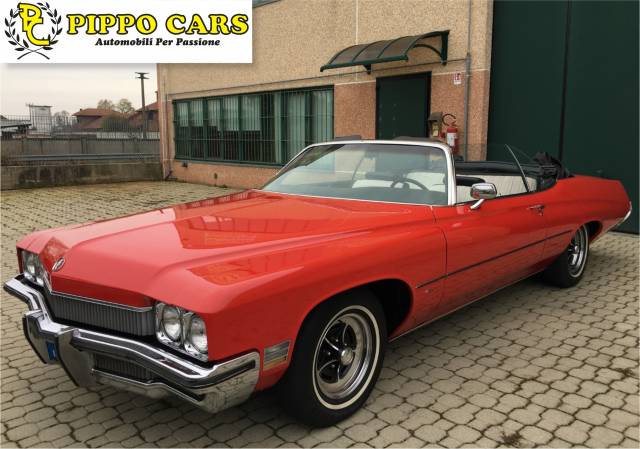
1972 | Buick Centurion Convertible
BIG BLOCK 455 7.5 V8 RESTAURATA ASI

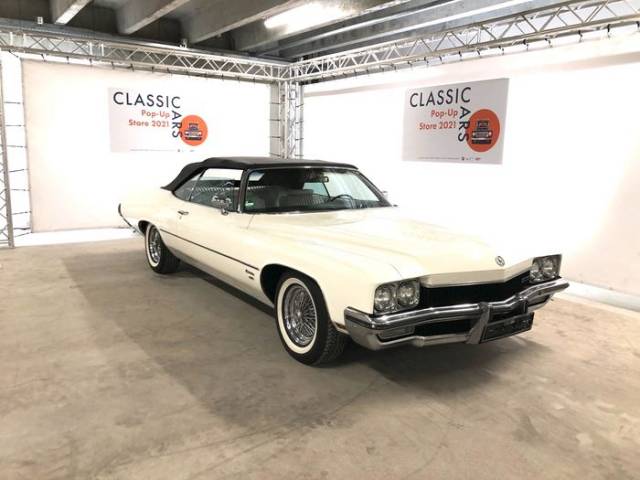
1972 | Buick Centurion Convertible

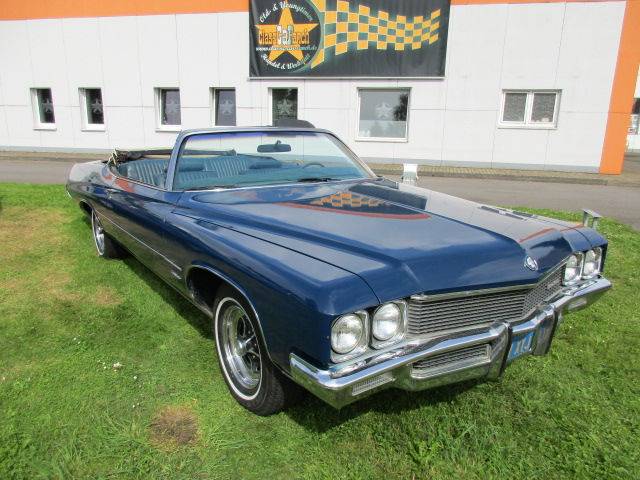
1971 | Buick Centurion Convertible
Centurion Cabrio, 455cui, Automatik

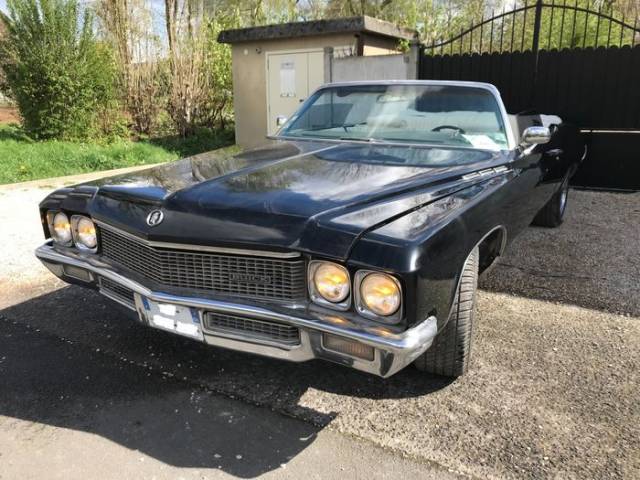
1971 | Buick Centurion Convertible
Create search alert
Let yourself be notified as soon as a listing is published that matches your search filters.
Create listing
Do you have a Buick Centurion that you want to sell? Then create a listing now.
Create listingBuick Centurion Classic Cars: Prices & Market Values
History of the Buick Centurion
Buick introduced the Centurion for the 1971 model year as a full-size car, built to replace the Wildcat. Drawing its name from a Roman army officer and a 1956 Buick concept car, the Centurion carved its own niche within Buick's range. It departed from signature Buick traditions—notably omitting the trademark VentiPorts and chrome-heavy styling. The Centurion's character was defined more by understated luxury than overt sportiness, a marked shift from the Wildcat it succeeded. Its hallmark design cues—such as the formal rear window and unique centurion helmet badge—set it apart from its Buick siblings. Production lasted only until 1973, after which the model was replaced by the LeSabre Luxus.
Model History
The Centurion was available in hardtop, coupe, and convertible body styles—mirroring full-size American car trends of the early 1970s. In its first year, a manual transmission was briefly available before the model moved exclusively to a three-speed automatic. The standard 7.4-litre V8 (455 cubic inch) produced 315 hp initially, although the official power rating dropped to 250 hp in 1972, reflecting the industry-wide change to net horsepower ratings. In 1973, a 175 hp V8 became standard, with higher-output V8s available as options. The Centurion saw only modest changes during its run—mostly minor trim and grille revisions—ending when the LeSabre Luxus replaced it in 1974.
Highlights of the Buick Centurion
Distinct among classic Buicks, the Centurion’s biggest highlights include its unique badge, the focus on luxury interiors, and engineering refinements like standard power steering and front disc brakes. The model didn’t compete for outright sportiness but delivered comfort and substantial road presence, especially in convertible form—the only such variant in Buick’s range for 1973.
Technical data for the Buick Centurion
Special Editions and Collectible Models
While no official limited editions were noted for the Centurion, the convertible body, produced until 1973, became particularly notable as it was the last convertible offered by Buick for several years and stood out as the sole convertible in Buick’s lineup that year. Coupé configurations with certain rare trim options are also sought after.
Weak Spots and Common Issues
Known issues are comparable to those of other early-1970s full-size American cars – expect age-related wear in suspension, potential rust in the chassis and body panels, and possible failure of vinyl roof coverings. Engine and transmission robustness generally matches other GM full-size models of the time, but check carefully for neglected maintenance due to the model’s age.
Engine and Performance, Transmission and Handling
With its large-displacement V8s, the Centurion delivered strong low-end torque and effortless cruising abilities, though a focus on comfort over agility is evident. Early models are livelier thanks to the 315-hp version, while later years’ performance was throttled mostly due to changing emissions standards and net horsepower calculation. The automatic gearbox is smooth but designed for relaxed driving rather than brisk acceleration. Handling remains typical for the period—soft and oriented for highway comfort rather than sporty dynamics. 1971–1972 models with the 455 V8 are often chosen by enthusiasts for their superior performance, while 1973 convertibles remain the most collectible for their rarity.
Interior, Comfort, Exterior and Design
The Centurion’s most distinctive design feature was the centurion helmet badge, a break from Buick’s established tri-shield identity. Exteriors are marked by a clean, unfussy look with limited chrome trim, a broad, formal rear window, and optional vinyl roofs. Interiors stood out from the LeSabre with upgraded fabrics, standard centre armrests, and enhanced comfort features. Factory accessories included air conditioning, premium stereos, and distinctive upholstery choices. Convertible and coupe versions particularly highlight the plush American luxury ethos of their era.
Other relevant features
One storyline unique to the Centurion is its very short production span—only three years—combined with the immediate replacement by the more conventional LeSabre Luxus. That narrative adds a layer of intrigue for collectors seeking models with clear start and end points and novel branding.
Summary
The Buick Centurion’s brief production window, exclusive features such as its centurion helmet emblem, and position between two of Buick’s more famous nameplates lend it enduring interest for classic American car fans. It remains the defining Buick model of this era in the Classic Trader inventory, representing an interesting mix of early 1970s full-size comfort, design restraint, and distinctive branding.