Austin Princess Classic Cars for Sale
The Austin Princess stands for British luxury in its purest form, blending stately elegance with high comfort and distinguished craftsmanship. Produced from 1947 to 1968, this saloon remains highly regarded by enthusiasts due to its association with both Austin and the renowned coachbuilder Vanden Plas. Explore why this classic, offered under both Austin and Vanden Plas names, draws particular interest on the classic car market.
Search results
Currently, there are no matching listings for your search.
Create search alert
Let yourself be notified as soon as a listing is published that matches your search filters.
Create listing
Do you have a Austin Princess that you want to sell? Then create a listing now.
Create listingAustin Princess listing references from Classic Trader
Below you will find listings related to your search that are no longer available on Classic Trader. Use this information to gain insight into availability, value trends, and current pricing for a "Austin Princess" to make a more informed purchasing decision.
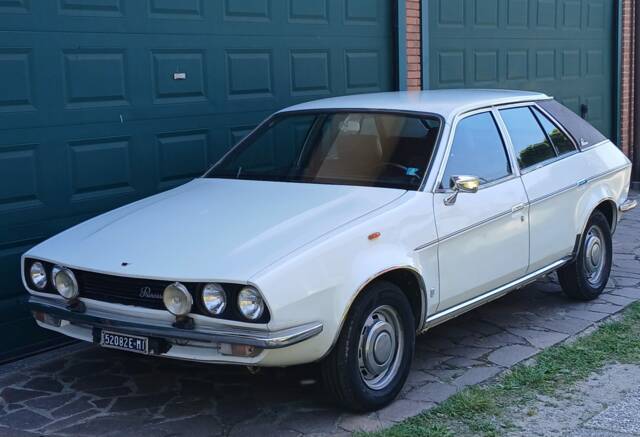
1978 | Austin Princess 2 1700 HL
Princess1800 hl

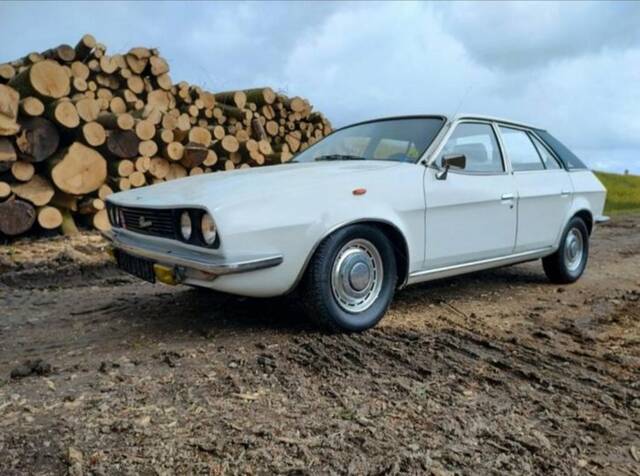
1977 | Austin Princess 2
Austin - Princess 1800HL - 1977

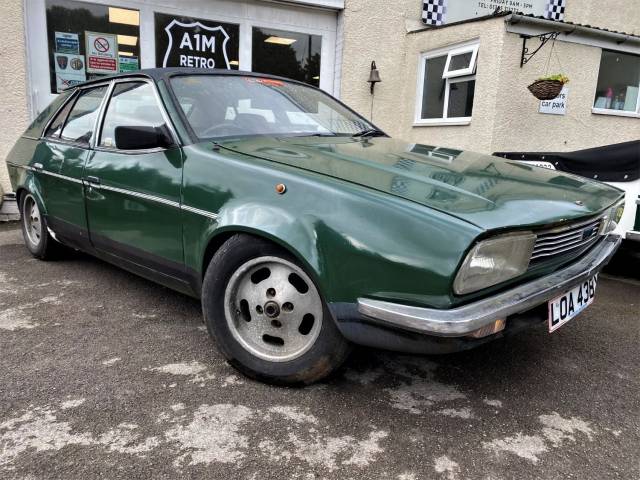
1981 | Austin Princess 2
AUSTIN PRINCESS - 1981

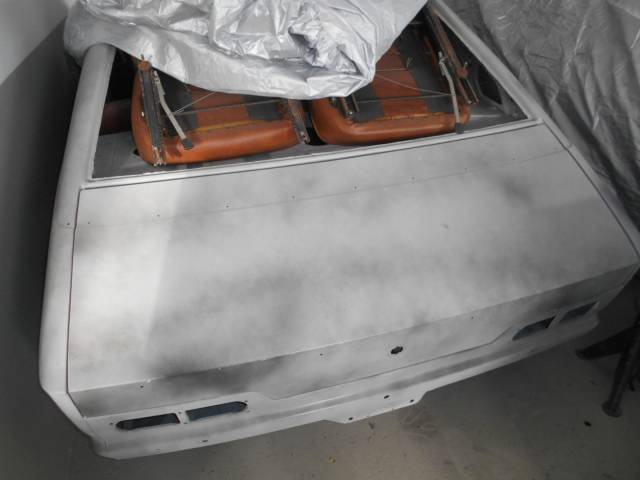
1978 | Austin Princess 2 1700 HL
Perfekte Karosserie mit Teilen

Create search alert
Let yourself be notified as soon as a listing is published that matches your search filters.
Create listing
Do you have a Austin Princess that you want to sell? Then create a listing now.
Create listingAustin Princess Classic Cars: Prices & Market Values
History of the Austin Princess
The Austin Princess emerged from Austin’s ambition to produce a luxury vehicle fit for governmental and ceremonial duty after World War II. Launched in 1947, the Princess series was developed by Austin and, later, by Vanden Plas, providing both saloon and limousine versions for the wealthy and influential. Over time, the Princess also appeared as a standalone marque and became synonymous with post-war British opulence. Its production stretched from the late 1940s until 1968, during which the model was distinguished by its spacious interiors, advanced comfort features, and coachbuilt quality. The name 'Princess' endured, signifying both the Austin legacy and the bespoke refinement of Vanden Plas.
Model History of the Austin Princess
The Princess originated from the need to replace pre-war Austin limousines and saloons. The first generation was unveiled in 1947 and was heavily influenced by Vanden Plas, Austin’s preferred coachbuilder. Early models operated under the Austin badge, but the prestige associated with Vanden Plas craftsmanship soon outshone the parent brand, leading to the Princess being marketed as its own marque in later years. A crucial turning point in the series was the transition from Austin to Vanden Plas branding, reflecting shifts in market taste and British automotive culture. The Princess remained in production until 1968, preceding the era of wedge-shaped executive saloons produced under the Princess name in the 1970s. Each iteration showcased gradual technical and stylistic updates while retaining the generous proportions and focus on comfort that defined the line.
Highlights of the Austin Princess
The Austin Princess is appreciated for its imposing dimensions, smooth six-cylinder engines, and sumptuous interiors equipped with fine wood, leather, and plush carpets. Many examples were fitted with chauffeur partitions, fold-down tables, and rear picnic sets, underlining their luxury status. The involvement of Vanden Plas elevated the Princess with hand-crafted details not typically found in mass-produced models. The Princess’ history of being used by dignitaries, institutions, and even royal households has further cemented its status as a car for the discerning buyer.
Technical Data
Special Editions and Collectible Models
Throughout its production, bespoke Princess limousines and saloons ordered through Vanden Plas stand out as the most collectible. Limited production ceremonial vehicles and those modified for government or royal duty, with unique livery or accoutrements, represent rarities highly valued by collectors for their provenance and historic association.
Weak Spots and Common Issues
While specific data on common faults for the Princess series is not provided, classic British saloons of this era must be scrutinised for chassis corrosion, especially in load-bearing sections. As with any coachbuilt car, sourcing interior trim and bespoke parts can be challenging. Regular attention to the engine (cooling and lubrication systems) and meticulous care of wooden and leather cabin finishes is essential to preserve value and functionality.
Engine and Performance, Transmission and Handling
Equipped with robust six-cylinder engines, the Austin Princess focuses on reducing noise and delivering effortless cruising rather than sporty agility. The automatic and manual gearboxes prioritise smooth shifting, contributing to a relaxed driving experience ideal for long-distance touring or chauffeur-driven use. Braking systems, suspension tuning, and steering geometry are optimised to ensure occupants benefit from a plush, serene ride irrespective of road conditions. - Early Vanden Plas Princess Limousine: 4.0L straight-six, coachbuilt comfort, rear privacy divider.
- Austin Princess Saloon: Standard trim, luxury appointments, developed for owner-drivers and chauffeurs alike.
Interior, Comfort, Exterior and Design
Vanden Plas’ touch is evident throughout the Princess, from its stately exterior with upright radiator grille, flowing wings, and formal roofline to its interiors lined with burr walnut, Connolly leather, and deep carpeting. High-level fixtures, including folding tray tables, rear compartments, and, in many examples, classic Smiths instrumentation, distinguish the passenger experience. Coachwork often featured subtle bespoke details based on original customer orders, making each Princess unique—especially those ordered for institutional service or bespoke luxury.
Other Noteworthy Features
Variants of the Princess have seen service as ceremonial vehicles across the Commonwealth, and a number are still in operation for special events or as wedding cars due to their grandeur and status. Well-preserved examples often come with detailed documentation tracing their bespoke builds and institutional use, significantly increasing their desirability among aficionados.
Summary
The Austin Princess is an exceptional example of post-war British luxury motoring, renowned for generous proportions, lavish interior appointments, and enduring craftsmanship. Favoured by institutions and keenly sought after on the classic car market, its reputation rests on real qualities of comfort and dignified presence. The Princess remains a unique proposition for collectors valuing originality, space, and a genuine reminder of Britain’s commitment to luxury on wheels.