Austin Maestro Classic Cars for Sale
The Austin Maestro unites practical British engineering and period charm, combining front-wheel drive, spacious interior and distinctive 80s looks. This compact five-door hatchback or two-door van was available in a mix of variants, including the punchy MG versions. With a range of engines and trim options, it still appeals to enthusiasts who appreciate reliability and an unmistakably retro character.
Search results
Currently, there are no matching listings for your search.
Create search alert
Let yourself be notified as soon as a listing is published that matches your search filters.
Create listing
Do you have a Austin Maestro that you want to sell? Then create a listing now.
Create listingAustin Maestro listing references from Classic Trader
Below you will find listings related to your search that are no longer available on Classic Trader. Use this information to gain insight into availability, value trends, and current pricing for a "Austin Maestro" to make a more informed purchasing decision.
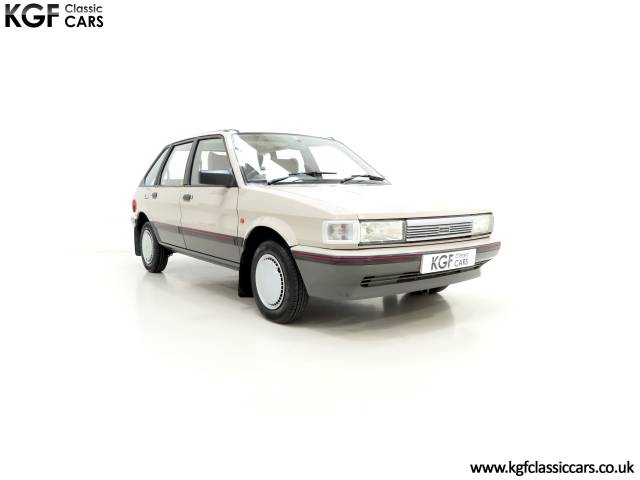
1989 | Austin Maestro
An Astounding and Original Austin Rover Maestro 1.3L with Just 6,712 Miles.
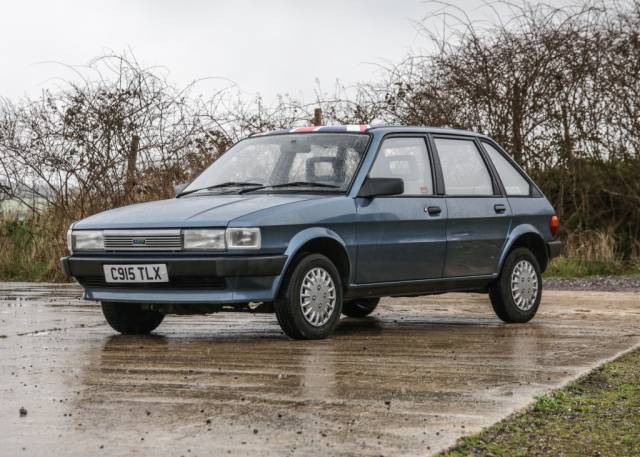
1985 | Austin Maestro
Austin Maestro 1.3 Mk. I
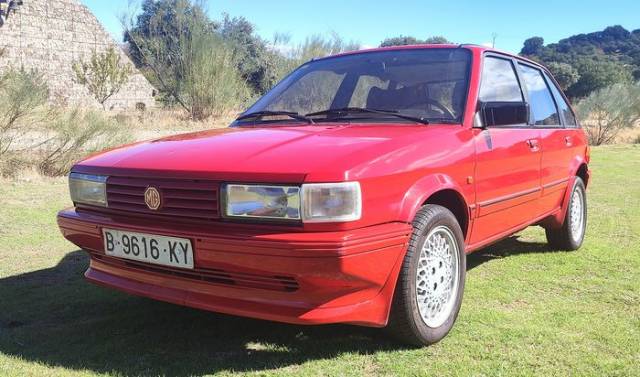
1989 | Austin Maestro
Create search alert
Let yourself be notified as soon as a listing is published that matches your search filters.
Create listing
Do you have a Austin Maestro that you want to sell? Then create a listing now.
Create listingAustin Maestro Classic Cars: Prices & Market Values
History of the Austin Maestro
Launched in 1983 as British Leyland’s effort to modernise their line-up, the Austin Maestro replaced both the Maxi and Allegro in the small family car segment. Developed and assembled at the historic Cowley plant near Oxford, the Maestro played a pivotal role in keeping the British family car market competitive through the 80s and early 90s. Designed for versatility, the Maestro came both as a five-door hatchback and a two-door van, and its robust build led to a production total of around 605,000 units. Over its lifecycle, the Maestro was known for advanced features such as laminated windscreens, childproof rear locks, and fully adjustable front seats. From 1988, the car was simply badged as 'Maestro', with the MG models catering to those seeking higher performance.
Model History
The Maestro followed the Austin Maxi and Allegro, both in practical philosophy and customer segment, but with far more modern features and design. Built on British Leyland's drive to update their range, the Maestro originally launched under the Austin badge before rebranding as just 'Maestro' within the Rover Group from 1988 onwards. Its predecessor, the Maxi, left a legacy of practicality with its hatchback layout, and the Maestro furthered this by introducing greater user comfort and improved build quality. The MG Maestro, meanwhile, injected some sporting flair and served as an affordable entry to performance-oriented models. Its production ceased in December 1994, with no direct successor from Austin/Rover, though the sector would later be contested by the Rover 200/400 series.
Highlights and Features
The Maestro offered a variety of trim levels and engine options, from the 1.3-litre A-Series to the sportier 2.0-litre O-Series found in the MG Maestro. All versions featured front-wheel drive, while equipment ranged from a slide/tilt sunroof and fully adjustable seats to modern conveniences like a digital clock and a factory-fitted radio cassette. Optional dealer accessories included mud flaps, full 13-inch wheel trims and unique upholstery materials such as Box and Plain Velvet. The Maestro stands out for its large, flexible boot, practical split-folding rear seats, and easy-to-source spare parts. Notably, all three core manufacturer codes (A-, O- and S-Series) each account for about 33.3% of supply, while demand leans heavily toward O-Series models with a 70% share, indicating particular interest in higher-powered variants among current buyers.
Technical Data
Special Editions and Collectible Models
The MG Maestro, marketed from 1983 to 1991, represents the sportier facet of the model, offering a distinct combination of higher-output engines, special trim, and unique paint options. Twin-tone paint schemes (matte lower sections and metallic upper halves), unique velour upholstery and factory sunroofs were just some of the features that set these models apart. The Maestro van also deserves mention, being a rare but functional utility variant that has found appreciation among enthusiasts and collectors who value niche 80s utility vehicles.
Engine, Performance, and Handling
Standard Maestros equipped with the A-plus 1.3 engine focused on robust, economical running, while the O-Series, especially in MG form, provided 115 PS—much higher than many rivals in its class. With front-wheel drive and a five-speed gearbox, the Maestro was nimble in city driving and comfortable on longer journeys. Servo-assisted brakes, well-chosen tyre sizes, and a two-circuit hydraulic system contributed to reassuring stopping power. Most sought-after by enthusiasts is the MG Maestro 2.0i EFI, combining responsive power delivery and relatively low running costs. The Maestro van, while less dynamic, is prized for its utility and durability. - MG Maestro 2.0i EFI (115 PS): Recognised for its strong performance,
- Standard Maestro 1.3 A-plus: Highly regarded for simplicity and reliability,
- Maestro van: Valued among classic small van enthusiasts.
Interior and Exterior Design
The Maestro's exterior typified British 80s design, with well-defined lines, prominent rubbing strips, and the option of twin-tone body paint. Bolt-on front wings simplified rust repairs over the years. Laminated windscreens, variable-intermittent wipers, and sunroof options reflected attention to detail. Inside, features such as box velvet trim, slipper-shaped document pockets in the sun visors, illuminated cigarette lighters, and an original radio cassette unit delivered period authenticity. The Maestro’s seating offered rake adjustment and, in some models, special velour upholstery. The boot’s versatility, via a variable rear seat arrangement and numerous storage solutions, reflected practicality as a core design principle. Factory and dealer accessories, such as tailored mud flaps or a digital clock, allowed for personalisation.
Other Features
Depending on the model and year, the Maestro could come with factory handbooks, original documentation, official spare keys and other accessories specific to the British Leyland era. Its availability in both right- and left-hand drive enabled broad market access. With robust parts supply and low maintenance costs, it remains practical for enthusiasts even today.
Summary
The Austin Maestro represents a distinct phase of British automotive history, bridging the gap between classic practicality and the design experimentation of the 1980s and 1990s. With solid supply of both standard and MG models, strong demand for O-Series-powered cars and enduring ease of maintenance, the Maestro stands as an appealing entry point into classic British motoring. Whether as a family hatchback, performance MG, or rare Maestro van, the model provides individuality and usability in a package grounded in its era.