Austin 20 Classic Cars for Sale
The Austin 20 stands as a testament to post-WWI British motoring, marking a new era for the Austin Motor Company. Known for its robust engineering and stately presence, the Austin 20 remains highly regarded among collectors who value authenticity and period technology. Discover its evolution from the original 20/4 to the powerful 20/6. Read more
Search results
Currently, there are no matching listings for your search.
Create search alert
Let yourself be notified as soon as a listing is published that matches your search filters.
Create listing
Do you have a Austin 20 that you want to sell? Then create a listing now.
Create listingAustin 20 listing references from Classic Trader
Below you will find listings related to your search that are no longer available on Classic Trader. Use this information to gain insight into availability, value trends, and current pricing for a "Austin 20" to make a more informed purchasing decision.
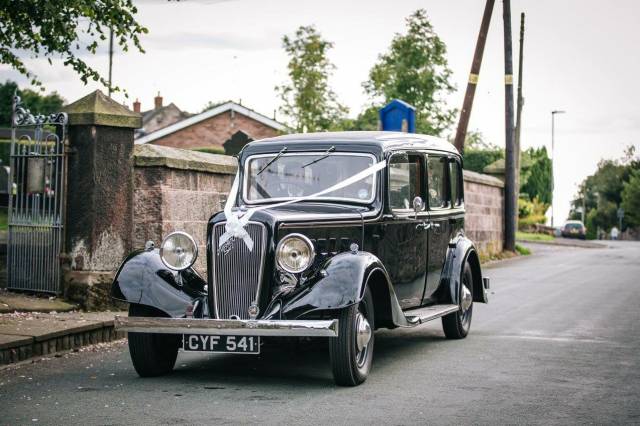
1936 | Austin 20/6
RARE OPPORTUNITY!! 1 of 7 Left worldwide

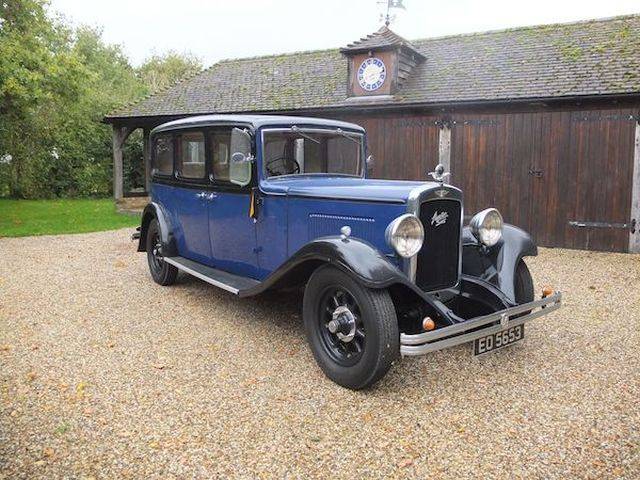
1934 | Austin 20/6
Ranelagh Limousine
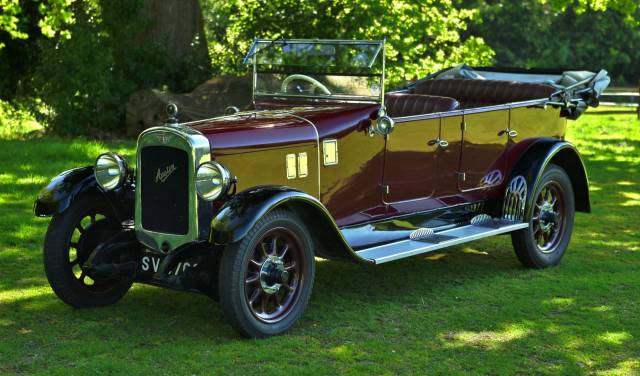
1925 | Austin 20/6
'Clifton' Tourer -
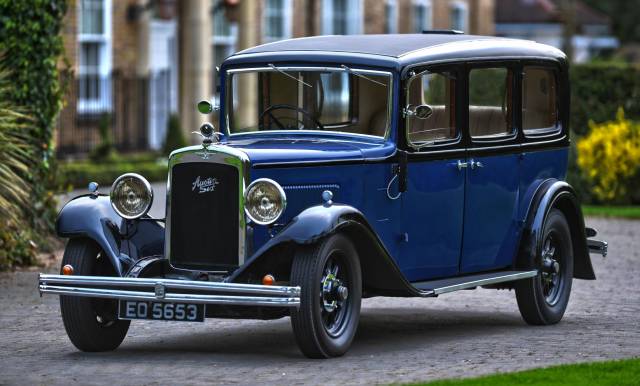
1934 | Austin 20/6
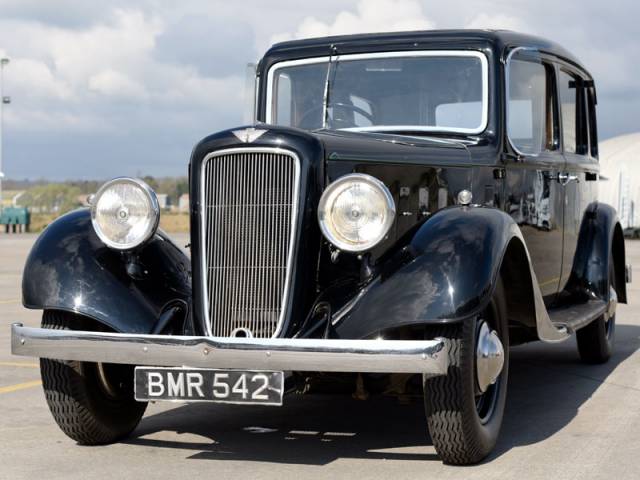
1938 | Austin 20/6
For Sale by Auction National Motorcycle Museum: 02.06 - Estimate 10000 - 12000 GBP
Create search alert
Let yourself be notified as soon as a listing is published that matches your search filters.
Create listing
Do you have a Austin 20 that you want to sell? Then create a listing now.
Create listingAustin 20 Classic Cars: Prices & Market Values
History of the Austin 20
Launched in April 1919, the Austin 20 arrived as a response to the shifting automotive landscape after the First World War. Designed to re-establish Austin’s presence in the large car market, the Twenty was engineered for reliability and comfort, reflecting the needs of British families and professionals seeking substantial personal transport. Continued production until 1930 highlights its viability and ongoing demand in the luxury saloon segment during the interwar years. The Austin 20’s development, including the significant update in 1927, shows Austin’s commitment to innovation and customer feedback in an era of increased motorisation.
Model History of the Austin 20
The initial Austin 20, introduced in 1919, was quickly recognised for its advanced features for the time, and, when the 20/6 with a six-cylinder engine appeared in 1927, the original model became known as the 20/4. Throughout its production, the series saw continual technical refinements and body styles, sustaining Austin’s reputation for engineering prowess. The Austin 20 followed the Austin 18 and set the path for larger, more sophisticated Austin saloons that came after 1930. Changes in mechanical layout, materials, and specification reflect the shifting demands of British motorists through the 1920s.
Highlights of the Austin 20
Among pre-war vehicles, the Austin 20 is known for its substantial chassis, long wheelbase, and durability. It catered to both private buyers and commercial applications, with its comfortable suspension and powerful engine apt for demanding road conditions. The key transformation in 1927—introduction of the six-cylinder version—demonstrated Austin’s adaptability.
Technical Data
Special Editions and Collectible Models
No factory special editions of the Austin 20 are detailed in available records. However, coachbuilt variants by renowned British body makers and low-volume commercial adaptations may be of particular interest to collectors seeking something truly individual.
Weak Spots and Common Issues
While early Austin models like the 20 are famed for mechanical longevity, potential buyers should be aware of wear on moving chassis components, potential rust in the frame and body mounts, and aging in period wiring and upholstery. Engine lubrication systems of the era can also be prone to leaks or reduced efficiency if neglected.
Engine and Performance, Transmission and Handling
Early Austin 20s equipped with the four-cylinder engine delivered stately but capable performance, suitable for open-road touring and city driving alike. The shift to a six-cylinder in later models provided smoother power delivery and enhanced acceleration. Transmission was manual, with a sturdy, mechanical feel typical of the late 1910s and 1920s engineering. The Austin 20’s handling is marked by a comfortable ride, with steering weighted towards stability rather than quick response, fitting its role as a substantial family and executive car. Braking relied on a mechanical system, so careful maintenance is key for safe operation. The pre-1927 Austin 20/4 is notable for its early engineering, while the post-1927 20/6 stands out for increased performance from its six-cylinder engine. Enthusiasts often highlight limousines and rare coachbuilt variants for their unique detailing and period craftsmanship.
Interior, Comfort, Exterior and Design
The Austin 20’s bodywork was typically conservative, with flowing fenders and upright radiator grilles that embodied interwar British luxury. Interiors focused on spaciousness and comfort, featuring high-backed seating and traditional materials like leather and polished wood. Coachbuilt versions added exclusive design elements, distinct colours, and advanced fittings, especially in limousines intended for professional or ceremonial use. While standard factory accessories were modest, period extras such as external horns, running boards, and trunk racks were popular upgrades at the time.
Other
The Austin 20’s versatility made it a favourite for adaptation into ambulances and commercial transport, showcasing its robust underpinnings and flexible chassis layout. Surviving examples often bear unique histories, from period service to use in early British motoring clubs.
Summary
The Austin 20 is an important representative of British motoring between the wars. Marked by its technical maturity, reliability, and imposing stature, it stands today as a pure expression of 1920s automotive values. Interest in the Austin 20 remains concentrated and robust in the classic car community, reflected by complete market focus on this series within the Austin line. With proper care, the Austin 20 delivers not only historical authenticity but enduring driving satisfaction for dedicated enthusiasts.